Coliving in Tallinn, Estonia for Digital Nomads
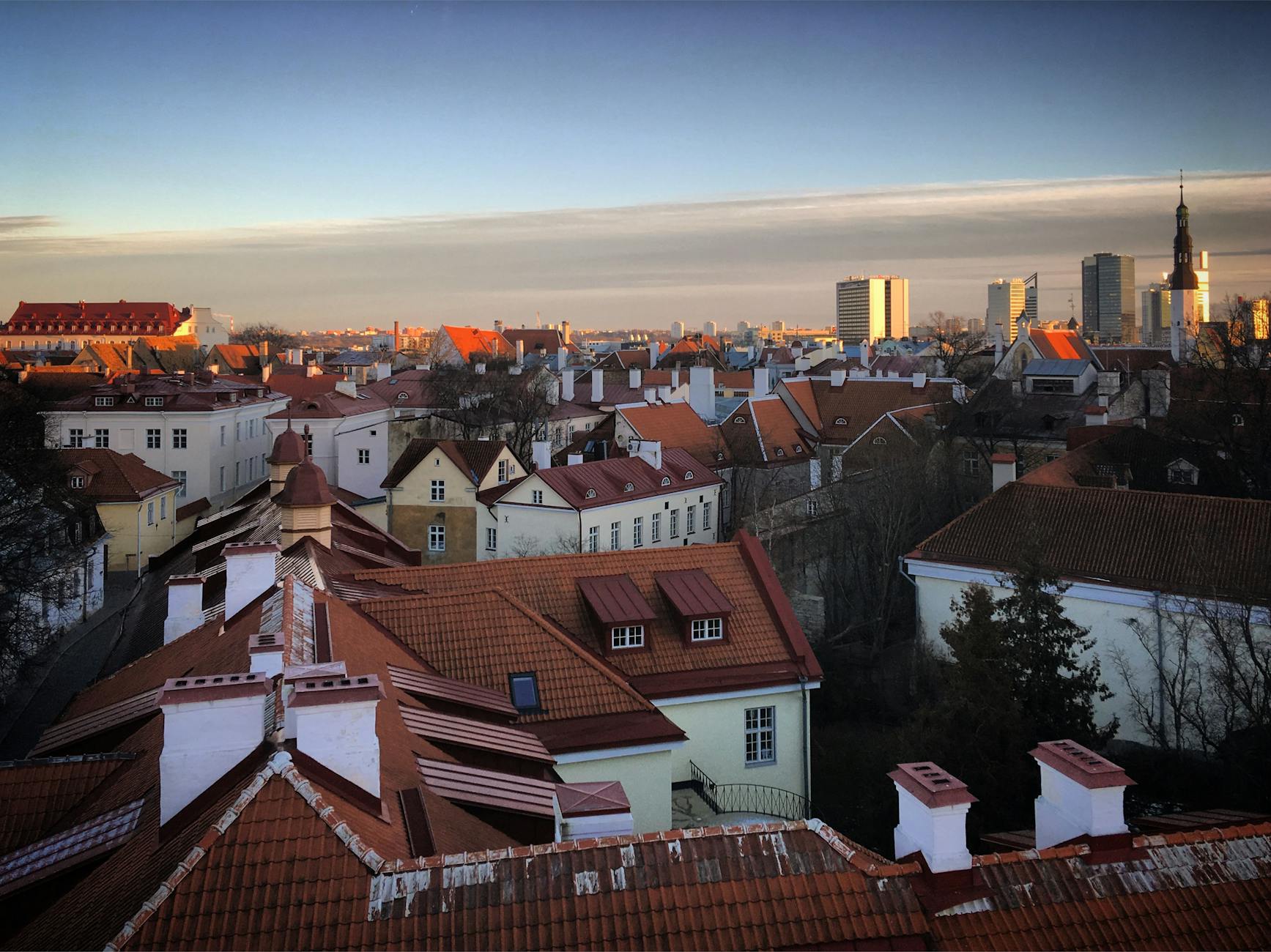
Tallinn is the city that figured it out. Medieval limestone walls on one side, a startup scene that built e-Residency on the other, and somehow the whole thing coexists without feeling weird. You're working from a café in Kalamaja, surrounded by wooden houses painted in faded pastels, connected to fibre internet that would make your ISP back home cry. Cost of living runs around €1,400–1,900/month for a comfortable setup, including rent, food, and the occasional sauna session you'll come to consider essential. Estonia invented the Digital Nomad Visa, so the paperwork situation is probably better here than anywhere else in the EU. The timezone (EET, UTC+2) keeps you synced with European clients while giving you mornings free for exploring the Old Town before the tour groups arrive. Summer days are long and golden. Winter is dark, cosy, and good for productivity.
Key Stats for Digital Nomads in Tallinn
Best Neighborhoods for Remote Workers
Kalamaja
This is where you want to be. Kalamaja is Tallinn's creative district, a ten-minute walk from Old Town but a world apart from it. Think wooden houses in faded yellows and greens, street murals, independent coffee shops, and a vibe that feels like it was designed specifically for people who work from their laptop and care about good bread. The Telliskivi Creative City complex sits right on the edge of Kalamaja and anchors the whole neighborhood with coworking spaces, food stalls, and a market that runs on weekends. Rent here is reasonable by European standards and you'll never be far from a decent cortado.
Old Town (Vanalinn)
Yes it's touristy. Yes the cobblestones will destroy your wheeled suitcase. But if you can afford to stay here, the atmosphere is unreal: medieval towers, limestone walls, and a skyline that looks like someone forgot to update it since 1400. It's better suited to short stays or if you prioritise being able to walk everywhere over having a quiet residential feel. Lots of cafés have started catering to remote workers specifically. Just avoid the main tourist squares at lunchtime.
Telliskivi / Põhja-Tallinn
Telliskivi bleeds into Kalamaja but has its own identity. The creative hub complex (Telliskivi Loomelinnak) is the beating heart of Tallinn's coworking and food scene, housing independent shops, galleries, and the Balti Jaama Turg market. The wider Põhja-Tallinn area is less polished but very liveable, with excellent price-to-quality on apartments and a neighbourhood feel that the tourist areas can't offer.
Noblessner
A former submarine factory turned waterfront creative district. A bit further out, but if you like the idea of a harbour view, converted industrial architecture, and a café where the building used to build Soviet submarines, Noblessner is worth considering. Growing fast. In five years it'll be expensive.
Coworking Spaces in Tallinn, Estonia
Lift99 is the one everyone mentions, and for good reason. It started as a hub for Estonian startups and has grown into a proper community of founders, freelancers, and remote workers. There's an application process, which keeps the quality of people high. Situated in Ülemiste City, Tallinn's tech campus. If you're here for more than a month and want the networking angle, this is your move.
Workland has multiple locations across Tallinn including spots in the city centre and in Ülemiste. More traditional coworking setup, drop-in friendly, and reliable for day passes without commitment. Hot desks and dedicated desks available.
Telliskivi Loomelinnak isn't a traditional coworking space but several studios and small offices in the creative complex rent by the month. The atmosphere is hard to beat. If you need a break, you walk downstairs into the market. It's less structured than Lift99 but the energy is great.
What to Eat in Tallinn, Estonia
Estonian food is better than people expect. Forget the sad-and-grey Northern European stereotype. Tallinn's food scene punches above its size, and traditional Estonian cooking is worth getting into: fermented, cured, foraged, deeply tied to forests and coastline.
Start with the dark rye bread (leib). It sounds unassuming but Estonians are serious about their bread in a way that borders on religious. Dense, slightly sour, with a crust that could survive a nuclear event. You'll eat it with butter and smoked fish and wonder why all bread isn't like this.
Kohuke is the Estonian snack you didn't know you needed. A small bar of sweetened quark (soft curd cheese) dipped in dark chocolate. You buy it from any corner shop for under a euro. You eat three before you realise what happened. They come in vanilla, caramel, and berry variations, and are one of the better things you can put in your mouth on a cold morning.
Kama is polarising. It's a mix of roasted grain flours (rye, barley, oats, peas) traditionally stirred into kefir or buttermilk. Earthy, nutty, not sweet. It tastes like eating a field, and I mean that as a compliment. Try it once. You'll either add it to your daily routine or respect it from a distance.
Mulgipuder is the Estonian comfort food: barley porridge with potato and pork, slow-cooked until everything melts together into something the colour of winter and the texture of a hug. You find it at traditional restaurants and on Sunday menus. Order it when it's on.
For smoked fish, there's no debate. Head to Balti Jaama Turg (Baltic Station Market), Tallinn's excellent covered market adjacent to the train station. It's part food hall, part farmers market, part local institution. The smoked eel and hot-smoked salmon here will recalibrate your expectations. Get there on a weekend morning. Walk every aisle before committing to anything.
The Telliskivi food scene is where you end up on a Friday night. Multiple street food operators, craft beer from local breweries (Põhjala and Tanker are the ones to know), and a crowd that's mostly locals in their 20s and 30s. It doesn't feel like a food court because nothing is coordinated. It feels like a neighbourhood that decided collectively to be excellent at food.
For a proper sit-down meal, Leib Resto & Aed does farm-to-table Estonian cooking with a modern edge. The name means "Bread, Restaurant & Garden" and they take all three seriously. Book ahead in summer. In winter you can usually walk in.
Vana Tallinn is the local liqueur, sweet and herbal, usually drunk as a digestif or mixed into coffee. One glass is a cultural experience. Three glasses is a story you'll tell for years.
Frequently Asked Questions
Is Tallinn worth it as a digital nomad destination in 2025/2026?
Yes, but it depends on what you're optimising for. If you want excellent internet, a real startup community, one of the most unique urban environments in Europe, and a city that takes food and culture seriously without charging Lisbon prices, then absolutely. If you need 30-degree weather and beach access, this is not your city. Tallinn rewards people who like proper seasons and don't need sunshine to function.
How does Estonia's Digital Nomad Visa work for non-EU remote workers?
Estonia was the first country in the EU to launch a proper Digital Nomad Visa, which allows remote workers to stay up to a year. You need to prove remote employment or freelance income of at least €4,500/month gross. Apply at the Estonian Police and Border Guard Board website before arriving. US, Canadian, Australian, and most nationalities with Schengen-free access can still use the standard 90-day allowance without a specific visa if your stay is short.
What is Tallinn like in winter?
Cold, dark, and honestly kind of magical. December means snow on the medieval rooftops and Christmas markets in the Old Town that are among the best in Europe. January and February are the hardest months — sunrise around 9am and sunset by 4pm — but you get used to it faster than you expect. Estonians cope with winter through saunas, fermented foods, and sheer stoicism. You'll pick up at least one of these habits.
Is Tallinn good for solo digital nomads?
Very good. The expat and nomad community is established and welcoming, particularly around the startup ecosystem. Lift99 has regular events. Meetup.com has an active Tallinn board. The city is small enough that you run into the same people repeatedly, which accelerates the kind of connections that feel difficult to make in bigger cities. Being solo here doesn't mean being alone.
How does Tallinn compare to other European nomad hubs on cost?
Cheaper than Lisbon, Amsterdam, or Berlin, roughly comparable to Budapest or Tbilisi. A one-bedroom apartment in Kalamaja goes for €700–950/month. Eating out at non-tourist restaurants costs €10–15 for a full meal. A coffee is €2–3. It's not "cheap" in the Southeast Asia sense, but for Western Europeans it offers genuine value especially given the quality of infrastructure and the safety level.
Related Destinations
If you liked the idea of Tallinn, these might also be your kind of place: