
How We Started a Coliving with Zero Business Experience (And What Happened Next)
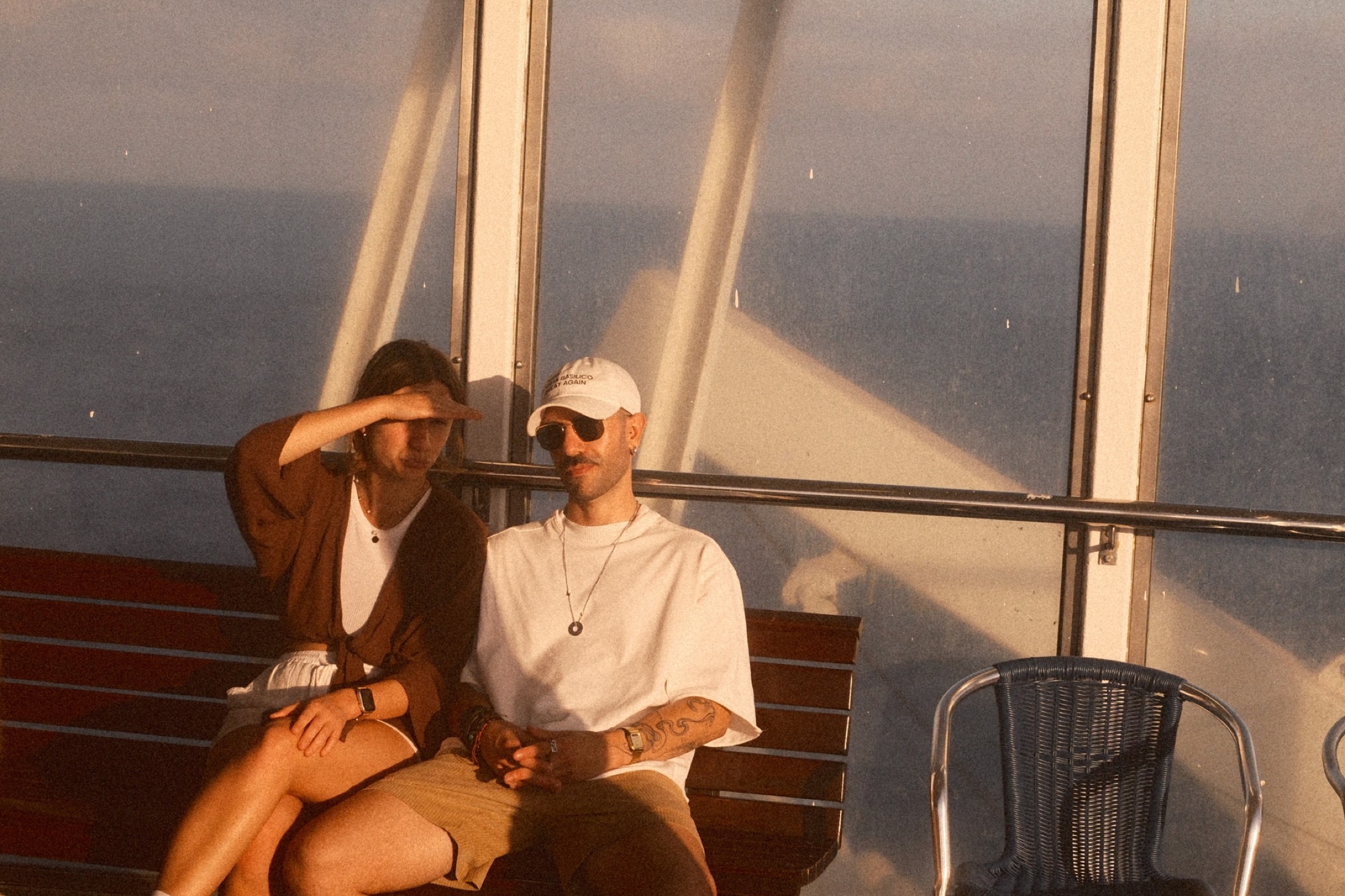
How We Started a Coliving with Zero Business Experience (And What Happened Next)
If you're reading this hoping for a step-by-step guide to launching a coliving business, I'm going to disappoint you.
We didn't have a business plan. We didn't run financial projections. We didn't research the market or identify our target demographic or build a minimum viable product.
We just cooked a lot of pasta for strangers until one day someone said, "Why don't you open a coliving?" and we looked at each other and said, "F*ck yeah, let's do it."
Three years later: 7 countries, 200+ guests, and more kilos of pasta than we can count.
Here's the real story. 🍝
It Started with an Italian Who Couldn't Help Himself
September 2022. Madeira, Portugal. A tiny village called Ponta do Sol that had become a magnet for digital nomads.
I'm Juls, Polish, Pilates mum energy, the one who comes up with delulu ideas. I was working as a community manager at a coliving on the island. Fabio showed up as a guest. He was a few days late and needed to catch up with the group somehow.
He's Italian. And apparently, Italians have a physical inability to see a kitchen without cooking in it.
First night, Fabio walks in, sees a bunch of nomads eating sad microwave noodles, and just... starts cooking. Nobody asked him to. Nobody was expecting it. He just pulled out ingredients and got to work.
People were confused at first. Why is this random Italian guy making us dinner? Is this a scam? Do we owe him money?
But then they tasted the pasta.
And then they came back the next night. And the next.
The Kitchen Became the Island's Hub
Within weeks, our place became the center of the social scene in Ponta do Sol.
Word spread fast on a small island. "There's these two people – an Italian and a Polish girl – and they cook every night. Just show up. Bring wine."
We'd have 20, 30 people crammed into the kitchen. We'd cook until midnight, skip sleep to organize activities the next day, nearly get fired from our actual jobs because we were too busy chopping onions and planning beach trips.
But here's the thing: we never felt tired. The energy we got back from those nights was insane 🥹 People laughing, wine flowing, strangers becoming friends over a shared meal. That's not work. That's the best part of being alive.
We'd accidentally discovered something that most colivings miss completely: community doesn't happen because you put people in the same building. It happens around a table, when you're chopping onions together, sharing a bottle of wine while the water boils.
Digital nomad meetups? Cringe. You sit with 2 people, explain what you do for a living, exchange LinkedIn profiles, and leave feeling more lonely than when you arrived. Networking events, icebreaker games, scheduled "community time" all feel forced.
But cooking? Cooking is the shortcut. Chop an onion with a glass of wine with some strangers and become best friends with them. It breaks down walls faster than any structured activity ever could.
"Why Don't You Open a Coliving?"
We started traveling again after Madeira. And everywhere we went, we did the same thing. Found a kitchen, invited people over, cooked ridiculous amounts of food.
Something weird kept happening: people wanted to come with us.
Friends would ask, "Where are you going next?" and then just... book flights. We'd mention we were thinking about spending a month in Sardinia and suddenly five people were researching Airbnbs in the area.
At some point, someone in our group shouted: "Why don't you just open a coliving?"
Another friend suggested: "Call it Casa Basilico – you always plant basil on the balcony anyway!"
We looked at each other.
No business model. No entrepreneurial experience. No financial projections. No idea how to actually run a hospitality business.
Just two people crazy enough to drop everything and say yes.
So we did. 💅🏻
The First Chapter: Sardinia (And Everything That Went Wrong)
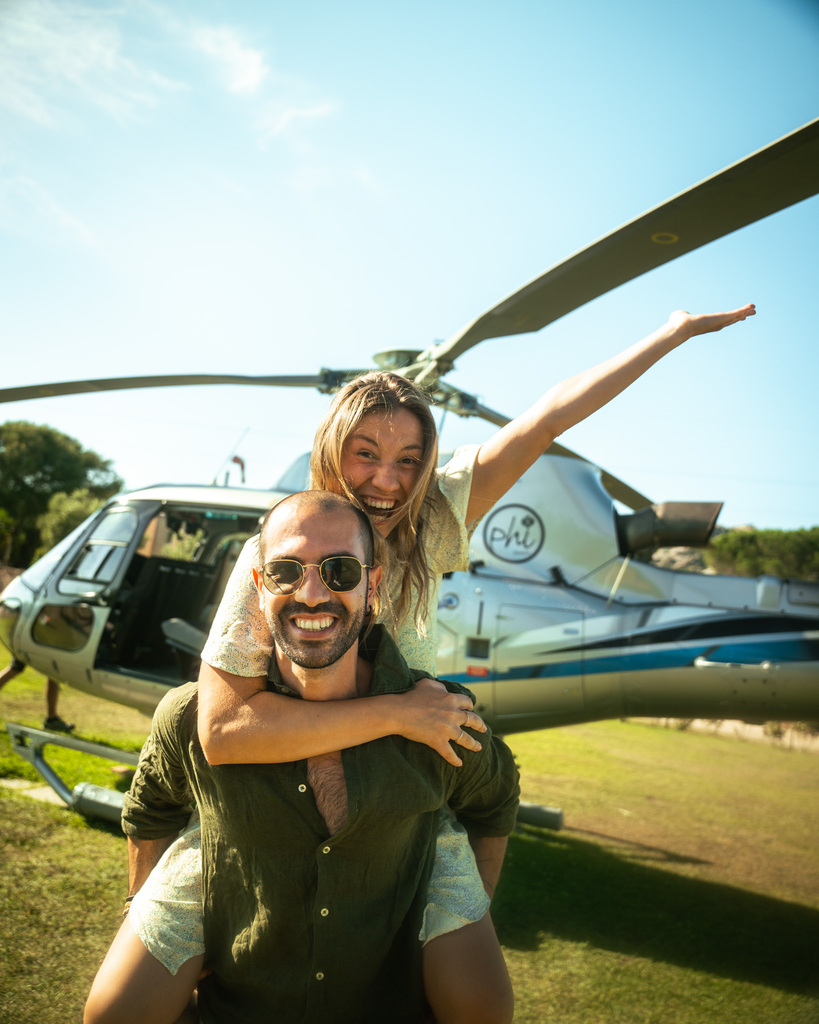
Our first real chapter was Sardinia. We rented this beautiful remote villa for three months. Used Fabio's grandfather's car. Thought we had it figured out.
Three months later: zero profit.
The internet died on a cloudy day. Our most basic amenity, the one thing remote workers actually need, just stopped working. Turns out a beautiful location means nothing if the fundamentals don't work.
Then we broke the car organizing a surprise weekend trip. Classic us 😅
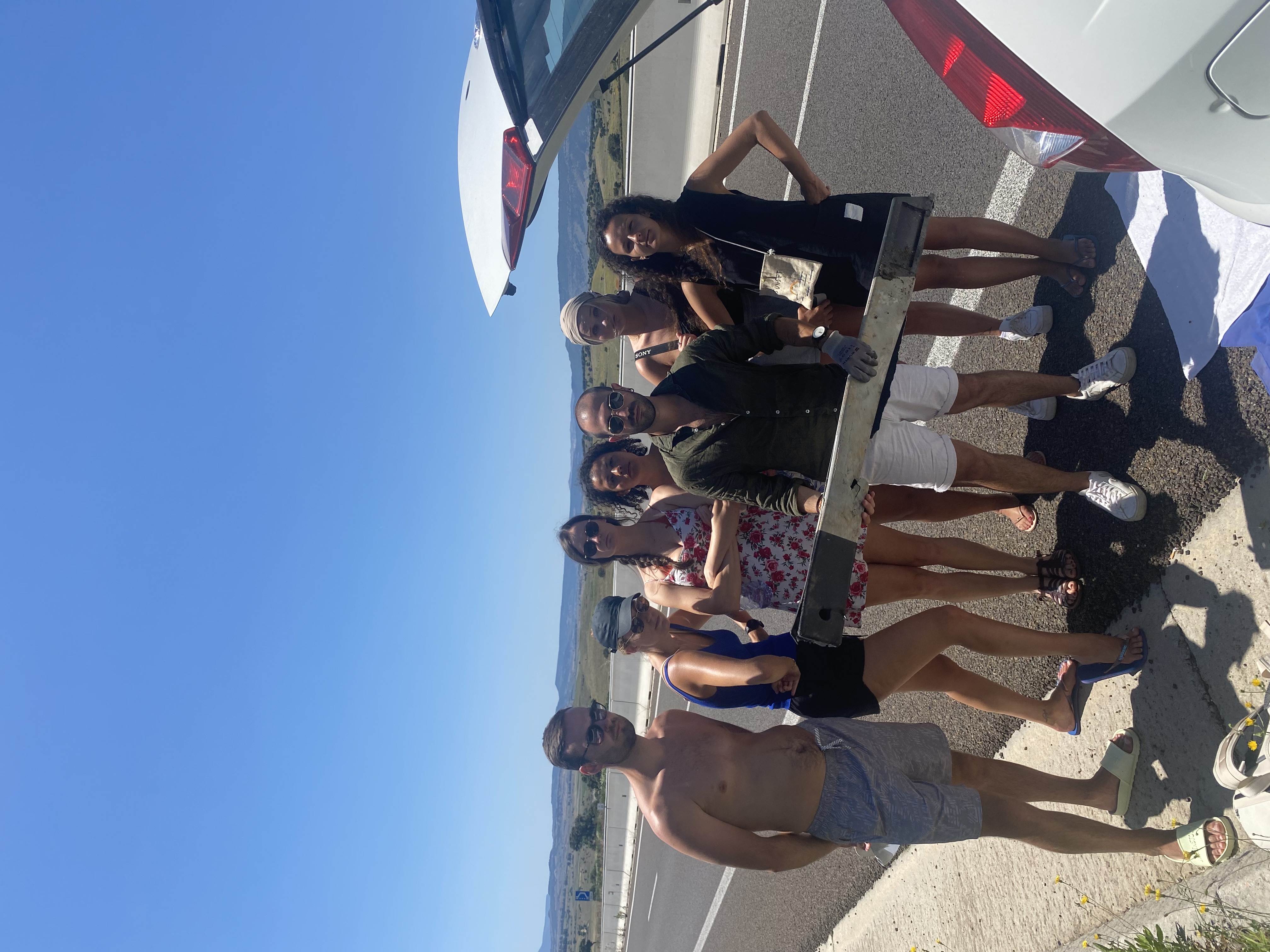
But here's the thing: we stopped on the highway, pulled our basil plant out of the trunk (we always travel with basil, obviously), played our favorite playlist on a phone speaker, and had one of the best spontaneous parties right there on the roadside.
Every guest from that chapter still remembers that moment.
Sardinia taught us everything:
Pick the right people. They make the experience work even when the WiFi fails. The guests who joined us for that highway party became lifelong friends. The ones who would have complained about the car breaking down? They weren't there, because we'd already started being selective about who we invited.
Have backups for everything. WiFi, power, logistics. We now have multiple systems for every essential. That zero-profit disaster built every operational system we use today.
The best memories come from adversity. People bond over shared problems, not fancy restaurants. Nobody remembers a month where everything went perfectly. Everyone remembers the night the power went out and we cooked by candlelight.
What We Actually Built (Without Meaning To)
By the time we finished Sardinia, we realized we hadn't just started a coliving. We'd started something different.
Most colivings are accommodation with community as an afterthought. They promise "family" and "connection" in their marketing, then deliver a shared house where people pass each other in the kitchen and never learn each other's names.
We did it backwards. We built the community first, around food, around the table, around the simple act of cooking together. The accommodation was just the excuse to get everyone in the same place.
Here's what we didn't do:
- No yoga schedule at 7am (okay, maybe sometimes, but it's optional and chaotic)
- No "networking hour" with name tags
- No hackathons or pitch nights
- No rigid programming that feels like summer camp for adults
- Nothing that looks like your company offsite with KPI evenings
Here's what we did:
- Cook together every single night
- Eat around one big table
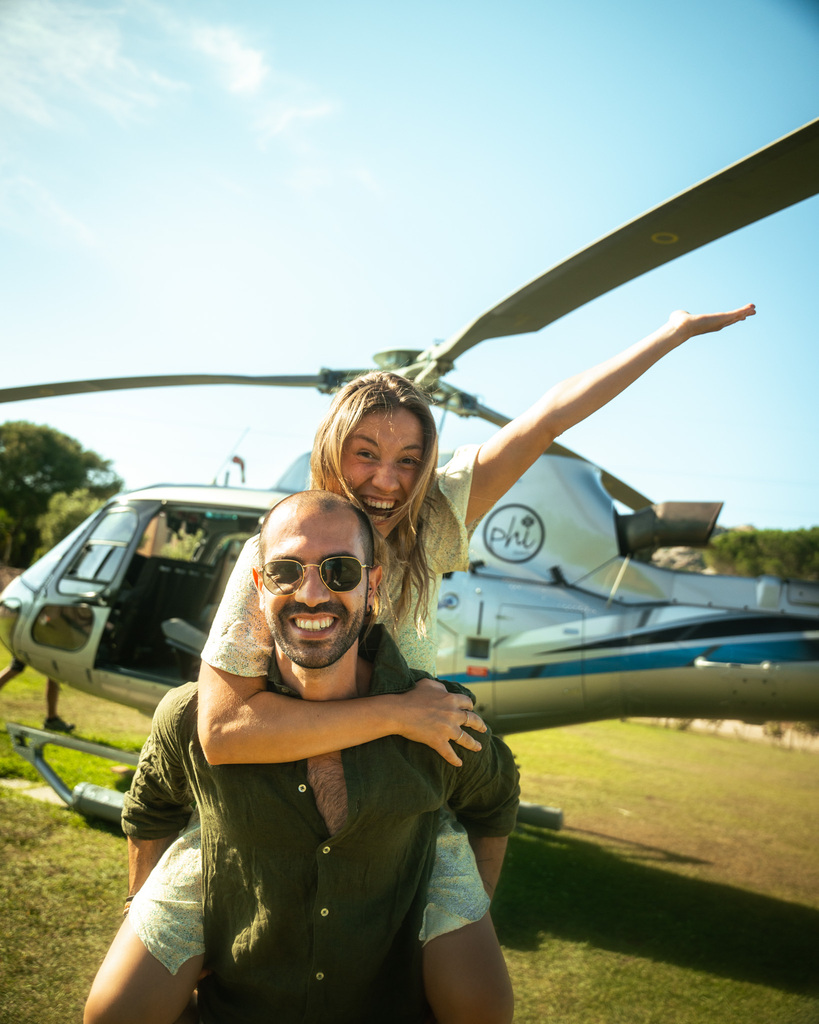
- Say yes to stupid ideas (hot air balloon at 5am? sure. Rent a villa we can't afford? maybe. Helicopters? maybe.)
- Organize surprise weekends where nobody knows where we're going or what will happen for the next 2 days
- Put guests in very uncomfortable situations and pray we don't get arrested 😏
- Treat every guest like a friend, not a customer
The first approach builds a coliving. The second builds a family.
The Numbers Nobody Told Us About
Since we're being honest: the coliving business is brutal.
Everyone sees the Instagram posts: beautiful locations, happy people, sunset dinners. Nobody sees the 2am spreadsheets trying to figure out if we can afford the security deposit on the next property.
Here's what the reality looks like:
The margins are thin. Depending on the destination, 40-60% of what guests pay goes directly to costs: accommodation, coworking, transport, supplies. In some chapters, we've operated at 10% margin. Not 10% profit on investment. 10% margin. Period. Still on a mission to make coliving business profitable, good luck to us 🥲
Seasonality is real. Summer is brutal. Digital nomads go home for weddings, family visits, regular-people vacations. July and August bookings are always a struggle.
You can't scale like a normal business. Our product is the community. The community depends on us being there, cooking, hosting, creating the vibe. You can't franchise authenticity. You can't hire someone to be you.
Burnout is the real competitor. Other coliving founders burn out and close within a year or two. The operational complexity, the emotional labor of hosting, the constant travel: it catches up with everyone. We're just two humans doing everything, never closing our laptops. It's exhausting. But also? We wouldn't trade it.
So why do we keep doing it?
Because Edgaras.
The Shy Guy Who Became the Life of the Party
Edgaras showed up to our Madeira chapter as the quietest person in the room. Lithuanian, had just moved to Amsterdam for work, knew absolutely no one.
Every day we'd drag him into things. Come help cook. Sit with us. Try this wine. Talk to that person. He'd resist a little, then give in. Day after day, bit by bit.
By the end of that first chapter, he was making cocktails for the whole house. Singing karaoke (badly, but loud). Starting conversations instead of avoiding them.
He joined four chapters with us.
In Brazil, he DJ'd our boat party 🎧 This shy guy from Lithuania who showed up terrified in Madeira was now the life of the party. Everyone wanted to be around him. Everyone knew his name.
Before Casa Basilico: shy, lonely in a new city. After: confident, connected, in love, and genuinely happy.
We watched that happen. We helped make that happen.
That's why we keep doing it when we're exhausted and covered in tomato sauce at 2am wondering why we chose this life.
What We'd Tell Someone Starting a Coliving Today
If you're actually thinking about starting a coliving, here's what we've learned:
Don't start with a business plan. Start with a dinner party. Invite 10 people over, cook for them, see if you actually enjoy the chaos of feeding strangers. If you hate it, you'll hate running a coliving. If you love it, you might be onto something.
Your vibe attracts your tribe. We're loud, messy, warm, funny, obsessed with food. That's who we attract. Figure out who you are, lean into it, and let the wrong people self-select out.
The product is the people. Location matters. Amenities matter. But we've had incredible chapters in mediocre apartments and mediocre chapters in stunning villas. The difference is always who's in the room.
Learn to say no. Not everyone is a fit. The guest who needs a rigid schedule, who treats the coliving like a hotel with WiFi, who takes more than they give, will drain your energy and drag down the experience for everyone else. Protect your community by curating it.
Make peace with the financials. This is not a get-rich-quick business. You can build something sustainable, but it takes time, sacrifice, and a lot of chapters that barely break even. Do it because you love it, or don't do it at all.
Where We Are Now
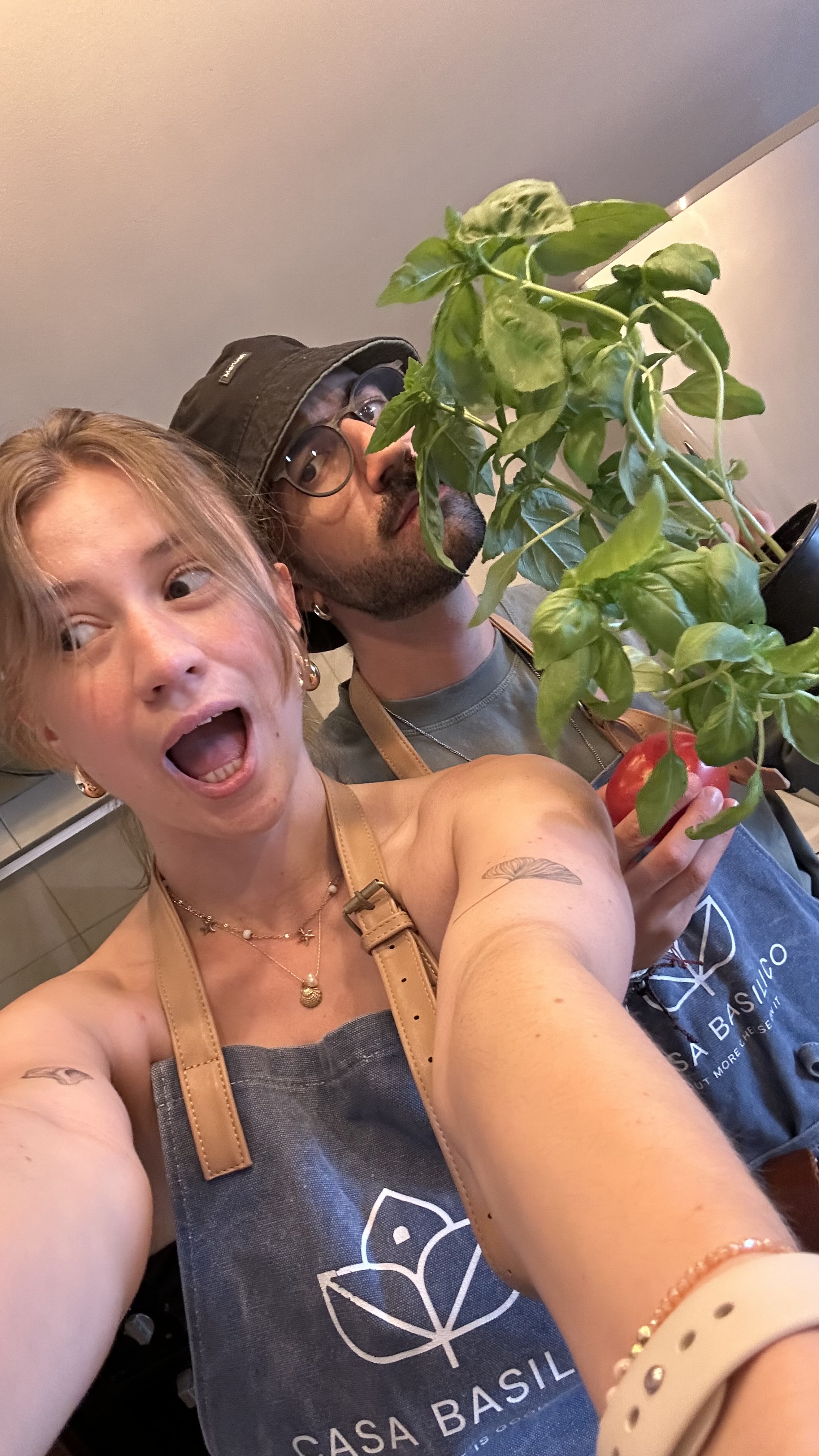
Three years since that first pasta night in Madeira.
7 countries. Brazil, Morocco, Portugal, Spain, Bulgaria, Sardinia, Mexico. Each one taught us something. Each one almost broke us in different ways. Each one created friendships that are still active in group chats today.
200+ guests who trusted us with a month of their lives. Some of them are still traveling together. Some of them fell in love. Some of them completely changed their lives because of a random month they decided to join two crazy people who cook too much pasta.
We're still only two people. We still do everything ourselves. We still cook every night, answer every DM, plan every surprise weekend.
We're not a company. We're not a brand, really. We're just Juls and Fabio, doing what we would have done anyway: traveling, meeting people, making way too much food, and inviting other people to come along.
If someone told us 3 years ago that we'd be traveling the world, hosting experiences for 100+ people, and making a living from pasta nights, we would have laughed 😆
And here we are, doing exactly this 💅🏻
Want to Come With Us?
We're not going to hit you with a sales pitch. That's not our style.
But if you read this and thought, "These people sound like my kind of crazy," maybe you should come to a chapter.
Not to "optimize your remote work experience" or "leverage a curated community of like-minded professionals" or whatever bullshit other colivings say.
Just to cook together. Eat together. Say yes to some stupid adventures. Maybe make some friends you'll still be texting years from now. Maybe have the best month of your life 🌞
There will never be a perfect moment. There will always be a reason to wait. If you're in middle age crisis, or freshly after a breakup, or just love to travel with crazy people, you're in the right place.
And if you're scared but curious... you're exactly where we were.

Spreading love through cooking & community.
© 2026 CasaBasilico OÜ (16850261)
All rights reserved.
Design & Branding by ahgoos.com
info@casabasilico.com