
Sardinia Travel Guide: Best Beaches, Food & Hidden Gems
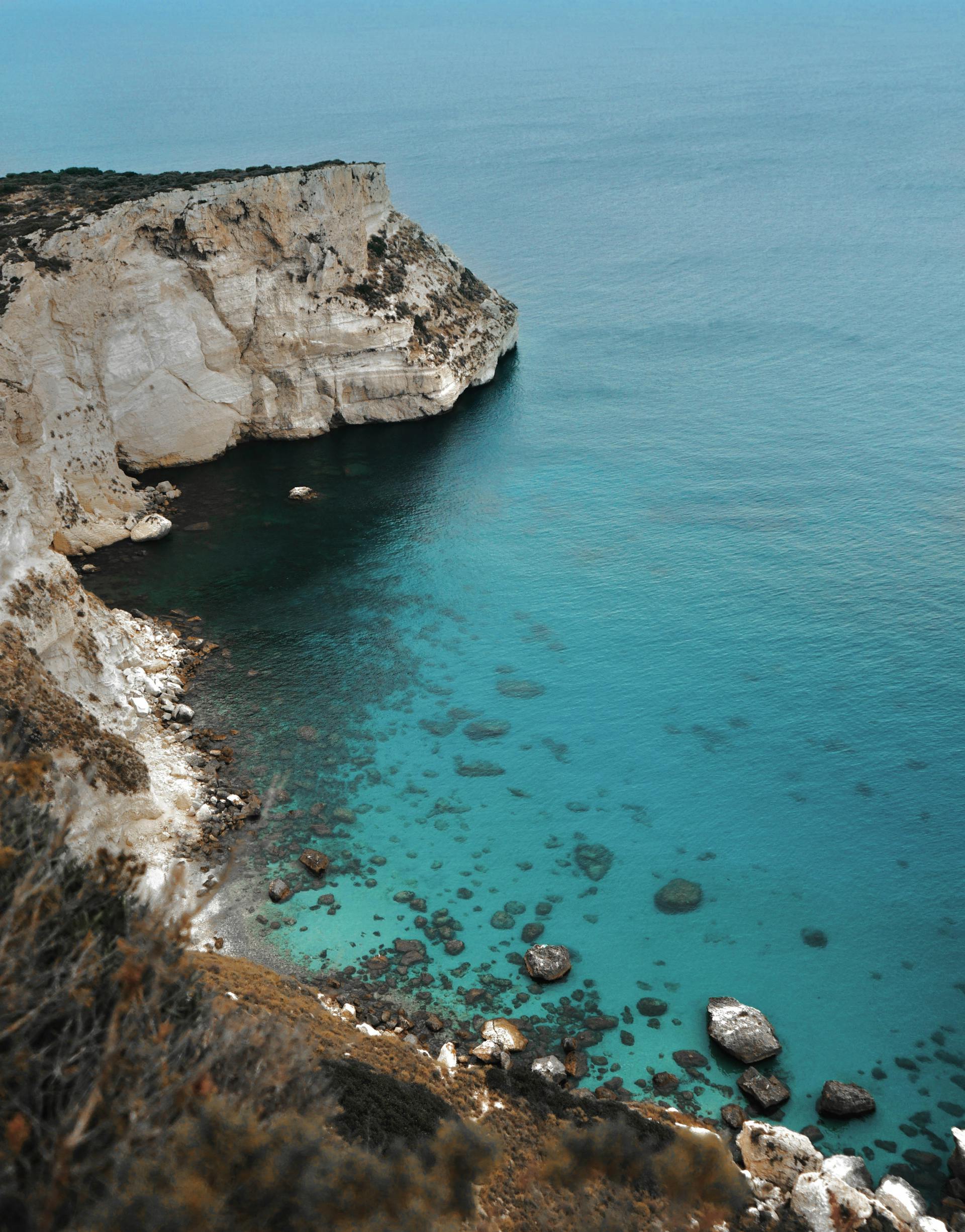
Sardinia Travel Guide: Best Beaches, Food & Hidden Gems (Local's Picks)
Sardinia is one of those places that ruins you for other islands.
The water is so clear it looks fake. The beaches could charge admission and people would pay. The food is the kind of Italian that hasn't been discovered by tourists yet – pecorino aged in caves, pasta stuffed by nonnas, wine from grapes you've never heard of.
We spent a full chapter here with Casa Basilico, and after weeks of exploring, eating, and getting very lost on mountain roads, we put together this guide. No tourist traps. No TripAdvisor top 10s. Just the spots we'd actually send our friends to.
Save this one. You'll need it. 🇮🇹
Best Beaches in Sardinia
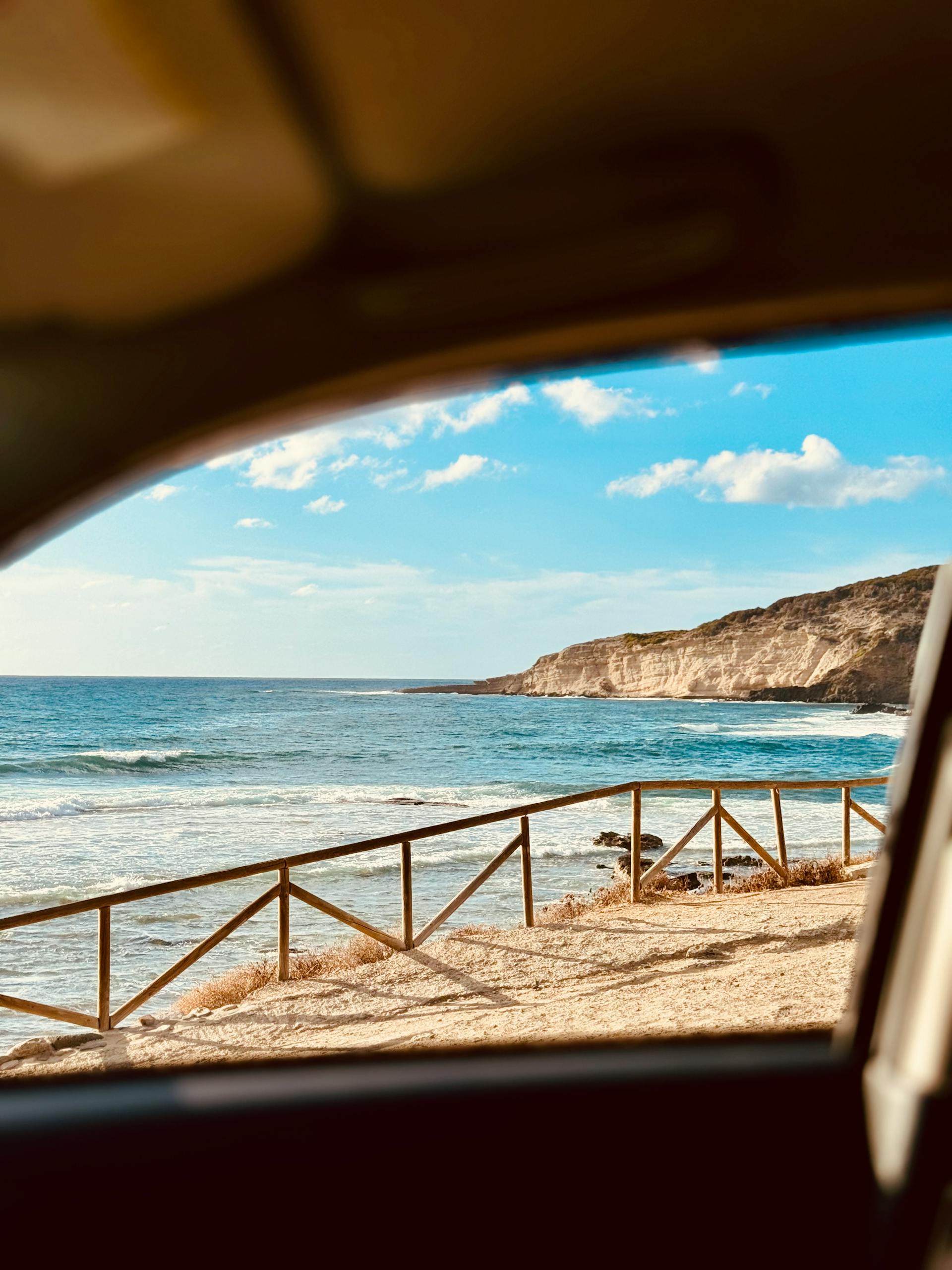
Sardinia has over 1,800 km of coastline. Not all of it is created equal. These are the beaches worth planning your day around.
1. Cala Goloritzé – Worth the Hike
The situation: You have to hike to get here. About 90 minutes down (and back up – that's the hard part). But when you arrive at this tiny cove with its famous limestone pinnacle and impossibly turquoise water, you'll understand why people make the effort.
Why it's worth it: This is the Sardinia beach that ends up on postcards. Crystal clear water, dramatic cliffs, no cars, no vendors, no crowds (the hike filters them out). It's protected as a natural monument, so swimming is the main activity – no boats allowed close to shore.
Pro tip: Start early. Bring water, snacks, and good shoes. The hike back up in afternoon heat is no joke.
2. Porto San Paolo – The Livable Beach Day
The situation: A small fishing village on the northeast coast, looking out at the island of Tavolara. Less dramatic than the famous beaches, but more livable – the kind of place you could spend a whole day without feeling like you're on a mission.
Why it's worth it: Beautiful water, good facilities, actual restaurants nearby, and views of Tavolara rising out of the sea. It feels like a real place, not a tourist attraction.
Pro tip: Take a boat to Tavolara for lunch. It's a tiny island with basically one restaurant and zero cars. Surreal and delicious.
3. Asinara Island – The Former Prison Paradise
The situation: A former prison island, now a national park. You need to book a boat or tour to get there. The beaches are wild, empty, and feel like you've discovered something you shouldn't have.
Why it's worth it: White donkeys roam free (seriously). The water is pristine. There's almost no development. It's one of the most unique beach experiences in the Mediterranean.
Pro tip: Book with a local charter service. Bring everything you need – there's minimal infrastructure on the island.
4. S'Archittu – For the Landscape Lovers
The situation: Named after a natural rock arch carved by the sea, this spot on the west coast is dramatic in a different way – rocky, wild, more about landscape than lounging.
Why it's worth it: The arch itself is stunning, especially at sunset. There's a small beach nearby, and the whole area feels raw and unpolished. Good for people who want scenery over sunbathing.
Pro tip: Walk along the coastal path for more arches and caves. The geology here is insane.
5. Spiaggia di Mari Pintau – Painted Sea (It Earns the Name)
The situation: "Painted Sea" – and it earns the name. A small beach near Cagliari with water that shifts through every shade of blue and green depending on the light.
Why it's worth it: Close to the capital, so easy to reach. Small and intimate. The colors are genuinely unreal – you'll take 400 photos trying to capture it.
Pro tip: Gets busy because it's accessible. Go early or late to have more space.
Where to Eat in Sardinia
Sardinian food is Italian, but it's also something else entirely. The island was isolated for centuries, and it shows in the cuisine – unique pastas, ancient cheeses, and flavors you won't find on the mainland.
Here's where we ate best.
1. Wikipizza, Dorgali – Yes, Vegan Cheese That Works
What it is: Pizza, but not as you know it. They use local ingredients, long fermentation, and – crucially – they have vegan cheese that actually works. In Sardinia. We were shocked too.
Why we love it: Creative toppings, excellent dough, and proof that you can do pizza differently without being pretentious about it. Good for groups with mixed dietary needs.
2. Turismo Rurale Filieri – The Meal That Changes You
What it is: An agriturismo – a working farm that serves food. You sit down, they bring you what they made that day, and you eat until you can't move. No menu. No choices. Just trust.
Why we love it: This is the meal that makes you understand Sardinia. Handmade pasta, local meat, cheese from their own sheep, wine from the property. We left different people. Someone in our group said it was "so good it makes you want to get pregnant." Direct quote. Not medical advice.
Pro tip: Book ahead. Come hungry. Cancel your dinner plans.
3. Sa Tanca e Bore – Serious Steak Energy
What it is: Serious steak. Sardinia has a strong meat tradition (the interior is all shepherds and livestock), and this place does it right.
Why we love it: If you want to understand Sardinian carnivore culture, this is the spot. Quality meat, simple preparation, big portions. Pair with Cannonau wine.
4. Locanda 45 – Refined Without the Attitude
What it is: A small restaurant doing refined Sardinian cuisine without losing the soul. Local ingredients, thoughtful preparation, intimate setting.
Why we love it: The kind of place where you can tell the kitchen actually cares. Good for a slightly nicer dinner without going full Michelin-star mode.
5. Framento – When You Need Something Light
What it is: Fresh, modern, ingredient-focused. A good counterbalance to all the heavy meat-and-cheese meals.
Why we love it: Light, bright flavors. Good vegetable dishes. Proof that Sardinian food can be fresh and seasonal, not just hearty.
Best Spots to See in Sardinia
Beyond the beaches, Sardinia has landscapes that don't make sense. Mountains that drop into sea. Ancient ruins older than Rome. Towns clinging to cliffsides. Here's where to point your rental car.
1. Gulf of Orosei
What it is: A stretch of coastline on the east side that's basically inaccessible by car. Towering cliffs, hidden coves, water so blue it hurts. You reach the beaches by boat or serious hiking.
Why it's worth it: This is the Sardinia that ends up in travel magazines. Cala Goloritzé, Cala Luna, Cala Mariolu – they're all here. Rent a boat for a day and explore.
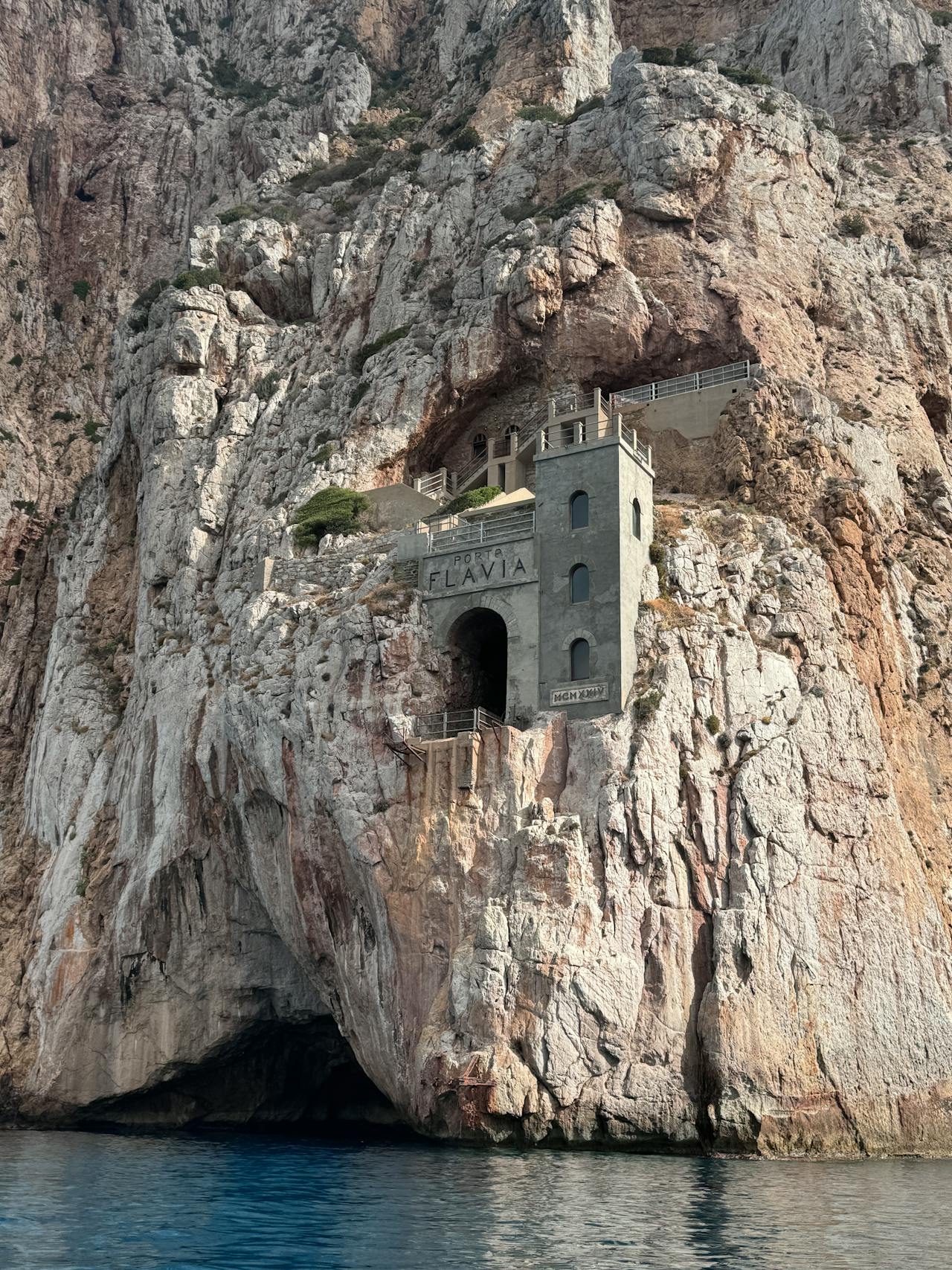
2. Porto Flavia
What it is: A 19th-century mining port carved into a cliff face. They used to load ore directly onto ships from tunnels inside the rock. Now it's a museum and viewpoint.
Why it's worth it: The engineering is wild. The views are stunning. It's a piece of industrial history in a setting that looks like a movie set.
3. La Maddalena National Park
What it is: An archipelago of islands off the northeast coast. Pink granite, crystalline water, beaches that look photoshopped.
Why it's worth it: Island hopping at its best. Take a ferry to La Maddalena town, rent a scooter, explore the smaller islands by boat. Caprera has Garibaldi's house and beautiful nature trails.
4. Cagliari
What it is: The capital. Ancient, layered, overlooking the sea. Roman ruins, medieval towers, Italian city life.
Why it's worth it: Sardinia isn't only beaches and countryside. Cagliari has history, museums, good food, and the energy of an actual city. The Castello district is beautiful for wandering.
5. Bosa
What it is: A small town on the west coast, painted in pastels, built along a river and up a hillside. One of the most photogenic places on the island.
Why it's worth it: Colorful houses, a ruined castle, good restaurants, and a pace of life that feels like time stopped somewhere in the 1970s. Perfect for a day or overnight.
Best Activities in Sardinia
You can absolutely just beach-hop and eat your way through Sardinia. But if you want to do more:
Wine Tasting in the Interior
What to know: Sardinia has indigenous grape varieties you won't find anywhere else – Cannonau (a rich red), Vermentino (crisp white), Vernaccia (amber wine). The wine culture here is ancient and still relatively undiscovered.
What to do: Visit a cantina (winery) in the interior. Many offer tastings with food pairings. It's low-key, affordable, and the wines are excellent.
Culurgiones Workshop (Sardinian Pasta Class)
What to know: Culurgiones are Sardinian stuffed pasta – little pouches filled with potato, pecorino, and mint, pinched closed in a distinctive pattern. They're an art form.
What to do: Take a pasta-making class from a local. Learn the pinch. Eat your creations. Go home with a skill you'll show off forever.
Rent a Boat for the Day
What to know: Many of Sardinia's best beaches are only accessible by water. Renting a small boat (no license needed for low-horsepower motors) gives you freedom to explore coves, swim in empty water, and avoid crowds.
What to do: Rent for a half or full day. Pack food and drinks. Anchor in a cove. Live your best life.
Helicopter Ride Over Gulf of Orosei
What to know: Yes, this is a splurge. But seeing those cliffs and coves from above is genuinely breathtaking. The scale only makes sense from the air.
What to do: Book a scenic flight. Bring a camera. Question all your previous travel priorities.
Hike to Tiscali
What to know: Tiscali is an ancient Nuragic village hidden inside a collapsed mountain. You hike through a gorge and up into a cave to find stone ruins that are thousands of years old.
What to do: Hire a guide or go with a group. The trail isn't obvious. Bring water, sturdy shoes, and a sense of wonder. It's one of the most unique historical sites in Europe.
When to Visit Sardinia
Peak season (July-August): Hot, crowded, expensive. Italians take their summer holidays here. Beaches are packed, prices are high, ferries sell out. Avoid unless you have no choice.
Shoulder season (May-June, September-October): The sweet spot. Warm enough to swim, thin enough crowds to enjoy, reasonable prices. This is when we'd go back.
Off season (November-April): Many beach facilities close. Weather is unpredictable. But the interior is beautiful, prices drop, and you'll have the island almost to yourself. Good for hiking, food, and wine – less good for beach life.
Getting Around Sardinia
You need a car. Public transport exists but is slow and limited. The good stuff is spread out. Rent a car, embrace the winding roads, and give yourself time to get lost.
Ferries: Boats connect to mainland Italy (Genoa, Livorno, Civitavecchia) and other islands. Book ahead in summer.
Flights: Airports in Cagliari (south), Olbia (northeast), and Alghero (northwest). Olbia is closest to Costa Smeralda; Cagliari is best for the south and interior.
The Sardinia Cheat Sheet
Best beaches: Cala Goloritzé (hike for it), Porto San Paolo (easy day), Asinara Island (adventure)
Best food: Turismo Rurale Filieri (life-changing agriturismo), Wikipizza (vegan options!), Sa Tanca e Bore (steak)
Best experiences: Boat day in Gulf of Orosei, culurgiones workshop, wine tasting in the interior
When to go: May-June or September-October
How long: Minimum one week. Two is better. A month and you might not leave.
Experience Sardinia with a Community
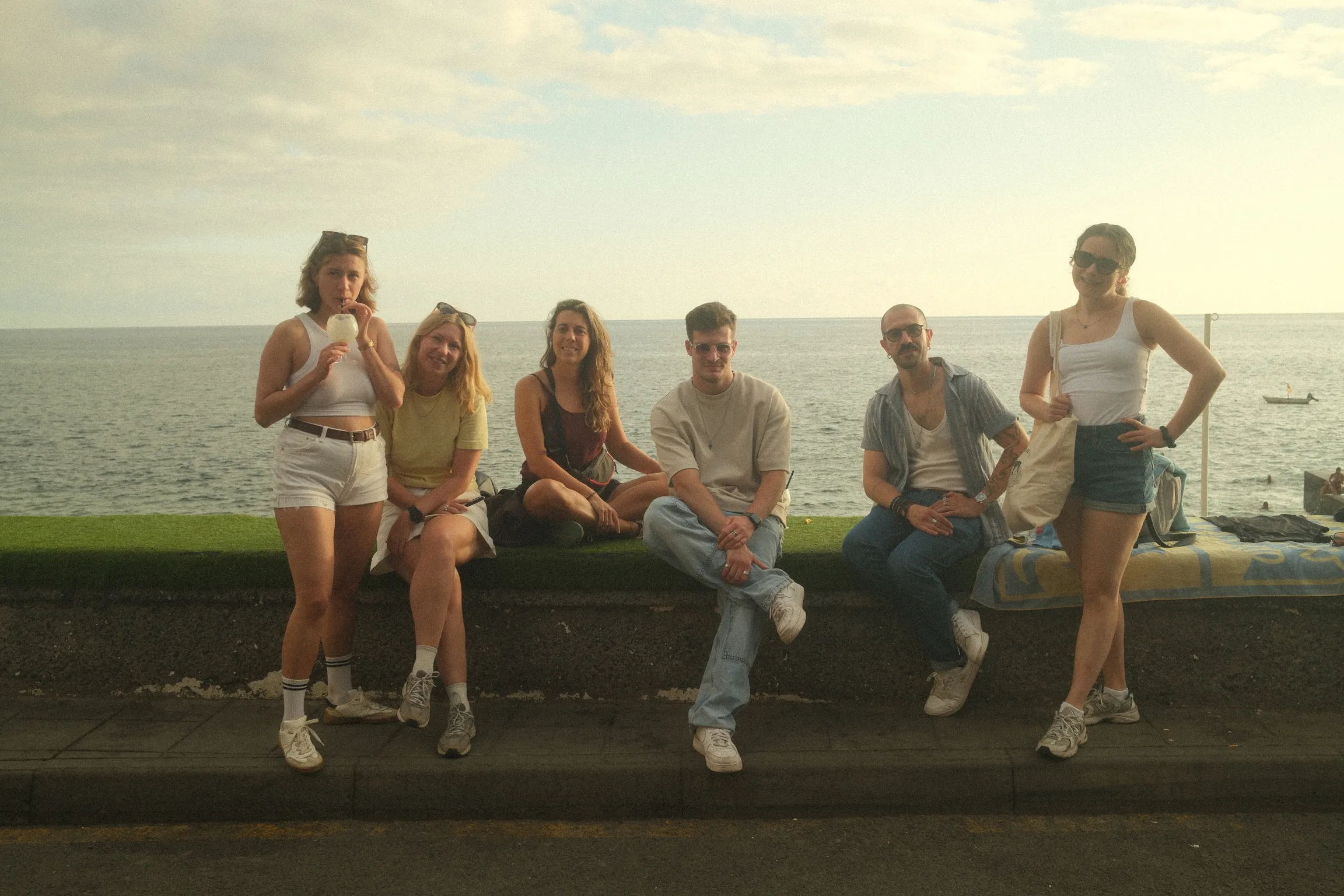
We discovered all of this during a Casa Basilico chapter – a month of living in Sardinia with a group of digital nomads who actually wanted to connect. We cooked together, explored together, and found spots we never would have found alone.
That's the thing about traveling with good people: you go further. Someone knows a guy. Someone heard about a beach. Someone convinces you to take the helicopter ride even though it seems crazy.
If you want to experience Sardinia (or our other destinations) with a built-in community – people to share the pasta, split the boat rental, and remember that sunset with – check out our upcoming chapters.
No tourist traps. Just local experiences. And way too much pecorino. 🧀
Reading about Italy? We're moving there in September.
Puglia chapter, Sep–Oct 2026. Trulli houses, burrata for days, and new friends around one big table. Spots are going.
Show me Puglia 🇮🇹

Spreading love through cooking & community.
© 2026 CasaBasilico OÜ (16850261)
All rights reserved.
Design & Branding by ahgoos.com
info@casabasilico.com