Mexico Digital Nomad Guide 2026: The Complete Guide to Living and Working Remotely in Mexico
There's a moment every digital nomad has in Mexico. You're sitting at a plastic table on a sidewalk somewhere, laptop closed for once, eating tacos that cost less than your morning coffee back home. A mariachi band is playing three streets over. The light is golden. And you think: why would I ever leave?
Mexico has a way of doing that to people.
This isn't just another "digital nomad destination." It's the country where people come for three months and stay for three years. Where the food alone is worth the flight. Where you can work from mega-cities, surf towns, colonial highlands, or jungle cenotes – all without crossing a border.
If you're seriously considering Mexico as your next base, this guide covers everything: visas, costs, cities, safety, internet, timing, and the honest stuff nobody tells you until you're already there.
Let's get into it.
Why Digital Nomads Keep Choosing Mexico
Mexico isn't trendy by accident. It keeps showing up on "best places to work remotely" lists because the fundamentals are genuinely strong:
Proximity to the US and Canada. If you're escaping a North American winter (smart move), Mexico is a 2-5 hour flight from most major cities. Same timezone or close to it. No 14-hour travel days to start your new life.
180 days without a visa. Most nationalities get up to six months on arrival. No embassy appointments, no proof of income, no paperwork. You land, they stamp your passport, you're in. (More on this below – it's not always guaranteed anymore, but it's still one of the easiest entries in the world.)
Cost of living that actually makes sense. You can live well here – not "budget backpacker" well, but "nice apartment, eat out regularly, weekend trips" well – for €1,300-1,800/month in most cities. In smaller towns, even less.
Variety that doesn't quit. Beach person? Jungle person? Big city person? Mountain town person? Mexico has all of it, often within a few hours of each other. You can change your entire lifestyle without changing your visa.
The food. Let's be honest. The food is a major reason. This isn't "Mexican food" like you know from home. This is regional cuisines, family recipes passed down for generations, markets overflowing with ingredients you've never seen, and a culinary culture that UNESCO literally declared a world heritage treasure.
A real community. Digital nomads have been coming here for years. The infrastructure exists – coworking spaces, coliving houses, Facebook groups, weekly meetups. You won't be figuring this out alone.
Escape the Winter: Why Mexico Is Perfect for North American Remote Workers
Let's talk about the elephant in the room.
If you're reading this from somewhere cold – Chicago in January, Toronto in February, anywhere that requires a parka – Mexico is calling your name. And it's not just about the weather (though yes, trading -20°C for 25°C and sunshine does something for your soul).
The timezone advantage is real. Mexico City is Central Time. Oaxaca, same. Even the beach towns on the coasts are only an hour off. You can work US or Canadian business hours without destroying your sleep schedule or missing every dinner with friends.
Flights are cheap and frequent. Direct flights from most major US and Canadian cities. We're talking $200-400 roundtrip if you book reasonably ahead. You can fly home for emergencies, holidays, or whenever you need to – this isn't Bali where "going back" is a 30-hour commitment.
Your money goes further. The peso has fluctuated, but Mexico remains significantly cheaper than the US or Canada for housing, food, transportation, and entertainment. That remote salary suddenly feels a lot more powerful.
You're not disappearing. Friends and family can visit easily. The cultural adjustment is gentler than Southeast Asia or Eastern Europe. You're still in North America – just the part with better tacos and no snow.
If you've been waiting for the "right time" to try the digital nomad thing, or you're tired of seasonal depression and heating bills, Mexico in the winter months isn't just a nice idea. It's a cheat code.
Mexico Visa Options for Digital Nomads
Tourist Entry (FMM) – Up to 180 Days
The simplest option, and what most digital nomads use:
You fill out a form on the plane (or online beforehand), land, show your passport, and immigration gives you a stamp with a number of days. Historically, that number was 180. Lately, officers have been more unpredictable – some people get 180, some get 90, some get 30. It depends on the officer, your answers, and possibly the weather that day.
Tips to maximize your days:
- Have a return flight booked (even if it's flexible or refundable)
- Know where you're staying and for how long
- Look like you have your life together (shallow but true)
- If you get fewer days than you wanted, you can sometimes extend at an INM office inside Mexico – but it's bureaucratic and not guaranteed
Technically, you're a tourist on this permit. You're not supposed to work for Mexican companies. Working remotely for clients or employers outside Mexico? That's a grey area everyone operates in, and it's generally fine in practice.
Temporary Resident Visa – The "Real" Option
If you want to stay longer than six months, come and go freely, and have actual legal status, the Temporary Resident visa is your path:
- Apply at a Mexican consulate in your home country
- Prove income (usually ~$2,500 USD/month) or savings (varies by consulate)
- Get approved, fly to Mexico, complete the process at INM
- Valid for 1 year initially, renewable up to 4 years
It's more paperwork, but it gives you peace of mind. No more counting days, no more "what if they only give me 30 days this time" anxiety.
Mexico doesn't have a branded "digital nomad visa" like Portugal or Spain, but the Temporary Resident visa functions the same way – and arguably with fewer restrictions.
Cost of Living in Mexico: Real Numbers
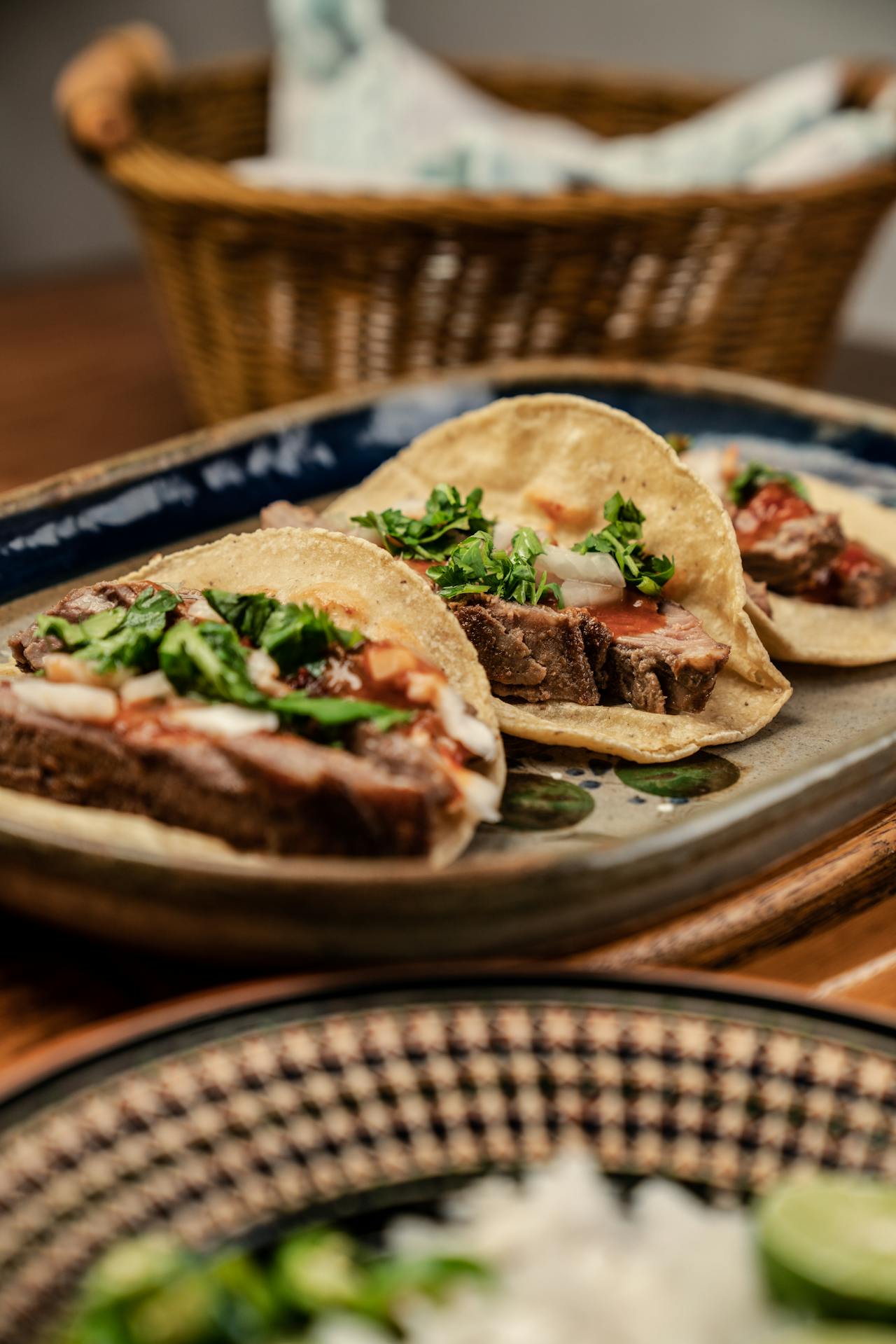
Everyone wants to know: how much will I actually spend?
Here's an honest mid-range budget for a single digital nomad in a popular hub (Mexico City, Oaxaca, Playa del Carmen, Mérida, Puerto Vallarta):
Monthly breakdown:
Rent: €500–900
One-bedroom apartment in a nice neighborhood, or a room in a quality coliving. Mexico City's Roma/Condesa and beach towns run higher. Oaxaca, Mérida, and smaller cities are on the lower end.
Groceries + markets: €150–250
If you shop at local mercados (which you should – the produce is incredible), you'll spend way less than imported supermarkets. Avocados for pocket change. Mangoes that taste like a religious experience.
Eating out + coffee + drinks: €200–400
Street tacos: €1-2 each. Nice sit-down dinner: €10-20. Fancy mezcal bar: €30-50. Specialty coffee: €2-4. You can eat like royalty here without destroying your budget.
Coworking / cafes: €50–150
Many cafes are laptop-friendly. Dedicated coworking runs €100-200/month for unlimited access. Some colivings include workspace.
Transport: €30–80
Mexico City's metro is €0.25 per ride. Uber is cheap everywhere. You won't need a car in most nomad hubs.
Fun, trips, experiences: €150–300
Weekend trips, mezcal tastings, cooking classes, cenote visits, surf lessons – this is why you're here.
Total: €1,100–1,900/month
Couples sharing rent often spend €1,400-1,800 total. If you're more frugal or in cheaper cities, €1,000/month is possible. If you want rooftop pools and tasting menus, budget €2,500+.
Best Cities in Mexico for Digital Nomads
Mexico's size means you have real options. Here's an honest breakdown of where nomads actually go – and who each place is best for.
Oaxaca City – The Soul of Mexico
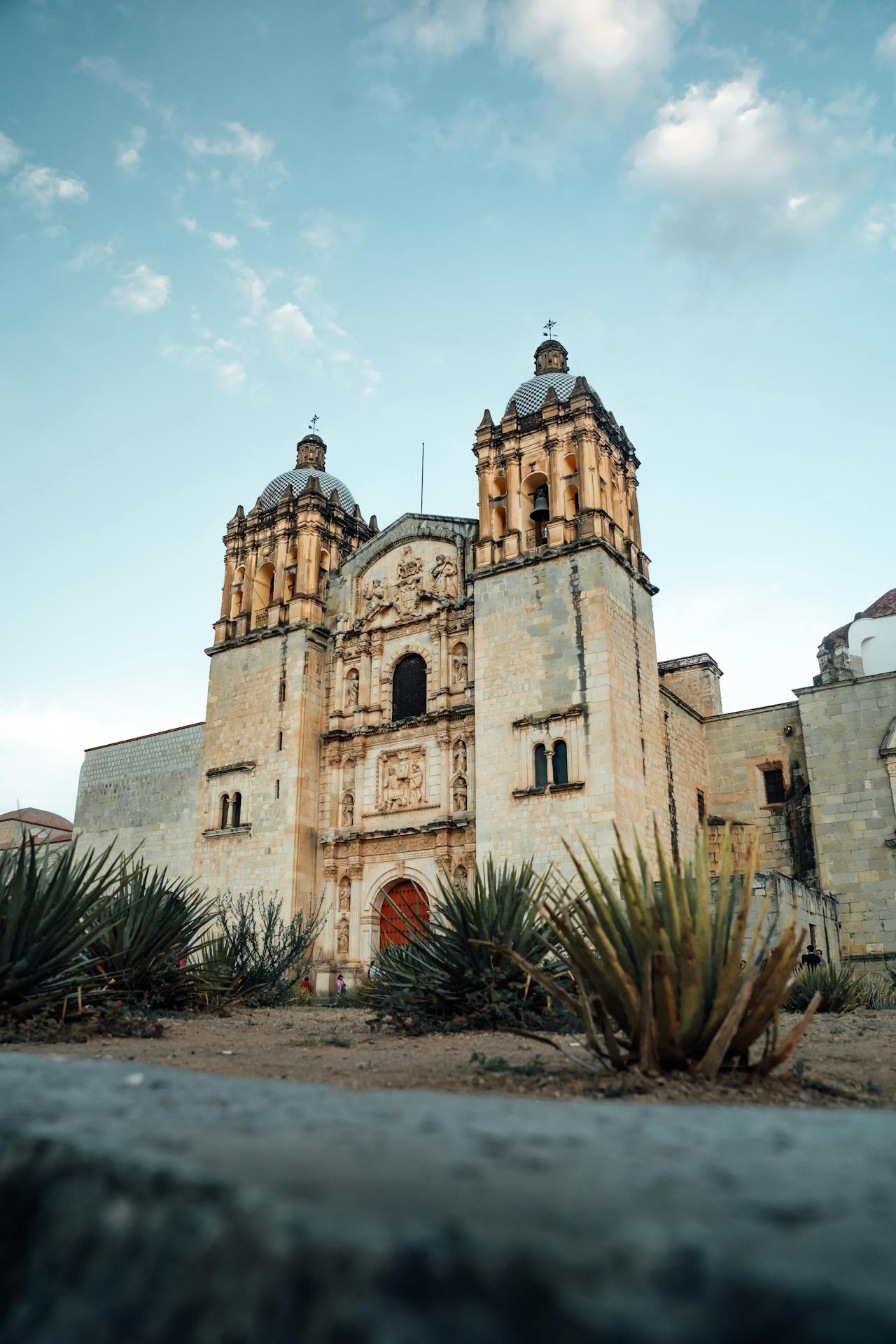
If you want to understand Mexico – really understand it – Oaxaca is where you go.
This isn't a beach town. It's not a mega-city. It's a mid-sized colonial city in the southern highlands, surrounded by mountains, known for having the best food in a country famous for food, and home to a creative, artistic, deeply cultural community that feels nothing like anywhere else.
Why digital nomads love Oaxaca:
The food scene is unreal. Oaxaca is the land of seven moles, tlayudas the size of your torso, chapulines (grasshoppers, yes, and they're delicious), chocolate made by hand, and mezcal distilled in family palenques outside town. You'll eat better here than almost anywhere on earth, and you'll spend almost nothing doing it.
The cost of living is genuinely low. Nice one-bedroom apartments for €400-600. Dinner for two with mezcal: €15-25. This is one of the most affordable quality-of-life places in Mexico.
The vibe is slower and deeper. Oaxaca attracts writers, artists, photographers, designers, and people working on creative projects. The energy is focused, not chaotic. You'll actually get work done here – and feel inspired doing it.
Culture is everywhere. Markets, galleries, street art, indigenous traditions, festivals (Guelaguetza, Day of the Dead), live music, mezcal tastings. You're not killing time between work sessions. You're living somewhere genuinely interesting.
The community is tight. Smaller than Mexico City's nomad scene, but warmer. People actually know each other. It's easy to make real friends, not just "we grabbed coffee once" connections.
Best for: Creatives, foodies, writers, anyone who wants depth over distractions, people who value culture and community over nightlife and beach clubs.
Watch out for: Internet can be inconsistent in some areas (check your Airbnb reviews or stay in a coliving with backup). Limited direct international flights – most people connect through Mexico City.
Mexico City (CDMX) – The Everything City
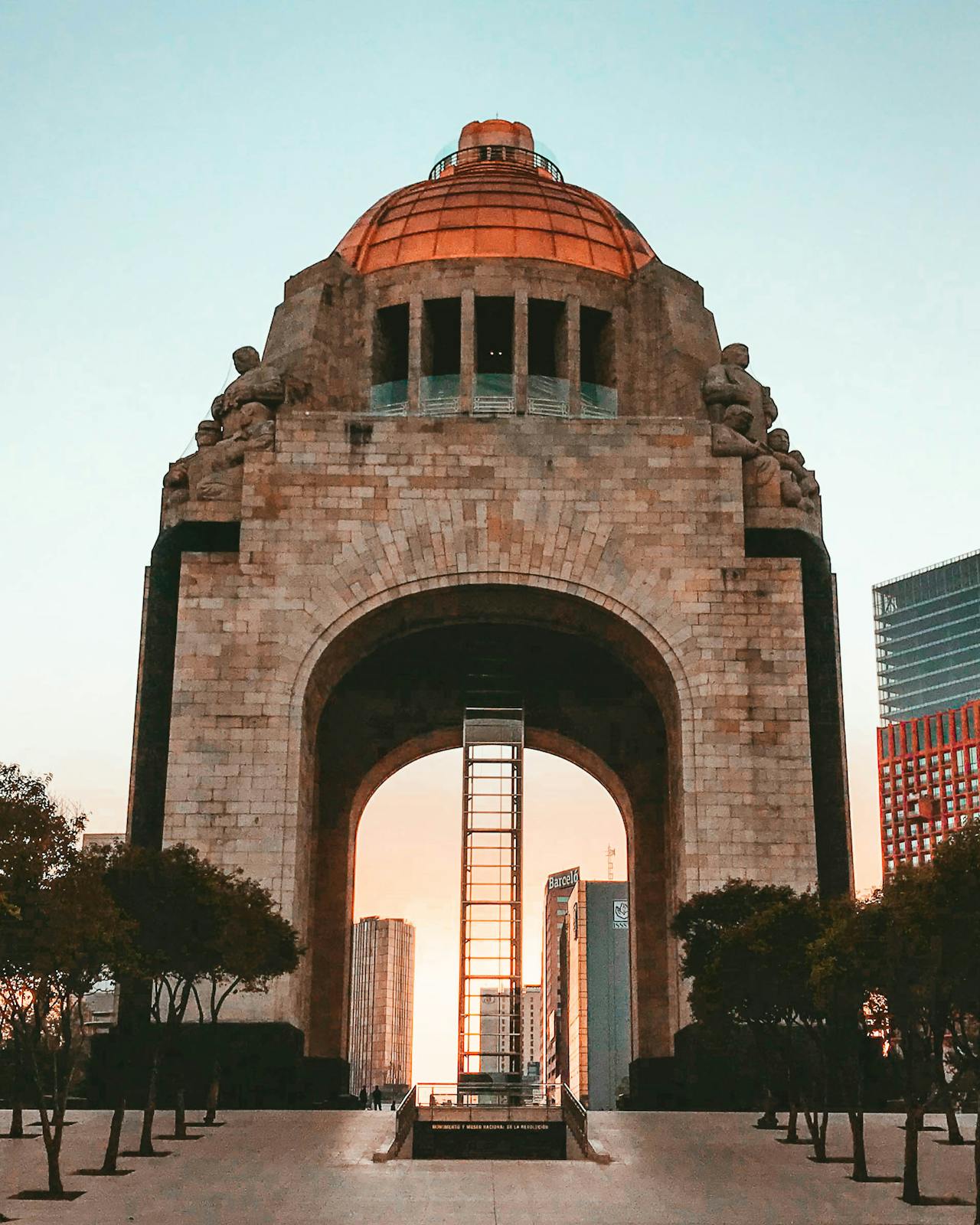
Mexico City is massive, chaotic, beautiful, overwhelming, and one of the most exciting cities on the planet. If you want big-city energy with world-class everything, this is it.
Why nomads come here:
- Neighborhoods like Roma, Condesa, and Juárez are genuinely walkable and livable – leafy streets, sidewalk cafes, parks, a European feel with Mexican soul
- The food scene is arguably the best in the Americas – street tacos to Michelin-starred restaurants
- Dozens of coworking spaces, fast wifi everywhere, laptop-friendly cafes on every block
- Cultural overload: museums, galleries, concerts, nightlife, markets, architecture
- Huge international airport with direct flights everywhere
Best for: People who love cities, want maximum options, enjoy going out, and don't mind noise and traffic.
Watch out for: It's intense. The size can be exhausting. Pollution is real. If you want peace and nature, you'll need to escape on weekends.
Playa del Carmen – Caribbean Coast Nomad Hub
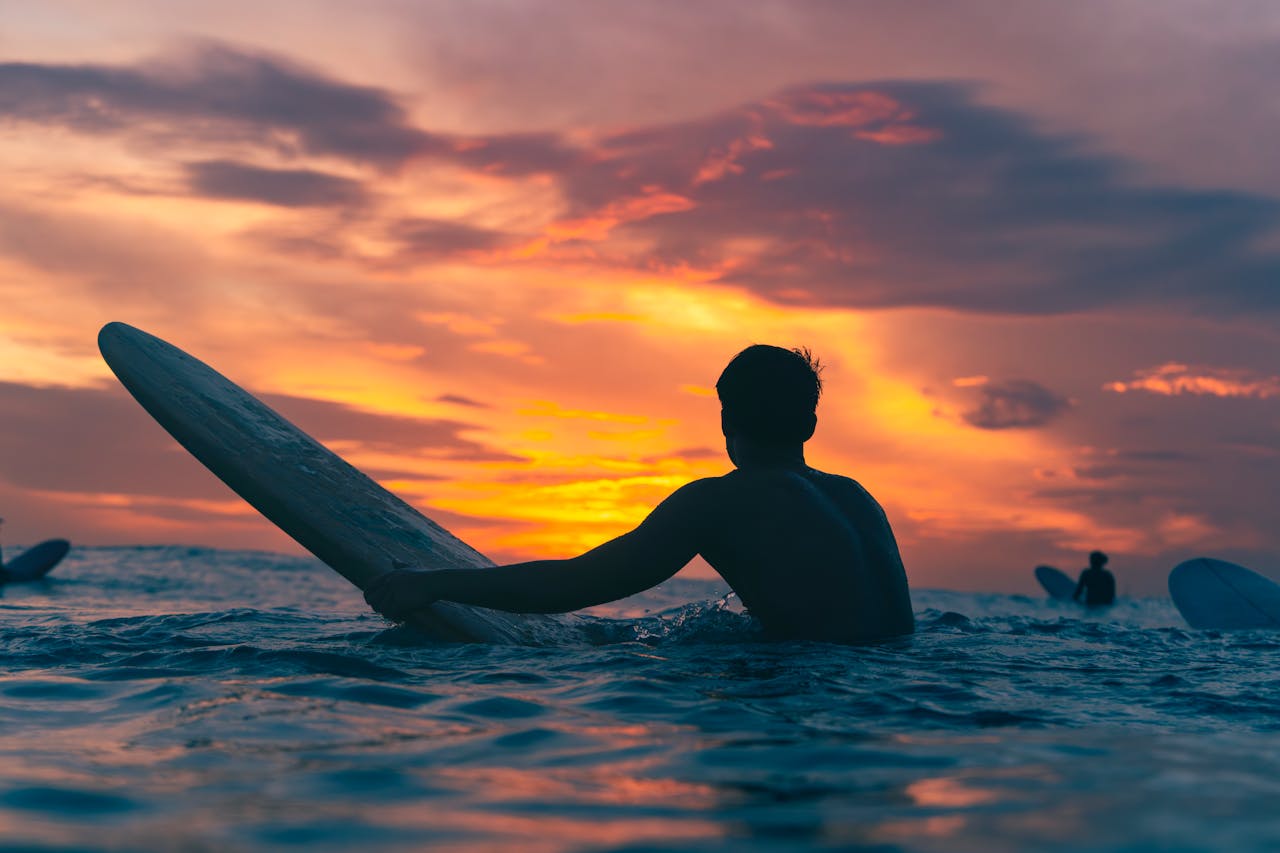
The classic "beach + laptop" destination. Playa has been a digital nomad hotspot for years – established infrastructure, big community, and you're a short walk from the Caribbean.
The appeal:
- Beach access without sacrificing wifi
- Lots of coworking spaces and coliving options
- Easy to meet other remote workers – the community is huge
- Cenotes, Cozumel, Tulum, and ruins are all close
The reality check:
- Prices have climbed significantly – it's not the budget option anymore
- Touristy, especially on 5th Avenue
- Hurricane season (June-November) means humidity and storms
- Some people find it lacks authenticity compared to other parts of Mexico
Best for: Beach lovers, social butterflies, people who want an established nomad scene.
Mérida – The Underrated Gem
Mérida is having a moment. This colonial city in the Yucatán is safe, affordable, beautiful, and increasingly popular with remote workers who want culture without chaos.
Why it's rising:
- Gorgeous colonial architecture, clean streets, very safe
- Hot but dry climate (unlike the humid coast)
- Affordable rent – still cheaper than most nomad hubs
- Growing coworking and cafe scene
- Gateway to Yucatán ruins, cenotes, and beaches
Best for: People who want colonial charm, safety, and value without the tourist crowds.
Puerto Escondido – Surf, Sun, Slower Pace
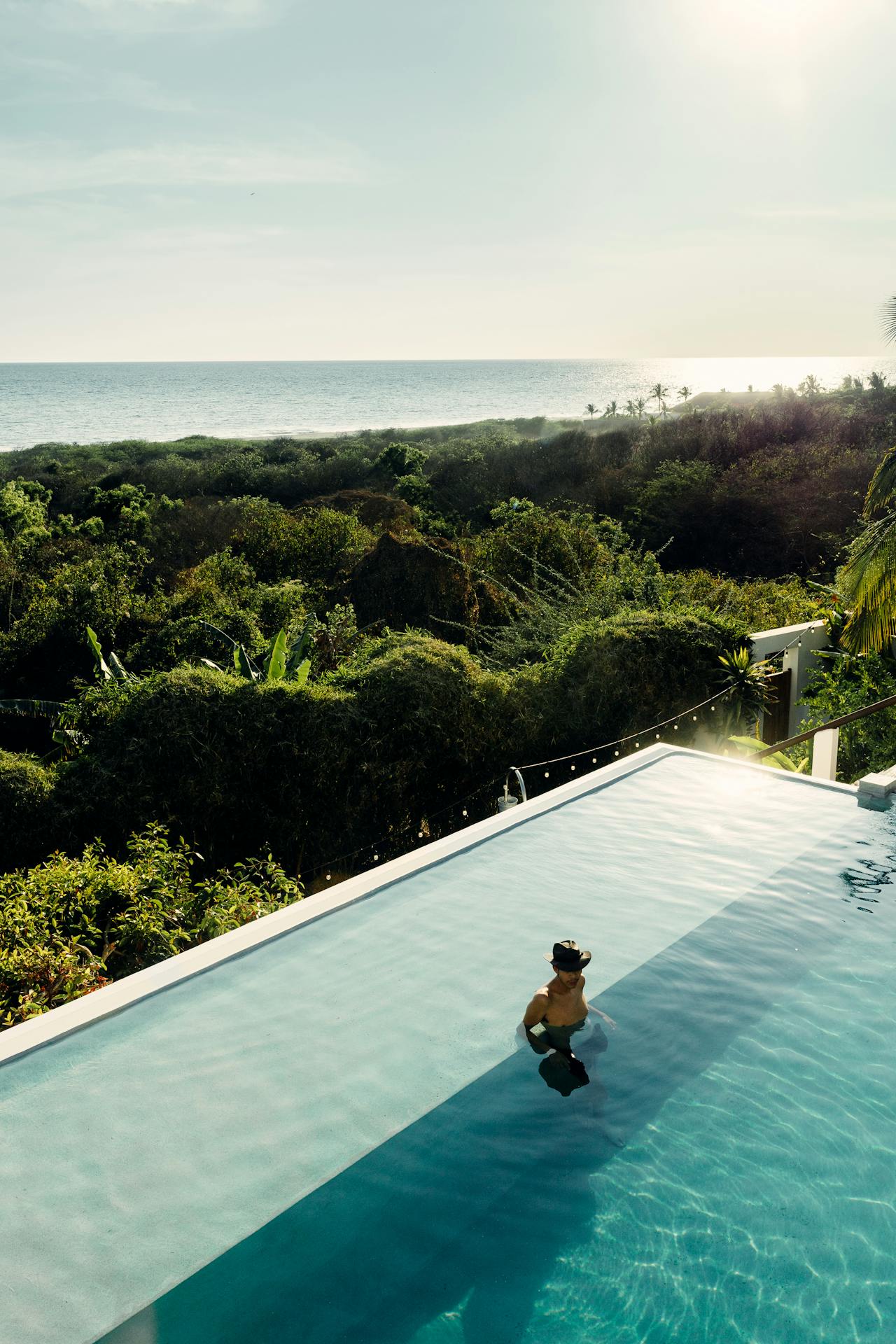
Oaxaca's beach. Serious surf town on the Pacific coast, increasingly popular with nomads who want ocean + chill vibes.
The vibe:
- World-class surf (Zicatela is legendary)
- More rustic and less developed than Caribbean coast
- Cheaper than Playa del Carmen
- Sunsets that make you want to cry
The tradeoffs:
- Internet is spottier – check accommodations carefully
- More isolated – small town, fewer options
- Very hot and humid
Best for: Surfers, beach lovers who don't need resort amenities, people escaping city life completely.
San Cristóbal de las Casas – Mountain Alternative
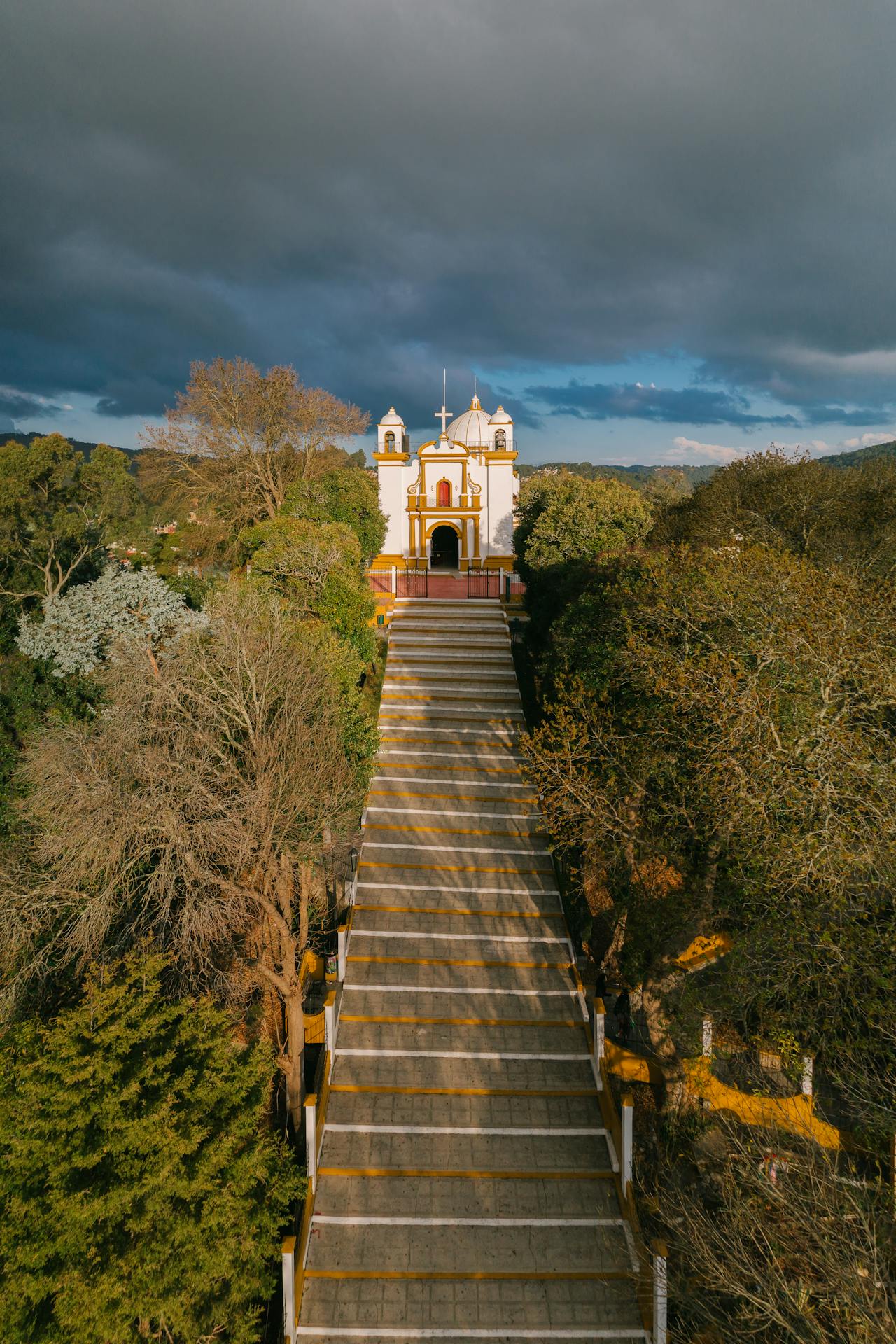
High in the Chiapas highlands, San Cristóbal is cool (literally – bring a jacket), cheap, and beloved by backpackers and alternative travelers.
The draw:
- Very low cost of living
- Indigenous culture, markets, nearby villages
- Chill, bohemian atmosphere
- Cooler climate than most of Mexico
Best for: Budget travelers, people interested in indigenous cultures, those who want off-the-beaten-path.
City Comparison: Which Mexico Is Right for You?
CityVibeCostInternetCommunityBest ForOaxaca CityCultural, creative, foodie paradise€€Good (with backups)Tight-knit, warmCreatives, foodies, deep experience seekersMexico CityIntense, exciting, cosmopolitan€€€ExcellentHuge, diverseCity lovers, maximum optionsPlaya del CarmenBeach party, established nomad hub€€€GoodLarge, socialBeach + laptop crowdMéridaColonial, safe, understated€€GoodGrowingCulture + safety + valuePuerto EscondidoSurf town, rustic, slow€VariableSmall, surf-focusedSurfers, beach escapistsSan CristóbalMountain, bohemian, alternative€BasicBackpacker/alternativeBudget travelers, culture seekers
Mexico vs. Other Digital Nomad Destinations
Considering Mexico but also looking at other countries? Here's how it compares:
Mexico vs. Portugal
Portugal wins on: Schengen access, digital nomad visa, European base, milder summers
Mexico wins on: Lower cost of living, easier entry (no visa needed for most), US/Canada timezone, warmer winters, larger country with more variety
Bottom line: Portugal if you want a European base. Mexico if you want better value, easier logistics from North America, and a completely different cultural experience.
Mexico vs. Colombia
Colombia wins on: Even lower costs in some areas, also great food, growing nomad scene in Medellín
Mexico wins on: Easier entry (180 days vs 90), better infrastructure, more variety, closer to US/Canada, arguably safer in nomad areas
Bottom line: Both are excellent. Mexico if you want longer stays, more options, and easier flights home.
Mexico vs. Thailand
Thailand wins on: Even cheaper, beaches, Southeast Asia access, great infrastructure in Chiang Mai and Bangkok
Mexico wins on: Timezone (huge if you work US hours), proximity to home, longer legal stays, richer food culture (fight me)
Bottom line: Thailand if you're doing Asia or have flexible hours. Mexico if timezone matters and you want easier access to North America.
Internet and Coworking in Mexico
The wifi situation has improved dramatically. In major hubs, you'll usually find:
Apartments: 25-80 Mbps typical in good neighborhoods. Always check reviews for wifi complaints before booking.
Coworking spaces: 100+ Mbps common, especially in Mexico City. Prices run €80-200/month for unlimited access.
Cafes: Hit or miss. Mexico City, Oaxaca, and Mérida have plenty of laptop-friendly spots with solid wifi. Beach towns are less reliable.
Backup options:
- Local SIM cards (Telcel or Movistar) are cheap and work well for hotspotting
- eSIMs (Airalo, Holafly) are convenient for your first days
- Good colivings usually have fiber internet with backup connections
Red flags: Very small beach towns, jungle areas, and anywhere "off-grid" may have unreliable power and internet. If connectivity is critical, stick to established hubs or stay somewhere specifically designed for remote workers.
Safety in Mexico: The Honest Version
Let's address this directly, because you're going to read scary headlines.
Yes, Mexico has violence. Yes, cartel activity is real. No, that doesn't mean you'll experience it as a digital nomad in established areas.
The reality for most nomads:
- Popular destinations (Mexico City's Roma/Condesa/Polanco, Oaxaca Centro, Playa del Carmen, Mérida) are generally safe for daily life
- Crime that affects tourists is usually petty theft – pickpockets, phone snatches, opportunistic stuff
- Violent crime exists but typically doesn't target random foreigners walking around nomad neighborhoods
Common sense rules:
- Use Uber/DiDi at night instead of street taxis
- Don't flash expensive gear in crowded areas
- Ask locals which neighborhoods to avoid – every city has "no-go" zones
- Trust your instincts – if something feels off, leave
- Keep copies of important documents separate from originals
Most long-term nomads describe feeling safe in their day-to-day lives. The anxiety usually fades after the first few weeks once you learn the rhythm of your city.
If you're brand new to Latin America, starting in Mexico City's expat neighborhoods or Oaxaca's centro histórico is a gentle way to ease in.
Best Time to Visit Mexico as a Digital Nomad
Mexico's size means different climates across regions, but some patterns help:
November – April: Dry season, peak season
- Best weather almost everywhere
- Higher prices, more crowds
- Perfect if you're escaping North American winter
- March-April is particularly ideal: dry, warm, not yet crazy hot
May – October: Rainy season
- Afternoon storms in many regions (mornings often clear)
- June-November is hurricane season on Caribbean/Gulf coasts
- Lower prices, fewer tourists
- Still workable, especially in highland cities
Highland cities (Oaxaca, Mexico City, San Cristóbal): Mild year-round. Think eternal spring with cool evenings. These are comfortable any time of year.
The sweet spot: February through April gives you great weather, post-holiday prices dropping, and you avoid the intense heat of late spring. If you're planning a longer stay, this is the window.
Practical Tips Before You Go
Accommodation:
- Check wifi speed mentions in Airbnb reviews – this matters more than photos
- Book your first week somewhere reviewed by other remote workers, then explore and move
- Facebook groups ("Digital Nomads Mexico," "Expats in [City]") have housing listings and roommate searches
- Long-term stays (28+ days) usually get significant discounts
Money:
- Pesos are king – many small places don't take cards
- ATMs: use bank ATMs inside branches when possible, not street machines
- Wise or Revolut for good exchange rates
- Always have some cash backup
Health:
- Travel insurance: SafetyWing is popular among long-term nomads
- Pharmacies are everywhere and many medications are available without prescription
- Tap water: stick to bottled or filtered in most places
- "Montezuma's revenge" is real but usually passes quickly – wash your hands, be careful with street food at first, let your stomach adjust
Language:
- Spanish helps enormously – even basic phrases make daily life easier and locals appreciate the effort
- You can survive with English in major tourist areas, but you'll miss a lot
- Mexico is a great place to learn – immersion schools in Oaxaca, CDMX, and other cities are popular and affordable
Who Mexico Is Perfect For
You'll love it if you're:
- A remote worker from US/Canada wanting timezone-friendly, weather-friendly escape
- A food person – you care about what you eat and want culinary adventures
- Someone who wants variety – change cities every few months without visa drama
- A first-time digital nomad looking for somewhere established but affordable
- Anyone burned out on expensive, crowded, or played-out nomad destinations
It might not be for you if:
- You need perfect, 100% reliable internet in remote locations
- You're uncomfortable with any level of language barrier
- You want sterile, predictable, everything-in-English experiences
- You're not willing to adapt to a different pace and style
Ready to Experience Mexico?
Here's the truth: Mexico isn't a place you "visit." It's a place that gets under your skin.
People come for a month and stay for a year. They come for the tacos and stay for the community. They come to work remotely and end up finding something that feels more like home than wherever they came from.
If you're thinking about making the move – especially if you're eyeing somewhere like Oaxaca, where the food, the culture, and the pace of life hit differently – stop overthinking it.
Book a month. See what happens.
And if you want to do it with a community already built in – people to cook with, explore with, and actually connect with from day one – check out our Oaxaca chapter. We're heading there in spring 2026, and we'd love to have you at the table.
Nos vemos pronto. 🇲🇽
Cities to Explore in Mexico
If you're picking a base, these are the spots worth your month:
We're basically a dinner party that travels.
Pop-up coliving for remote workers who like good food and better company. One month minimum, friendships that outlast the visa.
Pull up a chairDigital Nomad Visa
Most digital nomads start with the 180-day tourist permit given on arrival to many passport holders (though the exact number of days is always at the immigration officer’s discretion and 180 is no longer guaranteed). For longer stays, Mexico’s Temporary Resident Visa works as a practical “digital nomad visa”: it’s usually granted for 1 year and can be renewed for up to 4 years if you meet the income or savings requirements set by the consulate. Always check the latest rules on official government sites or your local Mexican consulate before you plan a long-term move.