
Best Coliving Spaces for Digital Nomads in 2026

The best coliving spaces for digital nomads in 2026 combine reliable internet, a genuine community, and a location worth living in. Not just crashing in while you wait for your next flight. The market has exploded since COVID: there are now hundreds of options globally, ranging from polished hotel-style chains to community-run pop-ups where you share a kitchen with 12 strangers who become your people. The ones worth your money share a few non-negotiable traits: upload speeds above 25 Mbps, communal kitchens people use, hosts who care more about the experience than the thread count, and a guest mix that leans toward long-termers rather than weekend tourists. Based on real pricing, guest reviews, and what's actively operating in 2026, standout picks include pop-up foodie colivings like Casa Basilico in Oaxaca, community-driven spots like Outsite, and nomad-friendly chains like Selina. Each is built for a different kind of traveler.
Yes, we run one of the colivings on this list. Yes, we're biased. We'll try to be honest anyway.
Why is coliving booming in 2026?
The numbers tell the story. There are now an estimated 20,000+ coliving beds worldwide, a figure that's grown roughly 400% since 2020 (JLL Global Coliving Market Report, 2024). MBO Partners estimated 18.1 million Americans worked remotely and traveled in 2024, a number that keeps climbing as remote-first companies stop being the exception and start being the default for tech, marketing, and creative work.
The math is simple. A furnished apartment with decent WiFi in Lisbon or Mexico City runs $1,500-2,500/month when you factor in utilities, setup costs, the security deposit you'll spend a month chasing, and the sheer logistical overhead of starting from scratch every time you change cities. A good coliving covers all of that, plus people to eat dinner with on your first night.
That last part isn't small. Buffer's 2024 State of Remote Work found that 22% of remote workers cite loneliness as their biggest daily challenge. A coliving can solve that, or make it dramatically worse if you end up in one with no soul and guests who keep their headphones on from 8am to midnight. Hence: this article.
What actually makes a coliving worth the money?
Before we get to specific places, a few things to look for:
Internet that works for calls. This means symmetrical speeds: download AND upload above 25 Mbps. Most hosts quote download speed because it's the bigger number. Always ask about upload. A Zoom call burns upload, not download. How fast does your WiFi actually need to be? has the full breakdown, including what "good enough" looks like for different kinds of remote work.
A communal kitchen people use. If the kitchen is a staging area for to-go containers and protein bars, you're not getting community. You're getting an expensive hotel with communal vibes in the listing photos. Look for hosts who mention shared cooking, communal dinners, or anything food-related in their descriptions. That's usually the signal.
Long-stay guests, not weekend tourists. You want to meet people who've been there two weeks and know the neighborhood, the best taco spot, and which corner of the house gets the best afternoon light. Not someone checking in Friday and out Sunday. Minimum stay policies of one week or more usually signal better community dynamics.
Hosts who are present. The difference between a great coliving and a slightly organized Airbnb is the human running it. If the host lives on-site or is genuinely involved in the day-to-day, you feel it immediately. If the entire booking flow is automated and you can't find a human name anywhere on the website, that tells you something.
A location that's livable. Proximity to a coworking cafe, a decent grocery store, and at least one restaurant you'd want to go back to twice. Some colivings look incredible on Instagram and are logistically miserable. Remote hillside houses with one shared car and a 40-minute drive to the nearest decent coffee are fun for a weekend, not a month.
The best coliving spaces for digital nomads in 2026
This isn't a comprehensive ranking of every coliving on the planet. It's our honest take on options that are running, doing good work, and worth your time in 2026.
Casa Basilico: Oaxaca, Mexico 🌿
We're going first because we know this one best. It's ours.
Casa Basilico is a pop-up foodie coliving that moves cities every few months. The current chapter is in Oaxaca, Mexico. The concept is simple: we take 15-20 remote workers, find a great house in a city worth living in, and build the kind of community that happens when good food and good people share a kitchen. No structured programming, no mandatory workshops, no retreat-isms. Just people, a proper kitchen, and a city that rewards curiosity.
What makes it different from most colivings is the food culture. Every chapter does communal dinners, shared cooking sessions, and a rotating cast of local markets, mezcal bars, and restaurants that become your regulars within a week. Oaxaca is already a UNESCO-recognized food destination, which means your baseline for eating well is absurd.
Pricing runs from €1,100/month (shared room, early bird) to €1,800+/month (private ensuite, full price). All-inclusive: accommodation, utilities, high-speed WiFi (80 Mbps symmetric at the current house), weekly communal dinners, and a community you'll miss when you leave. We know. People keep messaging us asking when the next chapter is.
The catch: we're selective with guests. We're not a hostel and we're not running a coworking hotel. We want people who want to connect, not just people who need a desk and a bed. That said, if you're reading an article like this one, you're probably the right kind of person.
Selina: Multiple locations worldwide
Selina is the Starbucks of coliving: you know what you're getting, it's mostly reliable, and it works in 100+ cities across Latin America, Europe, Asia, and beyond. If you need to be somewhere for a month and want guaranteed WiFi and a social scene without doing a ton of research, Selina delivers.
The experience varies enormously by location, though. Selina Oaxaca is solid. Selina Medellín is generally well-regarded. Some smaller properties feel like a budget hotel with a hammock bolted on. The brand is the floor, not the ceiling. Read reviews for the specific property, not the brand as a whole.
Pricing: $600-1,800/month depending on city and room type. Coworking is often sold separately, add $100-200/month if you need a dedicated desk. For digital nomads doing the Latin America circuit, the brand recognition makes logistics easier.
Best for: Nomads who value flexibility, global coverage, and don't mind a slightly transactional community atmosphere.
Outsite: US, Europe, and Latin America
Outsite targets the professional end of the market. Their houses are well-designed. The WiFi is tested and documented, and they publish actual speed test screenshots. The guest quality is consistently high.
The community is smaller and more curated than Selina: Outsite typically runs 8-15 guests per house, which means you're actually eating with people rather than passing strangers in a corridor. Their Santa Cruz, Lisbon, and Costa Rica locations are perennial favorites. The curation is real. These aren't people crashing for a week between hostels.
Pricing: $1,200-2,800/month. You're paying for quality of space, quality of community, and the fact that they've clearly done the operational work to make it run smoothly.
Best for: Nomads who want a professional community, well-designed interiors, and dependable infrastructure. Works well for people whose work requires reliable calls and focused deep work time.
Noma Collective: Premium pop-up experiences
Noma Collective operates at the premium end of the spectrum: curated pop-up colivings at $1,550-3,000/month. They've run excellent programs in Southeast Asia and Latin America, with a polished experience that includes structured activities alongside community. The guests tend to be senior professionals, founders, and people who want the coliving experience without any of the rough edges.
If you want workshops, organized excursions, and a host that's visibly running a program, this is worth looking at. If you'd rather have the freedom to find your own rhythm, it might feel slightly managed.
Best for: People who want structured programming alongside community and are happy to pay for the polish.
The Offsite: Surf-focused coliving
The Offsite has carved a specific niche for surf-first nomads. If your ideal morning starts at dawn in the water and you want a community of people who feel the same way, they're worth a look. Biarritz and Ericeira are their strongest locations. Pricing: $598-1,500/month.
That's the whole pitch. It's clear about who it's for, which is useful.
Best for: Surfers who happen to work remotely. The lifestyle is primary; the work infrastructure is secondary but functional.
Sun Desk: Morocco
Sun Desk in Morocco is one of the best value colivings for remote workers who want a different cultural experience. They've been running longer than most, which means the operational kinks are mostly worked out. The Taghazout location is beautiful: oceanfront, a community of regulars, and a setting that makes it easy to feel like you're somewhere, not just working from yet another generic house.
Pricing runs roughly $600-1,000/month all-in, well below comparable European options.
Best for: Nomads heading to North Africa who want community and a proper change of scenery, not just a change of timezone.
How much does coliving actually cost in 2026?
Cost breakdown by tier:
What's included varies enormously. Always check whether the price covers WiFi, utilities, communal meals, and coworking access, or whether these are add-ons. Some places list a low headline number and then charge separately for everything that makes coliving worthwhile.
For a full picture of nomad living costs beyond accommodation (health insurance, visa fees, coworking cafes, the stuff nobody warns you about), our 2026 digital nomad cost breakdown covers it all with real numbers.
Five questions to ask before you book
These will save you from a bad experience more reliably than any review site:
1. What's the upload speed, and can you show me a screenshot? Not download. Upload. Ask for fast.com or speedtest.net, not their word for it.
2. What's the guest capacity and minimum stay? Fewer than 5 guests is isolation. More than 25 is hostel energy. The sweet spot is 8-20. Minimum stays below one week usually mean high turnover and a community that never settles.
3. Do you do communal meals? "Guests can use the kitchen" and "we cook together on Thursdays" are two completely different statements. One is a shared fridge. The other is a community.
4. Where is it relative to coworking cafes, grocery stores, and public transport? Ask for an address and look it up on Maps yourself. Don't take the listing's word for "conveniently located."
5. Who are the hosts and are they on-site? If you can't find a human name attached to the property, that's information.
What about Oaxaca specifically?
Oaxaca deserves its own mention because it's emerged as one of the best cities for digital nomads in Latin America. The cost of living is low: you can eat exceptionally well for $15-20 a day, and the quality ceiling is higher than almost anywhere in Mexico. Internet infrastructure in the main neighborhoods is reliable. And the food scene is not tourist food: it's a living culinary tradition that takes mole seriously, runs markets where you can eat breakfast for $2, and generally rewards the kind of person who shows up curious and hungry.
The nomad community is big enough that you won't be isolated, but it hasn't hit Lisbon or Medellín levels of saturation yet. It still feels like a real city with a real culture, not a lifestyle brand with cobblestones.
Our full Oaxaca guide for digital nomads covers neighborhoods, coworking spots, cost breakdowns, and the best places to eat on a Tuesday morning.
If you're planning Mexico through a visa rather than just visa-free entry, our 2026 digital nomad visa guide covers what the Temporary Resident option looks like in practice.
FAQ
Is coliving cheaper than renting an apartment as a digital nomad?
Often, yes, especially for stays under three months. When you factor in furnished apartments, upfront deposits, utility setup, and the logistical overhead of moving cities every few months, a mid-range coliving often comes out comparable or cheaper, with zero setup friction. For stays over six months in one city, a local apartment usually wins on pure cost. The question is whether community has a monetary value to you, and for most nomads, it does.
What's the minimum stay at most colivings?
It varies. Most serious colivings require two to four weeks minimum; some (including Casa Basilico) require a full month because shorter stays break the community before it forms. Selina and a few others will do one-week minimums, though the community experience suffers. If community is the reason you're doing coliving, a month is the right unit.
Is coliving safe as a solo traveler?
Generally yes. Most colivings have secure access, and the community aspect adds a layer of safety that a solo apartment doesn't: you're not navigating an unfamiliar city entirely alone. As with any accommodation, read recent reviews and check the specific property. Single women traveling solo tend to specifically flag safety in reviews, which is useful data.
How do I know if the WiFi will actually work for my job?
Ask for a screenshot from fast.com, both download and upload. If they won't send one, or they only quote download, that tells you something. For video calls, you need minimum 10 Mbps upload per simultaneous stream. If you're on camera calls most of the day, aim for 25 Mbps upload or above and ask whether the connection is fiber or cable (not mobile hotspot).
Are coliving spaces good for introverts?
They can be. The best colivings make community participation opt-in rather than mandatory: you can have dinner with the group when you want company and disappear to your room when you need to recharge. What colivings aren't great for is people who genuinely don't want to interact with anyone at all. If that's you, an apartment is the right call and there's no shame in it.
The current Casa Basilico chapter is in Oaxaca. Communal dinners, 80 Mbps WiFi, a house full of remote workers who stop being strangers within about 48 hours, and one of the best food cities on earth on your doorstep. Limited spots left.
We're basically a dinner party that travels.
Pop-up coliving for remote workers who like good food and better company. One month minimum, friendships that outlast the visa.
Pull up a chair
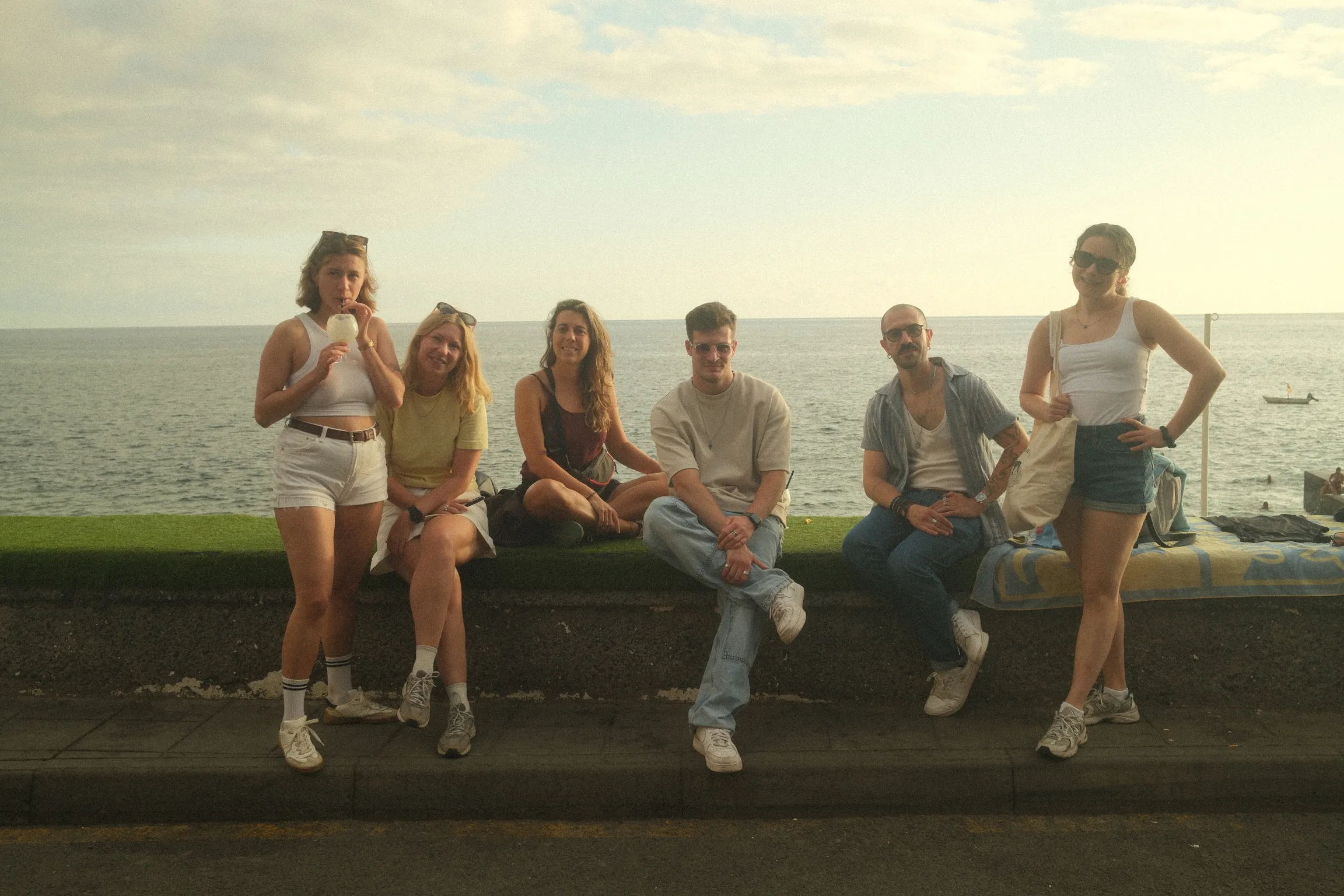
Spreading love through cooking & community.
© 2026 CasaBasilico OÜ (16850261)
All rights reserved.
Design & Branding by ahgoos.com
info@casabasilico.com