
The Best Time to Visit Madeira as a Remote Worker
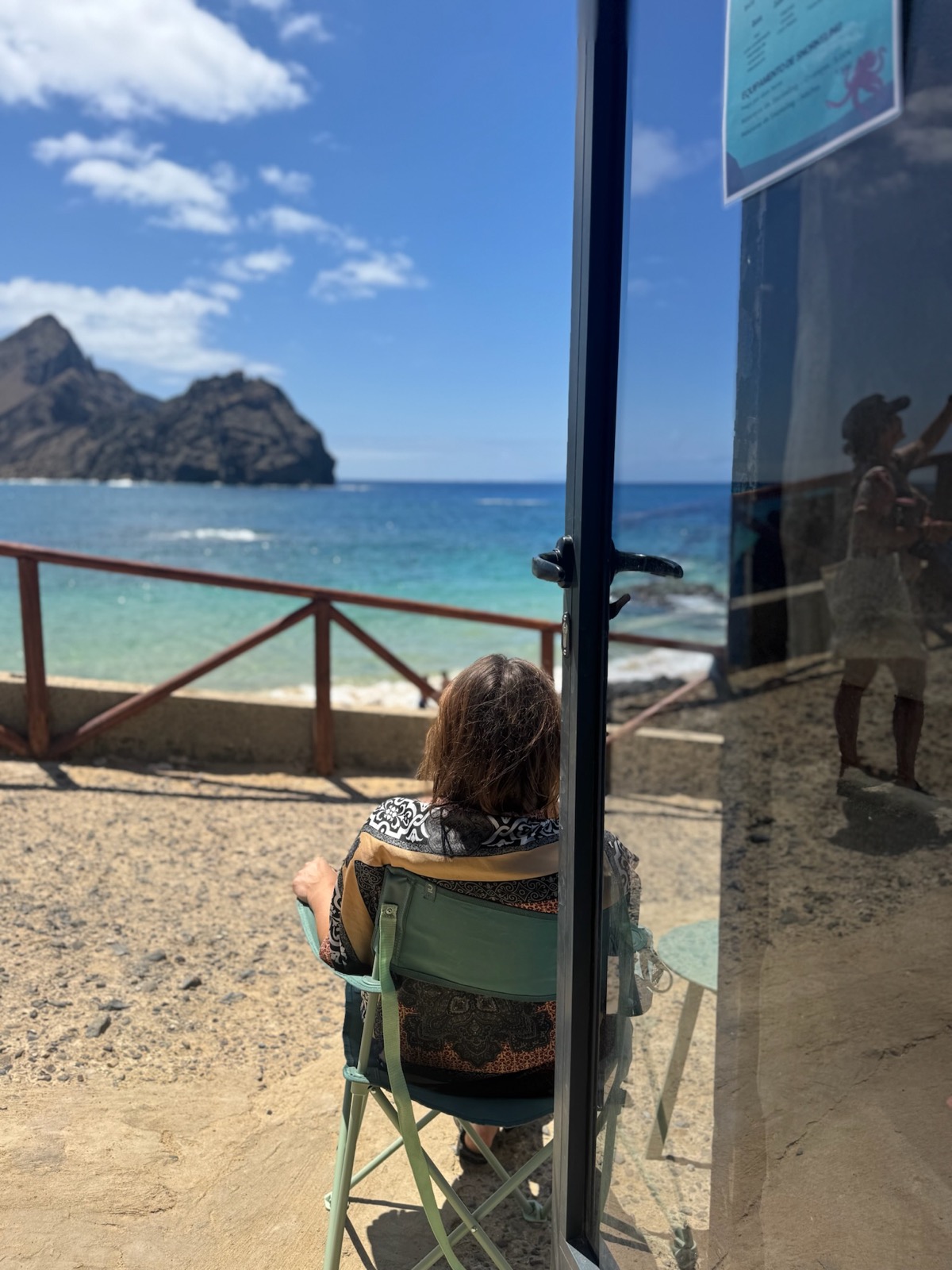
September through November is the sweet spot for digital nomads in Madeira. Temperatures hold between 22-24°C, the summer tourists have packed up and gone home, and accommodation prices drop 20-30% off their August peak. The south coast sun still shows up reliably, the Atlantic keeps mornings warm enough for café terrace working, and you can actually get a coworking desk without a two-week waitlist. Madeira's subtropical climate means no month is genuinely unworkable: Funchal sits between 16°C in February and 26°C in August, protected from the north coast's rain by a wall of volcanic mountains (Madeira Tourism Board, 2024). That said, every season has a different personality. July-August is peak tourist chaos and peak prices. January-February is quiet, cheap, and wildly underrated. The north coast gets seriously rainy from October onward. For nomads with flexibility, September-November is the answer. For everyone else, keep reading, because the right time depends on what you're actually optimising for.
What's the weather actually like in Madeira all year?
Madeira sits at 32°N in the Atlantic, which gives it one of those suspiciously nice climates where locals just shrug and say "it's always like this." They're mostly right.
The island splits into two weather personalities: the south coast (Funchal, Câmara de Lobos, Calheta) stays warm and sunny almost year-round. The north coast (Santana, Porto Moniz) is lush, green, and wetter. All those Atlantic clouds hit the volcanic mountains and dump their rain before they reach the south side. It's not a bug, it's why the levadas exist.
By season:
Spring (March-May): 18-22°C. Flowers everywhere: Madeira's Flower Festival runs late April into early May, and it's genuinely beautiful. Rainy days exist but they're short. Crowds are manageable. Solid choice.
Summer (June-September): 23-27°C. The south coast is stunning. Levada walks are easy, beaches are busy, the vibe is high. July and August are peak European holiday season: crowds, inflated prices, and coworking spaces at capacity. Early September is the exception: still warm, tourist rush thinning, prices starting to drop.
Autumn (October-November): 20-24°C. The sweet spot. South coast stays dry and warm. North coast gets wetter. The price drop is real. Crowds are gone. A remarkable number of digital nomads quietly book Madeira in October and never shut up about how good it was.
Winter (December-February): 16-18°C. The north gets properly rainy. Funchal stays relatively mild. You'll need a light jacket for evenings, but you can absolutely eat lunch outside. Prices are at their lowest. The digital nomad community is, ironically, at its densest in winter because cheap flights and cheap accommodation pull people in.
Madeira clocks around 2,200 sunshine hours per year (Instituto Português do Mar e da Atmosfera, 2023), making it one of the sunniest spots in Europe. Even in the "rainy" months, the rain tends to come at night or in short bursts rather than three grey weeks of drizzle like you'd get in northern Europe.
Is summer the best time for digital nomads, or does it just feel that way?
Summer in Madeira looks amazing on Instagram. The levadas are walkable, the water is 22°C, and the sunsets over the Atlantic are the kind of thing that makes you question why you ever lived somewhere grey.
But summer is optimised for tourists, not for people who need to actually work.
Madeira's airport handled over 4 million passengers in 2023 (ANA Aeroportos, 2023), and a big chunk of those land in July and August. The coworking spaces that were roomy and quiet in January are now full. Accommodation prices run 2-3x what you'd pay in November. The cafés with fast wifi have queues. You can still make it work. The island is beautiful and the logistics are fine, but if you're doing a one-to-three month stint and trying to get actual work done at a reasonable cost, summer probably isn't your season.
why coliving beats Airbnb for month-long stays
Why do digital nomads quietly love Madeira in winter?
January and February in Madeira are a well-kept secret. We're slightly annoyed it's getting out.
Prices are at their yearly floor. You can find a solid furnished apartment in Funchal for €600-900/month, which is wild for a place with this much Atlantic-views-and-espresso energy. Flights from major European cities drop compared to summer. Funchal's average temperature in January sits around 16-17°C, which sounds chilly until you realise that's a hoodie in the morning and a t-shirt by noon. Lisbon in January is about the same.
The nomad community actually concentrates in winter. A disproportionate number of full-time nomads know that January in Madeira beats January in Berlin by about 40 degrees and several hundred euros. You'll find coworking spaces with regulars, active community groups, and plenty of people to share a pastel de nata with.
The north coast gets genuinely rainy, but if you base yourself in Funchal or the southwest, you can go entire weeks without serious rain. Levada trails are quieter (and therefore better). And Funchal's Christmas lights are, genuinely, some of the most spectacular in Europe: the city spends a lot of money on them and it shows.
According to Nomad List, Madeira consistently ranks in the global top 15 for digital nomads, with cost scores improving in winter months when tourist pricing drops out (Nomad List, 2024).
What's the actual internet situation?
Good news: Madeira's internet infrastructure is solid. Portugal consistently ranks in the top 10 in Europe for fixed broadband speeds (Speedtest Global Index, 2024), and Funchal has excellent coverage across the city.
Most coworking spaces in Funchal offer 100-300 Mbps fibre. Cafés in the centre typically have fast enough wifi for video calls without drama. Mobile coverage is 4G/5G in Funchal and most of the south coast, though it gets patchy in the mountains and some northern villages.
The coworking scene worth knowing:
Internet drops aren't something you'll deal with regularly in Funchal. Rent somewhere remote and scenic up in the mountains, though? Test the connection before signing anything.
what is a coworking space, and do you actually need one
When should you skip Madeira, or at least go in with realistic expectations?
A few honest caveats:
Easter and Christmas week: Portuguese holiday rushes are real. Accommodation prices spike, flights from Lisbon are expensive, restaurants fill up. Not a dealbreaker, just something to factor in.
July-August: Unless your budget is flexible and you love crowds, there are better months. The island is beautiful but it's processing a huge volume of tourists at once. Prices reflect that, and so does the general vibe in Funchal.
North coast November-February: If your Airbnb is in Santana or Porto Moniz and you're hoping to work from a sun-drenched terrace in November, you might want to recalibrate. The north is spectacular, just a different, wetter kind of spectacular in winter.
Levadas after heavy rain: Some trails get slippery or temporarily closed after significant rainfall. Not a reason to avoid winter, just something to check before booking a guided walk.
The Casa Basilico take
We ran our Madeira chapter in 2025. We know the island from both sides, as hosts and as people who had to make a coliving experience actually work for a group of thirty-something digital nomads. We spent a lot of time on those levadas. We ate a lot of espetada. We know where the good poncha is.
Our verdict: October into November is the best combination of weather, price, and atmosphere for people who want to genuinely live in Madeira rather than just pass through. The island breathes differently when the tourist rush clears. You get the levadas to yourself on a Tuesday morning. You find the café the locals actually go to. You sit at a table overlooking the Atlantic and do four hours of deep work before lunch. That's kind of the whole point.
read about our Casa Basilico Madeira chapter
If you've never done a full month in Madeira and you're wondering whether it's worth it, it is. The combination of scenery, serious food culture (the bolo do caco alone justifies the flight), and a mature nomad infrastructure makes it one of the most liveable islands in the Atlantic. The best version of it just doesn't happen in peak season.
We're not doing Madeira in 2026, but if you want to know where Casa Basilico is going (hint: tacos are involved), get on the list before the rooms fill up. They always do.
👉 See where Casa Basilico is headed next and grab your spot
FAQ
Can I work remotely from Madeira all year?
Yes, genuinely. The internet infrastructure in Funchal is solid, there are proper coworking spaces, and the climate means you're never dealing with weather that makes productivity impossible. Some nomads have been based in Madeira for years. The practical setup is as good as most major European cities, with significantly better views and significantly better coffee.
What's the cheapest month to visit Madeira as a digital nomad?
January and February are typically the cheapest months for both accommodation and flights. Furnished apartments in Funchal go for €600-900/month, and return flights from London, Berlin, or Warsaw often drop under €100. The weather is mild rather than hot, but very workable on the south coast.
Is January a good time to visit Madeira for remote work?
Better than people give it credit for. Funchal in January is around 16-17°C, which means coffee on a terrace in the afternoon is entirely possible. The island is quiet, prices are low, the nomad community is active, and the levadas are uncrowded. It's not beach weather, but it's genuinely good working weather.
Do I need a visa to live and work in Madeira?
Madeira is Portuguese territory, so EU/EEA citizens can stay indefinitely. Non-EU citizens (US, UK, Canadian, Australian) can use Portugal's Digital Nomad Visa (D8 visa) for longer stays. For shorter visits under 90 days, many nationalities can enter visa-free under the Schengen agreement. Always check current requirements for your specific passport. Visa rules update and we are not immigration lawyers.
How does Madeira compare to other digital nomad destinations in Europe?
Madeira offers a rare combination: island scenery, a mature nomad infrastructure, mild year-round climate, and costs below Lisbon or Barcelona (though prices have risen since the pandemic nomad wave). The main trade-offs are island isolation (everything comes through the airport or a long ferry) and a smaller range of cuisines compared to mainland cities. For nomads prioritising nature, outdoor access, and a solid remote-work setup over urban variety, Madeira consistently punches way above its weight.

Spreading love through cooking & community.
© 2026 CasaBasilico OÜ (16850261)
All rights reserved.
Design & Branding by ahgoos.com
info@casabasilico.com