
Brazil Weather for Digital Nomads: Month-by-Month Guide
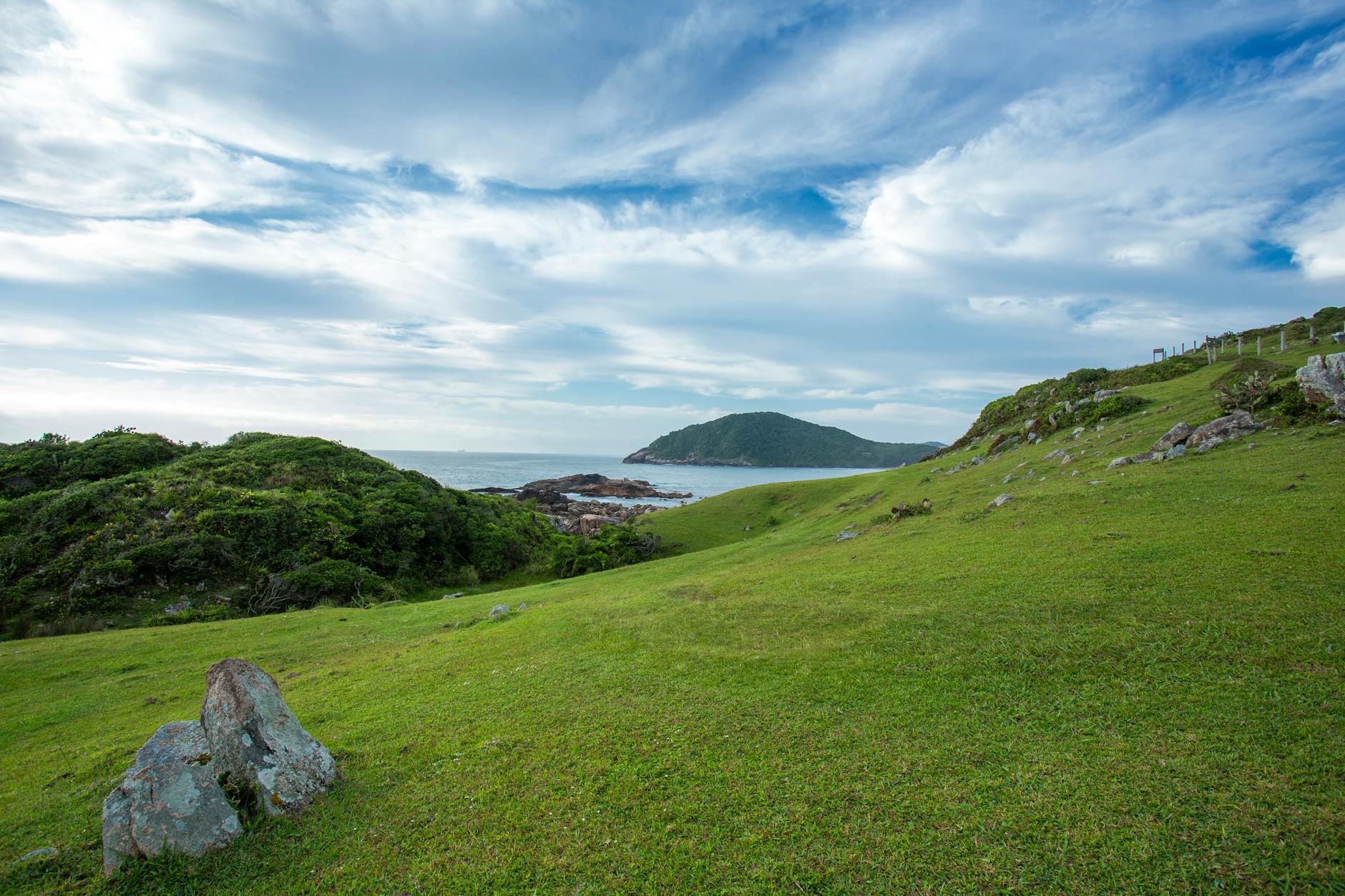
Brazil in December is warm, humid, and honestly a bit chaotic. In the best way. The northeast coast (think Pipa, Natal, Fortaleza) sits at 28-32°C with low rainfall and reliable sunshine through December and January, making it one of the best times to visit. Rio and São Paulo flip into full summer mode: blazing hot, afternoon thunderstorms, and enormous crowds for the holidays. The Amazon stays stubbornly tropical at 30°C and soaking wet regardless of what month you're reading this. Brazil is enormous, nearly as large as all of Europe, so asking "what's Brazil weather like in December?" is a bit like asking "what's European weather in August?" The short answer: depends entirely on where you land. For digital nomads chasing sunshine, reliable WiFi, and cheap caipirinhas, the northeast coast between October and January is your sweet spot. Everything else is a compromise.
Wait, how big is Brazil actually?
Big enough that you could have a beach party in the northeast while it's properly cold and grey in Rio Grande do Sul in the south. Brazil spans 35 degrees of latitude and roughly five climate zones. The Amazon basin in the north is hot and wet year-round (let's say 28-34°C, 80-90% humidity, and rain that makes London look dry). The Cerrado in the center is seasonal: hot and dry May through September, hot and rainy October through April. The Atlantic coast swings between tropical and subtropical depending on how far south you go. And the south (Porto Alegre, Florianópolis) has winter, where temperatures occasionally drop below 10°C and Brazilians act like it's the apocalypse.
For a digital nomad, this is good news: Brazil has great weather somewhere at any time of year. The trick is knowing which somewhere.
What is Brazil weather like in December?
December in Brazil is the start of summer in the south and southeast, and the transition into wet season in the northeast. Regional breakdown, with actual numbers:
Northeast coast (Pipa, Natal, Fortaleza, Recife):
Average temp: 28-32°C. December is the tail end of the dry season. Rainfall picks up from February, so December still sees mostly sunny days with occasional afternoon showers. Sea temperature around 27°C. It's brilliant. Climate-Data.org records Natal's December average at 30°C with around 60mm of rainfall, compared to 250mm+ in April.
Rio de Janeiro:
December is high summer and peak chaos. Average 30-35°C, with aggressive afternoon thunderstorms that roll in around 3pm and clear by 5pm. The city fills up for Christmas and New Year. Prices spike. The beaches are packed. It's spectacular and exhausting in equal measure.
São Paulo:
Same summer energy, slightly cooler at 25-30°C, more rain, and none of the beaches. São Paulo in December is basically a giant humidity oven with excellent food. Go for the restaurants, not the weather.
The Amazon (Manaus, Belém):
Always hot. Always rainy. December is one of the drier months in Manaus (the "dry" season runs roughly May-November, but December is shoulder). Expect 28-34°C and daily rain regardless. Wildlife is incredible. Internet is not.
The South (Porto Alegre, Florianópolis, Curitiba):
Summer! Pleasant at 25-30°C, beach weather, fewer international tourists. Florianópolis in December is a legitimate secret. Mostly occupied by Argentinian and Uruguayan tourists who drive up for the holidays, but foreigners are rare enough that you feel like you discovered something.
Month-by-month: when is the best time to visit Brazil?
The honest version, not the tourist board's:
January-February: Summer everywhere south of the Amazon. Hot, humid, occasional storms. Northeast coast starts getting wetter (February especially). Carnival happens in February or early March. If you want it, amazing. Plan on at least a week of reduced productivity if you need to work.
March-April: Shoulder season. Northeast rains peak. Rio cools slightly to 26-30°C. South is still warm. Flights get cheaper after Carnival.
May-June: The northeast goes properly rainy (May averages 300mm+ in some coastal towns). Southeast and south enter mild, cooler weather: 18-24°C in Rio, which Brazilians consider arctic. Great for those who hate sweating at their laptop.
July-August: Best time on the northeast coast. Dry, sunny, 27-30°C. The Amazon gets a brief dry season. The south is genuinely cold (10-15°C in some areas). July is peak domestic tourism season. Prices for accommodation in Pipa and Natal go up.
September-October: Still excellent in the northeast. Less crowded than July. Slightly hotter (32°C+). The rest of the country starts warming up. This is a solid all-around window.
November-December: Dry season winds down on the northeast coast but December is still reliably good. Everything south of the Amazon heats back up. Best months for splitting time between the coast and Rio/São Paulo.
Casa Basilico's Brazil chapter details
Why digital nomads love the northeast coast
Pipa, specifically, is a small cliffside beach town about an hour south of Natal. It has no traffic lights, one main street, and a lagoon where you can watch dolphins from a beach bar. The coliving scene has grown fast over the past three years because the infrastructure is surprisingly solid: fiber internet has been rolling out along the RN-003 corridor since 2023, average coworking speeds hit 150-300 Mbps in established spots, and the cost of living is low. A full month including rent, food, transport, and your inevitable caipirinha habit runs €900-1,400 depending on how you live.
The dry season from July through January means digital nomads can book reliably without worrying about a week of heavy rain trapping them indoors. Rain in the northeast when it does hit is short, intense, and done. You get your afternoon shower, the ground dries in 20 minutes, and you're back on the terrace.
What is coliving? Casa Basilico's guide
Does rain actually matter for digital nomads?
Honestly? Less than you think, unless you're somewhere with flooding risk. A daily 30-minute downpour in tropical Brazil is annoying if you're on a scooter. It's irrelevant if you're at a desk. The bigger weather concern for nomads is power and internet reliability.
The northeast coast is improving fast on both fronts, but lightning storms during the wet season (February-June) can knock out power briefly. Any serious coliving or coworking space has UPS backup or a generator. If you're renting a house independently, buy a small UPS for your laptop. Problem solved.
Humidity is the other thing nobody mentions. At 80-85% humidity with 32°C heat, your laptop fan runs harder. Things charge slower. Sweat is a constant companion. Air conditioning isn't optional. It's a utility, like WiFi. Make sure your accommodation has it in the bedroom and workspace, not just the living room.
Casa Basilico chapter pricing and what's included
What to pack for Brazil (honest version)
Skip the packing lists that say "light layers." What you actually need:
The Casa Basilico take on Brazil
We've run chapters in Pipa twice: January 2024 and early 2026. Both times, the weather delivered. Clear mornings, the occasional dramatic afternoon cloud that looked threatening but mostly kept moving, and evenings where the temperature dropped just enough to make sitting outside with a glass of something cold feel like a reward.
The weather isn't the main event in Brazil. The main event is what happens when you put 15-20 people in a cliffside house with a pool, a kitchen that someone is always cooking in, and a town that practically requires you to slow down. The weather just makes all of it better.
If you're on the northeast coast in December, you've made a good call. The rains haven't arrived yet, the crowds haven't hit their peak, and the sea is warm enough to swim in every day. That's about as close to a perfect month as you'll find.
Join Casa Basilico's next chapter
FAQ: Brazil weather for digital nomads
Is December a good time to visit Brazil as a digital nomad?
For the northeast coast: yes, absolutely. December sits at the tail end of the dry season in states like Rio Grande do Norte and Ceará, with average temperatures of 28-32°C and minimal rain. Further south, December brings summer heat and afternoon storms to Rio and São Paulo, which is lively but more chaotic and expensive. For focused work + good weather, the northeast in December is hard to beat.
What is the rainy season in Brazil?
It varies dramatically by region. The northeast coast's rainy season runs roughly February to June, peaking in April-May. Rio and São Paulo get afternoon thunderstorms November through March (their summer). The Amazon basin has year-round rain, with a "drier" season May-November. The south follows a more temperate pattern closer to European seasons.
How hot is Brazil in December?
On the northeast coast: 28-32°C with 75-80% humidity. In Rio: 30-35°C, humid, with afternoon storms. In the south: a pleasant 25-28°C. The Amazon: 30-34°C and consistently swampy regardless of month.
Is internet reliable in Brazil for remote work?
In major cities and established nomad hubs like Pipa, Natal, and Florianópolis: yes, increasingly so. Fiber coverage in coastal tourist towns has improved. Coworking spaces in these areas regularly hit 150-300 Mbps. Rural areas and the Amazon basin are a different story. Don't plan a remote work trip to Manaus expecting European-grade connectivity.
What is the cheapest month to visit Brazil?
May and June on the northeast coast offer the lowest prices (it's their off-season due to rain), and shoulder seasons around March-April and September-October see cheaper flights and accommodation than peak summer. If you don't mind occasional rain and want low-season pricing, March in the northeast is underrated.
Ready to work from a cliffside house in Pipa with a pool, a kitchen that smells like something good, and 20 new friends? Come join us in Brazil.

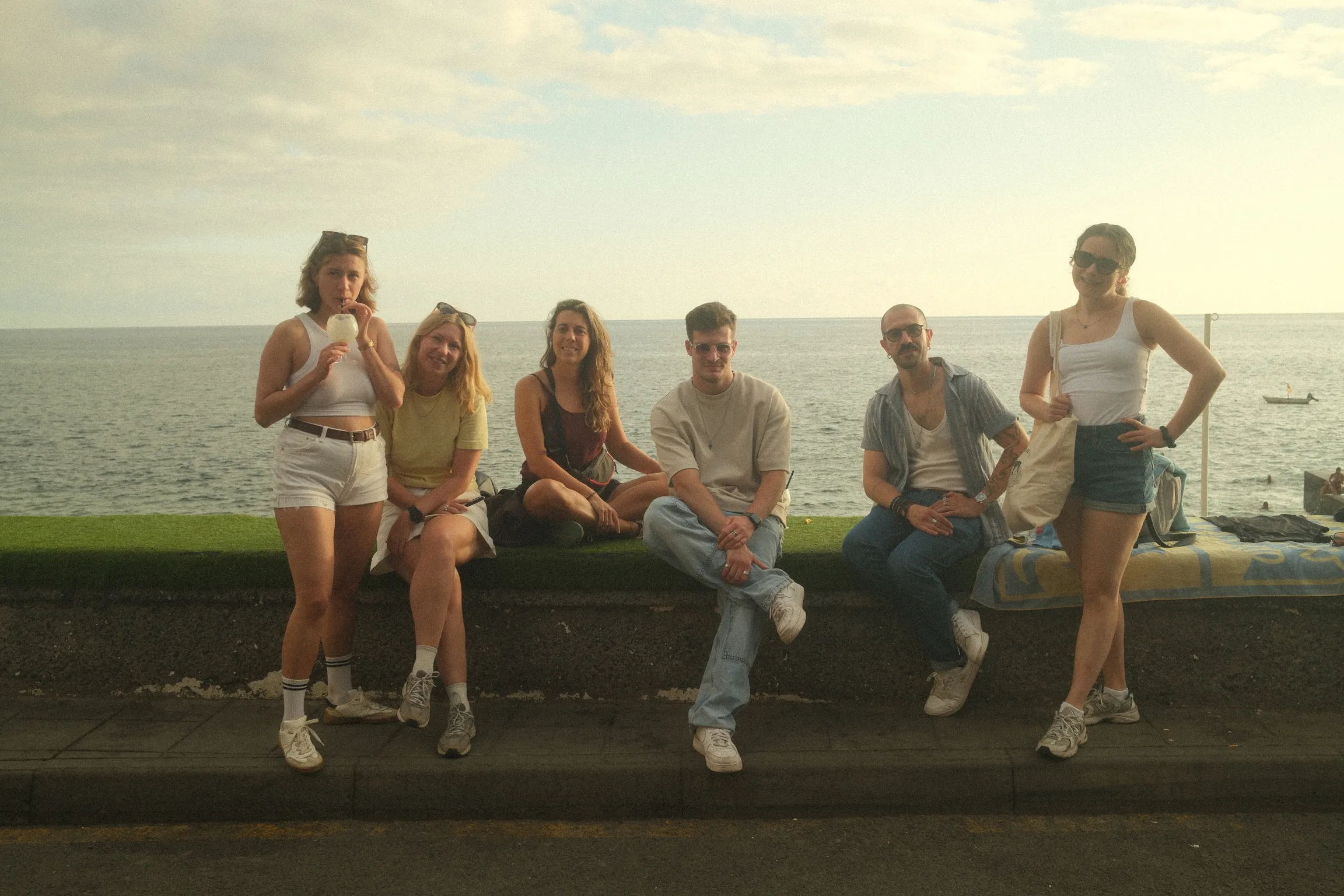
Spreading love through cooking & community.
© 2026 CasaBasilico OÜ (16850261)
All rights reserved.
Design & Branding by ahgoos.com
info@casabasilico.com