
Canary Islands Weather by Month: The Digital Nomad's Guide
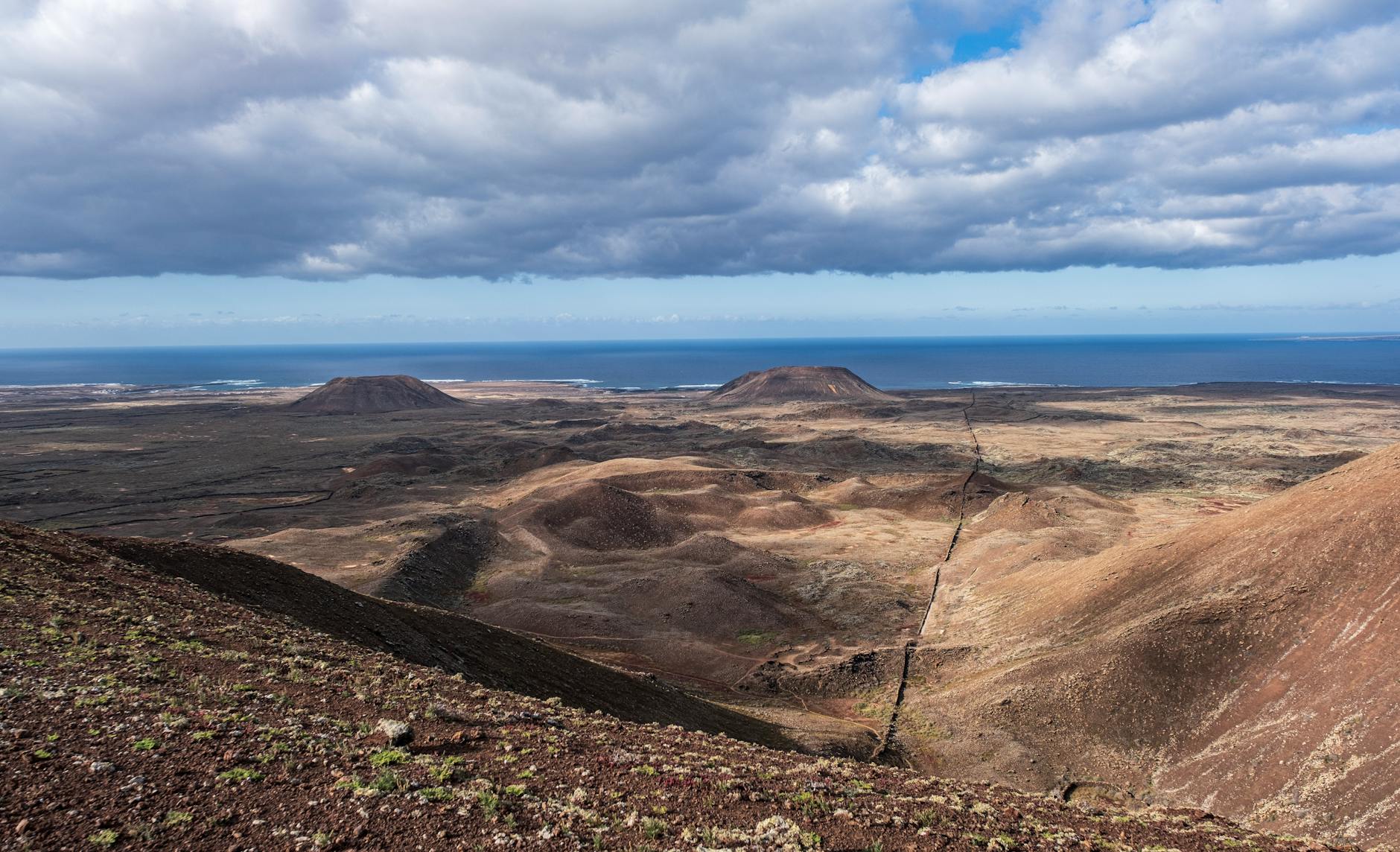
The Canary Islands sit just off the northwest coast of Africa, roughly 1,500 km south of mainland Spain. That location explains everything. You're talking 18-27°C year-round, more than 300 sunny days annually, and trade winds that keep the humidity from getting stupid. According to AEMET (Spain's national meteorological agency), Las Palmas de Gran Canaria is one of the most climatically stable cities on the planet, with a mean annual temperature of around 21°C and less than 100mm of total annual rainfall. Compare that to London's 600mm and you'll understand why people who've been once tend to come back every winter. The catch is that "the Canary Islands" is not one place. It's eight islands with wildly different microclimates, from bone-dry southern beaches to cloud-forest north coasts that'll have you questioning everything.
What does "year-round summer" actually mean in practice?
It means you can pack a single suitcase for three months and not once wish you'd brought a coat. That's the physical reality of living at 28°N latitude with a cold Atlantic current running up the coast (the Canary Current), trade winds blowing in from the northeast, and zero seasons in the traditional sense.
What you get instead:
All temperatures are Las Palmas-based (Gran Canaria). Tenerife, Lanzarote, and Fuerteventura vary slightly. We'll get to that.
Month by month: what's Canary Islands weather actually doing?
January
Average high: 21°C. Average low: 15°C. Rainfall: ~25mm.
This is the height of European winter escape season. Germans and Brits arrive in cargo-ship quantities. The weather is genuinely lovely: clear skies, warm afternoons, and evenings cool enough to want something other than a salad. It's not beach weather if you're from Brazil or Oaxaca. It absolutely is beach weather if you're from anywhere north of the Alps.
Workability: excellent. Fewer distractions than summer, and the light is beautiful from around 8am to 7pm.
February
Average high: 22°C. Average low: 15°C. Rainfall: ~20mm.
The Canarias' equivalent of summer is still months away, but February can throw you the occasional warm week where you're in shorts at noon and regretting your life choices by 6pm when the wind picks back up. The Carnival of Las Palmas in February is one of the biggest carnivals in the world after Rio and Tenerife: complete chaos, color everywhere, street food that doesn't quit, and roughly zero chance you'll finish any meaningful work on parade nights.
March
Average high: 23°C. Average low: 16°C. Rainfall: ~15mm.
Easter hits in March or April and brings a crowd. Outside of that week it's golden. Warm enough to eat outdoors every night, cool enough to walk anywhere without sweating through your laptop bag. The light starts getting longer and more golden. Wildly good month.
April
Average high: 23°C. Average low: 17°C. Rainfall: ~8mm.
Post-Easter crowds thin dramatically. This is the best value month in the Canary Islands: not yet "summer" pricing, but fully summer-feeling weather. Sea temperature is around 19-20°C. You can swim comfortably. You can also work comfortably, which is the entire point.
May
Average high: 24°C. Average low: 18°C. Rainfall: ~5mm.
The last quiet month before summer hits properly. Everything is open, nothing is full, and the evenings feel like they go on forever. If you've been watching the pricing spreadsheet, this is your last chance to get decent rates before June turns everything expensive.
June
Average high: 25°C. Average low: 20°C. Rainfall: ~2mm.
Summer officially arrives. The Canary Islands get busier, but it's not Rome-in-August unbearable. There's enough island to go around. Trade winds moderate the heat beautifully. If you're working on a deadline, you might want to avoid the terrace because the temptation to just... not work... is real.
July
Average high: 27°C. Average low: 22°C. Rainfall: ~1mm.
Peak season. Prices at maximum. Beaches at full capacity by 11am. If you're a light sleeper, the tourism noise in Las Palmas city can be a factor in certain neighborhoods. The south of Gran Canaria (Maspalomas, Playa del Inglés) is basically a theme park at this point: fun if that's your thing, terrible for focus.
The north coast stays saner. Las Palmas itself, despite the tourism, still functions like a real city with real people doing real things.
August
Average high: 28°C. Average low: 23°C. Rainfall: ~0mm.
Warmest month. Also most crowded month. If you can work from a cool apartment and emerge only for evenings, August is actually great: the street life, the food festivals, the energy. If you need silence and focus, this is not your month.
One thing worth knowing: the Calima. This is when Saharan dust blows in from Africa and turns the sky a hazy orange. Visibility drops, everything gets a thin coating of sand, and air quality goes slightly weird for a day or two. It happens a few times a year, mostly in summer. It's strange and beautiful. It's also annoying if you have allergies.
September
Average high: 27°C. Average low: 23°C. Rainfall: ~5mm.
The second-best month to be here, and it's not close. Temperatures are still peak-summer, the crowds have mostly left, prices drop 20-30%, and the sea is at its warmest (around 23°C). Everything still open, nothing packed. September in the Canaries is underrated.
October
Average high: 25°C. Average low: 21°C. Rainfall: ~15mm.
Still warm. The occasional rainy day appears, real rain this time, not the performative drizzle of July. Nothing dramatic. Evenings start cooling down enough that you'll want a layer after dinner. Great month. Underrated.
November
Average high: 23°C. Average low: 18°C. Rainfall: ~25mm.
The European winter crowds start arriving again. A few more rainy days, maybe 4-6 across the month, concentrated in the north. The south stays dry. If you're in Las Palmas, you'll see maybe two full rainy days in November. Still warm enough for lunch outside without a coat.
December
Average high: 21°C. Average low: 15°C. Rainfall: ~30mm.
Christmas arrives along with most of northern Europe. The islands do Christmas well: lights, markets, good food, and the cognitive dissonance of eating turrón in 20°C sunshine. The Noche Buena and New Year celebrations are genuinely fun if you're around.
Which island actually has the best weather?
This is the question that starts arguments in coliving common rooms, so let's be direct about it.
Lanzarote and Fuerteventura are the driest and sunniest. Lanzarote gets fewer than 150mm of rain per year, almost nothing. Fuerteventura is similar. Both are flat, volcanic, and strangely beautiful in a barren-moonscape kind of way. Summer temperatures hit 30-32°C and the wind (constant, strong) keeps things tolerable. The trade-off: these islands feel more resort-y and less "real city" than Gran Canaria.
Gran Canaria (specifically Las Palmas) is the sweet spot for digital nomads. It's a proper city of 400,000 people. It has a real food scene, actual neighborhoods, coworking infrastructure, and enough cultural life to stop you going crazy after month two. The weather is marginally less extreme than Lanzarote but still phenomenal. The south of the island is bone-dry; the north gets more cloud and wind.
Tenerife has the most dramatic microclimate variation of any Canary Island. The south (Los Cristianos, Costa Adeje) is permanently sunny and dry. The north (Santa Cruz, La Laguna) can be cloudy and cool, particularly in summer when the trade-wind inversion layer traps cloud below 1,500m. Teide, the volcano in the middle, creates its own weather. It's a genuinely strange and beautiful place.
La Palma, La Gomera, El Hierro: Greener, wetter, more dramatic, fewer tourists, basically zero digital nomad infrastructure. Worth visiting. Not worth basing yourself there for a month of work.
The microclimate thing is real: north vs. south matters
Every Canary Island has a north-south split. The trade winds hit the north coast and drop their moisture on the mountains. The south sits in the rain shadow and gets almost nothing.
For Las Palmas specifically: the city is on the northeast tip of Gran Canaria, which means it gets the trade winds but doesn't sit in the wettest mountain zone. It has a different climate than Maspalomas (south), which is about 45 minutes away and hotter and drier.
Practical implications:
So when should you actually go?
Here's the honest summary:
Go in September-October if you want perfect weather, empty-ish beaches, and normal prices. This is the peak "smart nomad" window and it's getting more popular, but nowhere near summer levels yet.
Go in March-May if you want the same benefits but prefer the spring energy: longer days arriving, everything blooming slightly, the Easter madness over.
Avoid July-August unless you genuinely love the energy of a packed resort island, or you're happy to hide in your apartment until 6pm and then emerge for dinner and evening walks. The weather is still good, it's just busy and expensive.
January-February is underrated if you're coming from somewhere cold and just need the contrast. Yes, it's "winter." No, you won't be cold.
What it's like to colive in Las Palmas
Casa Basilico did a chapter in Las Palmas: here's what the weather was actually like
We ran a chapter in Las Palmas in 2024 and the weather was exactly what it says on the tin: 20-22°C, mostly sunny, evenings cool enough that communal dinners on the terrace were comfortable without fans or heaters. The one thing we didn't anticipate was how the trade winds make you feel slightly alert all the time, in the best way. You don't get that heavy, sluggish feeling you sometimes get in more humid tropical destinations.
The food scene was good, which matters to us more than we're probably supposed to admit. Papas arrugadas with mojo rojo at literally any market. Fresh fish every day. Mercado de Vegueta for produce that actually tastes like produce.
The internet was solid: NOS and Movistar fiber available, 200-500 Mbps in most central apartments. Coworking options like Talleres Palermo and BIC Canarias covered the bases.
The practical nomad checklist: what to pack for Canary Islands weather
What to pack for a month of coliving
Come for the weather, stay for the papas arrugadas
If you've been on the fence about the Canary Islands, the weather argument should be enough to push you off it. There's no other place in Europe where you get 20°C+ in January without getting on a long-haul flight. That alone is worth something.
People don't just come back for the weather. They come back for the combination: a real city with a food scene, Atlantic sunsets that make you forget what you were worrying about, and the kind of community that forms when strangers from different countries end up cooking dinner together every night.
We do chapters in Las Palmas and other destinations that make the weather + community equation work. If you want in on the next one, come find us.
Join the waitlist at /join-us, tell us where you want to go and we'll sort the rest. ❤️
FAQ
What is the best month to visit the Canary Islands?
September and October are the sweet spot: summer temperatures (25-27°C), sea warm enough to swim, post-peak crowds, and prices 20-30% lower than July-August. March and April are the spring equivalent. If you need to go in winter, January and February are still pleasant at 18-22°C.
Does it rain a lot in the Canary Islands?
No. Las Palmas averages under 100mm of rain per year total: that's less rain in twelve months than London gets in two. The rainiest months (November-January) might see 4-6 rainy days across the whole month, mostly in the north of the islands. The south stays dry almost year-round.
What is the Canary Islands weather like in December?
December sits around 18-21°C with occasional light rain (mainly in the north). You'll need a jacket for evenings but not a coat. The sea temperature is around 18-19°C, still swimmable for the brave. Christmas markets, turrón, and very good light at golden hour. Not a bad place to spend the month.
Are the Canary Islands warm enough to swim in winter?
Depends on your tolerance. Sea temperature in January-February sits around 18°C, comfortable if you're from Poland or Germany, a bit sharp if you've been living in Brazil. The south coast beaches are calmer and feel warmer in the sun. Wetsuits are common among surfers but not necessary for a quick swim.
What is the Calima and should I worry about it?
The Calima is a wind that carries Saharan dust from Africa across to the islands. It turns the sky a hazy orange-yellow, reduces visibility, and can irritate eyes and lungs for a day or two. It happens a few times a year, mostly in summer. If you have serious respiratory issues it's worth tracking, but for most people it's more strange and atmospheric than actually problematic. It always passes within 24-48 hours.
Winter is coming. We'll be in Brazil.
Pipa chapter, Jan-Mar 2027: 30°C, surf before standup, and a dinner table that seats everyone. 180+ nomads have lived with us. Your turn.
Take me to Brazil 🇧🇷
Spreading love through cooking & community.
© 2026 CasaBasilico OÜ (16850261)
All rights reserved.
Design & Branding by ahgoos.com
info@casabasilico.com