
The Ultimate Guide to Coliving in Puglia with Casa Basilico
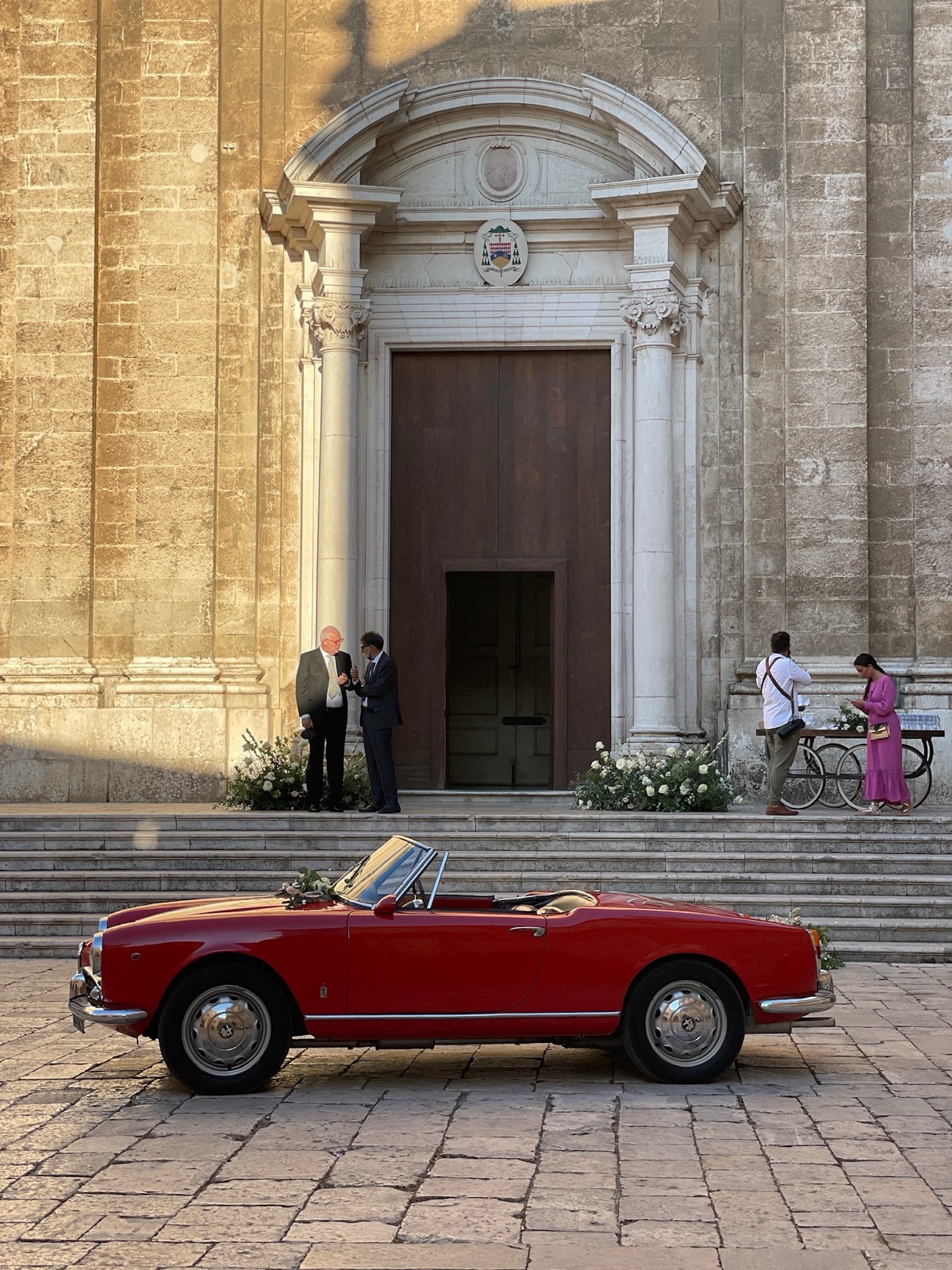
Puglia is a region in southern Italy, sitting at the heel of the boot, with around 800km of coastline split between the Adriatic and Ionian seas. For digital nomads, it is one of Europe's most underrated bets: living costs run 30-40% below northern Italy (Numbeo, 2024), internet infrastructure is solid in its main cities with average download speeds around 60-70 Mbps (Speedtest Global Index, 2024), and the food is so good it will ruin everywhere else for you. The key coliving hubs are Bari, Lecce, Polignano a Mare, and Ostuni. All-in monthly costs typically sit between €900 and €1,400, covering accommodation, food, and coworking access, compared to €2,500+ in cities like Barcelona or Lisbon for roughly the same quality of life. The quality of daily life is what actually pulls people in: fresh orecchiette at the morning market, white-stone trulli villages, and that Mediterranean light that makes your Zoom call background look embarrassing by comparison. Casa Basilico runs pop-up coliving chapters here that combine great community, real food, and actual remote work infrastructure into one month worth remembering.
There is a running joke among people who've colived in southern Italy. It's not the WiFi that makes it hard to leave. It's the 7am focaccia at the bar on the corner.
Puglia does that to people. You come for a month of productive remote work in a beautiful place. You end up with three olive oil recommendations, a standing invite to someone's family lunch, and deeply confusing feelings about every apartment you've looked at since.
We know this because we've taken over 180 nomads through our chapters. This guide is everything we know about making Puglia work as a base.
Why does everyone suddenly care about coliving in Puglia?
Because they found out it exists and now they can't stop thinking about it.
Jokes aside, Puglia hit the digital nomad radar hard over the last few years, for a few concrete reasons.
First, the price. A private room in a shared house in Lecce runs €350-500 a month. A coliving arrangement with meals, coworking, and community included comes in at €900-1,400 all in. Compare that to €2,500+ in Barcelona or €3,000+ in Lisbon for roughly the same quality of life, and the math is obvious.
Second, the connectivity. Puglia's main cities run average download speeds of 60-70 Mbps (Speedtest Global Index, 2024). Enough for video calls, async collaboration, and the occasional afternoon of uploading content from a white stone courtyard. It's not Berlin-fast, but it works.
Third, the food. And this is not a throwaway point. It's the whole thing. Puglia produces roughly 40% of Italy's total olive oil output (ISTAT, Italian National Institute of Statistics). It is the home of orecchiette, burrata, taralli, focaccia barese, and a bread culture so serious the region protects it by law. If you care at all about what you eat, and if you're reading a Casa Basilico guide you do, this is the region that will recalibrate your entire relationship with food.
Fourth, the lack of crowds. Puglia gets tourists in summer. Outside July and August, the place is mostly yours. Small towns run at their own pace. Locals have time for you. The streets are quiet by 9pm and the morning market stalls are full by 7am.
That combination is why coliving in Puglia went from "wait, people do that?" to a genuine trend in about 24 months.
Which towns are actually worth basing yourself in?
Puglia is big. The heel of Italy's boot stretches nearly 400km north to south. These are the towns where nomad life actually works.
Lecce is the obvious answer for most people. It's a proper city (around 100,000 people), has the infrastructure you need, and is surrounded by Baroque architecture so over-the-top it feels like someone was commissioned to design "the most beautiful city" and just kept going. The university keeps it young. Piazza Sant'Oronzo is the kind of central square where you'll spend three hours on a "quick coffee." Coworking spaces exist, the food scene is among the best in the region, and the sea is 20 minutes away by bike or bus.
Bari is the capital and the gritty option. Less polished than Lecce but with more energy. The old town is famous for the nonnas making orecchiette by hand in the doorways of Strada Arco Basso, one of the most absurdly charming things you'll see while pretending to look for a morning coffee. Bari has the best transport connections (airport, direct trains to Rome) and the liveliest evening scene. For digital nomads who want a real city, not a postcard, Bari is it.
Polignano a Mare is for people who want to work with their jaw on the floor. The town sits on dramatic sea cliffs above the Adriatic. It's small, beautiful, and in peak summer absolutely packed with day-trippers. Outside summer it's quiet, affordable, and stunning. It's where you go when the spreadsheet you're staring at needs to feel like it has stakes.
Ostuni, the White City, is the romantic pick. Whitewashed buildings on a hilltop, olive groves rolling out in every direction. Better suited to slower-paced stays than as a daily logistics hub, but Casa Basilico has used it as a base and the atmosphere is unmatched.
Alberobello gets a mention because of the trulli, the circular stone houses with conical roofs that look like they were built for a fairy tale. It's on the UNESCO World Heritage list and feels like nowhere else in Europe. More of a day trip than a long-term base, but worth building into your month.
What does coliving in Puglia actually cost?
Coliving versus renting your own place is always a real question, so here's the comparison.
Renting independently in Puglia:
Coliving in Puglia (like a Casa Basilico chapter):
On pure numbers, they're close. In coliving, you're paying for the day-one community, the meals that someone else thought about, and the experience structure that keeps you from spending a week in a nice apartment, alone, eating crackers over a sink at midnight.
Puglia is also one of the few European regions where eating out well doesn't feel like a betrayal of your budget. A full meal with wine at a good osteria in Lecce or Bari runs €15-25 per person. An aperitivo with snacks included is €5-8. The morning cornetto-and-cappuccino ritual at the bar is under €2. The daily cost of living well, once you're on the ground, is low.
What is the food situation? (Because this is the real reason, let's be honest)
Every coliving guide will tell you about internet speeds and coworking spaces. You can find that information anywhere.
What we want to tell you about is orecchiette with cime di rapa. And the fact that if you eat it once in Puglia, made properly with anchovies and enough garlic to power a small city, you will think about it for years.
Puglia's food identity is built on a short list of ingredients used with obsessive precision:
What this means for a month in Puglia is that cooking, shopping for food, and eating become pleasurable daily rituals rather than logistics you manage around your work schedule.
At Casa Basilico, this is the whole point. Our chapters are built around community and food in equal measure. Fabio cooks. The group shops together at the morning market. Someone discovers frisella and becomes briefly obsessed. Someone else figures out that stracciatella on everything is not an exaggeration, it's a lifestyle.
We don't do meal kits or catered packages. We cook. We teach. We argue gently about the correct amount of garlic. The table is the community anchor. Everything else orbits around it.
More about how our chapters work and what a typical day looks like
Is Puglia the right fit for your work style?
Let's be real about the limitations, because every destination has them.
Puglia in July and August is crowded and hot. Polignano a Mare, which feels like a secret in spring, is wall-to-wall tourists in peak summer. If you're doing a Casa Basilico chapter, we'd point you toward spring (April-June) or autumn (September-November). The weather is still excellent. The prices are lower. The locals are more accessible. The markets are better.
WiFi quality varies outside the main cities. In Bari and Lecce, you'll have no trouble. In smaller villages and rural masserie, come prepared with a backup SIM. Italian mobile data (TIM, Vodafone, Iliad) is cheap and reliable enough that most nomads treat it as their primary connection anyway.
The pace of life is southern Italian, which means slow, which means beautiful, until you're waiting 45 minutes for a table that seated you without a reservation and the waiter is having a conversation with a friend across the restaurant, and you realize you've completely lost track of what you were stressed about. That's either the best thing about Puglia or the most infuriating, depending on your deadline situation.
For digital nomads on European, US East Coast, or Brazilian time zones, Puglia works well. For Pacific time zone workers who need to be online from 5pm Italy time onward, the evenings are going to conflict hard with the social energy of the place. Worth knowing before you book.
The best European destinations for digital nomads right now
How does a Casa Basilico chapter in Puglia actually work?
We're not a hotel. We're not a co-op. We're not a remote work retreat with a juice bar and a morning breathwork session (no offense to juice bars).
A Casa Basilico chapter is a group of 15-20 digital nomads, a house or masseria we take over for a month, communal dinners every night, day trips when we feel like it, a coworking setup for the days you need to be serious about work, and the kind of energy that comes from putting a bunch of people who chose the same unusual lifestyle into a kitchen together.
The first few days, people are politely curious about each other. By the end of the first week, someone has taught a cooking class, someone else has organized a spontaneous road trip to the sea, and the group chat is moving faster than anyone can follow.
It works because the food brings everyone together, multiple times a day, without anyone having to plan it as a "networking event" or a "community activation." Dinner is just dinner. But it's also where you meet the person who becomes your collaborator, your travel buddy, or your actual friend.
For Puglia specifically, our chapters focus on the masseria experience. These are large farm estates with outdoor spaces, olive groves, and the kind of kitchen built to feed 40 people at a time. We shop locally, cook together, and eat in ways that feel like they're trying to tell you something about how life could be organized.
If you want to see what that looks like in practice: check when our next chapter opens for applications.
Puglia versus other Italian destinations for coliving
You might be weighing up Sicily, Sardinia, or other parts of southern Italy. Here's the honest comparison.
Sicily is equally beautiful and has a strong food identity of its own (the best arancini, the most aggressive aubergine situation in Europe). It's harder to navigate logistically, more spread out, and less connected by public transport. Puglia is more compact, more connected, and easier to use as a base for month-long stays.
Sardinia is stunning and expensive. The island operates in a different budget category, especially in summer. Less suitable for a month-long coliving budget unless you're comfortable with what you're spending.
Naples and Campania are closer to Puglia's budget range, with extraordinary food (Campania invented the pizza you know). But they're more chaotic and harder to find a quiet base for productive work. Also more saturated with tourism year-round.
For first-time coliving in southern Italy, Puglia is the call. It has the food, the beauty, the cost, and the accessibility in one package.
See all Casa Basilico chapters and destinations
FAQ
Is Puglia good for digital nomads?
Yes, especially if your priorities are cost of living, food culture, and quality of daily life over pure urban infrastructure. Bari and Lecce have the city services, coworking spaces, and connectivity you need. The cost of living is 30-40% below northern Italy (Numbeo, 2024), and the day-to-day quality, from morning markets to evening aperitivo, is hard to beat in Europe at this price point.
When is the best time to visit Puglia as a digital nomad?
April to June and September to November are the sweet spots. The weather is warm, the crowds have gone, prices drop noticeably, and the locals have their town back. July and August are beautiful but hot and crowded, especially in coastal towns. Winter (December-March) is mild by northern European standards but quiet enough that some smaller businesses close down.
How is the internet in Puglia?
Solid in Bari and Lecce, with average download speeds of 60-70 Mbps in cafes and coworking spaces (Speedtest Global Index, 2024). More variable in smaller villages and masserie. Italian mobile data (SIM cards from TIM, Vodafone, or Iliad) is cheap and a reliable backup. Most nomads use mobile data as their primary connection and treat the fixed-line WiFi as a bonus when it's good.
Do I need to speak Italian to live in Puglia?
No, but even a few phrases make a real difference. English is spoken in tourist areas and by younger Pugliesi, but older generations and smaller towns are Italian-only. Learning "un'orecchiette al sugo, per favore" is mandatory regardless of language ability, for obvious reasons.
What makes a Casa Basilico chapter different from renting an Airbnb in Puglia?
The food, first. The community, second. An Airbnb gives you a beautiful space and a set of keys. A Casa Basilico chapter gives you 20 people who chose the same month you did, dinners cooked from scratch every night, a shared routine that makes the month feel like a story rather than a long work trip, and the best focaccia you've had outside of a Bari bakery. We've had 180+ nomads come through our chapters. Most of them have come back.
Come to Puglia with us 🌿
We'll be honest: we're not for everyone. If you want a structured retreat with a daily program and a designated wellness coordinator, there are better options.
But if you want a month where the pasta is fresh, the people are real, and the work gets done because you're actually recharged rather than just pretending to be, come find us.
Join the next Casa Basilico chapter and grab your spot
We'll save you a seat at the table.

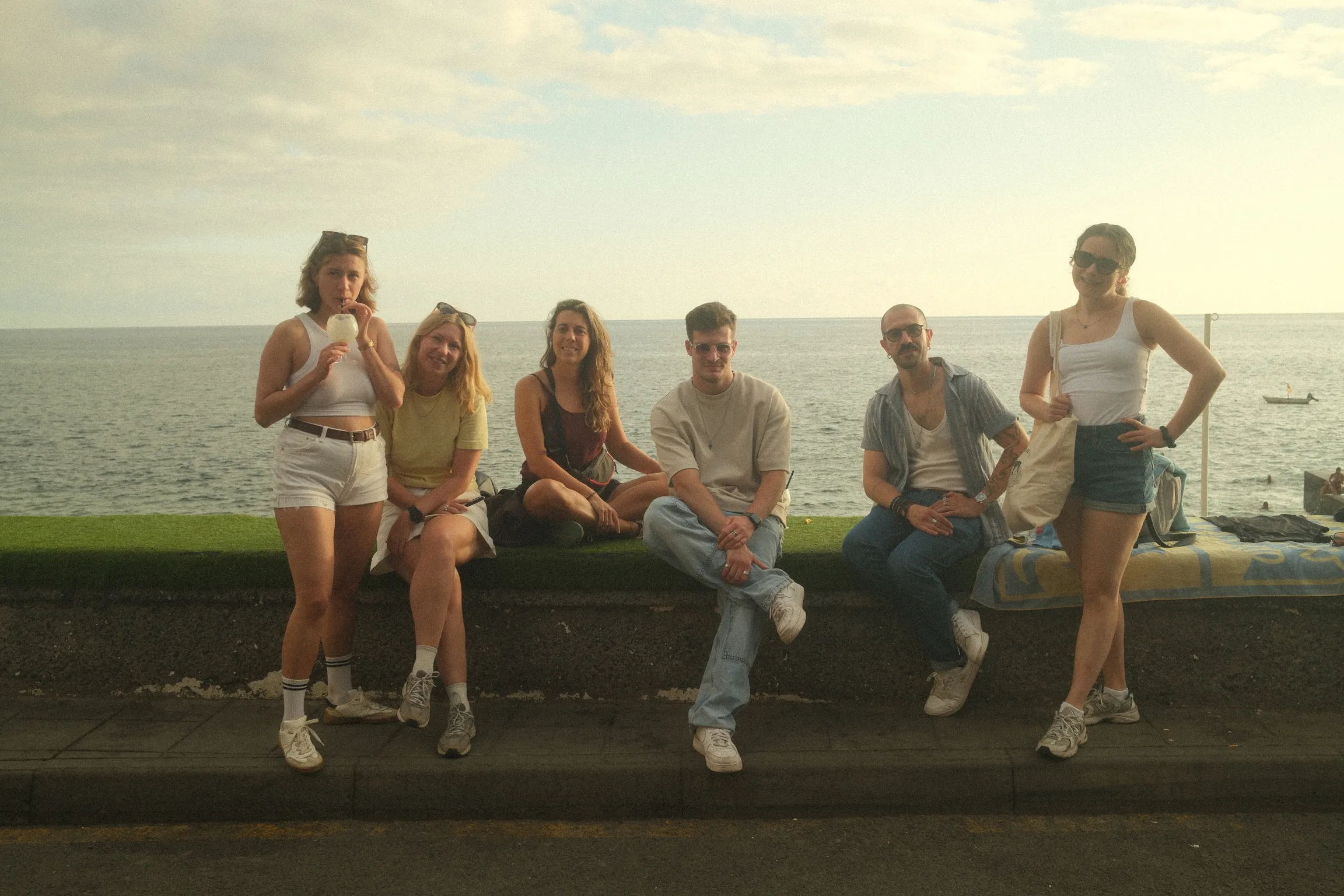
Spreading love through cooking & community.
© 2026 CasaBasilico OÜ (16850261)
All rights reserved.
Design & Branding by ahgoos.com
info@casabasilico.com