
The Ultimate Guide to Coliving in Tarifa with Casa Basilico
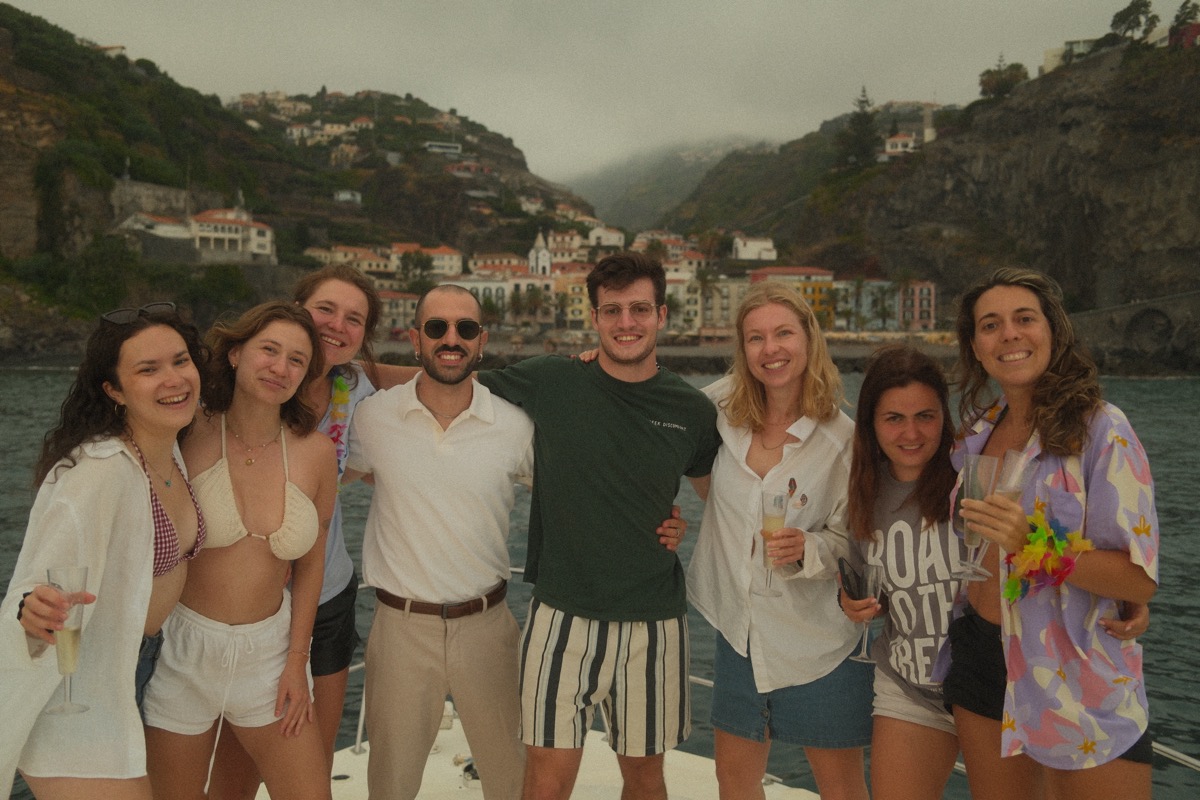
Tarifa is the southernmost point of mainland Europe, perched where the Atlantic crashes into the Mediterranean and Africa is so close you can basically smell the tagine. For digital nomads who want beaches, wind, killer food, and a community that cooks together and still finds time to work, it checks every box. Casa Basilico ran its Tarifa chapter in 2025, and this is everything we learned: what the town is actually like, how much it costs to live there, where to eat, what internet is like, and why coliving in Tarifa specifically makes so much sense. Monthly costs land around €1,400-1,800 all-in for a coliving setup. The town is small, walkable, and packed with nomads, surfers, and people who came for a week three years ago and never left. That's the energy. That's Tarifa.
What even is Tarifa?
Let's start here because a lot of people hear "Tarifa" and think it's just a kite surfing spot for rich Germans on holiday. It's not. (Well, it is. But it's also so much more.)
Tarifa sits at the very tip of Spain, Cádiz province, at the Strait of Gibraltar. Morocco is 14 kilometres across the water. On clear days you can see the Rif mountains. On windy days, and there are many, you feel like the town might actually blow into the sea.
Population is around 18,000 permanent residents, but the actual number of people living there at any given moment is much higher, thanks to an enormous rotating cast of surfers, nomads, and people on extended holidays who discovered that Spanish bureaucracy moves slowly and their lease technically doesn't expire until January. Good people, mostly.
The old town is a walled medina-style neighbourhood with white walls and narrow streets, which makes sense given Tarifa was under Moorish control for centuries. It has a very different energy to your typical Spanish coastal town. Less concrete. More character. The kind of place where you're equally likely to find a tapas bar or a vegan smoothie bowl spot, and both are genuinely good.
Explore our Spain coliving experiences
Why do digital nomads move to Tarifa?
Short answer: it's weird and cheap and beautiful and everyone there is a little bit feral in a good way.
Longer answer:
The lifestyle is genuinely hard to beat. You wake up, you swim in the Atlantic before your morning standup, you work from a café or coworking with decent internet, you eat fresh fish for lunch, you watch the kite surfers doing ridiculous tricks at sunset. Repeat. This is a real life that real people live for months at a time in Tarifa.
The cost of living is lower than most digital nomad hotspots in Western Europe. According to Numbeo's 2024 data, a single person can live comfortably in Tarifa for €1,400-1,900/month including rent, food, transport, and fun. That's less than Lisbon (€2,200-2,800), Barcelona (€2,500+), or pretty much anywhere else in Western Europe with comparable quality of life. When you're coliving with Casa Basilico, the all-in price includes your accommodation, coworking, and group dinners, which pushes the maths even further in your favour.
The nomad community is established and welcoming. Tarifa isn't a new discovery. It's had a steady stream of long-term nomads for years. There are multiple coworking spaces, regular community events, and a web of WhatsApp groups that would terrify anyone who doesn't understand why people voluntarily join 14 group chats. You won't arrive and feel like you're starting from scratch socially.
The town is small enough to actually know people. This sounds obvious but it matters. In a city of 4 million, being a digital nomad can feel weirdly lonely. In Tarifa, you see the same faces at the café, at the beach, at the market. You become a regular quickly. You feel like you belong.
What's the internet actually like?
Honest answer: it's Spain, so your experience will vary.
Tarifa has improved over the last few years. Most cafés and coworking spaces offer fibre connections with speeds between 100-300 Mbps. The dedicated coworking spots typically have reliable symmetrical connections suitable for video calls and everything else remote workers need.
Home internet via colivings and longer-term rentals runs on fibre in most cases, typically 200-500 Mbps download. Some spots in the old town have older infrastructure, so it's worth asking before you commit to an accommodation if you're a heavy user. Mobile data via Movistar and Orange is solid throughout the town and beach areas, and 4G/5G coverage is good.
The one caveat: wind can cause power fluctuations. Not often, but it happens. Smart coliving guests have a backup plan (mobile hotspot) and don't schedule non-essential client calls during storms. Ask us how we know.
What to do when you're not working
The lifestyle in Tarifa is built around wind and water, which either excites you or terrifies you depending on your personality.
Kitesurfing and windsurfing. Tarifa is legitimately world-famous for this. The Levante (east wind) and Poniente (west wind) create some of the most consistent wind conditions in Europe, with 300+ windy days per year according to local meteorological records. If you've never tried kitesurfing, beginner lessons cost around €200-250 for a 3-day introduction course. It's difficult, humbling, and very addictive. Several Casa Basilico guests have arrived not knowing what a kite was and left booking lessons for their next trip.
Beaches. Los Lances is the main beach stretching north of town, long and wild and often covered in kite equipment. For something more sheltered, Playa Chica on the Mediterranean side is small and calm and excellent for swimming when the Atlantic side is being dramatic. Both are free. Spain is good at beaches.
Day trip to Morocco. This is genuinely one of the great privileges of living in Tarifa. Ferries to Tangier or Ceuta run throughout the day, crossing time is 35-45 minutes, and you're in Africa. Just bring your passport, book the ferry ticket in advance, and go. Chefchaouen (the blue city) is a day trip that will change how you think about architecture. Bring cash. Bring your appetite. Leave your expectations at the port.
The old town. Walking the walls, getting lost in the medina-ish streets, finding tiny bars that open at 8pm and stay busy until 2am. Tarifa's nightlife is small but real. It's a scene, not a destination, which makes it more fun.
Whale and dolphin watching. The Strait of Gibraltar is one of the best spots in Europe for cetacean watching. Several boat tour operators run regular trips. Sperm whales, fin whales, and orca are all present. Yes, orca. Tarifa is genuinely wild.
Hiking in Los Alcornocales. The natural park that stretches inland from Tarifa is Europe's largest cork oak forest. Trails range from easy to properly challenging. Good for the days when the wind is doing too much and you need to be somewhere trees can block it.
The food scene in Tarifa: an honest assessment
Chicos, Tarifa eats well.
The combination of Atlantic seafood, proximity to Cádiz (one of Spain's strongest food regions), and a health-conscious nomad population means the food scene punches above its weight for a town this small.
Seafood is the move. Atún (tuna) from the Almadraba, the traditional trap-fishing system used in the Strait of Gibraltar, is some of the finest tuna in the world. The season runs roughly April to June, and if you're there during that window, you eat it every possible way: seared, raw, braised, in a taco. According to WWF Spain, the Almadraba is one of the most sustainable fishing practices in the Mediterranean. So you eat it and feel good about yourself. Win-win.
Tapas culture is alive. Many bars give you a free tapa with every drink, which is both civilised and dangerous. You do the maths.
Markets and local produce. The Mercado Municipal de Tarifa has fresh produce, fish, and meat from the region. When Casa Basilico cooks group dinners in Tarifa, this is where we start. Budget roughly €20-30 per person per week for groceries if you're cooking regularly.
Coffee. Spain does coffee correctly. Cortado, café con leche, and the heretical but delicious café bombón (espresso with condensed milk). Don't order oat milk on the first day. Get the culture first.
How coliving with food actually works
Where does Casa Basilico fit in?
Coliving in Tarifa on your own is just renting a room. Doing it with Casa Basilico is actually living there, with people, with food, with dinners that turn into conversations that turn into friendships that outlast the trip.
We ran our Tarifa chapter in 2025 and it was one of those experiences that reminded us why we started this whole thing in the first place. Small group, a great villa, really good produce from the local market, and the kind of community dynamic where someone decides to make fresh pasta on a Tuesday for 14 people and it just... happens.
What Casa Basilico actually is
A Casa Basilico chapter in Tarifa included:
What we don't include: organised fun every single day. We're not a summer camp. We're a home base for adults who want community without losing their autonomy. If you want to disappear to Morocco for the weekend (very doable, ferries go from the port regularly), nobody is going to put you in a PowerPoint presentation about it.
Practical numbers: what does coliving in Tarifa cost?
Let's be concrete about this because vague promises are annoying.
Casa Basilico chapter pricing (when we run Tarifa): roughly €1,100-1,800/month depending on room type and when you book. Tier 0 pricing (alumni/whitelist) opens first and is the best deal. Tier 1 is early bird. Then full price. The earlier you move, the more you save. See our current pricing tiers
What that includes: accommodation, coworking, group dinners several nights per week, community activities, and our ongoing presence making sure the house doesn't descend into chaos.
What's extra: flights, your own lunches, personal activities, café espressos, the kitesurfing lessons you'll convince yourself you need.
If you're building your own setup independently:
The Casa Basilico price is competitive when you factor in that you're not spending time hunting for housing, dealing with Spanish bureaucracy (it deserves capitalisation), or eating sad solo dinners.
When is the best time to go?
Tarifa's seasons have tradeoffs and pretending otherwise would be dishonest.
Spring (March-May): Genuinely great. Warm but not hot, green from the winter rains, fewer tourists. Almadraba tuna season hits in April-June. This is the window we love.
Summer (June-August): Hot, crowded, expensive. The kite beach becomes an obstacle course of tourists who don't know what they're doing. Town is heaving. Great energy if you like that, challenging if you want to focus. Prices for everything go up 30-40%.
Autumn (September-October): Underrated. Locals reclaim the town, weather is still warm, the sea hits its highest temperature of the year. Excellent time. Fewer people fighting for the same tables.
Winter (November-February): Quiet. Very quiet. Some restaurants close. Wind picks up significantly. If you're not a surfer or someone who finds joy in dramatic Atlantic storms, it's a hard sell unless you're there for the solitude and cheap rents, which are real: rents can drop 30-40% in low season.
Our 2025 Tarifa chapter ran in spring for a reason. We are not idiots.
Why coliving makes more sense than going it alone in Tarifa
Tarifa is a small town. If you arrive without a social network, without a group, without people to eat with, the first week is fun and the second week is when the loneliness creeps in. We've heard this from people who did solo stints in Tarifa and loved the place but struggled with the isolation.
The Casa Basilico model solves this without being weird about it. You're not forced to join every group activity. You're not assigned a "community buddy." You just live in a house with interesting people who applied to be there, and the social structure emerges naturally around shared meals and the fact that someone's always up for a beach swim before work.
The guests who've lived with us in Tarifa range from software engineers to copywriters to a woman who was between careers and used the month to figure out what she wanted to do next (she started a consulting business and is apparently thriving, we're not taking credit but we do feel proud). The common thread is that they wanted more than a desk and a WiFi password.
If that's you, you found the right guide.
Ready to join the next chapter?
We can't promise we'll be back in Tarifa every year. We go where the energy takes us and where the villas are good and the markets are stocked. But when we do Tarifa, we do it properly.
Get on the whitelist for early access to pricing before we announce publicly. Alumni get first crack, then whitelist, then everyone else fights over what's left.
Come live with us and get early access
FAQ
Do I need to speak Spanish to live in Tarifa?
You don't need to, but a few words go a long way. Tarifa has a large international community so English is widely spoken in the nomad spaces. That said, the older barrios and local markets run in Spanish, and locals genuinely appreciate any effort. "Uno más, por favor" has gotten us very far.
Is Tarifa suitable for people who don't surf or do watersports?
Completely. The wind is constant but not everyone engages with it. Plenty of people in Tarifa spend their time hiking, exploring the old town, cooking, working, doing day trips, and watching the surfers from a café with a glass of something cold. Watersports are available if you want them, invisible if you don't.
What's the visa situation for non-EU nomads?
Tarifa is Spain, so EU rules apply. EU passport holders can stay indefinitely. Non-EU nationals need to either use the Schengen 90-day allowance or apply for Spain's Digital Nomad Visa, which launched in 2023. Requirements include proving income above €2,646/month (as of 2024 per Spanish immigration law), being a non-EU national, and working for clients or employers outside Spain. It's doable but requires advance planning. We're not immigration lawyers, please talk to one.
Can I really visit Morocco as a day trip from Tarifa?
Yes, easily. FRS and Baleàlia run regular ferry services from Tarifa port to Tangier Med and Tangier Ville. Crossing time is 35-45 minutes to Tangier Ville, about an hour to Tangier Med. Bring your passport, book in advance in high season, and allow extra time at customs. The bureaucracy on both sides moves at its own pace and the universe will not hurry it.
How do I find out when the next Tarifa chapter opens?
Get on our list here and when Tarifa is back in rotation you'll be among the first to know. Alumni get priority access, so if you've lived with us before, your spot is practically reserved the moment we announce.

Spreading love through cooking & community.
© 2026 CasaBasilico OÜ (16850261)
All rights reserved.
Design & Branding by ahgoos.com
info@casabasilico.com