
Coliving vs Renting an Apartment Abroad
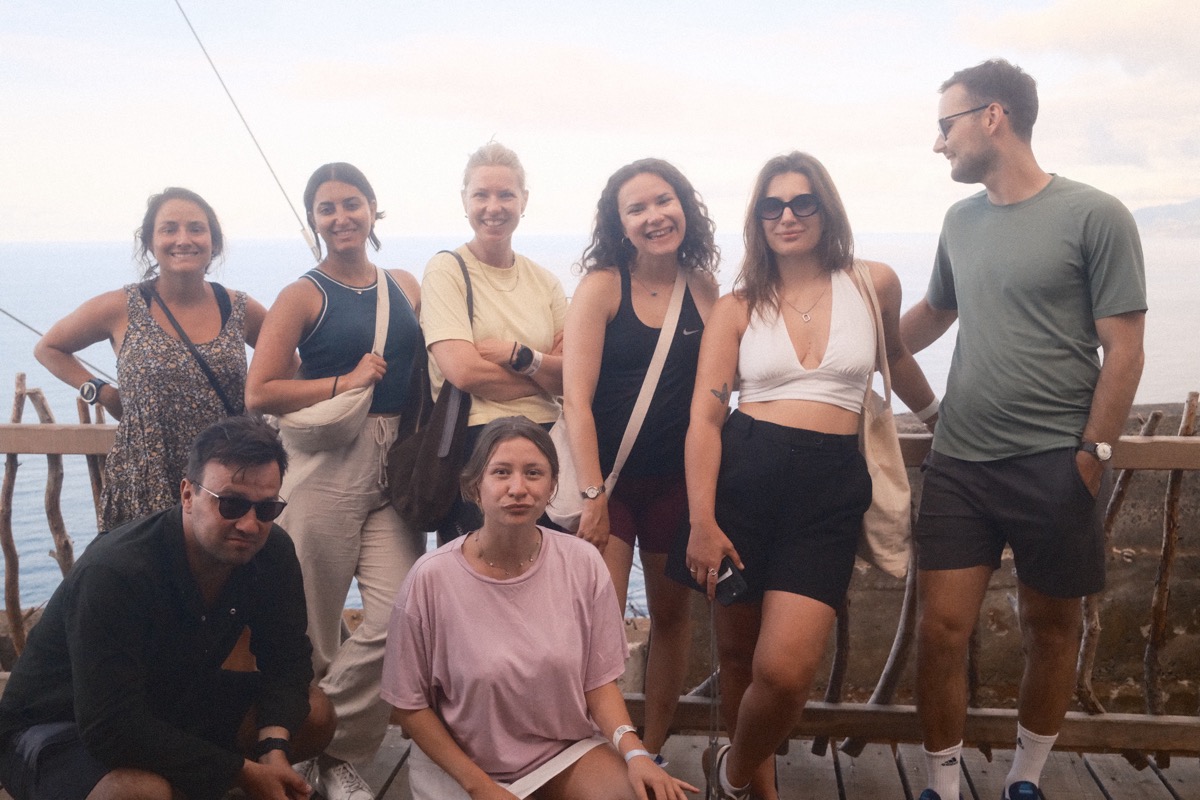
Thinking about whether to rent an apartment abroad or go coliving as a digital nomad? If you're staying somewhere 3+ months and already have a social circle sorted, renting your own apartment is often cheaper and makes sense. But if you're landing somewhere new, staying 1-3 months, and you want a life outside your laptop screen, coliving wins, and it's not that close. The math looks like coliving costs more upfront, but once you add deposits, agency fees, furniture, utilities, and the real cost of eating cereal alone in your living room for 30 days straight, the gap closes fast. Most digital nomads who've done both end up back in coliving. Not because they couldn't handle a lease, but because community makes remote work feel sustainable instead of like a slow descent into hermit life.
What does it actually cost to rent an apartment abroad?
Let's do the real math, not the Instagram version.
Take Lisbon. A one-bedroom apartment in a decent neighborhood runs €900-€1,400/month in 2025 (Numbeo). Sounds manageable. Then you add:
So before you've cooked a single meal, you've spent €3,500-€6,500 just to start. And you're locked in. Try explaining to a Portuguese landlord that you "need flexibility" and watch the phone call end.
In Southeast Asia the numbers look friendlier: a studio in Chiang Mai runs $300-$500/month. But the setup costs and short-term lease premiums still exist. Most "month-to-month" apartments for nomads charge 30-50% above long-term rates.
The bottom line: renting gets cheaper the longer you stay. Under 3 months, the economics rarely work in your favor once you account for everything.
What does coliving actually cost?
Coliving prices vary wildly depending on what you're getting. The range runs from budget dorm-style co-living at €400/month to fully-curated experiences with food and programming at €1,500-€2,500/month.
The key question is what's included.
At Casa Basilico, a month-long stay covers accommodation, all utilities, a fast and reliable WiFi connection, a fully equipped kitchen stocked with basics, a community of 15-20 people who actually want to be there, and a constant rotation of communal dinners, day trips, and food adventures. No deposits. No agency fees. No buying a mop.
The per-day cost ends up being comparable to or cheaper than a mid-range Airbnb once you account for everything. And the Airbnb doesn't cook pasta with you on a Tuesday night.
A 2024 MBO Partners report found that nomads spend an average of $1,500-$2,500/month on accommodation, transportation, and food combined. Coliving at the mid-range is well within that budget, especially when food is partially covered.
What's the hidden cost of living alone?
Nobody talks about the loneliness tax. But it's real.
According to Buffer's State of Remote Work 2024, 21% of remote workers cite loneliness as their biggest struggle. It's the second most common challenge after unplugging from work. For digital nomads specifically, who are rebuilding a social context from scratch every few months, that number almost certainly climbs.
Loneliness has a financial footprint most people don't notice until they look back:
A solo nomad renting in Medellín might spend $250-$400/month on solo restaurant meals, coworking memberships, and social activities. That's on top of rent. Add it up and a "cheap" rental city gets expensive fast.
There's also the productivity cost. Working from a silent apartment in a city where you know nobody is not the same as working from a place where you're surrounded by people who are also trying to build something. The energy is just different.
Why digital nomads are more productive in coliving
What do you get in coliving that you can't rent?
The obvious stuff: no deposits, flexible contracts, everything included, move-in ready.
The less obvious stuff is where coliving earns its price.
Instant social infrastructure. Moving into a coliving means you have dinner plans tonight. Tomorrow. This week. You don't have to spend weeks Meetup.com-ing your way into a social life. The group exists. You're in it.
Built-in accountability and energy. Working from the same kitchen table as a group of people who are all trying to get things done creates a low-level hum of productivity that a solo apartment simply doesn't have. We've seen people ship projects in a month at Casa Basilico that they'd been procrastinating for six months before.
Food. This one matters more than it sounds. Communal dinners aren't a nice bonus. They're the thing that turns "a place to sleep" into "a place you want to be." At Casa Basilico specifically, food is a core part of what we do. Cooking together, eating together, arguing about the right way to make carbonara together. That stuff forms actual friendships.
What Casa Basilico is actually about
Serendipity. You can't plan for it, but you can create conditions where it happens. Living in community means a random Tuesday conversation leads to a collaboration, a friendship, a life decision you didn't know you needed. We've seen couples form, businesses launched, and three-week stays that turned into three months. None of that happens in a solo apartment.
When does renting actually make more sense?
To be fair: renting isn't always the wrong call.
Renting your own apartment abroad makes sense if:
In these cases, coliving can feel like too much stimulation or too little privacy. That's legitimate.
But honestly? Most nomads who tell themselves "I need my own space" discover, after one quiet week in a solo apartment in a new city, that what they actually needed was a combination of community and a door they could close.
Coliving gives you the door. The community is just the default state when you open it.
See where Casa Basilico goes next
The honest verdict
If you're a digital nomad doing shorter stays in new cities and you want to actually enjoy the place you're in, not just survive the loneliness and productivity dip before you move on, coliving is the right call.
It costs roughly the same as renting once you do the real math. It takes zero setup time. And it comes with something no lease can provide: people.
The best nomads we've met at Casa Basilico weren't choosing coliving because they couldn't find an apartment. They were choosing it because they'd tried the apartment, and realized the point of being a nomad isn't just to work from somewhere interesting. It's to live there.
Come live with us. ❤️
Reserve your spot at the next chapter
Frequently Asked Questions
Is coliving actually cheaper than renting an apartment abroad?
It depends on the timeframe. For stays under 3 months, coliving is usually comparable or cheaper once you factor in deposits (often 1-3 months rent up front), agency fees, utilities, and furniture. For stays over 6 months, a long-term rental usually wins on pure accommodation cost. But coliving still wins on quality of life, especially if you're in a new city with no social network yet.
Can I rent an apartment abroad for just one month?
Technically yes, but you'll pay a significant premium. Short-term furnished rentals often run 30-50% higher than standard 12-month leases. In many European cities, monthly rentals on platforms like Spotahome or HousingAnywhere start around €1,200-€1,600 for a basic room, all-in. That's before deposits and platform fees.
What's typically included in coliving vs renting?
Coliving usually includes utilities, WiFi, cleaning common areas, and often community events or meals. Some curated colivings like Casa Basilico include food programs and organized experiences. Renting typically includes nothing. You sort your own utilities, internet contract, cleaning, furniture, and social life.
How do digital nomads handle taxes and residency when renting abroad?
This depends entirely on your passport, income source, and destination country. The 90-day Schengen rule is the main constraint for most non-EU nomads in Europe. Portugal's D8 Digital Nomad Visa, Estonia's e-Residency, and Mexico's temporary residency are common paths for longer stays. Always check the current rules. They change more than you'd expect. We're not tax advisors and we will not be your alibi if you overstay.
Is coliving good for introverts?
Surprisingly, yes. Coliving done well means you have the option to be around people, not the obligation. You can eat dinner alone in your room or join a group of 15 for pasta night. Having that choice is actually better for introverts than a solo apartment, where the absence of a social structure can tip from "peaceful" to "existentially weird" faster than expected.
Ready to stop doing the math and just show up somewhere good? The next Casa Basilico chapter is open. Grab a spot before they're gone.

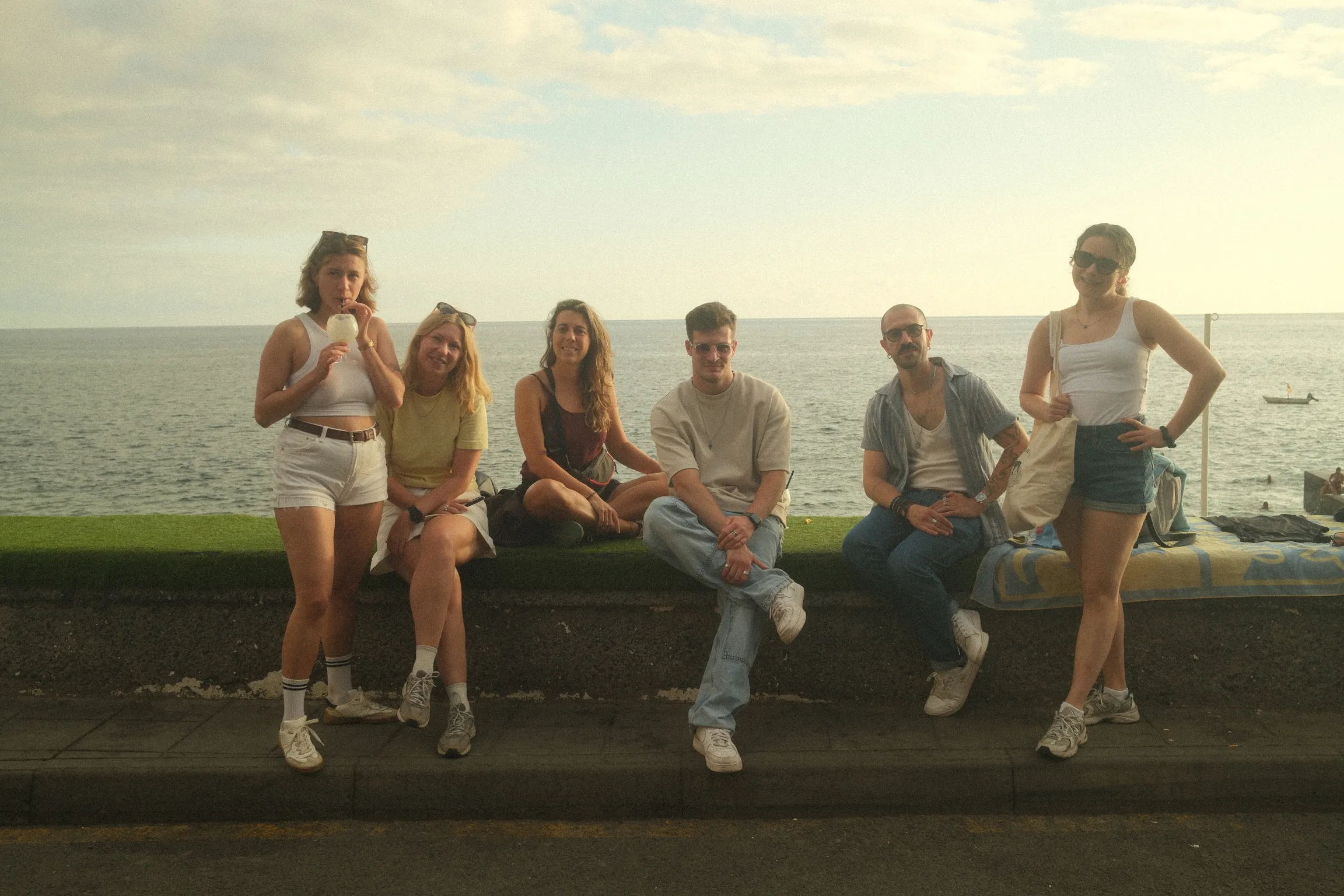
Spreading love through cooking & community.
© 2026 CasaBasilico OÜ (16850261)
All rights reserved.
Design & Branding by ahgoos.com
info@casabasilico.com