
Tenerife Weather by Month: Is It Really Always Sunny?
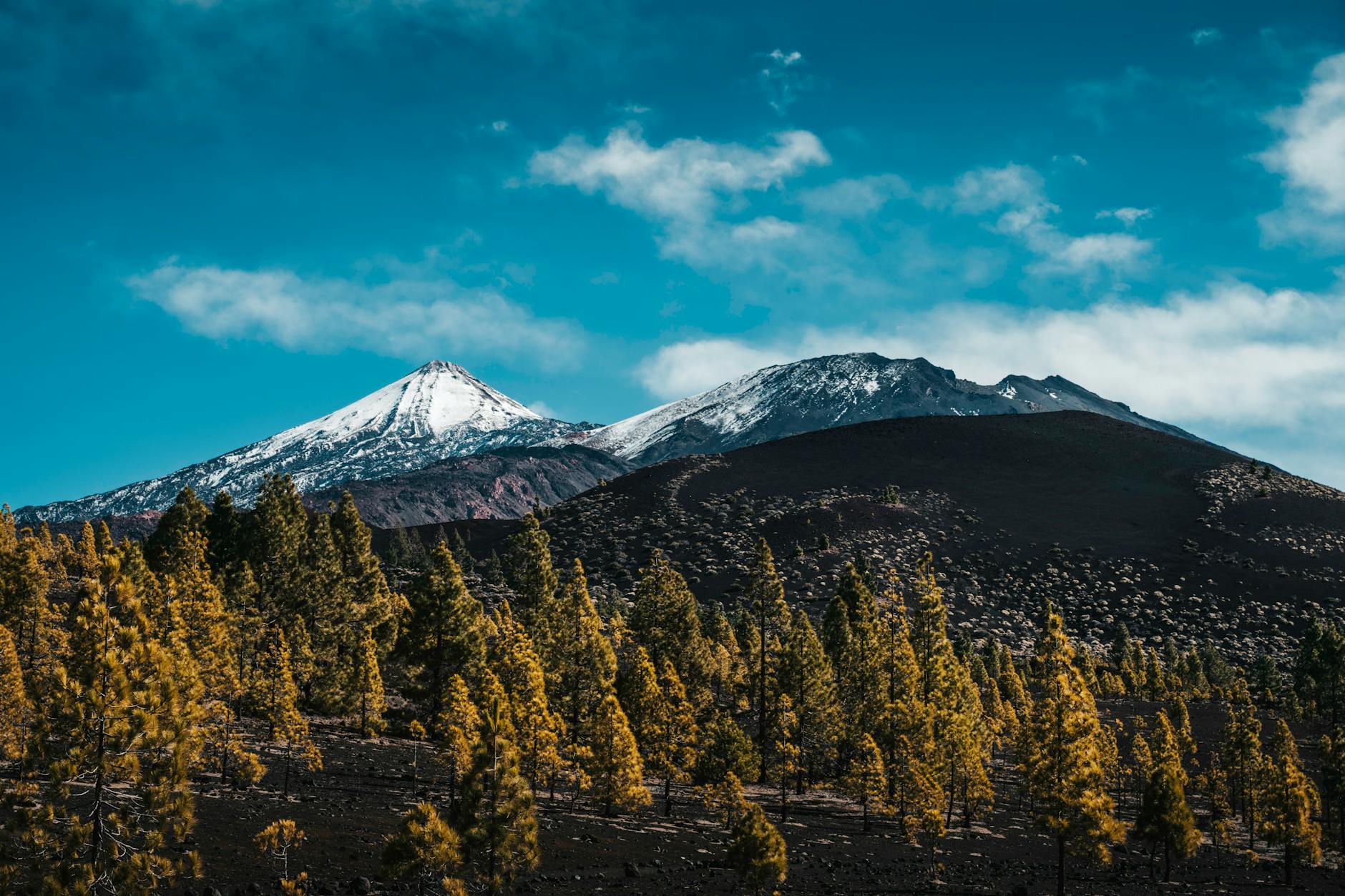
Tenerife earns its "Island of Eternal Spring" reputation. Mostly. The south (Los Cristianos, Playa de las Américas) is bone-dry and sunny nearly every day of the year, with temperatures ranging from 18°C in January to 30°C in August. The north (Puerto de la Cruz, Santa Cruz de Tenerife) tells a different story: greener, more dramatic, and cloudier from November through February, thanks to Atlantic tradewinds pushing moisture against the volcanic mountains. Year-round, sea-level temperatures stay between 17°C and 27°C. Warm enough to skip a jacket in winter, cool enough that you won't melt at your laptop in summer. For remote workers planning a longer stay, the sweet spots are March to May and September to November: reliable sun, smaller crowds, and accommodation prices running 20-30% lower than peak. August is technically sunny. It's also peak tourist chaos. We'll get to that.
Why does Tenerife have two completely different climates?
Mount Teide, a 3,718-metre active volcano sitting dead-centre on the island, shapes everything about Tenerife's weather. The tradewinds blow in from the northeast, hit the mountain, rise, cool, and dump moisture on the northern slopes. The south gets none of it.
Climatologists call this a "rain shadow effect." The north is lush, green, and occasionally moody. The south is an island-sized desert with excellent beaches. Same island, passport stamp, and flight. Completely different experience.
Puerto de la Cruz in the north gets around 300mm of rain per year. Los Cristianos in the south averages closer to 60-80mm. Some years, even less.
For anyone working remotely, this matters more than it sounds. The south gives you consistent sun. The north gives you more interesting towns, better restaurants, a proper local Canarian vibe, and mornings that sometimes look like Scotland in November. Pick your priorities.
Tenerife weather month by month
January and February
The coolest months on the island, though "cool" is relative. The south sits at 20-22°C in January. You'll see German tourists in swimwear while the locals are wearing down jackets. Both groups are wrong in their own way.
Sea temperatures drop to around 18-19°C, which is brisk. Perfectly swimmable if you're from the north of England or Ireland. Less appealing if you're from somewhere with functioning seasons.
Rainfall averages around 30mm in Santa Cruz in January and under 10mm in the south. February is similar. These are also the quietest months on the island. Hotels, apartments, and flights all cost less. Fewer queues at every restaurant. The island is running on quiet mode, and it's pleasant.
March and April
This is where Tenerife starts to look like the brochure.
Temperatures climb to 22-24°C in the south with longer sunny spells and almost no rain anywhere on the island. The Atlantic stabilises, the tradewind cloud layer thins, and sunshine hours jump: around 7 hours per day in March rising to 8-9 in April (source: AEMET, Spain's national meteorology agency).
The island's interior comes alive in spring. Almond trees bloom in February and linger into March. Wildflowers cover Teide National Park in April. Worth a half-day trip up if you can drag yourself away from the terrace.
May and June
May is the best month in Tenerife. Temperatures around 23-26°C, sea warming up to 20-21°C, nearly zero rain, and a shoulder season that keeps crowds manageable. Prices are still noticeably lower than July and August.
June starts the summer slide. Warmer, sunnier, busier. This is also when the Calima can appear: a hot, dusty wind that blows in from the Sahara and pushes temperatures up sharply for a day or two, occasionally coating everything in fine orange dust. It's not a daily thing, but it happens a few times a year and it's strange. Your laptop screen turns beige. You develop opinions about Saharan weather systems. It passes.
July and August
Hot. Busy. Expensive.
The south in August averages 28-30°C with minimal cloud cover. Beaches in Los Cristianos and Las Américas are packed. Every restaurant has a queue by 7pm. A decent apartment costing €800 in February will run €1,400 in August. That's just how it goes.
The sea, though, is at its warmest: 22-23°C. If swimming and beach time are the whole point of the trip, August delivers. If the goal is getting work done without sweating through your keyboard, maybe rethink the calendar.
Tenerife doesn't bake the way mainland Spain does. The tradewinds keep the heat bearable, and evenings cool down nicely to 22-23°C even in peak summer. It's not Seville in July. It's not trying to be.
September and October
One of the best times to be on the island. October especially.
Temperatures hold at 24-27°C. The sea stays at 22-23°C, with September being the warmest month for swimming. After the first week of September, the tourist crowds clear out. Prices follow. You can get a dinner table without planning your evening three days in advance.
October brings the first whisper of autumn in the north, but the south barely notices. Rain stays minimal across the whole island. Humidity is low, evenings are warm, and Tenerife settles into a more local rhythm. The vibe is better.
November and December
The island slows down and becomes itself again.
November is the transition month. Still warm at 21-23°C, but the tradewinds start bringing cloud cover to the north more consistently. The south stays drier. The green interior of the island comes alive after the dry summer, and the hills above Puerto de la Cruz look almost alpine.
December is mild by any honest comparison: 19-22°C in the south, slightly cooler in the north. It rains more in December than any other month (around 40-50mm in Santa Cruz), but showers are brief and usually done by morning. Christmas in Tenerife has its own rhythm: nativity scenes, papas arrugadas on every table, and festive markets that feel properly Canarian rather than imported from central Europe.
When's the best time to go if you're working remotely?
March to May or October to November. Honestly, either works.
Spring gives you the best weather without summer madness. Autumn gives you warm sea temperatures, quiet beaches, and some of the best afternoon light you'll see anywhere. Prices in both windows run 20-30% below July and August highs (source: Skyscanner seasonal price data).
January and February are worth it if you want maximum quiet and minimum cost. February also happens to be Carnival season on the nearby islands. Gran Canaria's Carnival is one of the biggest in Europe, and it's a short hop from Tenerife if you want a weekend detour. Read our full guide to coliving in Gran Canaria.
Avoid August unless you specifically enjoy crowds. Nothing wrong with that. Just don't act surprised.
What's the sea temperature like?
The Atlantic around Tenerife is cooled by the Canary Current flowing down from the north, which keeps things moderate year-round. Don't expect Mediterranean bath water, but don't expect a shock either.
Monthly sea temperatures:
The south coast beaches (Playa del Duque, Las Teresitas near Santa Cruz) have calmer water than the north coast, which gets more Atlantic swell. If swimming regularly is part of the plan, the south is the right side to be on.
Does the cloud layer actually ruin things?
There's a specific band of cloud that sits at 600-1,500 metres altitude over Tenerife for much of the year. Local drivers call it "the sea of clouds." From above, looking down from Teide, it's spectacular. From below, it can feel like someone put a grey lid on the island.
The cloud layer mostly affects mid-elevation villages. Not the coast. The south is below it. The north coast is generally below it. If you're staying in La Orotava or one of the mid-mountain towns, you might feel like you've accidentally booked a Scottish winter. At sea level, you rarely care.
The practical summary: stay coastal, pick your side of the island, and the cloud layer becomes a scenic backdrop rather than a daily inconvenience.
How does Tenerife compare to the Spanish mainland?
Madrid has sharp winters and punishing summers. Here's our guide to Madrid for remote workers. Málaga runs a proper Mediterranean climate with distinct seasons and hotter summers than Tenerife. Or read about Málaga if you want more city energy.
Tenerife barely has seasons. It's just a slightly warmer or slightly cooler version of the same mild, agreeable thing. For remote workers who don't want to manage a wardrobe across extreme temperature swings, that's useful.
Pack light layers, a swimsuit, and sunscreen. You're set for a month.
What's the food like in Tenerife? (We always get to food)
Good question. Better answer than you might expect.
Canarian cuisine is underrated on the European food map. Papas arrugadas are the foundation of everything: wrinkled potatoes boiled in heavily salted water, served with mojo verde (herb sauce) or mojo rojo (chilli and pepper sauce). They appear at every meal, every restaurant, every gathering. You will eat them at least four times a week. You will not complain.
Fresh fish is excellent, particularly in the fishing villages along the north coast. Vieja (parrotfish) and cherne (stone bass) are local staples. Gofio, a toasted grain flour made from wheat or maize that's been a Canarian staple since the indigenous Guanche people, turns up everywhere from soups to ice cream. Yes, gofio ice cream. Yes, it's good.
The wine is worth exploring. Tenerife has several DOs (denominations of origin), with Tacoronte-Acentejo in the north producing interesting reds from the Listán Negro grape and the Ycoden-Daute-Isora DO in the northwest producing whites that go well with the fish.
It's not Italy. Nothing is. But you won't go hungry or bored, which is more than can be said for most island destinations.
Come find out for yourself
Tenerife is exactly what it says: warm, mostly sunny, and easy to live in. The kind of place where you look up from your laptop in April, realise the light has been perfect for two hours, and immediately start justifying a longer stay.
We run pop-up coliving chapters for remote workers across Europe and Latin America. Real community, communal dinners that don't come from a packet, and the kind of month that gives you stories worth telling. Apply for the next Casa Basilico chapter and stop eating lunch alone.
FAQ: Tenerife weather questions people actually ask
Is Tenerife warm in January?
Yes, by most standards. The south averages 20-22°C with minimal rain. You can swim if you're determined (18-19°C sea temperature), and you'll almost certainly be eating lunch outside. Not beach-holiday warm, but comfortably jacket-optional warm.
What is the rainiest month in Tenerife?
December, particularly in the north. Santa Cruz averages around 40-50mm in December. The south stays drier year-round, typically under 10mm even in the wettest months. If outdoor activity is the plan, book the south.
Is Tenerife good to visit in November?
Yes, especially if you like it quiet. Temperatures are still 21-23°C, the summer tourist crowds have gone, prices drop noticeably, and the island starts feeling local again. The north can be cloudier in November, but the south coast stays largely unaffected.
What causes the "eternal spring" reputation?
The latitude (28°N) combined with the Canary Current, which keeps sea temperatures moderate and prevents the extreme heat you'd expect at this latitude in North Africa. The tradewinds add humidity but also stop the temperature from spiking. The result is a narrow temperature band year-round, roughly 17-30°C, that earns the label honestly.
How different are the north and south of Tenerife in summer?
Meaningfully different. The south in summer is sunnier, hotter, and more tourist-heavy. The north is greener, occasionally overcast in the mornings, and noticeably quieter. If you're choosing a remote work base, the north has more interesting towns, better local food infrastructure, and cheaper long-stay accommodation. The south has more consistent beach weather and easier access to resort facilities. Both are warm. It depends on what you're actually there to do.

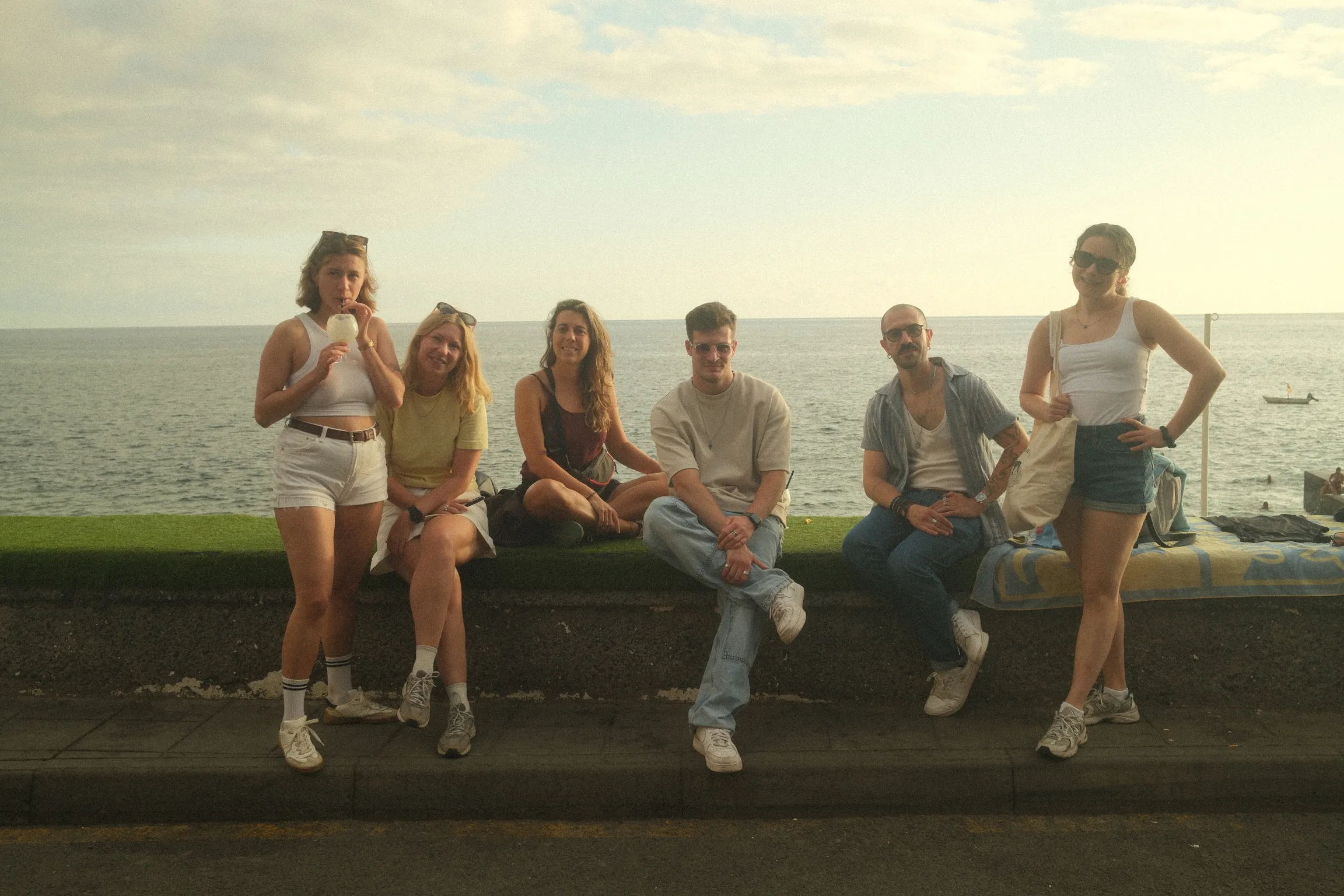
Spreading love through cooking & community.
© 2026 CasaBasilico OÜ (16850261)
All rights reserved.
Design & Branding by ahgoos.com
info@casabasilico.com