
a Remote Worker

What is a Remote Worker?
A remote worker is someone whose job doesn't require them to show up to a specific office. They work from wherever they have a laptop and decent internet: home, a café, a coliving house in Mexico, a hammock (theoretically). The job gets done. Nobody cares if you were wearing pants when you did it.
Remote work is nothing new, but the pandemic turned it from a niche perk into a standard expectation for millions of people. Today, somewhere between 15 and 30% of knowledge workers are fully or mostly remote, depending on which survey you believe. What's changed isn't just where people work. It's what they expect from where they live.
The freedom is real, but so is the loneliness. When your commute is twelve steps to your desk and lunch is whatever's in your fridge, the walls of your apartment start to feel familiar fast. Remote work solves the office problem. It doesn't automatically solve the human problem.
Why Remote Worker Matters for Digital Nomads
If you're remote, you're already halfway to being a digital nomad. You just haven't booked the flight yet. The remote worker label is broad: it includes the person who works from their kitchen in Cleveland, the one who's been nomadic for three years, and everyone in between.
What unites them is that work follows them, not the other way around. You can live in Oaxaca for a month and still hit your deadlines. You can choose your environment based on what actually makes you happy, not based on where your employer built an office in 1998.
For digital nomads, remote work is just the baseline. The interesting question is how are you actually living.
At Casa Basilico
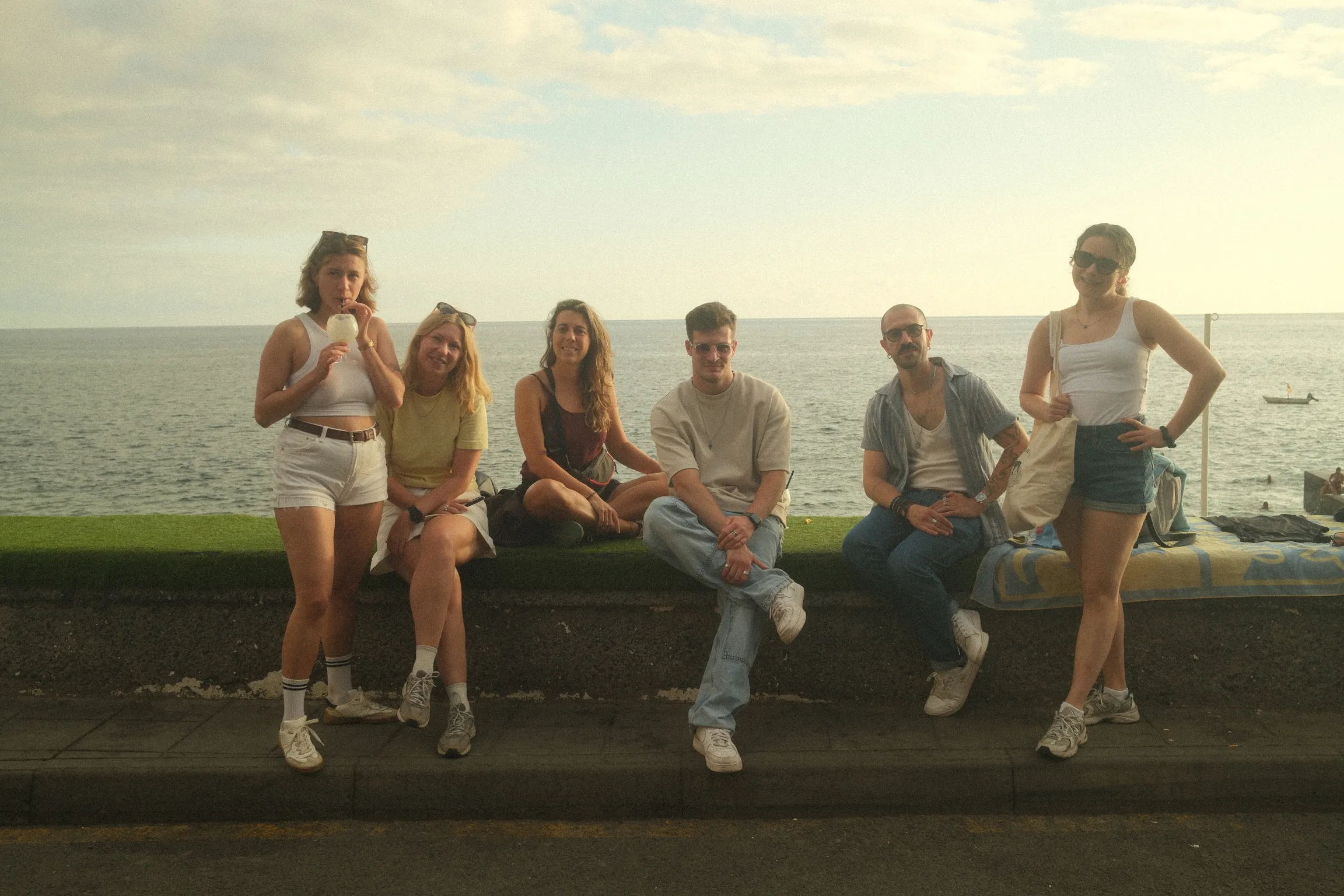
In Tarifa, we had a group of remote workers from five different countries: a developer from Poland, a UX designer from Canada, a marketing consultant from Italy, two product managers, a handful of freelancers. On paper, nothing in common. In practice, they ended up doing wind checks together every morning at 7am before work, sharing Slack updates about swell forecasts between calls, and collectively staying up too late eating grilled fish on the rooftop.
The work still happened. It always does. But nobody was eating lunch alone.
Related Terms
If you're a remote worker who's tired of working from the same four walls, come find us. Join the next chapter →


Spreading love through cooking & community.
© 2026 CasaBasilico OÜ (16850261)
All rights reserved.
Design & Branding by ahgoos.com
info@casabasilico.com