
Escape the Winter: Best Warm Destinations for Remote Workers (2026)

Escape the Winter: The Digital Nomad's Guide to Working Remotely from Warm Destinations
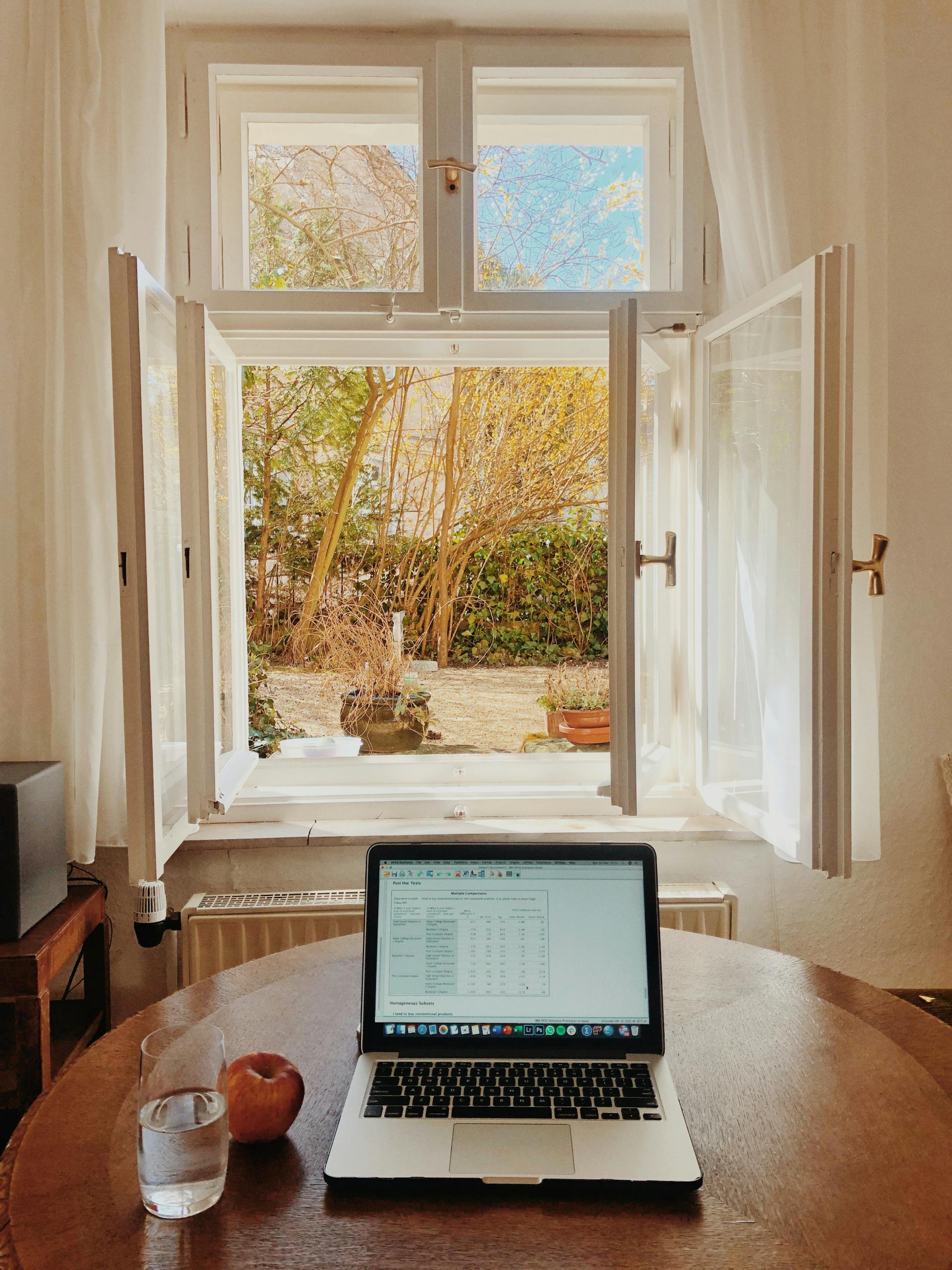
It's 7am. It's dark. It's -15°C outside. Your heating bill just hit triple digits. You're scraping ice off your car to drive to a coffee shop so you can sit in front of a laptop – the same laptop you could open literally anywhere on earth.
And somewhere in the back of your mind, a thought keeps surfacing: why am I still here?
If you work remotely, you have a superpower most people don't: location independence. Your job doesn't care if you're in Chicago or Cancún. Your clients don't know if you're in Toronto or Tulum. Your Slack messages arrive the same whether you're wearing a parka or a t-shirt.
So why are you still freezing?
This guide is for anyone who's done with seasonal depression, done with heating bills, done with sunrise at 8am and sunset at 4:30pm. If you've been daydreaming about trading snow for sunshine and actually living while you work remotely – keep reading.
It's easier than you think. And it might change everything.
Why Remote Workers Are Escaping Winter (And Why You Should Too)

Let's be honest about what winter actually costs you:
Your money. Heating bills. Winter clothes. Higher grocery prices. SAD lamps. Vitamin D supplements. That gym membership you bought because you can't exercise outside for five months. The "comfort spending" because you're stuck indoors and miserable. Winter is expensive in ways you don't even notice anymore.
Your health. Seasonal depression is real. Lack of sunlight affects your sleep, your mood, your energy, your productivity. You're not imagining it – your body is literally designed for more sun than a Canadian January provides.
Your time. How many hours have you lost to shoveling snow, delayed flights, cancelled plans, "it's too cold to go anywhere" evenings? How many weekends spent indoors because outside is actively hostile?
Your happiness. There's a reason people count down the days until spring. Winter isn't just uncomfortable – it compresses your life into a smaller, dimmer, colder version of itself.
Now imagine the alternative.
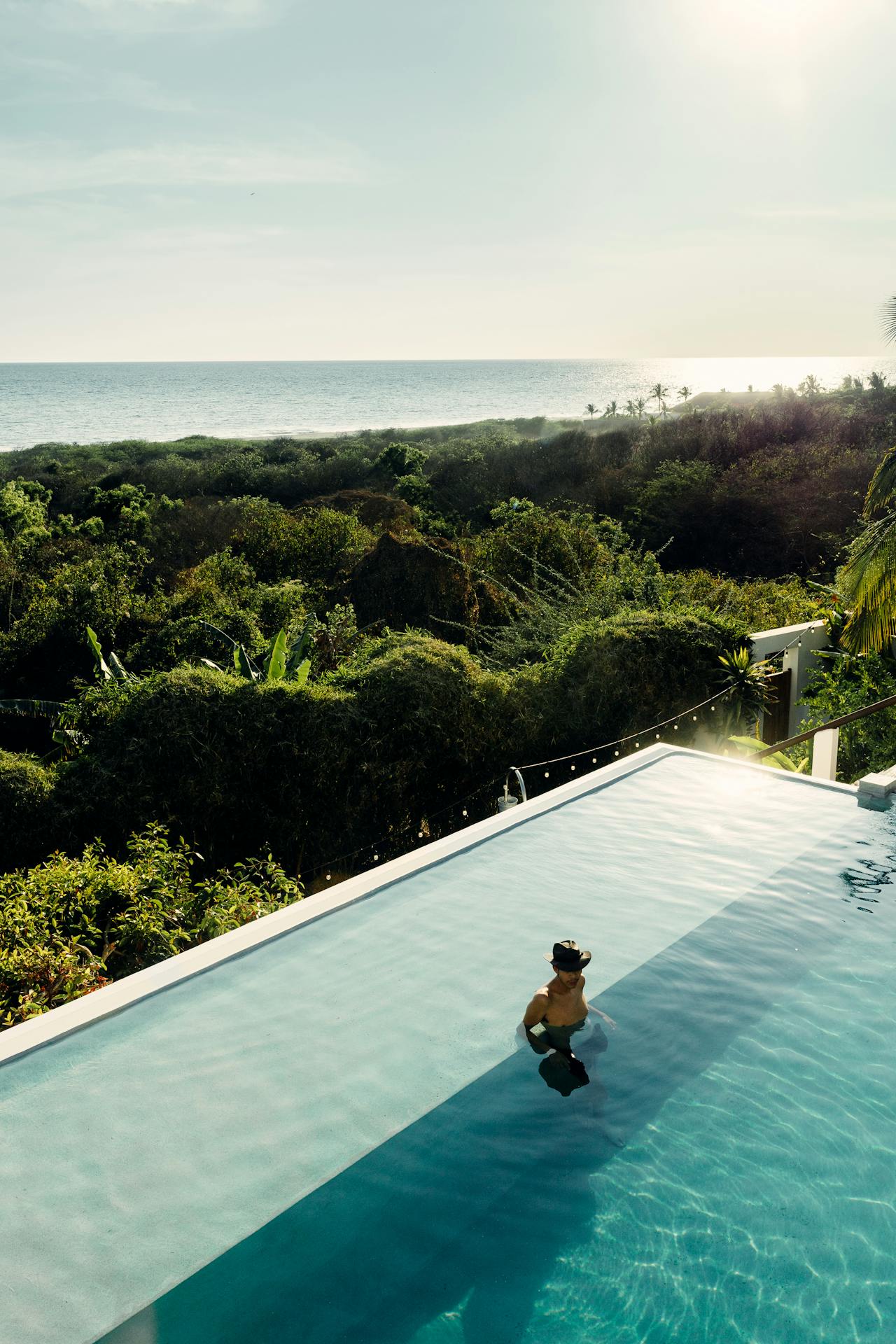
You wake up. It's warm. The sun is already out. You work from a cafe with the doors open, or a coworking space with a rooftop, or your apartment balcony with a view of mountains or ocean. After work, you go for a swim. Or a hike. Or a sunset drink with people you've met. You eat fresh food that didn't travel 3,000 miles to reach you. You feel alive.
Same job. Same salary. Same work hours. Completely different life.
That's not a fantasy. That's what thousands of remote workers do every year. And you can too.
The Best Warm Destinations for Remote Workers Escaping Winter
Not all warm places are created equal. You need somewhere with:
- Reliable internet (non-negotiable)
- Reasonable cost of living (so you actually save money)
- Timezone that works for your job (especially if you're on US/Canada hours)
- Easy visa situation (no bureaucratic nightmares)
- A community of other remote workers (so you're not alone)
- Actual things to do (not just a hotel room in a different location)
Here are the destinations that check the most boxes:
Mexico – The North American Sweet Spot
Why it works: Same timezone as US/Canada (or close), 2-5 hour flights from most cities, up to 180 days without a visa, excellent infrastructure, incredible food, established nomad communities, and costs 40-60% less than home.
Best spots: Oaxaca City (culture, food, creative community), Mexico City (big city energy, world-class everything), Mérida (colonial charm, very safe), Playa del Carmen (beach + nomad hub), Puerto Escondido (surf town vibes).
Cost: €1,100-1,800/month for a comfortable lifestyle.
The vibe: Mexico isn't just "warm." It's rich – culturally, culinarily, socially. People come for three months and stay for three years. There's a reason.
Perfect for: Anyone working US/Canada hours who wants the easiest transition – close to home, no visa hassle, no timezone pain.
Read our full Mexico Digital Nomad Guide →
Portugal – The European Classic
Why it works: Digital nomad visa available, EU access, English widely spoken, excellent infrastructure, beautiful cities, mild winter weather (Lisbon rarely drops below 10°C).
Best spots: Lisbon (cosmopolitan, big nomad scene), Porto (cheaper, artistic), Algarve coast (beach towns, quieter), Madeira (island life, year-round spring weather).
Cost: €1,500-2,500/month depending on city. Lisbon has gotten expensive.
The vibe: European lifestyle with better weather. Great coffee culture, wine, seafood. Feels civilized and easy.
Perfect for: Remote workers who want a European base, or anyone with clients in European timezones.
The catch: Timezone is tough if you work US hours (5-8 hours ahead). Portugal has also become very popular – prices are rising and some cities feel oversaturated with nomads.
Read our full Portugal Digital Nomad Guide →
Spain – Sun, Culture, Late Nights
Why it works: Digital nomad visa available, incredible food and culture, diverse regions, strong infrastructure, very livable cities.
Best spots: Barcelona (beach + city), Valencia (underrated, great weather), Canary Islands (year-round warmth, close to Africa), Málaga (sunny, affordable).
Cost: €1,400-2,200/month. Canary Islands often cheaper than mainland.
The vibe: Life is lived outside. Late dinners, tapas culture, plazas full of people at 11pm. Spain forces you to slow down and enjoy things.
Perfect for: People who want European lifestyle with more warmth and energy than Portugal.
The catch: Same timezone issues for US workers. Spanish bureaucracy can be frustrating.
Top 4 Coliving in Spain for Digital Nomad→
Colombia – Affordable and Exciting
Why it works: Low cost of living, warm climate, improving infrastructure, vibrant culture, growing nomad scene in Medellín.
Best spots: Medellín (eternal spring weather, big nomad community), Cartagena (Caribbean coast, colonial beauty), Bogotá (high altitude, cooler, big city).
Cost: €1,000-1,500/month. One of the most affordable comfortable lifestyles.
The vibe: Energetic, warm (people and weather), salsa music, incredible fruit, mountains and coast.
Perfect for: Budget-conscious nomads who want adventure and don't mind some rougher edges.
The catch: Only 90 days tourist stay (vs. Mexico's 180). Safety requires more awareness than Mexico's main nomad hubs.
Thailand – The Southeast Asia Gateway
Why it works: Very low cost of living, excellent infrastructure, incredible food, beautiful beaches and mountains, huge nomad community.
Best spots: Chiang Mai (mountains, temples, digital nomad capital of Asia), Bangkok (big city chaos), islands (Koh Lanta, Koh Phangan for beach life).
Cost: €800-1,400/month. Your money goes very far.
The vibe: Easy, friendly, delicious. Thailand has been a nomad favorite for a decade for good reason.
Perfect for: Anyone with flexible hours, or who works with Asian/Australian clients.
The catch: Timezone is brutal if you work US hours (12-14 hours ahead). You'll be taking calls at midnight. The flight is also 20+ hours – you're not popping home for a weekend.
Read our full Thailand Digital Nomad Guide →
Costa Rica – Nature + Convenience
Why it works: US-friendly timezone, easy entry for Americans, incredible nature, established expat infrastructure, safe.
Best spots: San José area (infrastructure, coworking), Pacific coast towns (surf, beach life), Caribbean side (more rustic, Caribbean vibe).
Cost: €1,400-2,000/month. Not the cheapest, but reasonable.
The vibe: "Pura vida." Slower pace, nature-focused, howler monkeys as neighbors. Good if you want warmth plus outdoor adventure.
Perfect for: Nature lovers on US timezones who want somewhere safe and relatively easy.
The catch: More expensive than Mexico or Colombia. Can feel small/limited after a while. Internet is inconsistent outside main areas.
Destination Comparison: Which Warm Escape Is Right for You?
Why Mexico Wins for Most North American Remote Workers
If you're escaping a US or Canadian winter and you haven't picked a destination yet, let me make your life easier: start with Mexico.
Here's why:
The timezone advantage is everything. You can work normal US/Canada hours without destroying your sleep schedule or missing every evening with friends. This sounds small until you've tried working from Lisbon (6pm meetings become midnight) or Chiang Mai (your 9am standup is their 10pm).
Getting there is easy and cheap. Direct flights from most major US and Canadian cities. $200-400 roundtrip if you book ahead. 2-5 hours in the air. You can go home for emergencies, holidays, or whenever – this isn't a 30-hour commitment like Southeast Asia.
180 days without a visa. Six months. No applications, no proof of income, no embassy appointments. You land, they stamp your passport, you're in. That's more time than almost any other country offers this easily.
Your money works harder. The same lifestyle that costs $4,000/month in a US city runs $1,500-2,000 in Mexico. You're not "roughing it" – you're living better for less.
It's not that far. Friends and family can visit easily. You can fly home for a long weekend if you need to. You're not disappearing to the other side of the world – you're just moving to the warm part of North America.
The food alone is worth it. This isn't "Mexican food" like you know from home. This is regional cuisines, family recipes, markets overflowing with ingredients you've never seen. Your lunch break becomes an adventure.
Mexico isn't perfect. Nowhere is. But for a North American remote worker escaping winter, it's the lowest-friction, highest-reward option out there.
How to Actually Make the Move
Okay, so you're convinced (or at least curious). How do you actually do this?
Step 1: Check Your Work Situation
Before you book anything, make sure you can actually work remotely from another country. Most remote jobs are fine with this. Some have restrictions. A few questions to consider:
- Does your company have a policy about working from abroad?
- Are there time zone requirements for meetings or collaboration?
- Do you need to be available during specific hours?
- Are there any tax or legal implications? (Usually not for short stays, but worth checking)
If you're freelance or self-employed: congratulations, you already have permission.
Step 2: Pick Your Destination (and Length)
For a first escape, we recommend:
- 1 month minimum. A week feels like vacation. A month lets you settle in, find your rhythm, and actually experience what living somewhere is like.
- Start with one city. Don't try to see everything. Pick one base, get comfortable, then explore from there.
- Choose somewhere with established nomad infrastructure. Your first escape isn't the time to pioneer a new destination. Go where others have gone, where the wifi is reliable, where you can find your people.
Step 3: Handle the Logistics
Flights: Book 4-8 weeks ahead for best prices. One-way is often fine – you can book return when you know your plans.
Accommodation: Airbnb works. Filter for wifi mentions in reviews. Book your first week somewhere safe and reviewed, then you can explore and move if needed. Monthly stays get significant discounts.
Money: Get a card with no foreign transaction fees (Wise, Revolut). Have a backup card. Know where ATMs are.
Insurance: Travel health insurance is important. SafetyWing and World Nomads are popular with remote workers.
Phone: Get a local SIM or eSIM (Airalo, Holafly). Data is cheap almost everywhere.
Step 4: Just Go
Here's the thing: you can research forever. You can make spreadsheets. You can read 47 more blog posts.
Or you can book a flight and figure out the rest when you get there.
Thousands of people do this every year. They're not braver than you or more prepared than you. They just decided to go.
The "right moment" doesn't exist. There will always be reasons to wait. Your lease renewal. That project at work. The holidays. Tax season. Something.
Meanwhile, winter keeps coming. Every year. The same darkness, the same cold, the same feeling of life being smaller than it should be.
What if this year was different?
Go With a Community (Not Alone)
Here's something nobody tells you about escaping winter: the hardest part isn't logistics. It's loneliness.
You can book the perfect apartment in the perfect city with perfect weather – and still feel isolated. You're in a new place where you don't know anyone. You're working from your laptop while life happens around you. You're free, technically, but also kind of... alone.
This is why colivings exist.
The idea is simple: instead of figuring everything out solo, you arrive somewhere with a community already built in. People to work alongside during the day. People to explore with on weekends. People to have dinner with every night.
Not networking events and forced icebreakers. Just... humans. Sharing space. Cooking together. Actually connecting.
It turns "escaping winter" from a solo experiment into a shared adventure. And it's the difference between a nice trip and a life-changing experience.
Escape Winter with Casa Basilico
We're Juls and Fabio, and we run a foodie coliving pop-up for digital nomads called Casa Basilico.
Every few months, we pick a destination, find an amazing house, and bring together a small group of remote workers who actually want to connect. We cook dinner together every night. We work during the week. Weekends are for adventures – sometimes planned, sometimes spontaneous, occasionally involving hot air balloons at 5am.
No subscription fees. No "networking events." No fake community vibes. Just good people, good food, and a month you won't forget.
Spring 2026, we're heading to Oaxaca, Mexico.
If you've read this far, Oaxaca might be exactly what you're looking for. It's a colonial city in the southern highlands – incredible food (the best in Mexico, honestly), vibrant culture, friendly nomad community, and a pace that lets you actually focus on work and life without big-city chaos.
March and April in Oaxaca means perfect weather: warm days, cool evenings, dry season, no crowds. It's the sweet spot.
You could book an Airbnb and do this solo. Figure out the wifi situation, find places to work, try to meet people organically, eat dinner alone half the nights.
Or you could show up with a community already waiting. Kitchen full of food. People cooking together. Weekend trips planned. Friends from day one.
Same escape. Very different experience.
If that sounds like your kind of thing, check out our Oaxaca chapter. We hand-pick every guest to make sure the vibe is right – so if you're a good human who wants real connection (not just another coworking space), we'd love to meet you.
Your laptop works from anywhere. Your winter doesn't have to follow you.
Come cook with us. 🌮
Winter is coming. We'll be in Brazil.
Pipa chapter, Jan–Mar 2027: 30°C, surf before standup, and a dinner table that seats everyone. 180+ nomads have lived with us. Your turn.
Take me to Brazil 🇧🇷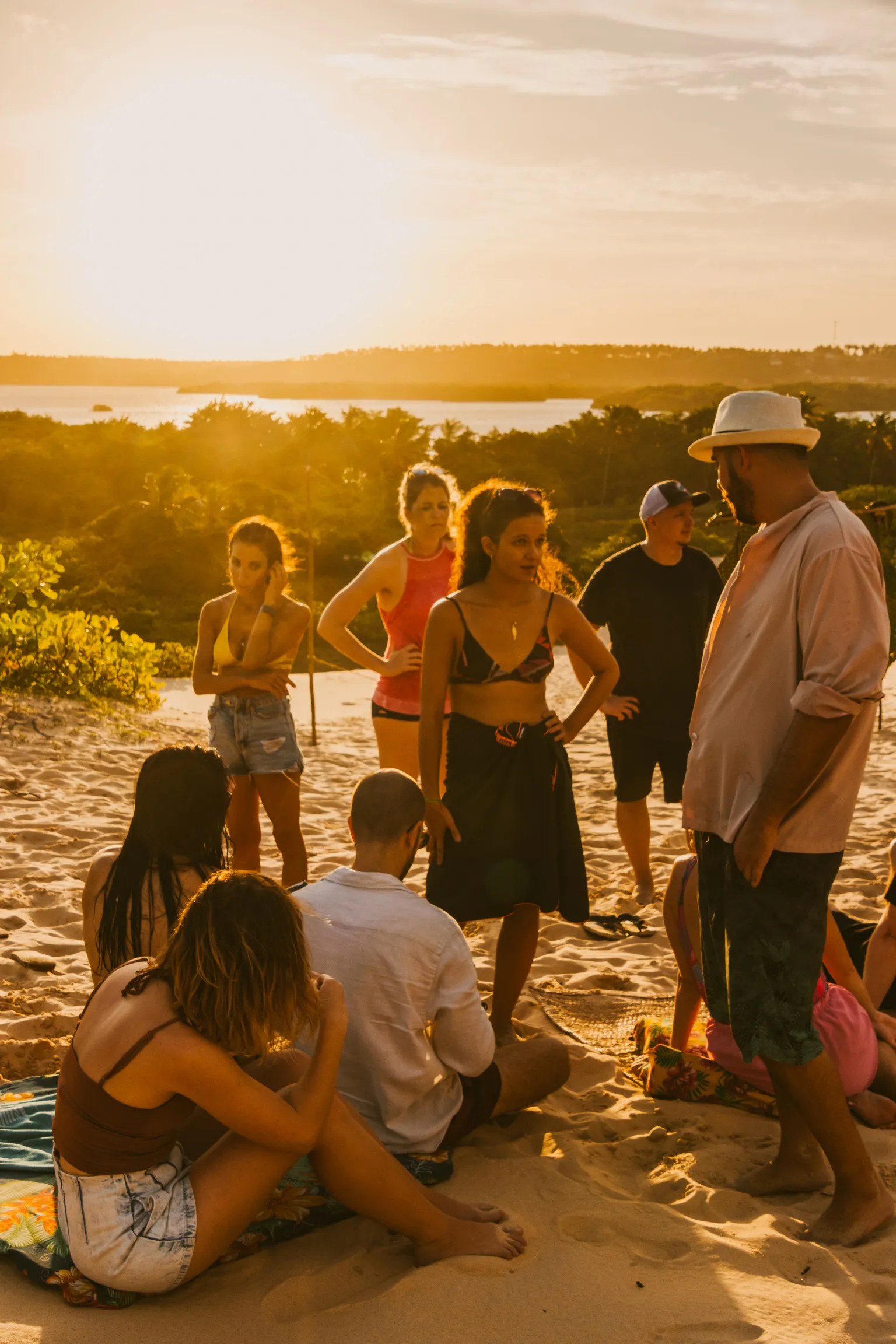

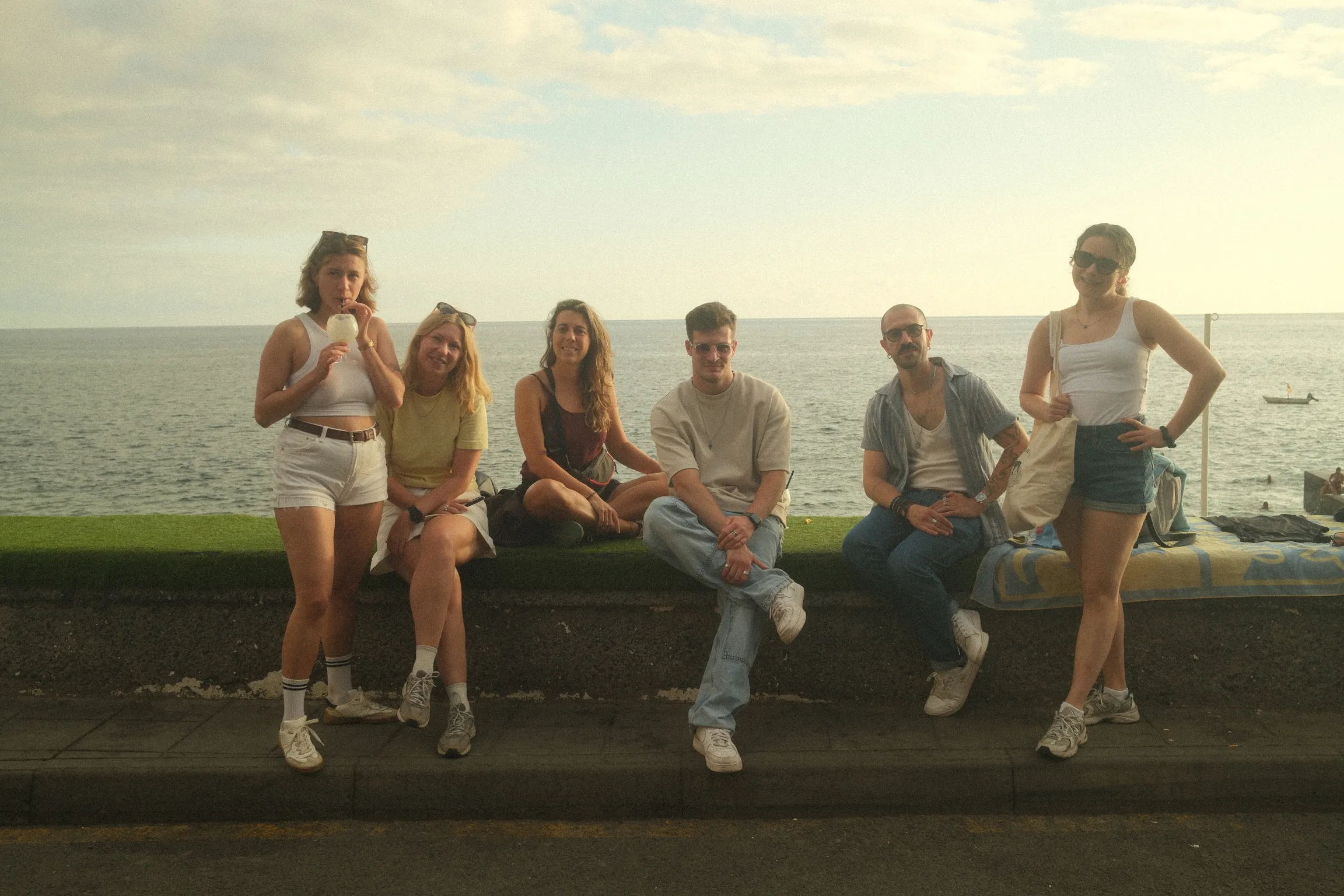
Spreading love through cooking & community.
© 2026 CasaBasilico OÜ (16850261)
All rights reserved.
Design & Branding by ahgoos.com
info@casabasilico.com