
Argentina Digital Nomad Visa: What Remote Workers Need to Know
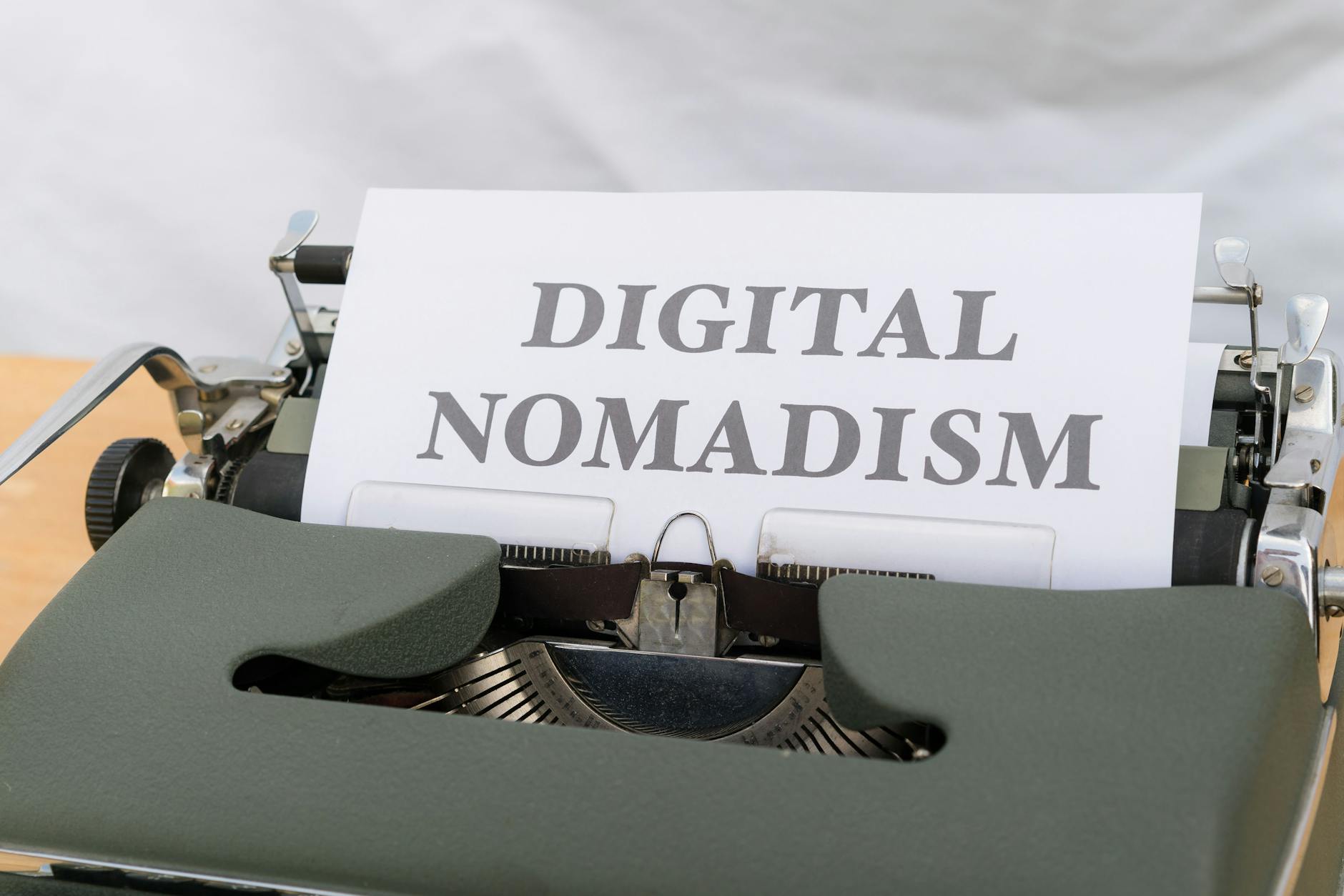
Short answer: Argentina does not call the route a "digital nomad visa" on its official website. The government describes it as a temporary residence for foreign nationals who can enter Argentina without a tourist visa and who work remotely for people or companies based abroad. It lasts up to 180 days and can be extended for the same period. The application asks for identity, address, regular entry, and evidence of remote work. If Buenos Aires is on your list, this is the route to investigate first. It is not a guarantee of eligibility, and it does not settle your tax position. Read the official Argentine service page before relying on any summary.
Every immigration detail in this guide was checked against the official Argentine service page on 18 August 2026. This is a practical starting point, not legal or tax advice. Check Migraciones before you book a flight, sign a lease, or build your whole plan around one paragraph on the internet.
The short answer
Argentina has a temporary residence route for digital nomads. It is for nationals of countries that do not require a tourist visa to enter Argentina, and it covers remote services for people or legal entities domiciled abroad.
The official route provides up to 180 days of temporary residence and can be extended for the same period. That gives an eligible remote worker a possible stay of up to a year, subject to the current requirements and approval of the extension.
The route is not a blanket permission for every kind of work. The government page describes remote services for foreign clients or companies. If your plan involves working for an Argentine employer or taking local paid work, ask Migraciones which status applies instead.
Who can apply?
The official service is aimed at foreign nationals who meet both conditions:
- their nationality does not require a tourist visa to enter Argentina
- they will provide services remotely, using computer, telecommunications, or similar tools, for people or legal entities domiciled abroad
That first point matters. A person who needs a tourist visa to enter Argentina is outside the eligibility described on this particular temporary-residence route. Do not assume that a remote job changes the entry rules attached to your passport.
The page also says the applicant needs regular entry into Argentina. In plain English, you need to have entered the country lawfully before completing the in-country procedure.
What documents does Argentina ask for?
The exact checklist can change, so use the official service page as the source you recheck before applying. The current service lists:
- a valid passport, or an eligible Mercosur travel document for Mercosur nationals
- an Argentine criminal-record certificate for applicants over 16
- proof of address
- proof of regular entry
- a signed request describing the personal details and independent or employment activities you will carry out
- a short CV that explains your experience and education or training
- evidence of your remote work, such as a contract, company endorsement, proof of requested work, or certificates or receipts for income or fees
- at least one professional reference connected to your occupation
The list is more specific than "show you work online." You need evidence that explains what you do and who the work is for. A laptop and a confident LinkedIn headline are not a document pack.
The government page also notes an exceptional identity-document option through a consular nationality certificate, with photograph and legalisation requirements. That is not the normal route. If your passport situation is unusual, ask the relevant authority before relying on it.
How does the application work?
Argentina describes this as a partly in-person process. The digital-nomad service page says the application is completed in person and not through the Radex system.
If you live in the City of Buenos Aires, the page directs applicants to contact the relevant immigration office by email. If you are elsewhere in Argentina, it says to appear in person at the National Directorate of Migration office or delegation for your jurisdiction.
That means the order of operations matters. Check your nationality and entry eligibility first. Gather the current documents next. Then confirm the correct office and appointment instructions. Do not fly in assuming that an online form will finish the process for you.
The official page does not show a fee in the published cost section. Treat that as a reason to confirm the current amount with Migraciones, not as proof that the process is free.
How long does the residence last?
The official service says the temporary residence is granted for up to 180 days and can be extended. The page also describes the extension as being for the same period.
That is the useful planning answer. The route is not limited to a short holiday, but it is also not permanent residence. An extension is a separate step, and you should confirm the timing and current conditions before the first period ends.
For a month in Buenos Aires, that distinction is practical rather than theoretical. You are choosing a legal route for a stay that could be longer than a normal trip, while keeping your work tied to people or companies outside Argentina.
Does the route let you work for an Argentine company?
The official wording covers remote services for people or legal entities domiciled abroad. It does not describe this route as a way to take a local Argentine job.
If an Argentine company will employ you, pay you, or contract you for local services, stop and ask for advice on the correct status. The fact that you can do the work from a laptop does not answer the immigration question by itself.
The same caution applies to freelancers. A foreign client, a local client, and a company you own can create different legal and tax questions. Keep your evidence clear, and ask the authority or a qualified adviser about the arrangement you actually have.
Does temporary residence decide your taxes?
No. Immigration status and tax residence are separate systems.
Your Europe explains the general principle for EU citizens working across borders: countries define tax residence under their own laws, and a person can sometimes be considered resident in more than one country. Spending more than six months in a country is a common indicator in EU guidance, but permanent homes, personal and economic ties, domestic rules, and tax treaties can change the result.
Argentina has its own rules. Your passport, home country, employer or clients, company structure, days in the country, and other ties all matter. Before you rely on a temporary residence route for a long stay, ask a cross-border tax adviser how Argentina and your home country treat your situation.
Do not treat "I am not working for an Argentine company" as a complete tax answer. It only describes one part of the picture.
How this relates to Casa Basilico's Buenos Aires chapter
Casa Basilico intends to launch a Buenos Aires chapter. The dates, neighbourhood, address, room count, minimum stay, price, and chapter positioning are not public yet.
That means this guide can help you understand the route without pretending that a booking is open. For the wider destination context, read the Argentina country guide and Buenos Aires city guide. You can also compare the main remote-work residence routes in our digital nomad visa guide.
Argentina digital nomad visa checklist
Before you apply, confirm these points:
- Your nationality does not require a tourist visa for entry under the route's current rules.
- Your work is remote and the people or legal entities you serve are domiciled outside Argentina.
- Your passport and entry record meet the current requirements.
- You can provide proof of address and the current criminal-record document, if required for your age.
- Your CV, professional reference, contract, income evidence, or company letter explains the work clearly.
- You know which immigration office handles your application and whether you need an appointment.
- You have checked tax and social-security implications separately from immigration.
- You have a plan for the extension if you expect to stay beyond the first 180 days.
Frequently asked questions
Is there a digital nomad visa for Argentina?
Argentina has an official temporary-residence route for digital nomads. The government service page calls it "residencia transitoria como Nómada Digital" rather than a standalone visa category.
How long can a digital nomad stay in Argentina?
The official route provides temporary residence for up to 180 days and says it can be extended for the same period.
Can I apply if I need a tourist visa to enter Argentina?
The official service says this route is only for nationals of countries that do not require a tourist visa to enter Argentina. Check your passport-specific entry rules before planning an application.
What proof of remote work do I need?
The current page lists evidence such as a contract, company endorsement, proof of requested work, certificates, or receipts for income or fees. It also asks for a short CV and at least one professional reference connected to your occupation.
Does the route make me tax-resident in Argentina?
Not automatically. Tax residence depends on the laws and agreements that apply to your personal situation. Get country-specific tax advice before treating the temporary-residence period as tax-neutral.
Thinking about Buenos Aires?
Casa Basilico is preparing a Buenos Aires chapter. Dates, address, rooms, and prices are not public yet. See the destinations already confirmed and follow the next chapter.
See upcoming chapters →About the author
Fabio Deriu and Julia “Juls” Zaboklicka are the co-founders of Casa Basilico, a pop-up foodie coliving for digital nomads. They started by cooking for remote workers in Madeira and now host travelling chapters built around work, shared food, and community.

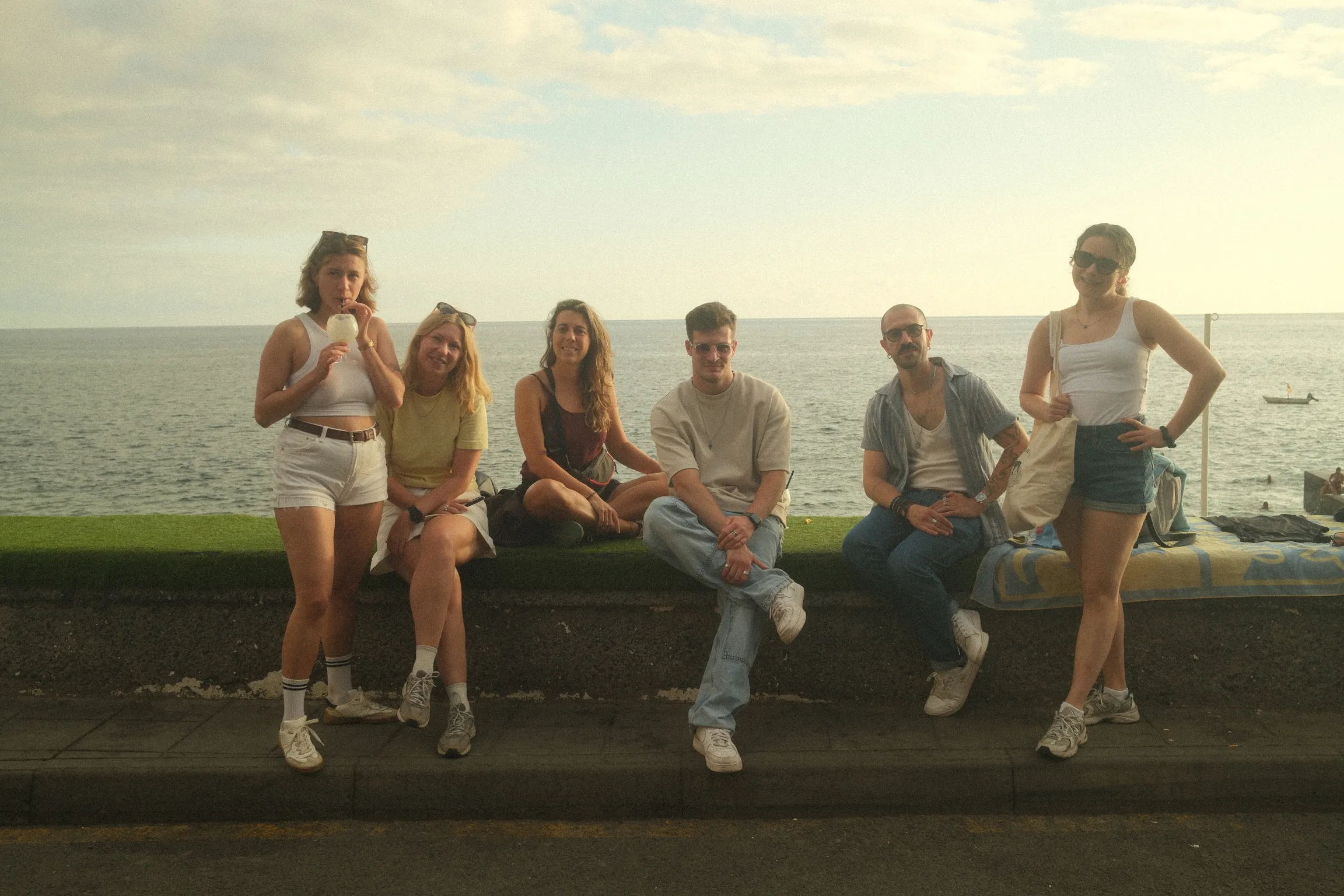
Spreading love through cooking & community.
© 2026 CasaBasilico OÜ (16850261)
All rights reserved.
Design & Branding by ahgoos.com
info@casabasilico.com