Coliving in Buenos Aires, Argentina for Digital Nomads
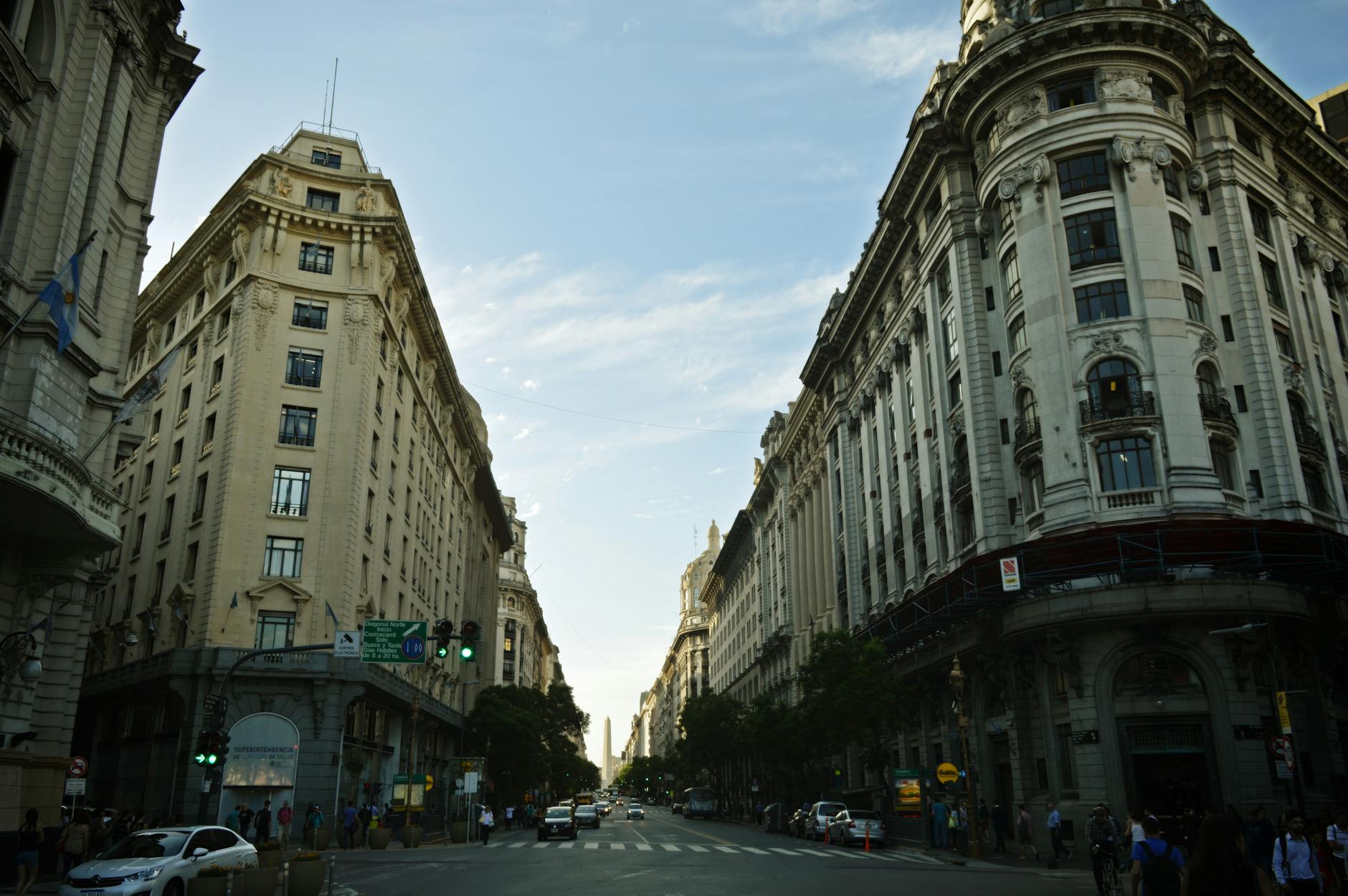
Buenos Aires is one of those cities that gets under your skin fast. You land thinking "I'll do a month" and six months later you're still here, eating your third empanada of the day and pretending you're going to leave next week. As a digital nomad, you get the full package: a world-class food scene, a buzzing social life, excellent internet in the right neighborhoods, and a cost of living that feels almost embarrassingly low when you're earning in dollars or euros. The city runs on a rhythm that's equal parts chaotic and magnetic: late dinners, long conversations, spontaneous asados on someone's rooftop. Work hours are flexible, naps are encouraged, and no one eats before 9 PM. It's a Latin American capital with serious European DNA (Italian and Spanish immigration runs deep), which means gorgeous architecture, proper coffee, and people who take food seriously. Buenos Aires is not a relaxing city. It makes you feel alive.
Key Stats
Cost source: Numbeo Buenos Aires cost of living index, 2025.
The exchange rate thing: Argentina has a complex currency situation. Foreigners withdrawing pesos from foreign accounts or exchanging officially get a worse rate. Use a fintech like Wise or Revolut to spend in USD/EUR directly, or exchange cash through legal exchange houses ("casas de cambio") for a better rate. This is normal, legal for tourists, and makes an already cheap city feel affordable.
Best Neighborhoods for Remote Workers
Palermo is where most nomads end up, and for good reason. It's split into sub-neighborhoods (Palermo Hollywood, Palermo Soho, Palermo Chico) but the whole zone is walkable, loaded with cafes and restaurants, and has the highest density of coworking spaces in the city. It's safe to walk at night, has good parks for laptop breaks, and the wifi situation is solid. It can feel like a bubble, in a good way, most of the time.
Villa Crespo sits right next to Palermo and costs noticeably less. It's got a neighborhood feel rather than a tourist feel — local bakeries, corner wine shops, street art, and a growing cafe scene that draws creatives and freelancers. If you want Palermo vibes without Palermo prices, this is your neighborhood.
Recoleta is the elegant one. Wide boulevards, grand apartment buildings, the famous cemetery, and some of the city's best restaurants. It's quieter and more upscale, which makes it great if you need to actually focus. Less of a social hub, more of a "I'm here to work and eat well" base.
San Telmo is the historic heart — cobblestones, tango, antique markets, colonial architecture. It's atmospheric as hell but the infrastructure is patchier (older buildings, older wifi). Good for a weekend, fine for a base if you embrace the tradeoffs and love the vibe.
Coworking Spaces in Buenos Aires
Areatres has multiple locations across Palermo and the city center. It's one of the most established coworking operations in Buenos Aires — solid internet, proper desks, event programming, and a community that actually uses the space. Good starting point.
Urban Station is a coworking chain with a few locations and a flexible drop-in model. No commitment, pay as you go, consistent quality. It's become popular with nomads who don't want to lock into a monthly plan straight away.
Selina Buenos Aires (Palermo) does the full Selina thing — coworking by day, hostel/social hub by evening. If you want to meet people fast and don't mind a livelier environment during work hours, it works. The wifi is generally good and the coliving community keeps things social.
What to Eat in Buenos Aires 🥩
Buenos Aires will ruin you for beef forever. Asado is a religion here. A proper Argentine BBQ runs three to four hours. Cuts arrive one after another, never all at once. Chorizo first, then mollejas (sweetbreads, trust the process), then the main cuts: vacío, entraña, asado de tira. All cooked over wood coals, with chimichurri on the side. Find yourself invited to someone's asado and you cancel whatever you had planned. No discussion.
The milanesa is Argentina's true comfort food — a breaded, pan-fried cutlet of beef or chicken, served with fried eggs on top (milanesa a la napolitana adds tomato sauce and melted cheese). It's everywhere, costs almost nothing, and is deeply satisfying. Get one from a corner panadería and eat it standing up like a local.
Empanadas deserve their own paragraph. Buenos Aires has regional styles from all over Argentina available, but the criolle version — ground beef with egg, olives, and cumin — is the baseline. Order a dozen, share with nobody, feel no guilt.
The city's Italian heritage means pizza here is its own thing: thick, doughy, eaten by the slice at midnight from places like El Cuartito or Guerrín in the city center. It's not Neapolitan. Don't compare it to Neapolitan. Just eat it.
For markets: Mercado de San Telmo is the historic one — vendors selling cured meats, cheeses, olives, pastries, and fresh produce inside a beautiful 19th-century iron structure. Go on a weekday to avoid the tourist crush. Mercado de Palermo (also called Mercado del Progreso on some maps) is the neighborhood everyday option — good butchers, excellent deli counters, and a food court that's better than it sounds.
Medialunas — Argentine croissants, sweeter and smaller than French ones — are the morning ritual alongside café con leche. Mate is the other ritual, shared from a gourd with a metal straw, passed around in parks and offices and apartments. If someone offers you mate, you accept. It's not optional.
And finally: dulce de leche on everything. In your pastry, in your ice cream, on your toast, directly from the jar with a spoon if no one's watching. It's caramel's superior cousin and Buenos Aires puts it on everything with zero apologies.
FAQ
Is Buenos Aires good for digital nomads?
Yes, genuinely one of the best cities in Latin America. Fast internet, a huge expat and nomad community (especially in Palermo), incredible food and nightlife, and costs that are manageable for people earning in USD or EUR. The political and economic volatility is real, but day-to-day life for a short-to-medium-term nomad is excellent.
When is the best time to visit Buenos Aires as a digital nomad?
March–May and September–November are ideal — mild weather, not peak tourist season, the city is in full swing. Summer (December–February) is hot and humid, and locals escape in January. Winter (June–August) is mild by European standards but the social energy dips slightly.
How does the exchange rate work for digital nomads?
Argentina has multiple exchange rates. As a foreigner, your best bet is to spend directly via foreign Visa/Mastercard at the "tarjeta" rate (which is near the official rate but has improved), or exchange USD cash at reputable exchange houses for a better rate. Avoid the black market — it's not worth the risk. The situation changes frequently, so check current advice when you arrive.
Is Spanish necessary in Buenos Aires?
It helps a lot, especially outside tourist areas. Buenos Aires Spanish has a distinct accent (voseo — "vos" instead of "tú") and Italian-influenced rhythm that sounds unlike any other Latin American city. Most coworking spaces, hostels, and nomad hubs have English speakers, but learning a few basics will make daily life easier and people appreciate the effort.
How long can I stay in Argentina without a visa?
US and EU citizens get 90 days on arrival, automatically. It can be extended once at the immigration office (Migraciones) for another 90 days. Many nomads simply cross to Uruguay for a day (the ferry to Colonia is 3 hours) and re-enter for a fresh 90 days — this is common practice.
Related Destinations
Planning your next move? These cities work well before or after Buenos Aires:
Winter is coming. We'll be in Brazil.
Pipa chapter, Jan–Mar 2027: 30°C, surf before standup, and a dinner table that seats everyone. 180+ nomads have lived with us. Your turn.
Take me to Brazil 🇧🇷