
Best Places to Live in Europe for Digital Nomads in 2026
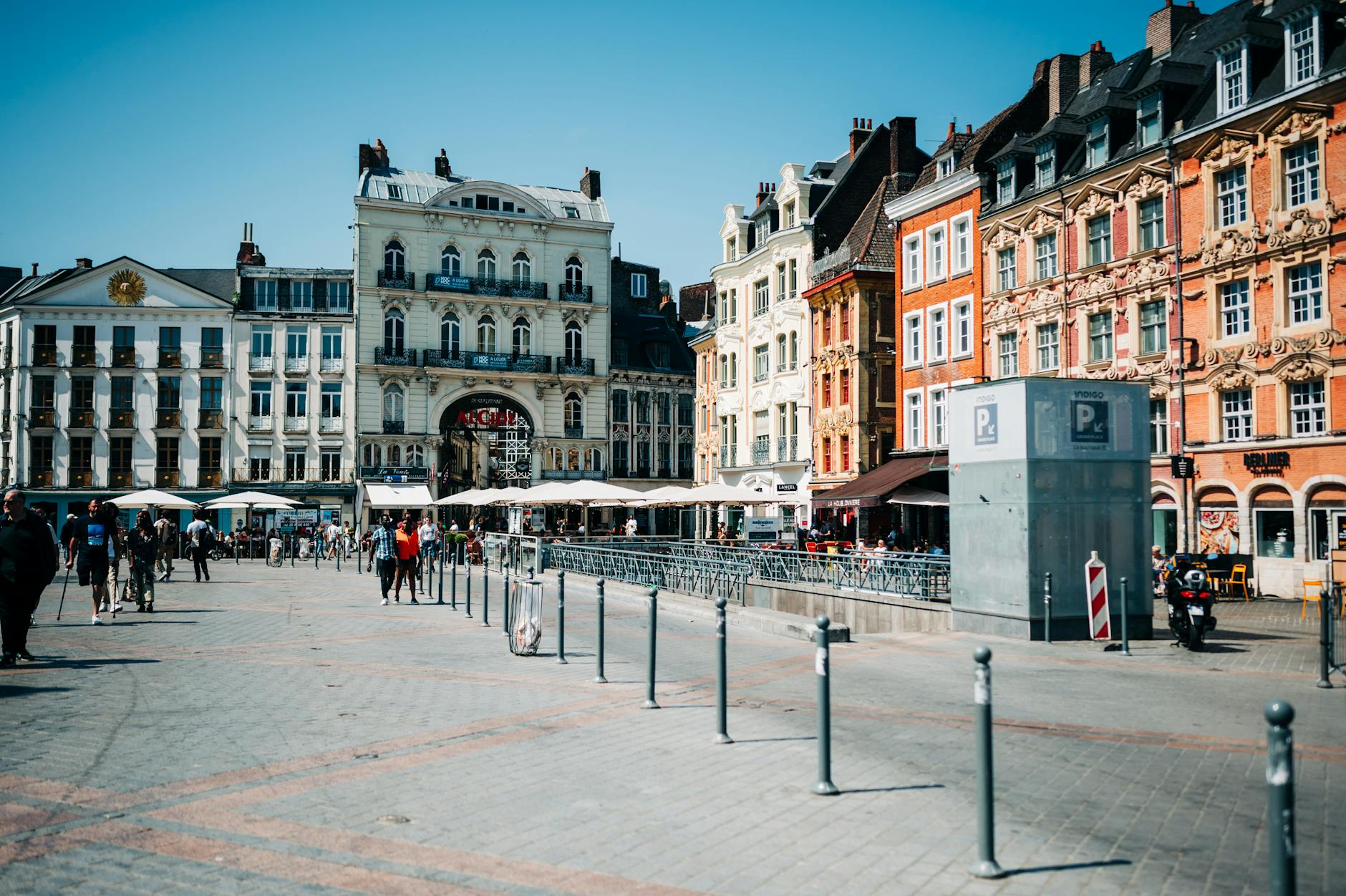
The best places to live in Europe for digital nomads in 2026 are Las Palmas de Gran Canaria, Tbilisi, Split, Madeira, Lisbon, and Puglia. Each offers fiber internet above 150 Mbps in coworking spaces, established nomad communities, and a pace of life that makes you forget you had a commute once. Monthly costs range from around €900 in Tbilisi to €2,000+ in Lisbon. Las Palmas wins on weather (18-22°C year-round), Tbilisi wins on price, Madeira has the best digital nomad visa in Europe, Split gets you the Adriatic for less than most Mediterranean cities, and Puglia is what happens when Italy decided to be affordable and delicious at the same time. The right pick depends on your budget, your timezone requirements, and whether you're willing to learn a few words in the local language to get better service at restaurants. You always should.
Why do digital nomads keep choosing Europe?
Simple. Europe works. The timezone covers US East Coast afternoons and Asian mornings with some effort. The Schengen zone gives you 90 days across 27 countries on a single entry. Many EU countries now have dedicated digital nomad visas, like Portugal's D8 and Croatia's digital nomad permit, designed specifically for people who work online. Infrastructure is reliable, healthcare is accessible, and you can drink the tap water almost everywhere.
The internet is solid too. According to Ookla's 2025 Speedtest Global Index, median fixed broadband speeds across the EU hit 147 Mbps, with several destinations on this list punching well above that in coworking spaces.
Europe is also one of the few regions where you can completely change your environment every month, from Mediterranean coast to Eastern Europe to Atlantic islands, without ever needing a connecting flight longer than three hours. The logistics are easy. The food quality is generally excellent. And the café culture means you can work from a beautiful terrace in the morning and not feel like you're in a WeWork at noon.
Which European city is cheapest for digital nomads?
Tbilisi, Georgia sits at the edge of Europe geographically, technically in the Caucasus, but it's been a nomad staple for five years running and deserves a spot on this list. Most nationalities get 365 visa-free days. Average monthly costs run €800-1,100 for a comfortable life: a nice one-bedroom in the historic Marjanishvili neighborhood runs €400-500/month, Georgian food is outstanding (khinkali, khachapuri, natural wines from the Kakheti region), and coworking spaces like Fabrika run around 150-200 Mbps on average.
The thing nobody tells you about Tbilisi: the city is weirdly photogenic, the people are extraordinarily hospitable, and you will spend your first three weeks eating too much bread. This is not a problem.
Politically it's been complicated in 2024-2025, so monitor the situation before committing to a long stay. But for budget-conscious nomads who want Eastern European pricing with surprisingly good coffee culture, Tbilisi is hard to beat.
Monthly cost estimate: €800-1,200
Coworking speeds: 150-200 Mbps
Visa situation: 365 days visa-free (most nationalities)
Best for: Maximum runway extension, wine tourism as a hobby
Is Las Palmas still worth it in 2026?
Yes, and if you haven't been, go. Las Palmas de Gran Canaria has been on every nomad list since 2018 and it keeps delivering because the fundamentals don't change: eternal spring (18-22°C year-round), direct flights from most European capitals, prices that are Spanish but not Madrid-Spanish, and a beach fifteen minutes from the coworking spaces in the Triana neighborhood.
Monthly costs sit around €1,200-1,600. Rent near Las Canteras beach runs €600-900 depending on whether you want a sea view or a roommate. Coworking spaces in the city center average around 300 Mbps. The food scene has improved over the last few years. Find the local fish restaurants near the port and order whatever the fisherman brought in that morning. Don't overthink it.
The downside is that Las Palmas has been discovered. The nomad community is large, which is either a feature or a bug depending on whether you came here to meet other people who use Notion. In February the whole island becomes a carnival and you will not get any work done and you will not care.
Monthly cost estimate: €1,200-1,600
Coworking speeds: 250-350 Mbps
Visa situation: Canary Islands are Spain, Schengen applies
Best for: Weather reliability, established nomad community, carnival-induced productivity collapse
What makes Madeira different from every other nomad destination?
Madeira launched the world's first dedicated digital nomad village in Ponta do Sol in 2022 and then surprised everyone by actually maintaining it. The Digital Nomads Madeira program has supported thousands of remote workers since launch, and the island now has infrastructure calibrated for people who work online: reliable fiber averaging 350+ Mbps at coworking spaces in Funchal, a community of long-stayers, and enough levada trails to fix whatever damage you do sitting at a desk all week.
Portugal's D8 Digital Nomad Visa is the cleanest legal pathway for long-term non-EU stays as of 2026: minimum income requirement of around €3,480/month (4x minimum wage), valid for up to two years, and it gives you access to Portugal's NHR tax regime which can seriously reduce your effective rate. Talk to a tax lawyer before relying on anything I just said, but the visa framework is real and it works.
Monthly costs in Madeira sit around €1,300-1,700. It's pricier than it looks on paper because accommodation is tight and tourism has inflated short-term rents. The food makes up for it: espada com banana (black scabbardfish with banana, yes really, yes it works), poncha, bolo do caco. The hikes are free and spectacular. Funchal in February is slightly cooler than you'd hope but never cold.
Monthly cost estimate: €1,300-1,700
Coworking speeds: 300-400 Mbps
Visa situation: Portugal D8 or Schengen 90/180
Best for: Legal long-stay infrastructure, hiking, the most defensible tax situation in the EU
Is Split, Croatia worth living in, or just worth visiting?
Living in, absolutely. Split has grown from summer party destination to legitimate slow-nomad base over the last three years. Croatia's Digital Nomad Temporary Residence Permit launched in 2021 and has been renewed and improved since. It gives non-EU residents up to one year of legal residency while working remotely, with a relatively simple application process.
The old town is a UNESCO World Heritage Site that you live inside, not just visit. Diocletian's Palace is the apartment building and restaurant district. Monthly costs sit around €1,300-1,700 in summer, dropping to €1,000-1,300 in winter when the city quiets down and you have the Adriatic coastline more or less to yourself.
The food is excellent: grilled fish, peka (lamb or octopus slow-cooked under an iron bell), Dalmatian wines that cost nothing and drink beautifully. The main gap is coworking infrastructure, which is still growing compared to Lisbon or Las Palmas. A good laptop and a café habit fills the gap without much effort.
Monthly cost estimate: €1,300-1,700 (summer), €1,000-1,300 (winter)
Coworking speeds: 200-300 Mbps
Visa situation: Croatian Digital Nomad Permit (non-EU) or Schengen (EU)
Best for: Adriatic lifestyle, off-season quiet, food worth writing home about
Why does everyone eventually end up in Puglia?
Because it's what happens when Italy got tired of being famous for Rome and Milan and decided to show off. Puglia, the heel of Italy's boot, has been getting quietly discovered for the last decade. The trulli of Alberobello, the baroque of Lecce, the olive oil that makes you question everything you've been putting on your salads, the orecchiette that nonnas make by hand in doorways. It's not a gimmick. It's just how life works here.
For digital nomads, Puglia makes sense in a way that isn't obvious until you arrive. Monthly costs sit around €1,100-1,500, lower than Lisbon, lower than Rome, with better food than either. Accommodation options have grown: masserie (old farmhouses converted into beautiful shared spaces), city apartments in Lecce and Bari for proper urban living. Coworking is sparser than northern Europe but improving, and Italian 5G coverage has expanded through 2024-2025.
Italy doesn't have a dedicated digital nomad visa as of 2026. It's been announced and delayed multiple times. Schengen rules apply for non-EU visitors, so EU citizens and holders of long-stay visas from other Schengen countries are in the best position. But the quality of life per euro is hard to match.
We run Casa Basilico's Puglia chapter every autumn and it's where we usually end up cooking the most complicated dinners. Something about the produce makes you try harder.
Monthly cost estimate: €1,100-1,500
Coworking speeds: 150-200 Mbps (growing)
Visa situation: Schengen 90/180 (non-EU), dedicated visa still pending
Best for: Food tourism as a lifestyle, autumn weather, value relative to quality
What about Lisbon, is it still worth it at those prices?
Depends who's asking. Lisbon crossed the €2,000/month mark for comfortable nomad living a couple of years ago and hasn't come back down. Rent is the main driver: a decent one-bedroom in Mouraria or Alfama now runs €1,100-1,500/month, and that's before you factor in groceries, transport, and the pastéis de nata you'll eat every morning because you're not made of stone.
But Lisbon earns its premium. The infrastructure is excellent: internet averaging 400+ Mbps at coworking spaces, an international airport with direct connections to everywhere, one of the friendliest cities in Europe, and a food scene that has grown into something exciting beyond the nostalgia for bacalhau. The nomad community is large and well-organized. Second Home, NomadX, and dozens of independent spaces give you real options.
If budget is tight, Madeira gets you the same legal framework at lower cost. If budget is less of a concern and you want capital city energy with Atlantic light and the world's best egg tarts, Lisbon is still the move.
Monthly cost estimate: €1,800-2,400
Coworking speeds: 400-500 Mbps
Visa situation: Portugal D8 or Schengen
Best for: Capital city infrastructure, NHR tax regime, proximity to everything
The real question: where should you actually go?
Honest answer: the best place to live in Europe in 2026 is wherever you have community. A solo apartment in a beautiful city is fine for a week. A month in, you're googling "expat meetups in [city]" and things get weird fast. This is why coliving exists and why we do what we do.
The cities on this list all have the infrastructure. They all have fast enough internet, affordable enough living, and enough café culture to keep you sane. The differentiator is the people. Find a city where you know someone, or put yourself somewhere with built-in community (a coliving program, a recurring nomad meetup, a language exchange group, something), and the city matters less than you'd think.
Here's the cheat sheet:
Budget under €1,200/month: Tbilisi. It's not close.
You want Italy but can't stomach Rome prices: Go south. Puglia.
Need guaranteed good weather year-round: Las Palmas. The Canary Islands don't have bad weather. This is not an exaggeration.
Want pre-built nomad infrastructure: Madeira. Someone planned it for you.
Mediterranean coast, shoulder season, don't want to overpay: Split in September or April.
Biggest nomad community, willing to pay for it: Lisbon.
We've watched people have transformative months in Puglia and miserable months in Lisbon, and vice versa. The logistics are mostly solved across all six destinations. The human layer is the variable.
Come to Puglia with us
If you want to try Puglia with 15-20 strangers who will become unreasonably close friends over a month of pasta, sunsets, and coworking with views of olive trees, that's what we do.
Casa Basilico runs pop-up coliving chapters that combine real remote work infrastructure with the kind of communal life most people gave up when they left university but have been quietly missing since. Good food cooked together. Adventures that weren't on the calendar yesterday. A WhatsApp group that will outlast the chapter by years.
Spots for the Puglia chapter are open, grab yours before someone else does.
FAQ
What is the cheapest European country to live in for digital nomads in 2026?
Within the EU, Bulgaria (Sofia) and Romania (Bucharest) offer the lowest costs at €700-1,000/month. Tbilisi, Georgia runs €800-1,200 and gives most nationalities 365 visa-free days. Among Western European destinations with serious nomad infrastructure, Puglia, Italy sits around €1,100-1,500/month. Las Palmas in the Canary Islands is also competitive at €1,200-1,600/month given the weather reliability and quality of life.
Which European country has the best digital nomad visa?
Portugal's D8 Digital Nomad Visa is the most complete option as of 2026: up to two years of residency, access to the NHR tax regime, and reasonably clear application requirements. Croatia's Digital Nomad Temporary Residence Permit is a close second for simplicity. Georgia offers 365 visa-free days for most nationalities, not technically a nomad visa, but it works better than most of them.
Is Europe better than Southeast Asia for digital nomads?
Depends what you're optimizing for. Southeast Asia (Bali, Chiang Mai, Vietnam) wins on cost: comfortable living at €800-1,200/month. Europe wins on infrastructure reliability, timezone compatibility with US and European clients, legal clarity for longer stays, and food culture. Most experienced nomads split time between both rather than picking one. The right answer usually involves following the weather and the cost of flights.
How long can digital nomads stay in Europe without a visa?
Most non-EU nationals can stay in the Schengen Zone for 90 days in any 180-day period. Countries outside Schengen, like Georgia and some Balkan countries, have separate timers and give you extra runway. Portugal, Croatia, and Georgia all offer legal long-stay options via their respective digital nomad programs. Check current entry requirements before travel as rules shift.
What's the best time of year to move to Europe as a digital nomad?
Late spring (April-June) and early autumn (September-October) are the sweet spots across most destinations: mild temperatures, fewer tourists, lower accommodation prices, and enough daylight to actually enjoy wherever you are after work. Las Palmas is viable year-round. Puglia and Split are exceptional in autumn. Lisbon and Madeira work in any season. Tbilisi is best from April to October; winters are cold and dark and nobody needs that.

Spreading love through cooking & community.
© 2026 CasaBasilico OÜ (16850261)
All rights reserved.
Design & Branding by ahgoos.com
info@casabasilico.com