
Best Places to Live in South America for Digital Nomads
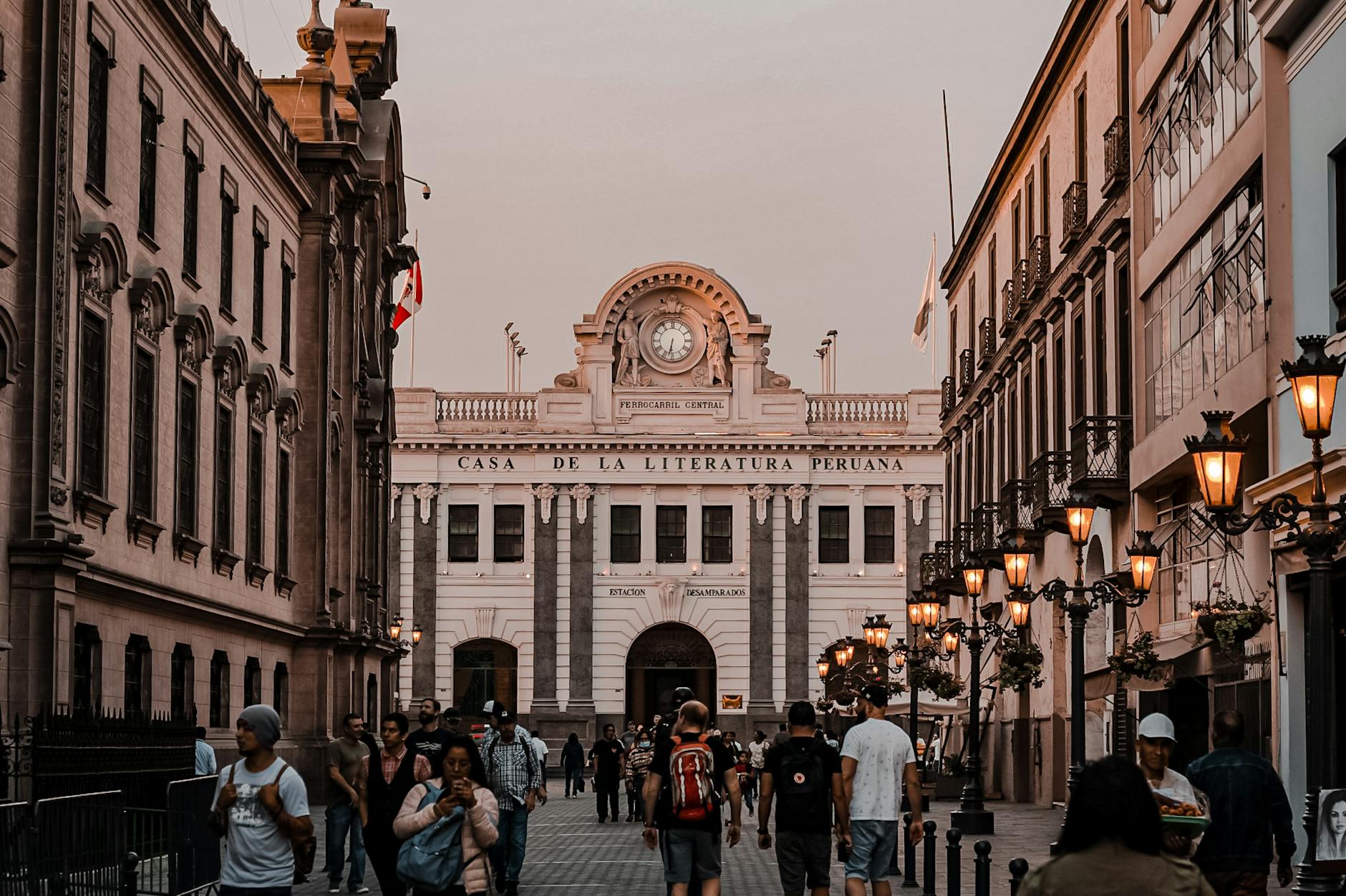
The best places to live in South America for digital nomads are Medellin (Colombia), Buenos Aires (Argentina), Pipa and Florianópolis (Brazil), Lima (Peru), and Montevideo (Uruguay). Medellin consistently tops the list for its spring weather year-round (average 22°C), a cost of living around $1,200-1,500/month for a comfortable lifestyle, and one of the fastest-growing remote work communities in Latin America. Buenos Aires has the European architecture, the culture, the nightlife, and the best beef you will ever eat. Brazil's coastline is hard to argue with, especially the northeast, where spots like Pipa deliver white-sand beaches and warm water alongside surprisingly solid co-working infrastructure. Lima shocks people who show up expecting a stopover and stay for three months because the food alone is worth the flight. Montevideo is the sleeper pick: safe, walkable, no hustle culture, affordable rent, and genuinely good internet.
So you're thinking about South America. Maybe you've seen the Instagram posts. Maybe you're tired of paying €1,400 for a one-bedroom in Lisbon and someone in your Slack channel mentioned Medellin. Maybe you just need a change of scenery and you've always been curious about what it feels like to live somewhere where "season" means something other than "cold" or "slightly less cold."
Either way, benvenuti. You've come to the right place.
We're Fabio and Juls, and we run Casa Basilico, a pop-up foodie coliving for remote workers. We've spent serious time in South America. Our Brazil chapter in Pipa ran twice, and it was one of the best things we've ever built. So this isn't a recycled "best digital nomad cities" list scraped from a 2019 travel blog. This is what we actually know.
What Makes South America So Good for Remote Work?
Let's get practical for a second.
The main reasons nomads end up in South America:
According to Numbeo's 2025 Cost of Living Index, Medellin ranks among the most affordable major cities in the world for expats, with monthly expenses (excluding rent) around $600-800 USD. Buenos Aires hovers around $700-900. Compare that to Barcelona ($1,600+) or Amsterdam ($1,900+) and you understand why people move their laptops south.
Now. Which city is right for you?
Which South American City Has the Best Cost of Living?
If pure affordability is the game, Medellin wins. Full stop.
A private room in a coliving in El Poblado or Laureles runs $400-700/month. A nice one-bedroom apartment? $500-900. Co-working spaces are everywhere, charging $5-15/day or $80-200/month. A full sit-down lunch costs $3-6. A fancy dinner out costs what you'd pay for a mediocre lunch in Berlin.
The catch: Medellin has gotten popular. The nomad scene exploded after 2022, which means more competition for good apartments, more English-speaking hustle energy, and a slightly inflated "gringo tax" in expat-heavy neighborhoods.
Buenos Aires is complicated because of Argentina's parallel currency situation. Officially the exchange rate is painful, but exchanging USD at the informal "blue dollar" rate (widely accepted, not exactly advertised in tourist brochures) can effectively cut your costs in half. A nice apartment in Palermo costs $400-600/month at blue rate. Dinner for two with wine? $15-25. It's kind of wild.
Lima is the surprise value city of the continent. Rents in Miraflores (the main nomad neighborhood) run $600-1,000/month for a furnished apartment, but the food quality per dollar is unmatched anywhere we've been. Lima has appeared on the World's 50 Best Restaurants list for years running, and you can eat at incredible places for $10-20 a head.
Medellin, Colombia: The Eternal Spring City
Medellin gets called "the city of eternal spring" because the temperature genuinely sits around 20-25°C all year. No winter. No summer heat wave. Just kind of... perfect. The city transformed dramatically over the past two decades and is now one of the most discussed urban comeback stories in Latin America.
The nomad neighborhoods to know:
Internet in Medellin is legitimately good. Average speeds around 60-100 Mbps in most apartments, better in co-working spaces.
One thing people don't warn you about enough: the Medellin nomad scene has a specific energy. Pure hustle culture, lots of crypto guys, lots of people building in public and telling you about it unprompted. If that's your thing, amazing. If you'd rather share a long dinner table with people who have interesting lives and don't mention their MRR before the pasta course, we might have something better. Casa Basilico Pipa, Brazil
Buenos Aires, Argentina: Where Nomads Go to Fall in Love With Steak
Buenos Aires is its own thing. European in aesthetic, wide Haussmann-style boulevards, incredible architecture, cafés where people sit for three hours over one coffee. But unmistakably South American in pace and culture.
The city runs late. Dinner before 9pm is for tourists. Nightlife starts at 1am. The asado tradition is sacred, a whole-day barbecue that doubles as a social institution. The wine is excellent and cheap.
Neighborhoods worth knowing:
Internet has improved dramatically, with most apartments offering 50-100 Mbps. The economic situation (Argentina is in perpetual fiscal adventure mode) means you need to be comfortable with uncertainty. Prices shift. The political situation is never boring. Everything is slightly chaotic in a way that is either charming or exhausting depending on who you are.
Buenos Aires rewards people who stay longer. Three months minimum to really get it. It's not a place you understand in a week.
Colombia's Digital Nomad Visa (Visa M) was introduced in 2023 and requires earning over $684/month. Most people manage fine on 90-day tourist entry, extendable to 180 days. Digital nomad visa guide 2026
Brazil: Yes, All of It Slaps (But Especially Pipa)
Look. We're biased. We've run two Casa Basilico chapters in Pipa, in Rio Grande do Norte in northeast Brazil, and we will tell you with our hands on our hearts that it's one of the most special places we've ever taken a group of people.
But let's talk about Brazil more broadly first.
São Paulo is the business capital. Enormous city (20+ million people), incredible food scene, solid internet and co-working infrastructure. The Japanese-Brazilian fusion cuisine alone justifies a trip. Not everyone's vibe given the density, but if you want professional networking and urban energy, it delivers.
Florianópolis in the south has become a major digital nomad hub. An island with 42 beaches, good infrastructure, a growing tech scene, and a quality of life that makes people relocate from São Paulo for the same reasons people leave London for the countryside. Slightly more expensive than northeast Brazil but worth it.
Pipa: this is our love letter. Small village in Rio Grande do Norte, 2 hours from Natal airport. Population of a few thousand when the tourists aren't there. White cliffs, endless beach, warm Atlantic water, $2 caipirinhas, and some of the most spectacular sunsets you'll see anywhere on earth. Remote work infrastructure has caught up, with decent fiber in town and a couple of solid co-working spaces. Slowmad energy that lets you actually think.
Brazil has a Nomad Visa (introduced in 2021) that lets you stay up to 1 year with proof of remote income. Requirements: $1,500/month minimum income (or $18,000 in savings), a remote employment contract, and standard documentation. It's one of the more straightforward remote work visas in the region (source: Brazilian Ministry of Justice).
The cost of living in Pipa and similar northeast beach towns runs $800-1,200/month total for a comfortable life: private room in a house share, eating out mostly, and still spending less than you would on rent alone in most European cities.
Lima, Peru: The Underrated Gastronomic Capital
Nomads overlook Lima constantly and then feel embarrassed about it after they finally go.
Lima is a city of 11 million people with world-class infrastructure, fast internet (average 60-80 Mbps), a sophisticated restaurant scene that has no business being as good as it is, and a year-round mild climate in Miraflores. The coastal district runs around 16-22°C all year. It's overcast in the mornings, which is slightly annoying, but nobody stays inside.
The food. We have to talk about the food.
Ceviche in Peru is not what you've had elsewhere. It's a national obsession. Dedicated cevicharías are on every block, and the best version you'll ever eat costs $5-8 at a local spot. Lomo saltado is one of the truly underrated dishes on earth, a stir-fried beef and potato dish that exists because Chinese immigrants arrived in Peru in the 1800s and fused their wok techniques with local ingredients. The collision of Peruvian, Japanese, Chinese, Italian, and indigenous cooking traditions has produced something unique. Lima's restaurant Central held the title of World's Best Restaurant in 2023 (source: World's 50 Best). For a city most people treat as a layover, that's something.
Why food is at the heart of what we do
Miraflores has everything you need within walking distance. Co-working spaces are plentiful and affordable at $100-150/month. The neighborhood is safe, walkable, and well-connected to the rest of the city.
Montevideo, Uruguay: The Chill Surprise Nobody Talks About
Every list of best South American cities skips Montevideo. Every nomad who's actually spent time there quietly puts it in their top three and tells you about it like a secret they're slightly reluctant to share.
Uruguay is the most stable country in South America by almost every metric: rule of law, press freedom, infrastructure quality. The country has free, universal healthcare, legalized cannabis, and consistently ranks as the least corrupt country in Latin America. Which is not why you'd move there as a nomad, but it does create a baseline of calm that you feel in daily life.
Montevideo is small (1.7 million people), walkable, coastal. The architecture along the rambla is incredible: a 22km waterfront promenade along the Río de la Plata where locals run, cycle, mate-drink, and generally exist at a pace that makes you realize you've been treating work like an emergency for no good reason.
The food situation: Uruguay runs Argentina close on the beef debate. Seriously. Uruguayan asado culture is its own religion, and the local chivito (a steak sandwich stacked with ham, egg, cheese, and vegetables) is one of the great street foods nobody outside South America knows about. Do not leave without eating several.
Cost of living runs $1,000-1,500/month for a comfortable life, comparable to Buenos Aires at official rates but without the economic uncertainty. No blue dollar calculations required. What you budget is what you spend. Internet is solid (50-100 Mbps in most apartments). The beaches outside the city are beautiful, with Punta del Este just 2 hours away if you need a weekend of something slightly more glamorous.
It's not the flashiest pick on this list. There's no "Montevideo blew up in 2022" story. But if you want to live well, work well, eat extremely well, and not feel like you're performing a lifestyle for anyone, Montevideo delivers every time.
How Long Should You Actually Stay in South America?
The most common mistake nomads make is treating South America as a 2-week vacation rather than a base.
The places on this list reward time. Buenos Aires doesn't make sense in a week. Medellin takes a month to really plug in. Brazil requires slow enough energy to actually stop checking your notifications and look at the ocean for a minute.
The sweet spot is 1 to 3 months minimum per city. Long enough to get past the tourist phase, find your local coffee shop, make actual friends, and understand the rhythm of a place.
This is exactly the slowmading philosophy we build our chapters around. Not a retreat. Not a tour. A month (or more) in one place, with a table to share food at, people to explore with, and enough time to actually feel like you live somewhere instead of just passing through.
If you want to experience what that actually feels like, in one of the most beautiful corners of Brazil, with a house full of remote workers who love food as much as we do, we have a few spots left. ❤️
Come join the next Casa Basilico chapter
FAQ: Living in South America as a Digital Nomad
Do I need to speak Spanish or Portuguese to live in South America?
For Medellin, Buenos Aires, and Bogotá: Spanish helps a lot, but you can get by in tourist-heavy areas without it. For Pipa: Portuguese. Not a lot, but Google Translate and a willingness to mime things goes far. In practice, most digital nomads with zero Spanish survive fine in the main nomad hubs. Learning 20 phrases before you go is the right move, though, and locals genuinely appreciate the effort.
Is the internet actually reliable enough for remote work?
In all five cities, yes, if you're in the nomad-friendly neighborhoods and co-working spaces mentioned above. For video calls, presentations, and normal SaaS work: sorted. Have a local SIM with data as backup and you'll be fine even in smaller spots like Pipa.
How does the Argentine blue dollar exchange rate work?
Officially, you exchange at the bank at the official rate. Unofficially, most expats and nomads exchange at the informal "blue dollar" rate, available through exchange shops or services like Wise. The gap has historically been significant (50-100% better than official). It's widely practiced but you're operating outside the official system, so understand what that means before you go. Research current rates on Dolar Hoy before budgeting.
What's the best time of year to visit South America?
Depends on where. Brazil's northeast (Pipa, Natal, Fortaleza) is warm year-round with the driest season running May through January, which makes it ideal for beach-based work life. Medellin is genuinely year-round with no bad time. Buenos Aires is best October through April (southern hemisphere spring and summer). Lima is pleasant all year but cloudiest May through November. Montevideo is nicest October through March.
Is South America safe for digital nomads?
Safer than headlines suggest in the specific neighborhoods nomads use. El Poblado and Laureles in Medellin, Miraflores in Lima, Palermo in Buenos Aires, and the main Pipa village are all low-risk with normal precautions. Don't flash expensive gear. Don't wander into unfamiliar neighborhoods at 2am. Use Uber or Cabify over street taxis in Colombia. The same common sense that keeps you safe in Barcelona keeps you safe here.
Casa Basilico runs pop-up coliving chapters in South America and Europe. Our January 2026 chapter in Pipa was 30 people, three nationalities, one shared kitchen, and more caipirinhas than anyone is prepared to admit publicly. Find out more about who we are.
Winter is coming. We'll be in Brazil.
Pipa chapter, Jan-Mar 2027: 30°C, surf before standup, and a dinner table that seats everyone. 180+ nomads have lived with us. Your turn.
Take me to Brazil 🇧🇷
Spreading love through cooking & community.
© 2026 CasaBasilico OÜ (16850261)
All rights reserved.
Design & Branding by ahgoos.com
info@casabasilico.com