
How Food Brings People Together (The Casa Basilico Philosophy)
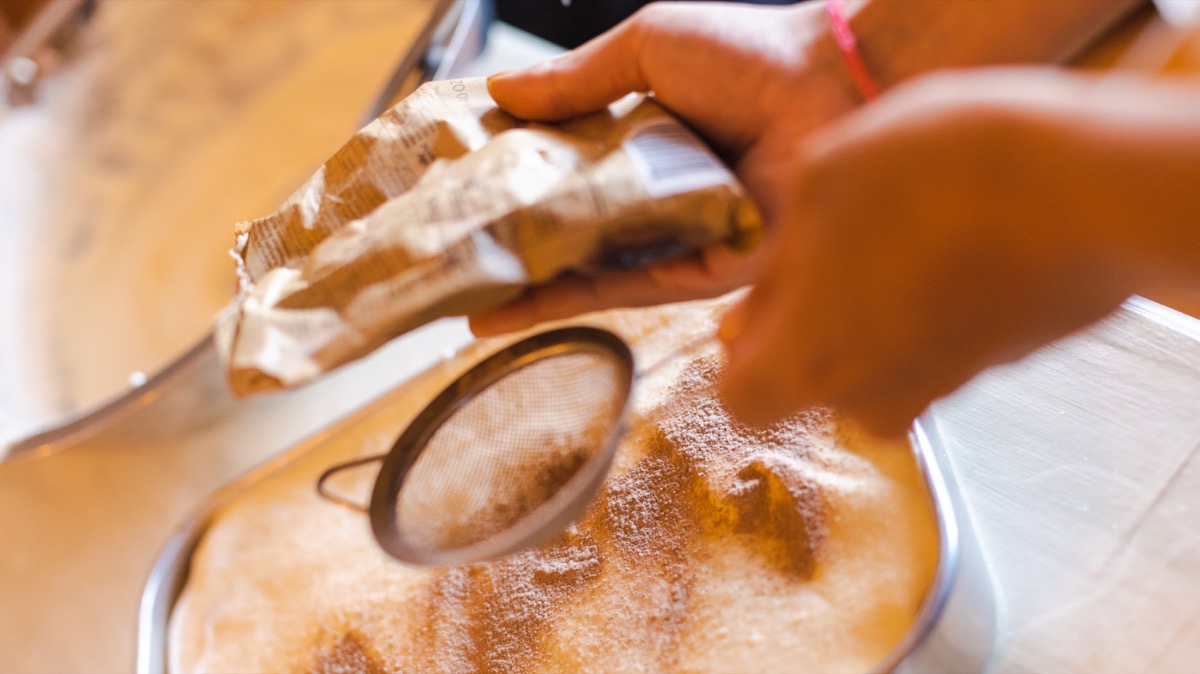
Food brings people together because it requires collaboration, vulnerability, and time. You can't cook for strangers without trusting them a little. You can't eat together without showing up. And you can't share a meal you made with your hands without feeling something. At Casa Basilico, we figured this out the hard way. We watched 180+ digital nomads walk into a shared kitchen as awkward strangers and walk out three days later arguing about whose pasta was better. The science backs it up: research from the University of Oxford found that people who eat together report higher levels of social trust and wellbeing than those who eat alone. But honestly, we didn't need the study. We just needed to watch what happens when someone offers to chop the onions. That first offer is the crack in the wall. Everything else follows.
Why Did We Build a Coliving Around Food?
Because every other coliving was built around work. Or wellness. Or surfing. Nothing against those things, but they missed the one thing that actually makes people feel at home: a shared meal.
Fabio (that's me, the short Italian guy who likes to cook for 30+ people on a daily basis) grew up believing that the kitchen is the center of the house. Not the living room. Not the co-working space. The kitchen. It's where the real conversations happen. It's where you find out who someone actually is, not who they are on LinkedIn.
When we started Casa Basilico, we didn't write a manifesto about "curating intentional communities" or "facilitating meaningful connections." We just started cooking together. Dinner for 10. Then 15. Then 25. Somewhere between the pasta and the third glass of wine, people stopped being strangers.
That's the whole philosophy. We kept it that simple.
Not sure what coliving actually is? We wrote about it here.
What Actually Happens in the Shared Kitchen?
More than you'd expect. Less than we can legally describe.
Someone starts slicing garlic. Someone else wanders in, curious, and offers to help. Within 20 minutes there are four people at the counter, someone is on music duty, and a full debate has started about whether you add salt before or after the water boils. (You add it after the water boils. This is not up for discussion.)
The dish itself almost doesn't matter. What matters is the process. Cooking together collapses the small talk. You skip the "what do you do, where are you from" phase that takes three days at a normal coliving and land straight in the good stuff: the funny stuff, the real stuff, the "okay so what's actually going on with your life" stuff.
In our Oaxaca chapter, we had a guest from Poland and a guest from Brazil who had never cooked Mexican food before. They made tamales from scratch with local ingredients and made roughly seven mistakes. The tamales were fine. The friendship survived and is ongoing.
That's not a rare story at Casa Basilico. That's the average one.
Curious about our next chapter in Oaxaca? Here's everything you need to know.
Can You Actually Become Friends Over Dinner? (The Science Says Yes)
We're not just being sentimental about this. There's actual research behind it.
Robin Dunbar, Professor of Evolutionary Psychology at the University of Oxford, has studied social bonding for decades. His research found that eating together is one of the most powerful social bonding behaviors humans have. More powerful than talking, more powerful than physical proximity alone. The shared act of preparing and consuming food triggers endorphins in the same way that laughter and singing do. Basically your brain treats a communal meal like a mini celebration every time.
A separate study published in Psychological Science (2017) found that people who ate together before a negotiation were more cooperative than those who hadn't. Same information, same stakes, very different outcomes. All because they'd shared a meal beforehand.
We didn't design Casa Basilico with these studies in mind. We didn't know about them when we started. But they explain what we kept seeing: people who cooked and ate together moved faster into real friendship than people in any other shared-living context we'd observed. The kitchen does something a co-working space can't replicate. It's messier, louder, and it works.
It also explains why the communal dinners aren't optional. They're not a nice-to-have. They're the whole point.
Is This Just for Serious Foodies?
Absolutely not. Please do not be intimidated by the word "foodie."
"Foodie coliving" sounds like it might mean you need to know how to make a beurre blanc or care deeply about fermentation techniques. It doesn't. What it means is: we prioritize food experiences. We cook together. We eat well. We explore local food culture like it's the most important thing to understand about a place. Because it is.
You do not need to know how to cook. You need to be willing to chop something, stir something, or just hang around the kitchen and contribute vibes. That counts. Genuinely.
Some of the most memorable kitchen moments we've had came from people who'd never cooked for anyone in their life. Something about the communal energy gives people confidence they don't have alone. We've watched people who swore they couldn't boil water serve a full dinner for 12 people by week two. No exaggeration. This happens regularly.
The only requirement is curiosity. Show up with that, and we'll handle the rest.
Wondering if coliving is right for you? This guide will help you figure it out.
What Does a Typical Food Day Look Like at Casa Basilico?
There's no single answer because every chapter is different. That's kind of the point.
In Oaxaca, it's tlayudas at the mercado for breakfast, working through the afternoon, someone picking up fresh ingredients from the local market before dinner. Brazil means açaí in the morning and someone attempting a proper moqueca by Friday. Madeira was espetadas and discovering that poncha is not as gentle as it sounds.
What stays consistent is the rhythm. Breakfast is casual. People come and go. Lunch is often solo or in small groups, out in the city, discovering things on your own. Dinner is the anchor. That's when the full house comes together. Sometimes it's one person cooking for everyone. Sometimes it's a team effort with four people in the kitchen all convinced they know the best way to do it. Sometimes it becomes a competition. Always it's loud and good and runs too long.
We also organize proper food experiences as part of each chapter. Cooking classes with local cooks. Market tours. Street food walks. The kind of thing you'd never book alone because you'd feel like a tourist doing it solo. In a group, you feel like a local. Or at least like someone who belongs there.
Fabio also has a habit of just starting to cook something and letting the smell pull people in from their rooms. It works every time. We have not found a better community-building strategy and we're not looking for one.
Why Oaxaca? We made the full case here.
The Part We Didn't Expect
Food became something we didn't plan for: the way people processed the hard stuff too.
Being a digital nomad sounds glamorous and usually is. But it also comes with real loneliness, especially if you've been moving city to city for a while without a home base. The loneliness isn't the traveling part. It's the eating alone part. Ordering delivery in an Airbnb at 9pm while your friends back home are having dinner together.
That's what food fixes. Not just the hunger. The aloneness.
We've had guests tell us that their first communal dinner at a Casa Basilico chapter was the first time in months they'd eaten at a real table with other people. That kind of thing changes your week. Sometimes it changes your year. We're not exaggerating when we say some of our deepest guest relationships started over a shared meal on day one.
A 2023 Gallup report found that 20% of adults worldwide say they feel lonely. Among digital nomads, anecdotally, that number is higher. You're moving constantly, your social circle is scattered across time zones, and building new friendships from scratch is exhausting. Community is the actual thing we're offering. Food is just how we build it, because it turns out food is one of the most efficient technologies for that ever invented.
FAQ
Why is food such a big part of Casa Basilico?
Because it works. You can talk about community all day, run ice-breaker games, organize co-working hours, whatever. But shared meals are what actually create real connection. We've watched it happen over 180 times across five chapters in five countries. Food is the shortcut to the good stuff.
Do I need to be a good cook to join?
No. You need to be willing to show up to the kitchen. Chop an onion, stir a pot, stand around with a glass of wine and contribute moral support. That counts. We will not quiz you. Nobody has ever been turned away for bad knife skills.
What if I have dietary restrictions?
Tell us when you book and we'll work with it. We've cooked for vegans, vegetarians, celiacs, and one person who didn't eat anything white (the carb situation was tense that month but we figured it out). We always figure it out.
How many communal dinners per week?
It varies by chapter, but most weeks you'll have 3-5 communal dinners. The rest of the time you're free to explore the city and eat wherever you want. Nobody is forcing you to eat at home every night. That would be weird.
What food experiences are included?
Communal dinners, shared kitchen access, and chapter-specific food experiences like cooking classes with local cooks, market tours, and street food walks. Breakfasts and lunches are generally on your own unless something is planned. Full details are always on the chapter page.
Come Eat With Us 🍝
The next chapter is in Oaxaca, Mexico, and honestly the food situation there is not fair. Mole that takes three days to make. Tlayudas the size of your forearm. Mezcal that's better than anything you've had before, served in a clay cup by someone's grandma.
We're cooking together, exploring together, and probably eating too much together. Spots are limited because the houses are actual houses, not hotels. When it's full, it's full.

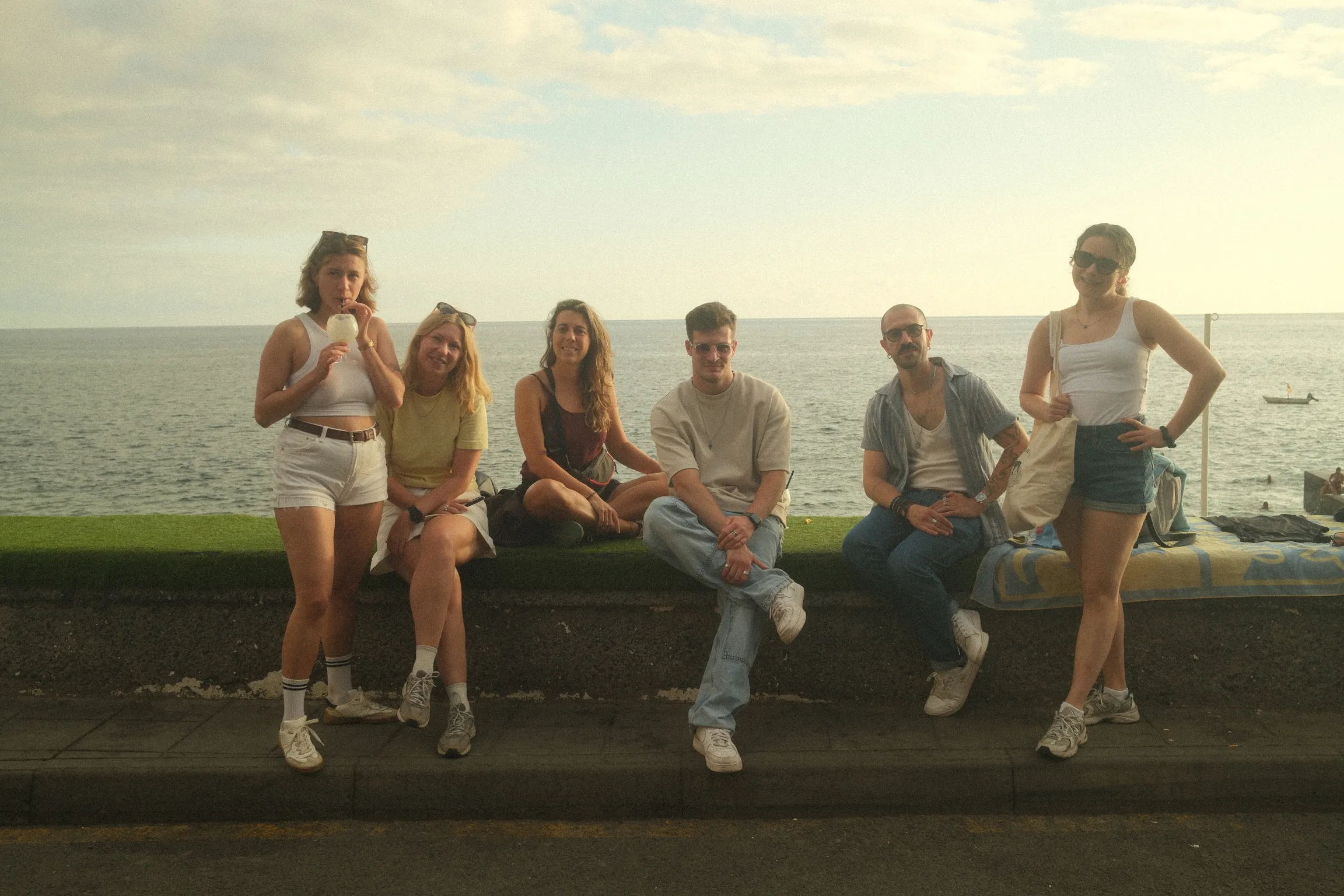
Spreading love through cooking & community.
© 2026 CasaBasilico OÜ (16850261)
All rights reserved.
Design & Branding by ahgoos.com
info@casabasilico.com