
How We Pick Our Destinations (and Why We Got It Wrong Once)
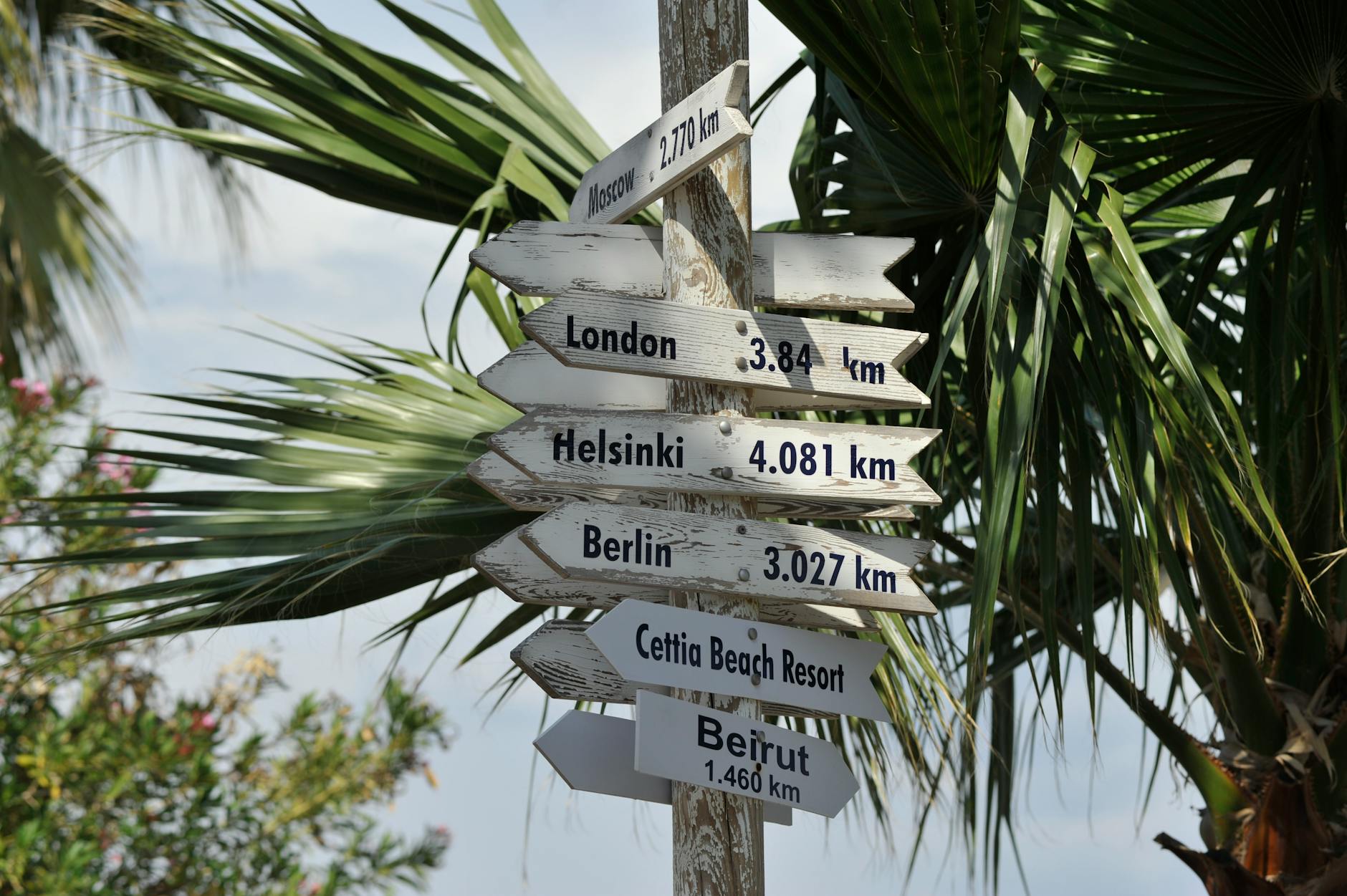
We look for a place where the food is honest, the WiFi holds up for a simultaneous house-wide Zoom call, the rent won't eat us alive, and the vibe makes people want to stay an extra month instead of leaving on checkout day. After six chapters across Spain, Portugal, Brazil, and Mexico, we've built a real checklist, plus a handful of rules we only figured out after getting burned. One destination in particular taught us that "incredible Instagram photos" is not a location selection criterion. This post walks through the actual process: what we check before committing to a new chapter, the specific moment one destination went sideways, and the three rules we added to our playbook because of it. If you're picking where to colive next, or just curious how a pop-up coliving actually works behind the scenes, this is the honest version.
What goes into actually picking a destination?
"We just go where the vibes are" is not a strategy. Trust us, we tried it once. This is the story of that once, but first, the actual checklist.
Can people work here?
This sounds obvious. It is not obvious. We need stable internet, minimum 50 Mbps for a house of 10 to 15 people running video calls at the same time, ideally 200+ Mbps. We also need backup options. A café down the road with good WiFi isn't a luxury; it's insurance against the day the main connection dies during someone's client presentation.
We've turned down beautiful houses because the fiber was "getting laid next quarter." Cool. See you next quarter.
what a dedicated desk means in coliving
Is the cost of living sane?
Not cheap. Sane. There's a real difference. Operators who chase the cheapest rent often end up in places where the nomad infrastructure doesn't exist: no decent cafés, no community, no reason to stay once week one curiosity wears off. Per Nomad List's 2024 cost index, the sweet spot for digital nomad destinations sits around $1,500 to $2,500/month total cost of living. Accessible, but developed enough to support a community of remote workers with actual needs.
We're looking for rent that lets us build a real program without charging guests a premium for our real estate decisions.
Does the food culture hold up?
Non-negotiable. Casa Basilico is a foodie coliving. We cook communal dinners, we explore local markets, we spend an embarrassing amount of time talking about what to eat next. If we can't source good ingredients and the nearest interesting restaurant is a 40-minute drive, the chapter doesn't happen.
The questions we ask: Can we cook something great here? Do guests wander off and eat well on their own? Is there a morning market? Are there restaurants that would embarrass a city three times the size?
what Casa Basilico is actually about
Is there already a community here?
We're not in the business of building a nomad community from scratch. We show up where one already exists, or where the conditions for one are clearly forming. That means: other remote workers living and working in the area, coworking spaces that are actually used, Facebook groups with real activity, people who came for a week and stayed three months. what coliving actually means beyond "house but trendy"
We look for those signals.
Does the destination reward slow travel?
Our guests stay a minimum of one month. That means week four has to still have something to give. New neighborhoods. Day trips that feel like discoveries, not tourist itineraries. A recipe you haven't tried yet. A local restaurant you only hear about from the woman at the Saturday market.
why travel fatigue is real and how slow coliving helps
How do we actually find new destinations?
Honestly, it's a mix of community intel, personal scouting trips, and research that Juls would describe as "productive" and Fabio would describe as "eating his way around a city for a week and calling it work."
If the food is bad on the scouting trip, the chapter doesn't happen. If the food is incredible and the internet holds up but we can't find the right house, the destination goes on the future list. If all three line up, we start making calls.
We also ask alumni. After six chapters and 180+ guests, we have a community that's been everywhere. When we were deciding on Oaxaca, four separate alumni had already told us it was "the one," not as a tourist stop, but as a place to actually live and work for a month. That kind of specific, firsthand intel is worth more than any destination ranking.
The digital nomad market is big enough now that the popular spots get over-touristed fast. MBO Partners' 2023 State of Independence report estimated 17.3 million American digital nomads alone, with tens of millions more globally. More nomads means more competition for the good spots. Part of what we do is find places that are great right now, before the algorithm gets there.
Okay so when did we actually get it wrong?
Storytime.
We're not naming the destination publicly. Partly because it has a lot going for it. Mostly because it was our fault, not the place's. We went in with incomplete information and a comfortable amount of wishful thinking. Classic.
We found a location that looked perfect on paper. Beautiful setting. Reasonable rent. Solid food scene. The scouting photos were incredible. Guests were already asking questions before we'd made the call. We committed.
Then we got there.
The WiFi situation was not what we'd been told. Not even close. Three houses we looked at had the same problem: great speeds in theory, unreliable in practice during peak hours. Which, when you have a house full of remote workers, is roughly 9am to 6pm. So, always. Backup cafés? Limited. The coworking spaces were either too far to be practical or too expensive to justify for a full month.
We spent the first week solving infrastructure problems instead of doing what we're there to do: cook dinner together, explore, build something. Our guests were gracious. Some of them loved it, the kind of people who can make anywhere work. But we knew. And we've never let it happen again.
What did that chapter actually teach us?
Three rules we added to the playbook immediately after:
Rule 1: Never trust a landlord's WiFi claim. Test it yourself, at peak hours, with everything running.
We now do a stress test before signing anything. Every device we own, all running simultaneously. If it holds, great. If it lags at all, we walk. The landlord's speed test screenshot from 11pm on a Tuesday is not evidence.
Rule 2: Beautiful is not a proxy for functional.
Some of the best-looking coliving destinations we've scouted have been a pain to run. A great view doesn't fix a 15-minute drive to the nearest café with solid internet. We've learned to evaluate aesthetics and infrastructure separately, and not let one substitute for the other.
Rule 3: Your gut is data.
There was a moment during the scouting trip for that chapter where Fabio turned to Juls and said "something feels off." We both felt it. We talked ourselves out of it because everything else looked right. We shouldn't have. When a place doesn't click in person, the feeling usually knows something the spreadsheet doesn't. We listen to it now.
What makes our best chapters work?
The chapters we're proudest of share the same quality: they felt inevitable the moment we arrived.
Pipa, Brazil: slow, warm, ridiculously beautiful, with seafood and açaí that could make you embarrassingly emotional. Our Brazil chapter has run twice now because guests don't want to leave. Some come back. read the Pipa destination guide
Oaxaca, Mexico: where we are right now, and where the waitlist filled up before the public launch. The food scene alone could justify a month: mole negro, tlayudas, and mezcal that makes you feel philosophical. Add a creative community, great markets, and a cost of living that makes European guests feel like they've discovered a glitch, and you have a chapter people tell everyone they know about.
These aren't accidents. They're the result of six chapters, multiple scouting trips, a lot of community feedback, and yes, at least one expensive lesson we paid for so you don't have to.
FAQ
How far in advance do you pick a new destination?
Usually 6 to 8 months before the chapter opens. We need time to scout, find the right house, build the program, and open bookings far enough in advance for people to actually plan their lives around it. Our Oaxaca 2026 chapter had half its spots requested before public launch through our alumni whitelist alone.
Do you ask guests where they want to go next?
Constantly. We run polls, we read the WhatsApp threads (both of them), we ask at dinner. The community has real influence on where we go next. It's one of the best parts of running a pop-up: the feedback loop is immediate and honest.
What disqualifies a destination right away?
Bad internet with no credible backup, a food culture that doesn't interest us, or a local scene that can't absorb 10 to 15 remote workers without straining the community. We want to be guests who give something back, not a group that rolls in and drives up prices for everyone else.
Can I suggest a destination?
Sure. We won't promise we'll go there, but if you have a real case, whether it's local connections, a house lead, or specific community intel, send it to us. Guests have steered us right before.
What if something goes wrong after a chapter launches?
We fix it. We've done it. The test of any operator isn't whether things go wrong. It's what they do when they do. If something isn't working, we tell you directly, we adjust, and we keep going. No corporate silence, no form emails, no pretending it didn't happen.
We've gotten pretty good at this. And Oaxaca is proof.

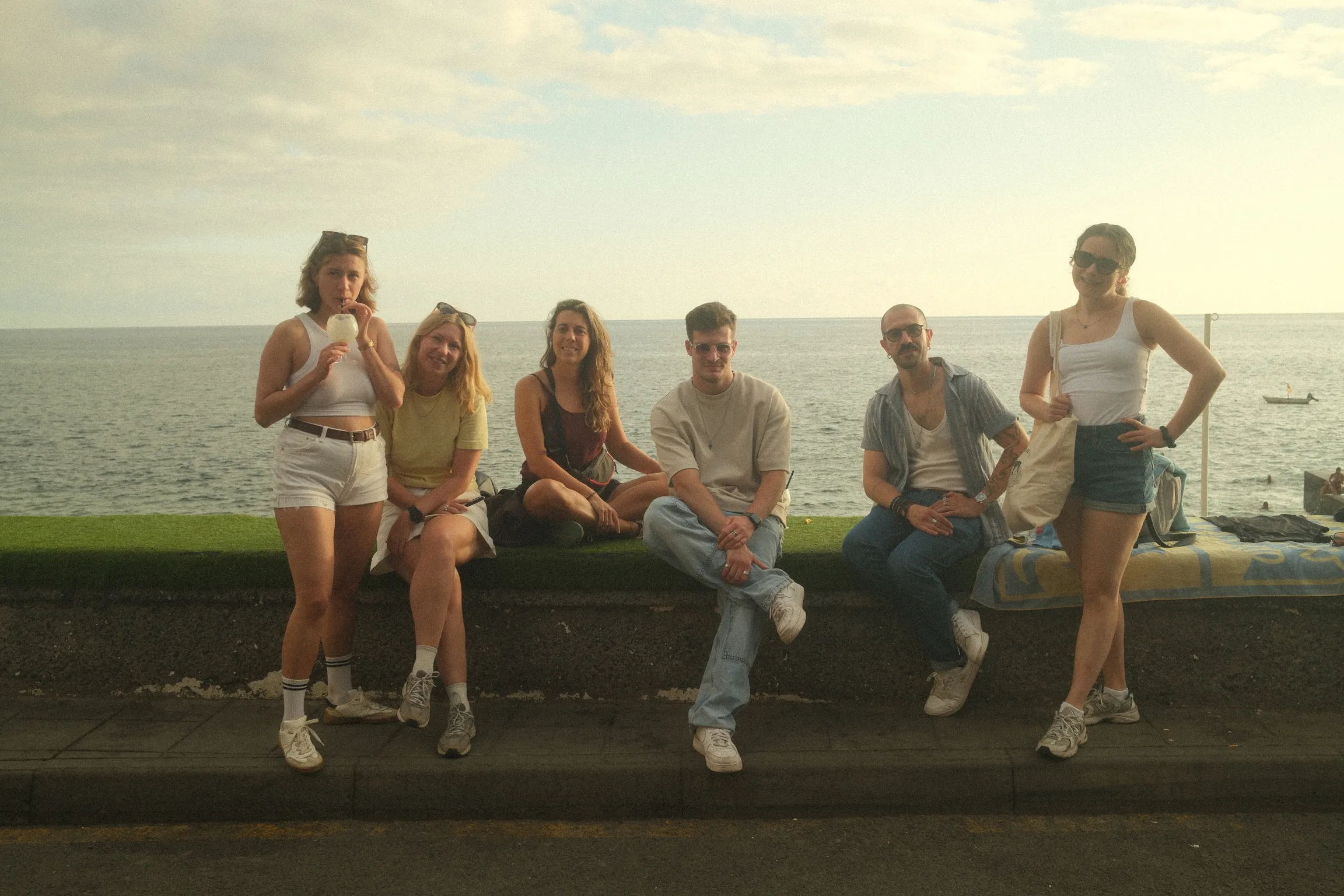
Spreading love through cooking & community.
© 2026 CasaBasilico OÜ (16850261)
All rights reserved.
Design & Branding by ahgoos.com
info@casabasilico.com