Coliving in Pipa, Brazil for Digital Nomads
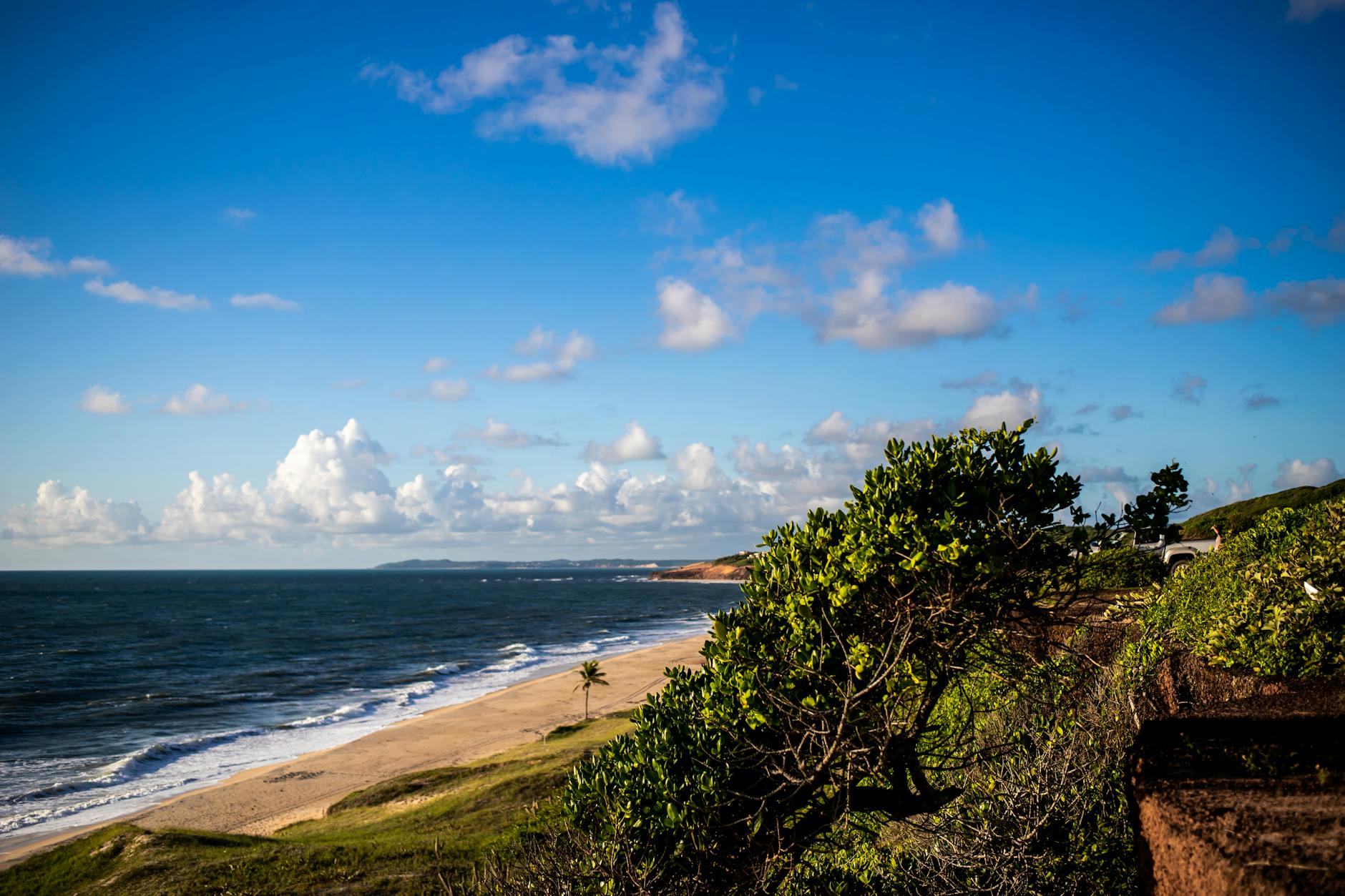
Pipa is the kind of place that happens to you. A tiny clifftop beach village in Rio Grande do Norte, five hours south of Natal, it's small enough to walk everywhere and big enough to never get bored. The main strip, Rua do Amor, takes ten minutes to walk end-to-end, but you'll spend three hours on it if tapioca stands and cold caipirinhas have anything to say about it. Population triples between December and February, then drops to a quiet local vibe the rest of the year. For digital nomads, the off-peak sweet spot is ideal: cheaper rooms, fewer crowds, dolphins still doing their thing in the bay, and cafe owners who know your name by week two. Internet has improved in recent years. Not fiber-to-the-door everywhere, but good enough to run calls, push code, and argue with clients, usually all three at once.
Key Stats for Digital Nomads in Pipa, Brazil
Best Neighborhoods for Remote Workers
Pipa is tiny. We're talking "blink and you've walked through it" tiny. But the different pockets of the village have their own energy, and where you base yourself matters more than you'd think for day-to-day quality of life.
Rua do Amor (Village Center)
This is the main drag: restaurants, tapioca stands, surf shops, bars, and enough noise from occasional live forró to remind you you're definitely not in a WeWork. If you want to be in the middle of everything, rolling out of bed and straight into a fresh coconut, this is your spot. Off-season (March through November) it's ideal. High season (December through Carnival) gets loud on weekends, which is either a feature or a bug depending on who you are.
Good for: socializing, food access, spontaneous walks to the cliff viewpoints, accidentally spending money.
Alto do Mirante
A five-minute walk up from the village center, this clifftop area is where you go when you need to actually focus. Quieter pousadas, ocean views from your terrace if you're lucky with your booking, and close enough to walk down for food without being in the thick of it. A lot of longer-stay nomads end up here once they figure out the geography. Morning calls with that view? Nobody needs to know you're wearing flip-flops.
Good for: deep work sessions, slow mornings, not getting sucked into the third caipirinha of the afternoon.
Cacimbinhas Beach Area
A short drive or a sweaty walk south of the village, Cacimbinhas gets less tourist traffic than the main beaches and has a more relaxed pace. Some guesthouses here cater to longer stays with kitchen access and more breathing room. Less buzzy than the village center, more lived-in.
Good for: introverts, people who need space, anyone who wants to cook their own food without feeling like they're missing out.
Tibau do Sul
Technically a separate town about 5 km from Pipa, Tibau do Sul is where a lot of expats and longer-stay residents have quietly been living for years — because it's meaningfully cheaper and has a proper local market. Some nomads base themselves here and moto-taxi into Pipa for restaurants and beaches. Makes a lot of sense if you're staying more than a month.
Good for: keeping costs down without giving up access to everything Pipa has to offer.
Coworking Spaces in Pipa, Brazil
Honest answer: Pipa is not a coworking hub. It's a beach village that only recently started appearing on the remote-work radar. There's no Selina, no WeWork, no branded space with standing desks and oat-milk lattes. And honestly? That's fine.
What you get instead:
Pousadas and guesthouses with proper fiber. The better ones have invested in solid connections specifically because they started attracting longer-stay guests. Ask about upload speeds before you book. If they can't tell you the number, that's your answer.
Cafes along Rua do Amor that function as work spots. A handful have become the de-facto workspace for nomads and local expats — decent WiFi for calls, covered outdoor seating, and owners who won't side-eye you for nursing a coffee for two hours. Go before noon or after 3pm to avoid competing with the tourist lunch rush for bandwidth.
Casa Basilico's own setup. When we run a Pipa chapter, we set up a proper co-working area inside the house: fiber internet, monitors, a standing desk option, and the general productive chaos of 12–15 nomads trying to get work done while someone is definitely doing something delicious in the kitchen. Focus is optional, output is higher than you'd think.
Practical tip: bring a local SIM with 4G/5G data as your backup. TIM and Vivo have solid coverage in Pipa. Claro is hit or miss. Don't book a critical client call without a fallback plan.
What to Eat in Pipa, Brazil
Pipa sits in Rio Grande do Norte, one of Brazil's most underrated food states. The region is famous for two things: the world's largest cashew tree (this is real, please Google it immediately) and the best shrimp in the country. Pipa delivers on both.
Start every morning with tapioca. Not the weird Western pudding. Real tapioca is a stretchy, slightly chewy flatbread made from cassava flour, cooked on a flat iron pan until it just holds together, then filled with whatever you want. Coalho cheese melting inside is the classic. Shrimp with cream cheese is a strong second. Doce de leite with banana if you're feeling indulgent at 8am, which you should be. A woman with a little cart near the village entrance makes the best ones in Pipa for about R$8. You'll go back every single morning and you should.
Have moqueca de camarão at least once. It's the regional shrimp stew: fresh prawns, coconut milk, tomatoes, onions, cilantro, and dendê (palm oil) — cooked in a clay pot and served with rice, farofa, and pirão (a thick gravy made from the cooking liquid thickened with cassava flour). The dendê makes it unmistakably northeastern Brazilian: rich, smoky, and deeply orange. Some restaurants will ask if you want it "sem dendê" because tourists find it heavy. Say no. Eat the real thing.
Order the carne de sol. Sun-dried, lightly salted beef, cooked until the outside crisps up and the inside stays tender, served with fried macaxeira (cassava) that's golden on the outside and soft in the middle. It sounds simple. It is simple. It might be one of the best things you eat anywhere in the world. Don't argue, just order it.
Drink coconut water from actual coconuts. Everywhere. Every day. The vendors appear along beach paths, at the cliff viewpoints, outside the village. Cold, cut open with a machete in front of you, R$5–8. This is not optional — it's just the rule.
Find the real açaí. The Brazilian açaí is not the LA smoothie bowl situation. It's dark purple, almost savory, thick and intense, served with granola and banana. In Pipa you can get it made fresh. Order the big portion. Don't share.
Spend an afternoon at Praia do Madeiro. The beach stalls near Madeiro serve fresh fish grilled whole with rice, beans, and vinaigrette that tastes like someone's nonna made it. Eat with your hands, get sand everywhere, feel alive.
End every day with a caipirinha on the cliffs. The cachaça in RN is excellent. Some bars along the Chapadão viewpoint do table service while you watch the sun drop into the Atlantic. This is the move. Don't overthink it.
There's also solid pizza, pão de queijo (cheese bread) available at any hour, and fresh caldinho de feijão (bean broth in small cups) from street vendors near the village center. Pipa's food punches well above its size. It's a big part of why we keep coming back.
Casa Basilico in Pipa, Brazil
We've done Pipa twice and we'll probably keep coming back. In January 2024 and January 2026, we ran full Casa Basilico chapters here — renting a house, cooking together every night, doing boat trips out to spot dolphins, eating more tapioca than was strictly necessary, and generally having a very good time.
Pipa matters to us because it's where we figured out that guests don't need a fancy program or a packed itinerary. They need a good kitchen, decent WiFi, good people around, and some spontaneity. A lot of what Casa Basilico is today was quietly figured out in Pipa.
If we're running a chapter there, you'll find dates, room types, and pricing on the chapter page.
Explore our Pipa, Brazil chapter
FAQ: Living and Working Remotely in Pipa, Brazil
When is the best time to go to Pipa as a digital nomad?
March through July is the sweet spot. The tourist high season runs from December through Carnival (February/March), bringing higher prices, more noise, and more competition for good accommodation. From March onward the village settles down, prices drop, and you get beach, food, and dolphins without sharing it all with half of São Paulo. October and November can be rainy season in RN, so factor that in if you're planning far ahead.
Is Pipa safe for solo travelers?
For Brazil, Pipa is quite safe — it's a small tourist village, not a big city. The usual sensible rules apply: don't walk around with a camera dangling off your neck at night, don't leave your laptop on an unattended beach towel, keep your phone pocketed in crowded spots. The village itself is tight-knit and welcoming to foreigners. Solo women have been traveling to Pipa for years. Trust your instincts, use common sense, don't be paranoid.
How do I get to Pipa from the airport?
Fly into Natal (NAT — Aeroporto Internacional Governador Aluízio Alves). Pipa is about 85 km away, roughly 90 minutes by car depending on traffic. Private transfers typically run R$120–180 and are the easiest option after a long flight. Shared vans (fretados) exist and are cheaper if you don't mind coordinating. Skip the multi-bus route — you'll arrive exhausted and annoyed, and the transfer cost isn't worth saving.
Do I need to speak Portuguese to live in Pipa?
You can survive without it — the tourist strip has enough English-speaking staff to handle the basics. But survive is the ceiling. If you want to order carne de sol from the woman who doesn't speak English, negotiate at the local market, or actually connect with anyone outside the tourist economy, learn some Portuguese. Even basic phrases go a long way in northeastern Brazil, where people are warm and appreciate the attempt. Two weeks of Duolingo before you go. It's worth it, trust us.
What's the internet actually like for remote workers?
Better than its reputation, not as reliable as you'd want for a critical deadline. The good pousadas and houses that cater to longer-stay guests now have fiber connections hitting 40–50 Mbps. Cafes are variable — some are fine for video calls, some will drop you mid-presentation without warning. Always have a 4G SIM as backup; TIM and Vivo are your best bets. We've hosted full remote-work chapters in Pipa without major connectivity disasters, but we checked the infrastructure before booking the house. Do your homework before you commit.
Related Destinations
Loved the sound of Pipa? These might also be calling your name: