
Why Oaxaca is the Best City for Digital Nomads in 2026
Oaxaca is the best city for digital nomads in 2026 because it hits every mark that actually matters: low cost of living, reliable internet, a thriving nomad community, and food so good it will ruin other destinations for you. Tucked in the southern Mexican highlands at 1,550 meters above sea level, Oaxaca stays cool year-round (averaging 20-27°C), which alone puts it ahead of most tropical nomad hubs where you're sweating through your keyboard by 10am. Budget-conscious nomads live comfortably on $800-1,200/month: meals from local comedores run $2-4, shared coliving spaces start around $500/month, and coworking day passes rarely break $10. The numbers don't capture why nomads stay longer than planned: Oaxaca has a density of creative, interesting, internationally-minded people that most cities take decades to build. Add seven styles of mole and unlimited mezcal, and you start to understand why nobody leaves on time.
We've been running our Oaxaca 2026 chapter here at Casa Basilico, and we're not being subtle about how we feel. This city got under our skin fast.
Why is Oaxaca having its moment right now?
Oaxaca isn't new. The historic city center has been a UNESCO World Heritage Site since 1987. The Zapotec civilization built Monte Albán over 2,500 years ago. The mezcal has always been there. The mole negro has always been extraordinary.
What changed is who's paying attention.
The pandemic pushed remote work mainstream. Nomad lists started ranking mid-sized cultural cities over Bangkok and Chiang Mai. Oaxaca kept showing up. A wave of creatives and freelancers arrived, found each other at Saturday markets and mezcal bars, and didn't leave. Word spread. Rents kept rising in Mexico City. Oaxaca started looking attractive by comparison.
By 2025, the city had developed proper nomad infrastructure: a dozen quality coworking spaces, a community of freelancers, designers, and developers who collectively know every good restaurant within walking distance, and a local culture that managed to absorb international arrivals without losing what made it special in the first place.
That last part is rare. Most nomad cities either become too expensive too fast (Lisbon, we're looking at you) or get hollowed out into a simulation of themselves (parts of Bali). Oaxaca is still doing something different. Locals fill the mercados. Indigenous Zapotec traditions still shape the calendar. The mezcal is still made by hand in the villages.
The nomad scene here feels like a guest that arrived with respect for the house. That's not always guaranteed, and it's a big part of why the city works so well for remote workers who want genuine immersion rather than a tourist loop.
What does it actually cost to live in Oaxaca as a digital nomad?
The honest answer: less than you think, but more than it used to.
Cost of living in Oaxaca runs roughly $800-1,400/month for a comfortable nomad life, depending on your accommodation choice. That puts it well below Mexico City, far below Lisbon or Barcelona, and in the same conversation as Chiang Mai, except Oaxaca has objectively better food.
Rough breakdown:
Accommodation: A private room in a shared apartment or coliving runs $400-700/month depending on location and what's included. Colivings with communal kitchens, workspace, and built-in community (like what we run at Casa Basilico) tend to be $600-900/month all-in, which often works out cheaper than renting an apartment once you factor in utilities, WiFi, and not knowing a single person within 3,000 kilometers.
Food: This is where Oaxaca gets unfair for every other destination. A full comida corrida (soup, main, agua fresca, dessert) costs $2.50-4 at a local comedor. A proper sit-down dinner at one of Oaxaca's excellent mid-range restaurants runs $10-18 per person including mezcal. If you want to spend $50 on dinner, you can. There are restaurants with extraordinary, Michelin-worthy cooking. But you'll never feel obligated to.
Coworking: Day passes at quality spaces range $6-12. Monthly memberships with dedicated desks land at $80-150. Most cafés with reliable WiFi will let you work from a $3 coffee for half a day without side-eye.
Transport: Oaxaca's centro historico is walkable. Uber and local apps cover everything else cheaply. Colectivos (shared minivans) connect the city to surrounding villages for under $1.
Healthcare: Mexico has good private healthcare options at a fraction of US costs. Most nomads carry basic travel insurance and use Oaxaca's private clinics for anything non-emergency, where a doctor consultation runs $20-40.
Realistic monthly total: a nomad in coliving accommodation, eating locally most days, coworking a couple of days a week: $950-1,200/month. Tighter budget, more comedores, fewer mezcal bars: $750-850/month.
How much does coliving actually cost? Full breakdown here.
Is the internet actually good enough to work from Oaxaca?
This question gets asked constantly. Straight answer: yes, with caveats.
Oaxaca's coworking spaces run solid fiber connections with 50-100 Mbps speeds and backup lines. For anyone on back-to-back video calls, uploading large files, or running cloud infrastructure, dedicated coworking is reliable and consistent.
Cafés and coliving spaces vary. Good setups in the centro hit 30-60 Mbps consistently. Some older residential buildings have weaker infrastructure. The advice: test your specific accommodation before committing to a long-term rental. Any reputable coliving should let you check the connection before you sign anything. If they won't, that's your answer.
Mobile data is a solid backup. Telcel and AT&T Mexico both offer SIM cards with strong 4G coverage across Oaxaca city. A month of decent mobile data runs about $15-20.
For outlying villages (if you're thinking of basing yourself near Hierve el Agua or a mezcal production village), WiFi gets patchier. Those are weekend destinations, not home offices.
Bottom line: work from quality coworking or a well-equipped coliving, and Oaxaca internet won't hold you back.
Where do digital nomads actually work and hang out?
The infrastructure is solid. A few places worth knowing:
Coworking spaces: Maka Cowork and Loom are both well-regarded, with fast internet, decent coffee, and a mix of locals and internationals that makes for good lunchtime conversation. Selina has a centro location for travelers who want a hotel-coworking combo. Most charge $8-12 for a day pass.
Cafés: Café Brújula is a classic. Boulenc (get the bread, don't skip the bread) and several specialty coffee spots in the Jalatlaco neighborhood all have reliable WiFi and won't rush you. La Olla is worth finding too.
Nomad community: Nomads in Oaxaca are self-organizing. Recurring meetups get posted in Facebook and WhatsApp groups (search "digital nomads Oaxaca"). Community dinners organized by colivings, mezcal tastings with English-speaking guides, and market day trips pop up constantly.
Markets and outdoors: The Saturday market at Tlacolula (a 30-minute colectivo from the centro) is one of the largest indigenous markets in Mexico and worth a full day. This is not the place to open a laptop, to be clear. It's the place to eat mole negro, buy handwoven textiles, and recalibrate what matters in life.
What about the food? (We're going to talk about the food.)
We're Casa Basilico. We run a foodie coliving. You knew this section was coming.
Oaxacan food deserves its reputation. This is one of the world's great culinary traditions, and it happens to be accessible to anyone walking around with $4 and an appetite.
A few non-negotiables for any digital nomad spending time here:
Mole negro. Seven types of mole exist in Oaxaca, but negro is the one that reorganizes your relationship with flavor. Dark, complex, built from chiles and chocolate and 30+ ingredients, cooked for hours. Order it at Mercado 20 de Noviembre and your week gets better immediately.
Tlayudas. Oaxaca's answer to pizza: large crispy tortilla base, black beans, Oaxacan cheese, and your choice of protein. Get one from a street cart late at night. Best $3 you will spend.
Chapulines. Yes, the grasshoppers. Toasted with lime and salt. Try them once. You'll put them on everything.
Mezcal. Not tequila. Mezcal. Oaxaca is the source, and village mezcalerías produce artisanal batches that you cannot find anywhere else. Go to a proper mezcalería, ask for a guided tasting, and let the person behind the bar explain the difference between tobalá and espadín. You'll sound knowledgeable at your next dinner party.
Comedores and mercados are where you'll eat most often and spend the least. Mercado Benito Juárez for cheese and chocolate. Mercado 20 de Noviembre for cooked food. El Pochote organic market on Fridays and Saturdays for local produce and breakfast empanadas that will make you reconsider your entire morning routine.
If you're staying in a coliving with a communal kitchen, you'll be shopping these markets and cooking for your housemates. They will love you for it.
What is a communal kitchen in coliving, and why does it change everything?
What's the digital nomad community actually like?
Good. Not in a forced networking-event kind of way. Just good.
The mix of people you find in Oaxaca skews toward people who made a considered choice to be here, not people chasing a trending destination. Getting to Oaxaca requires a little more intention than flying into a major hub and wandering: you have to know you're going. That filters the crowd in useful ways.
You'll meet designers and developers, but also documentary filmmakers, ceramicists, food writers, and people building things they actually care about. The bar for "interesting person at the next laptop" is high.
The international community mixes with locals more than in many nomad cities. Cooking classes with local families, visits to mezcal villages with people who grew up nearby, community meals organized by colivings: these things happen naturally, not as manufactured cultural tourism.
One honest note: Oaxaca has a strong local culture and Indigenous Zapotec identity that predates and exists completely independently of the nomad scene. Being a respectful guest here matters. Learn some Spanish, buy from local artisans rather than foreign-run boutiques, don't treat the city as a backdrop for content. The nomads who get the most out of Oaxaca are the ones who slow down enough to actually be in it.
The slowmad model, staying a month or two and building a real routine rather than passing through, is the move here. One month minimum. Two months is better.
Are there any real downsides to living in Oaxaca?
Brochure version: none. Actual version: a few things worth knowing.
Altitude adjustment: At 1,550 meters, some people feel the first few days. Mild headaches, unusual thirst, a bit of fatigue. It passes. Drink a lot of water and hold off on the mezcal for 48 hours. (We know. We're sorry.)
Drinks hit differently: Altitude plus mezcal is a combination that deserves respect. Not a warning exactly, just useful field data.
Air quality in dry season: March through May brings some air quality challenges when fires in surrounding regions and dust combine. Not catastrophic, but worth knowing if you have respiratory sensitivities.
Flight connections: Getting to Oaxaca usually means transiting through Mexico City. OAX airport is improving on direct connections, but it's not a major hub. Factor in transit time when planning arrivals.
Rents are rising: Oaxaca has gotten more expensive over the last two years and the trend continues. The best places book out faster. If you're considering our Oaxaca chapter, don't sit on it.
None of these are dealbreakers. They're just the actual picture.
FAQ
Do I need a visa to work remotely from Oaxaca?
Most nationalities (US, UK, EU, Canada, Australia, and many others) can enter Mexico visa-free for up to 180 days as a tourist. You get a tourist card (FMM) on arrival or before travel. Technically, remote work for a foreign employer on a tourist entry sits in a legal gray area, but in practice, tens of thousands of remote workers operate this way from Mexico without issues. Mexico also has a temporary resident visa worth exploring for longer stays or anyone wanting a cleaner legal status. See our guide to digital nomad visas for the full picture.
What's the best time of year for digital nomads in Oaxaca?
October through March is the sweet spot: dry season, comfortable temperatures, festival season. Día de los Muertos in November is unmissable, not a tourist show but a living tradition that you'll talk about for years. June through September brings afternoon rain, which makes everything green and the evenings pleasant. December and January bring tourism surges and slightly higher prices across the board.
Is Oaxaca safe for digital nomads?
Oaxaca city has a very different safety profile from remote parts of Oaxaca state. The centro historico and main nomad neighborhoods are calm, walkable, and feel safe. Normal city sense applies: use Uber or InDriver rather than flagging random taxis, keep your laptop out of sight in crowded places, use common sense after midnight. Most digital nomads who've spent time here report feeling safer than they expected going in.
How do I actually meet other digital nomads in Oaxaca?
Show up and look around. Half the cafés in Jalatlaco and the centro have laptops open. Join the Digital Nomads Oaxaca Facebook group, check Meetup for events, and consider a coliving where the community is built in from day one. The fastest path to a social life in any new city is living with people who've already figured out where everything is, and who will insist you try the chapulines.
Can I find good coffee in Oaxaca?
The Sierra Juárez region produces excellent coffee. Café Brújula carries local micro-roasters and knows what they're doing. You will not struggle. Bring an empty moka pot home.
Oaxaca in 2026 isn't a secret anymore, but it hasn't lost what makes it worth coming for. The food is still extraordinary. The community is still real. The cost of living is still honest. And the mole negro is still going to change how you think about dinner.
We're running our 2026 chapter here: a month of communal cooking, good humans, and remote work with a view of a UNESCO World Heritage city. Spots fill up because Oaxaca earns that response. ❤️

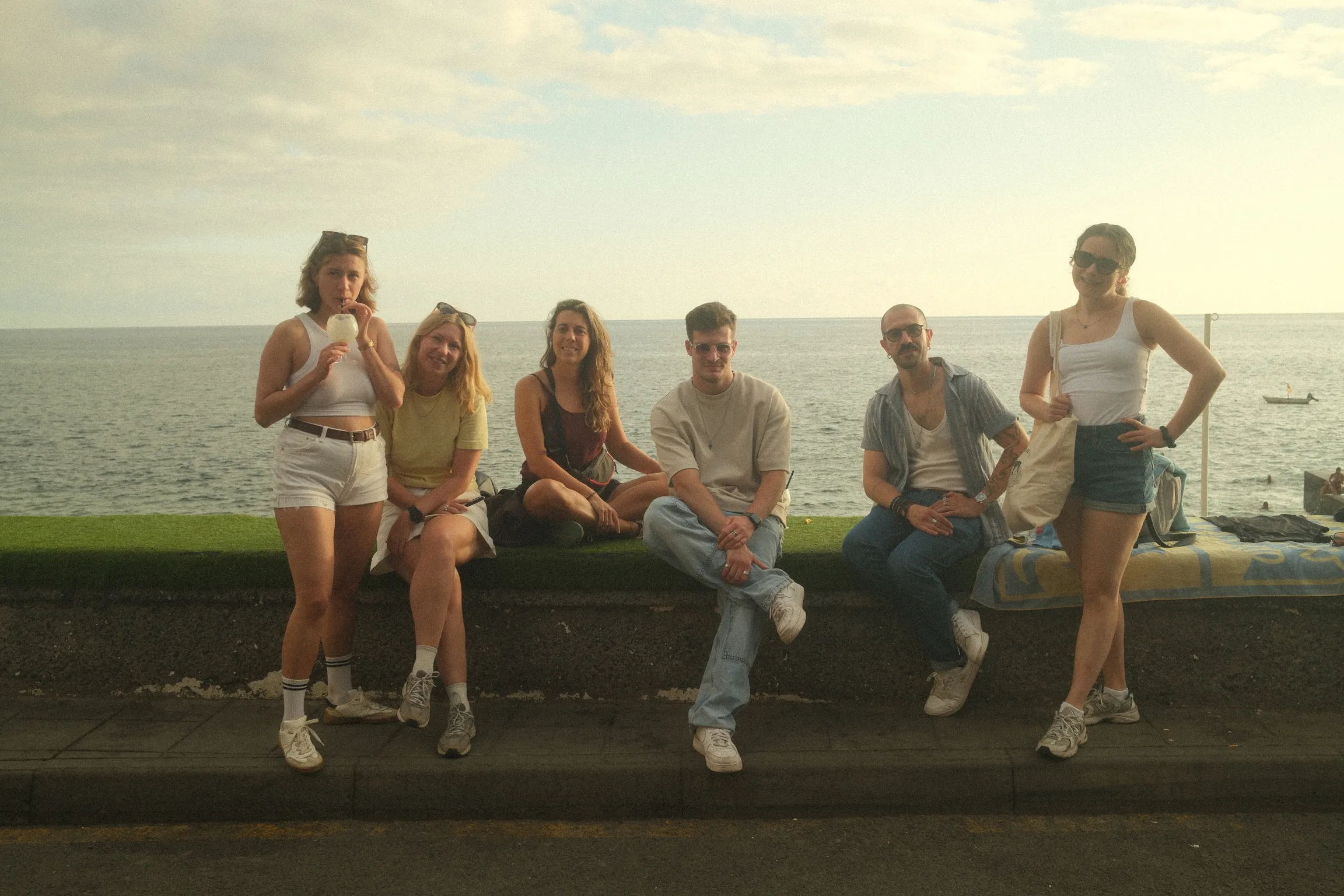
Spreading love through cooking & community.
© 2026 CasaBasilico OÜ (16850261)
All rights reserved.
Design & Branding by ahgoos.com
info@casabasilico.com