
From Solo Traveler to Coliving Convert: 5 Guest Stories
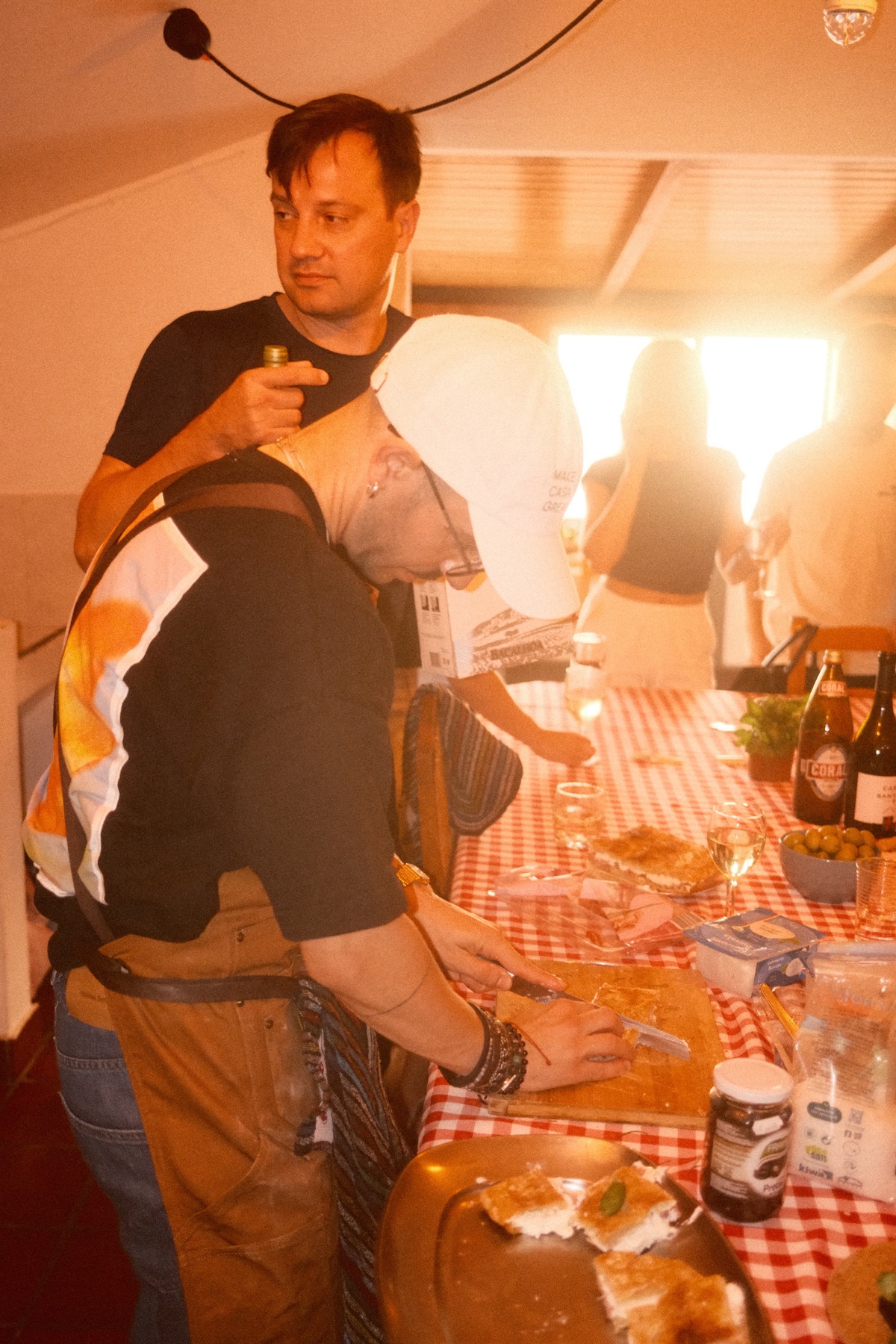
A coliving experience means living and working alongside other remote workers in a shared space. Ask anyone who's actually done it and you'll get a different answer every time. Some people come for the fast wifi and affordable rent. Others show up because they're lonely and won't admit it yet. A few arrive completely skeptical, convinced it'll be a glorified hostel full of 22-year-olds on their first laptop job. What almost everyone agrees on is this: the coliving experience they expected and the one they actually got were two completely different things. According to Buffer's 2023 State of Remote Work, 57% of remote workers name loneliness as their biggest challenge. Coliving addresses that directly by making it structurally impossible to be isolated. These are five real stories from people who showed up solo and left as converts.
We've had 180+ remote workers live with us across Tarifa, Las Palmas, Madeira, Brazil, and Oaxaca. Most of them came in with some version of "I'm not really a coliving person." Most of them left planning their next chapter.
That's not marketing speak. That's just what happens when you put curious, interesting people in a house with good food and no exit for a month.
Here are five stories that feel representative of what a real coliving experience looks like. Names have been changed, but the pasta definitely happened.
"I Thought It Was Going to Be a Glorified Hostel": Marco's Story
Marco is a 34-year-old software developer from Turin who had been working remotely for three years before he found us. He'd tried the Bali coworking café circuit, rented Airbnbs in Lisbon, done the whole digital nomad thing. He was good at being alone. He'd optimized his solo routine to a science.
Then a friend sent him our Instagram and said, "this looks like you." He signed up for the Madeira chapter mostly because he was bored of his own cooking.
"I was expecting the worst," he told us afterward. "Shared bathrooms with strangers. People making TikToks at 11pm. Someone inevitably playing acoustic guitar."
What he got instead was a dinner table conversation about the Italian debt crisis that lasted until 2am (he lost the argument), a running joke about his suspicious relationship with parmesan, and three new friends he now visits whenever he's in Europe.
The coliving experience that converted Marco wasn't the co-working setup or the fast fiber internet. It was the moment, sometime in week two, when he walked into the kitchen and someone had already started making coffee and saved him a cup.
"It's a tiny thing," he said. "But after three years of making your own coffee in silence every morning, it hits different."
"I'm an Introvert. Wasn't This Going to Exhaust Me?": Karolina's Story
Karolina, a graphic designer from Wrocław, had one question before she booked: "Is it mandatory to socialise?"
It's a question we get constantly. And the honest answer is: no. But also, it kind of doesn't matter.
Communal dinners work differently when the food is good. You don't need to be an extrovert. You just need to be hungry.
Karolina came to our Brazil chapter in Pipa for a month. She'd read every coliving horror story she could find: the mandatory icebreakers, the "community calls," the enforced bonding activities. She was ready to hate all of it.
What she found instead was a house where the most common activity was sitting quietly at a long table with other people, doing your own work, occasionally sharing a meal. "Nobody asked me to introduce myself with three fun facts," she said. "We just had dinner. And then we had more dinners."
By week three she was teaching someone else how to make pierogi. By the end of the month she'd organised a spontaneous trip to a waterfall with six people she now considers close friends.
Good coliving doesn't force connection. It creates the conditions where connection can happen, then gets out of the way. Food does most of that work. Hard to stay in your shell when someone's handing you homemade focaccia.
According to Nomad List research, around 43% of digital nomads identify as introverts. If coliving only worked for extroverts, we'd be a much smaller industry. It works for introverts because the structure does the social heavy lifting. You don't have to figure out how to meet people. They're just there, eating your pasta.
Does coliving work for introverts?
"I Had One Really Bad Experience Before This": James's Story
James, 41, a freelance writer from Austin, had done coliving once before. He won't name the place. What he will say is that it felt like a networking event that never ended, run by people who used the word "curated" to describe everything from the guest list to the coffee blends.
"It was the most exhausting month of my life," he said. "Everyone was performing. Performing being creative, performing being ambitious, performing being chill. I came home more lonely than when I left."
He almost didn't give coliving another shot. His partner convinced him to try one more, specifically because of the food angle. "She said, 'If it's about food, at least you'll eat well even if it's terrible.'"
It was not terrible.
What James found was that the focus on food changes the social dynamic. Meals have a natural start and end. You don't have to be "on" all evening. You show up, eat something excellent, talk to whoever's there, and then you go back to your room. It removes the pressure of unstructured socialising.
"Nobody was pitching their startup at dinner," he said. "Someone was talking about a book they'd read. Someone else had strong opinions about the best way to eat a taco. It was just normal. I forgot that normal was an option."
He's booked two more chapters since.
For anyone who's had a bad coliving experience and written off the whole concept: the product varies wildly. What you had was probably bad coliving. Come find out what the other kind looks like.
"I Came for the Wifi, Stayed for the Carbonara": Sophie's Story
Sophie is a UX researcher from Lyon. She is, by her own admission, extremely serious about food. She picked us specifically because of the "foodie coliving" angle and made it clear in her application that she expected to be impressed.
She arrived at our Tarifa chapter with high standards and a healthy skepticism. She left having co-authored a group recipe document that is now, genuinely, one of our most cherished artifacts.
"I did not expect to care about the people as much as the food," she said. "But it turns out the food is just an excuse to care about the people."
This is a pattern we see constantly. Guests who arrive for the destination, the food, the coworking setup, and stay for the people. The coliving experience sneaks up on you. You think you're coming for the raw almond milk and the free desk, and then one day you're learning how to make sofrito from a Colombian food scientist and you realise you haven't felt lonely in three weeks.
Sophie's specific story: she arrived not speaking to anyone on the first day, spent two hours on video calls, ate dinner in silence (her choice, respected), and woke up the next morning to find someone had left a pastry outside her door. They'd gone to the market and thought she looked like she'd like one.
"That's it," she said. "That's the whole thing. Nobody asked me what I do or what I'm building. They just left me a pastry."
She came back for Madeira six months later.
"I Was Nervous to Travel Solo as a Woman": Priya's Story
Priya, a product manager from London with roots in Mumbai, had been wanting to try longer solo travel for years. The thing holding her back wasn't money or logistics. It was the part where you're alone in a foreign country and you have no one to call if something goes wrong.
"Not that I can't handle it," she said, immediately. "I just didn't want to handle it alone."
Coliving solved a specific problem for her that none of the travel blogs had named clearly: it's not just about meeting people. It's about having a home base. A crew. People who notice if you're not at dinner. People who'll go with you to the market or split a cab at 2am.
She booked our Oaxaca chapter. By day three she had a standing invitation to the morning run group (she declined: she is not a morning person). By week two she was the unofficial point person for local food recommendations because she'd already eaten everywhere twice.
"I felt safe," she said, simply. "Not because nothing could go wrong. But because something going wrong wasn't something I'd have to navigate alone."
The community of 180+ people who've lived with us skews heavily toward solo travelers. Many are solo women. The feedback we get, consistently across chapters and years, is that the experience gives you the freedom to be properly adventurous because you always have somewhere to come home to.
It's not a protection service. It's just a house full of people who've got you.
So What Makes a Coliving Experience Actually Good?
Five stories. Five different reasons to come. Five different things that ended up mattering most.
The best coliving experiences don't try to make things happen. They create the conditions for things to happen and then trust the people in the room.
Good food is not optional. Not because we're a foodie coliving (though we are, and we're proud of it). Because food is how humans have always connected. You sit at a table. You pass something. You share. Every culture in the world figured this out independently because it's just true.
Good people aren't optional either. And by good we don't mean impressive or successful or interesting on LinkedIn. We mean curious. Kind. Able to have an actual conversation. Our application process exists to find these people. Not as a vibe filter. As a "we're living together for a month, let's not accidentally ruin it" filter.
The destination, the coworking space, the wifi speed: they all matter. But they're table stakes. The thing that turns a co-living arrangement into a coliving experience is harder to define and easier to feel.
Marco felt it in a cup of coffee. Karolina felt it in a plate of pierogi. James felt it in a dinner conversation about tacos. Sophie felt it in a pastry left outside her door. Priya felt it in knowing she had people.
We've got chapters planned and spots that fill up faster than we'd like. Whether you're a solo traveler, a reformed introvert, a food obsessive, or someone who just needs to stop eating lunch alone: there's a seat at our table.
Come find your chapter at /join-us or see what's coming next at /chapters. We promise at least one very good meal. Probably several.
Ciao ❤️
FAQ
Is a coliving experience worth it if I've never lived with strangers before?
Yes, and honestly, it's often better for first-timers. You come in without bad habits from previous flatshares. The structure (communal meals, shared spaces, no long-term commitment) breaks the ice without you having to do much work. Most people who've never tried coliving are surprised by how quickly strangers on day one become friends by week two. The learning curve is about 48 hours.
How long is the typical coliving experience?
Our chapters run on a minimum one-month basis. We're slow-nomads by design. A week is enough to see a place, but not enough to actually know it. A month lets you find the coffee shop nobody else knows about, have real conversations that go somewhere, and stop eating at tourist restaurants. It's the difference between visiting somewhere and actually living there.
What if I'm introverted or just need quiet time?
You'll be fine. Coliving at Casa Basilico isn't group therapy or a 24/7 social event. People have their own rooms, their own work, their own pace. The communal parts (meals, occasional activities, trips) are opt-in by design. You can be completely present at dinner and completely invisible the rest of the day. Some of our most enthusiastic return guests describe themselves as introverts.
What separates a good coliving experience from a bad one?
The people and the food, honestly. Spaces can be fixed. What you can't fix mid-month is a house full of people who don't click, or three weeks of mediocre cooking. We invest heavily in both. Our application process keeps the guest quality high, and "foodie" isn't a marketing word for us. It's a commitment. If the food is bad, Fabio takes it personally.
Can I come if I don't know anyone and have never done this before?
That is exactly the use case. First-timers are some of our best guests. There's no baggage, no comparison to other colivings, no preconceptions. You show up. You eat something good. You meet people. You come back.

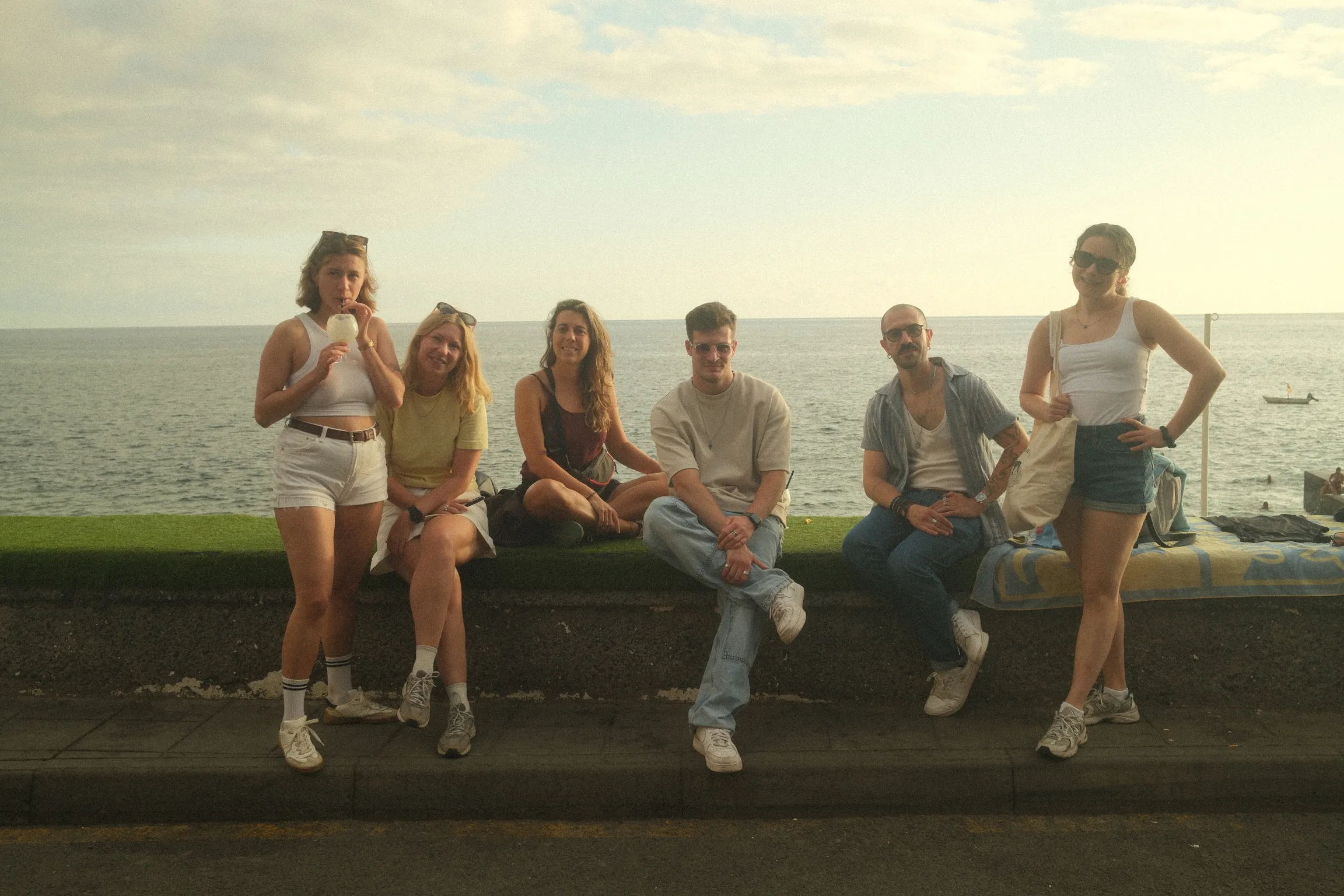
Spreading love through cooking & community.
© 2026 CasaBasilico OÜ (16850261)
All rights reserved.
Design & Branding by ahgoos.com
info@casabasilico.com