
Coliving for Introverts: It's Not What You Think
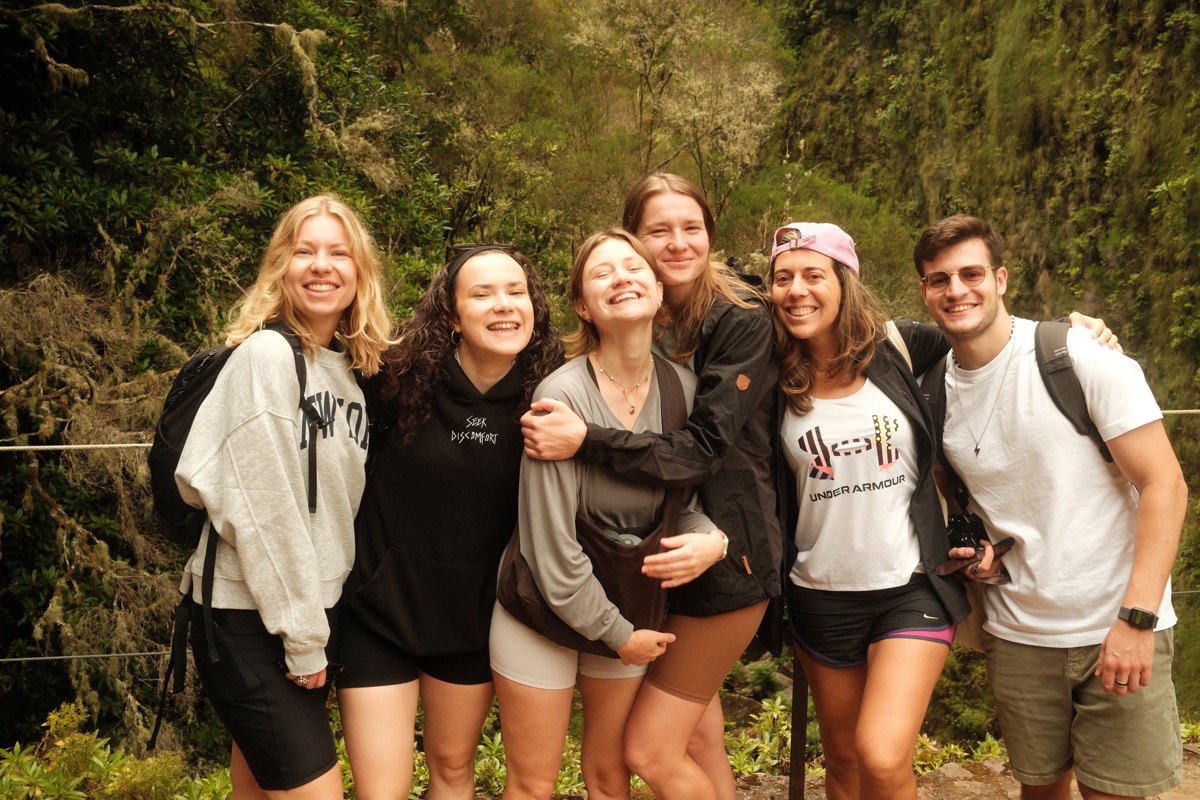
Coliving is not a non-stop party you can't escape from. For introverts, a well-run coliving is one of the best living arrangements out there. Better than a lonely Airbnb, quieter than a hostel, and way less exhausting than making friends from scratch in a new city every month. The key is choice. You eat dinner together when you want to. You disappear to your room when you don't. Most coliving guests, introverts included, say the hardest part isn't the social intensity but finding the right balance. In a foodie coliving like Casa Basilico, where connection happens naturally around a shared meal rather than a forced icebreaker game, introverts tend to thrive. Research shows 57% of remote workers report loneliness as their biggest challenge (Buffer, 2023). Coliving solves that structural problem without demanding anything from you. No morning circles. No mandatory activities. Just dinner, good people, and as much space as you need.
Isn't coliving just for extroverts who want to party 24/7?
That's the assumption keeping introverts in mediocre Airbnbs paying 3x the price for the privilege of eating alone.
The people who end up loving coliving most are often the ones who were most skeptical going in. Introverts, solo travelers who are a bit shy, remote workers burned out from sitting alone in cafés next to strangers they'll never talk to.
Why? Because good coliving removes friction from connection without forcing it. You don't have to hunt for people to hang out with, which is exhausting. And you don't have to do everything alone, which is exhausting in a completely different way. You just show up at dinner, say three words, eat some pasta, and decide from there.
A 2023 study by Nomad List found that 43% of digital nomads identify as introverts or ambiverts. That's nearly half the nomad world feeling nervous about exactly the kinds of spaces that would help them most.
What does a typical day actually look like for a coliving introvert?
At Casa Basilico, nobody knocks on your door. Nobody puts your name on a sign-up sheet for mandatory group activities. You're an adult. We treat you like one.
A day usually looks like this:
The dinner table is genuinely the great equalizer. We've seen people who barely said ten words in the first three days open up completely over a bowl of pasta. Not because of some transformation. Just because the environment was finally low-stakes enough to stop performing and start being a person.
See what a typical week looks like at Casa Basilico Oaxaca
Is shared accommodation actually manageable for introverts?
Depends on the house, and depends on you. A few things worth knowing:
Private rooms exist. At Casa Basilico we always have private room options. You have a door. You can close it. Nobody thinks less of you for spending Saturday afternoon reading in bed instead of going on the group hike.
Shared spaces are genuinely shared. When the common area is lively, you can retreat. When it's quiet, it's yours. Good coliving houses self-regulate. The kitchen at 9am is usually one or two people. The living room after midnight is empty. People naturally spread out.
Noise is a real concern and worth asking about before you book. At Casa Basilico, we rent full houses, not converted hostels with paper-thin walls. The vibe is dinner party, not festival campsite.
A 2022 survey by Coliving Insights found that 71% of coliving residents described their social energy as "about right," neither too much nor too little. Among residents who identified as introverted, that number was 68%. Nearly identical. Introverts aren't suffering through coliving. They're calibrating to it, same as everyone else.
What is coliving, really? The honest version
Does coliving make loneliness worse or better for introverts?
Better. Almost always better.
Being alone in a crowd is lonelier than being known by a small community. Introverts know this better than anyone.
Nomad life is full of the first kind of loneliness. You're in a packed café in Lisbon where nobody knows your name, Slacking your coworkers in a different timezone and grabbing a nice photo for Instagram while feeling hollow.
Coliving fixes the structural problem. You're not starting from zero every day. The community is already there when you want it. The introvert tax, the exhausting labor of initiating every social interaction from scratch, disappears.
Buffer's 2023 State of Remote Work report found that 21% of remote workers cite loneliness as their top challenge. Among those who had lived in a coliving space, that number dropped. Not because they became extroverts. Because the friction was gone.
Coliving vs Airbnb: which actually makes sense for slow-nomads
What kind of introvert thrives in coliving? And who might struggle?
Not all coliving is equal, and not all introverts are the same.
You'll probably love it if:
You might struggle if:
The minimum social input required is low. The maximum available is high. That's the sweet spot for coliving as an introvert: optionality, not obligation.
Why Casa Basilico specifically works for introverts
It's the food. Weird answer, we know.
Food-centered community is introvert-friendly by design. Cooking together gives everyone something to do with their hands. You don't have to perform sociability. You're just stirring a pot. Sharing a meal is intimate without being intense. It builds trust slowly, across several evenings, without anyone having to be "on."
This is why we built Casa Basilico around meals rather than events. No mandatory yoga sessions. No workshop circles where you hold someone's hand and share your feelings. No "let's go around and say one word that describes your week." Just dinner, every night. You can sit wherever you want.
We've had guests who were quietly terrified before arriving. One guy from Germany told us he nearly cancelled his booking twice. He ended up being the last one to leave the table, every single dinner, for a full month.
That's not because he became a different person. It's because the environment finally let his social battery work efficiently instead of draining it.
180+ remote workers have lived at Casa Basilico. A lot of them arrived nervous. Almost none left early.
Who we are and why we built this
Ready to try it?
You don't have to be the life of the party. You don't even have to be particularly social.
You just need to want a home base, good food, decent Wi-Fi, and a handful of people who might actually become friends. If that's you, you're already a Casa Basilico person.
Come find your chapter. Grab a spot before they're gone. →
FAQ
Can introverts enjoy coliving?
Yes, and often more than they expect. The key is a coliving that doesn't force social interaction but makes it easy when you want it. Food-centered colivings like Casa Basilico are especially introvert-friendly because connection happens during shared meals without anyone having to perform sociability on demand.
Do I have to socialize in a coliving space?
No. Good coliving is opt-in, not mandatory. You have a private room, you can skip group activities, and nobody tracks your participation. The community is there when you want it. Casa Basilico keeps a light touch: dinner is the main communal moment, and even that is loose.
Is coliving better than an Airbnb for introverts?
For most remote workers, yes. Airbnbs swap loneliness for isolation. Coliving gives you the option of both. Most introverts find that a ready-made community actually reduces social anxiety rather than increasing it, because you're not doing the exhausting work of building connection from zero every time you move.
What if I need total silence to work?
Bring good headphones and book a private room. Work from your room during deep focus blocks. Common areas during the day are usually calm but not library-quiet. If silence is non-negotiable, ask about the specific house setup before booking.
What's the minimum social involvement required?
At Casa Basilico, pretty minimal. Show up to dinner when you feel like it. Wave hello to people in the kitchen. That's the baseline. Some guests go to everything. Some go to very little. Both are completely fine. Nobody takes attendance.

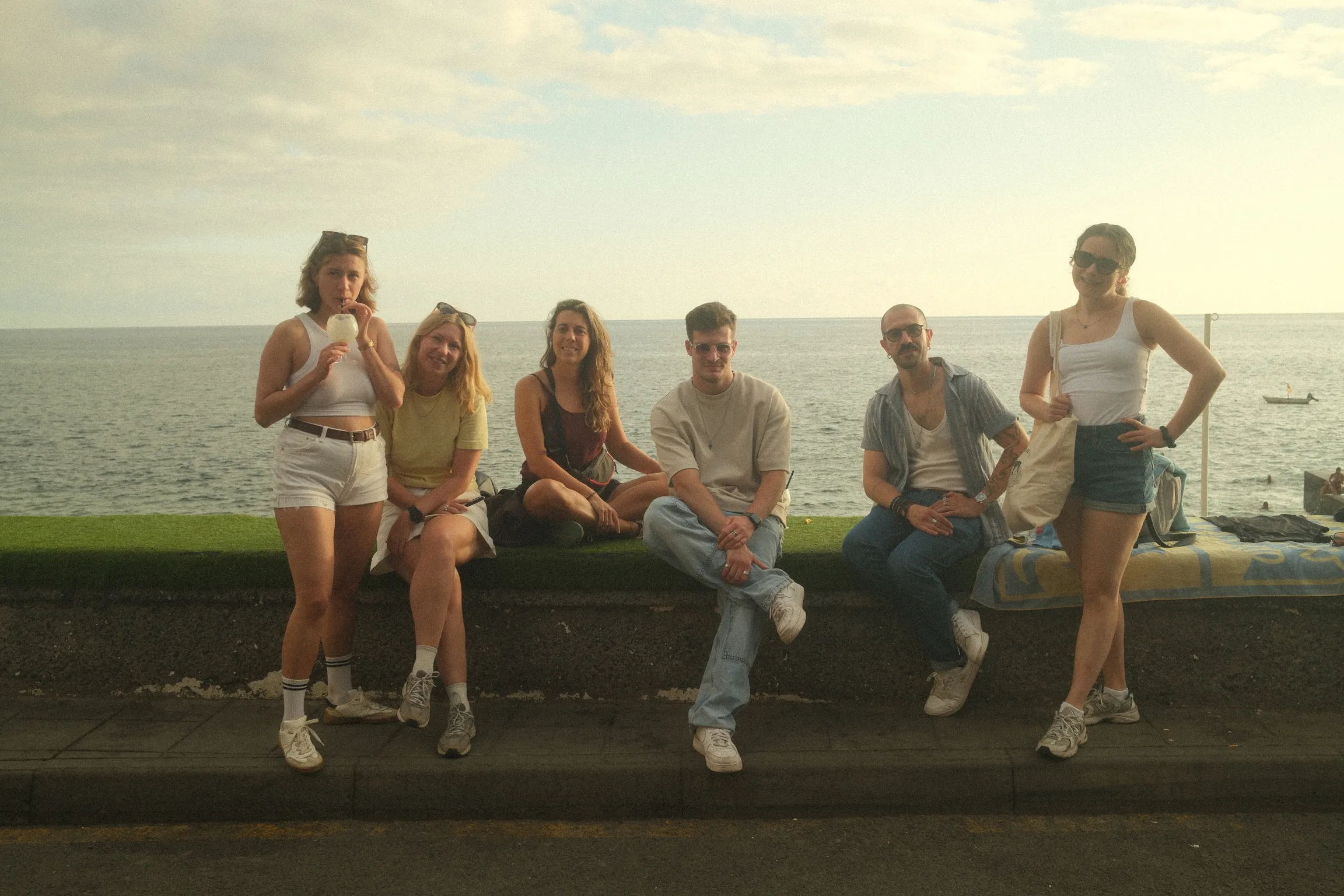
Spreading love through cooking & community.
© 2026 CasaBasilico OÜ (16850261)
All rights reserved.
Design & Branding by ahgoos.com
info@casabasilico.com