
Artist Residency

What is Artist Residency?
An artist residency is a structured program that gives creatives (painters, writers, musicians, filmmakers, designers) dedicated time, space, and sometimes funding to focus on their work. The classic model: a foundation or institution invites artists to live somewhere for weeks or months, strips away the usual noise of daily life (rent stress, commutes, admin hell), and just lets them make things.
The form has been around for over a century. The MacDowell Colony in New Hampshire started in 1907. Since then, thousands of residencies have popped up worldwide, from mountain retreats in the Swiss Alps to fishing villages in Iceland. Some are competitive and funded. Others are self-organized: an artist rents a room somewhere quiet and calls it a residency because that's what it needs to be.
The common thread isn't the institution. It's the intention: carving out a dedicated block of time where the only job is to create, surrounded by people who take that seriously. The environment does half the work. The structure gives permission to stop managing life and start making something.
Why Artist Residency Matters for Digital Nomads
Most digital nomads are already doing their own version of a residency without calling it that. You pick a city, set up a temporary life, and try to do your best work while the world around you is new and interesting and occasionally overwhelming.
Nomading solo doesn't automatically give you residency conditions. You need community that understands what you're building. You need a kitchen that makes you want to cook and think out loud. You need a dinner table where someone asks what you're working on and wants to know.
The artist residency model works because it removes friction between having time and using it well. When you're surrounded by people who treat their work seriously, it becomes easier to treat yours the same way. That's by design.
At Casa Basilico
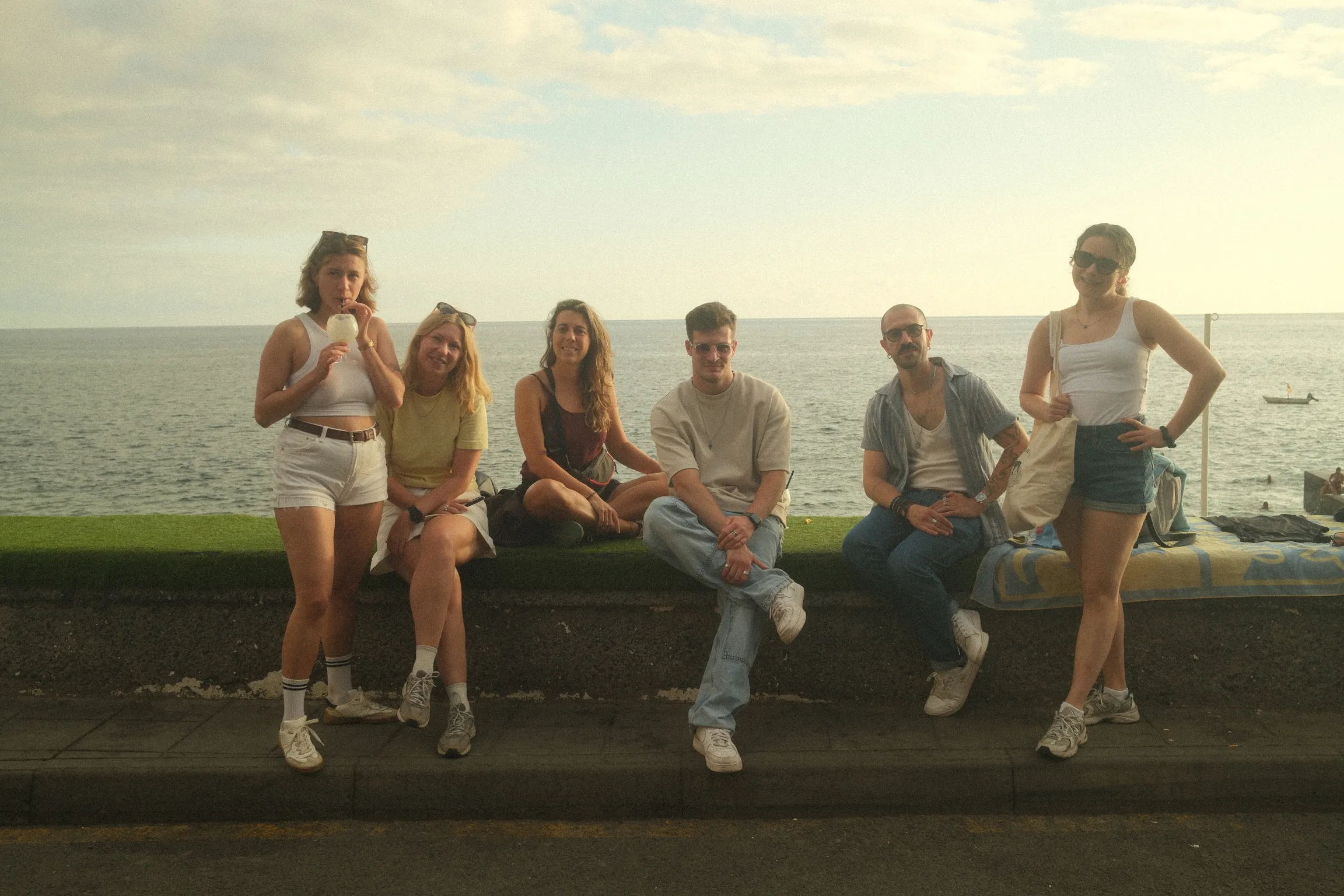
In Madeira, we had a UX designer named Clara who hadn't touched her side project in two years. A graphic novel about her grandparents' migration story, half-finished on her laptop. She showed up in Funchal not sure she'd even open the file. Eight weeks later she had a complete first draft and a collaborator: a photographer from our chapter who's now shooting reference images for the book. Something about the kitchen table, the dinners, the people who kept asking "so how's the novel going?" made it impossible not to finish.
That's what a residency is. Not a grant or a formal program. Just time, intention, and the right people around you.
Related terms:
Ready to build your own residency? Come join us and see what you finish when you're finally surrounded by the right people.


Spreading love through cooking & community.
© 2026 CasaBasilico OÜ (16850261)
All rights reserved.
Design & Branding by ahgoos.com
info@casabasilico.com