
Retreat Coliving

What is Retreat Coliving?
Retreat coliving is a short-to-medium-term live-work format that blends the intentionality of a retreat with the social infrastructure of coliving. Unlike a traditional retreat (a long weekend, a journal, a smoothie recipe, home by Sunday), retreat coliving puts you in a shared house with other remote workers for weeks or months at a time. Real bed, real kitchen, real people you'll remember next year. The retreat part means the environment is designed to help you slow down and get out of your default settings. Away from your usual city, your usual routines, and the particular kind of inertia that builds up when you've been working from the same couch for three months. The coliving part means you're not doing any of that alone. You share meals, work schedules, living space, and the occasional meltdown. The result sits somewhere between a focused sabbatical and a dinner party that doesn't end: a temporary home base where getting unstuck is less about mindfulness apps and more about what happens when you eat a long meal with people who actually get it.
Why Retreat Coliving Matters for Digital Nomads
Most nomads have already tried the alternatives. Hotel rooms are fine until day three, when you're eating dinner at your desk and talking to no one. Airbnbs feel like home until you realise you don't know a single person in the city and the host lives upstairs. Traditional retreats give you a burst of clarity and then send you back to exactly the life you were trying to reset from.
Retreat coliving solves the part nobody talks about: the middle. Not the excitement of arriving somewhere new, not the comfortable routine of a long-term rental. The part where you need enough structure to work, enough community to feel human, and enough freedom to make it yours. For slowmads, freelancers, and founders who burn out on back-to-back Airbnbs, retreat coliving is the format that makes the nomad lifestyle sustainable, not just survivable.
At Casa Basilico
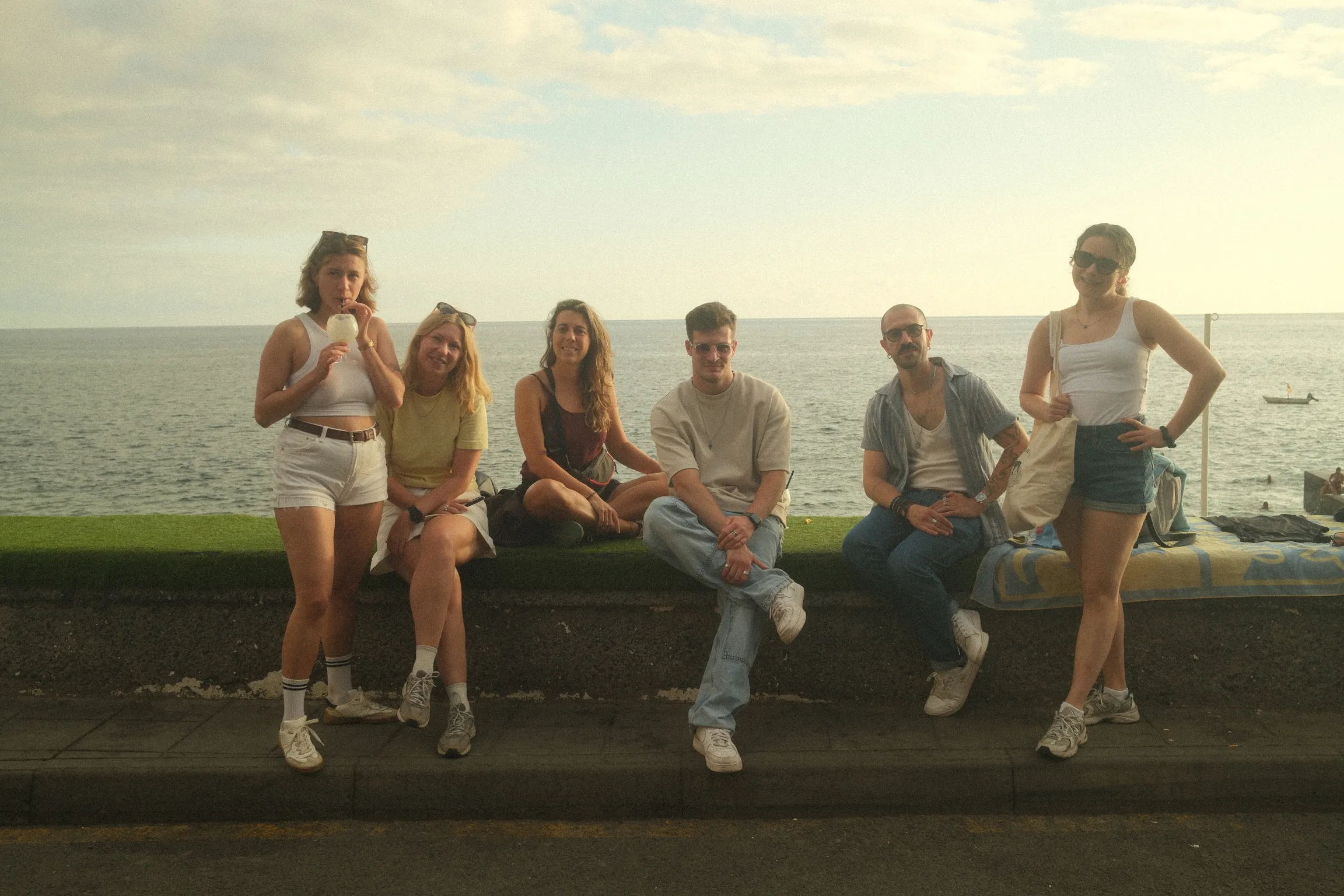
During the Madeira 2025 chapter, a UX designer named Clara booked two weeks thinking she'd use it as a "reset." She stayed eight. Around week three she told us she'd done more focused work in the shared living room (someone cooking pasta, two others arguing loudly about whether pesto should ever touch fish) than she had in six months of grinding alone from cafés. That's retreat coliving. The focus doesn't come from silence. It comes from being around people who are also trying to get something done, and who will absolutely make you dinner anyway.
Related terms:
Ready to stop resetting alone and start doing it with people? Come join us →


Spreading love through cooking & community.
© 2026 CasaBasilico OÜ (16850261)
All rights reserved.
Design & Branding by ahgoos.com
info@casabasilico.com