
a Business Retreat

What is a Business Retreat?
A business retreat is when a team leaves its usual environment to think more clearly, work more honestly, and talk to each other. Not send Slack messages from three desks apart. It can last a weekend or several weeks. It might be structured around strategy sessions and quarterly planning, or looser: a shared house, good meals, and conversations that don't fit on a calendar invite.
The premise is that proximity and novelty do something to people. Put a team in a new city with a dinner table in the middle of things, and the conversations that have been circling for months finally land. The decision that kept getting deferred gets made over pasta at 11pm. The two colleagues who've never quite clicked end up on the same side of a debate about the product roadmap and realize they think the same way.
For digital nomads especially, business retreats aren't a once-a-year luxury. They're a working model. When your team is distributed across five time zones, a week of physical co-location can undo months of miscommunication and do more for team culture than any Zoom happy hour.
Why Business Retreat Matters for Digital Nomads
Most remote teams function fine in the day-to-day. Tools work. Standups happen. Tickets get closed. But the harder conversations need a room: direction, trust, creative risk, what the company is actually for. Or at minimum, a dinner table.
A business retreat gives distributed teams permission to be inefficient in the right ways: to take a long walk and think out loud, to cook together and stumble into a product idea, to disagree openly without the muted formality of a video call.
For nomads, the advantage is you already know how to move. You don't need a corporate travel coordinator. You book it the way you book everything: with taste, and usually somewhere with good espresso.
At Casa Basilico
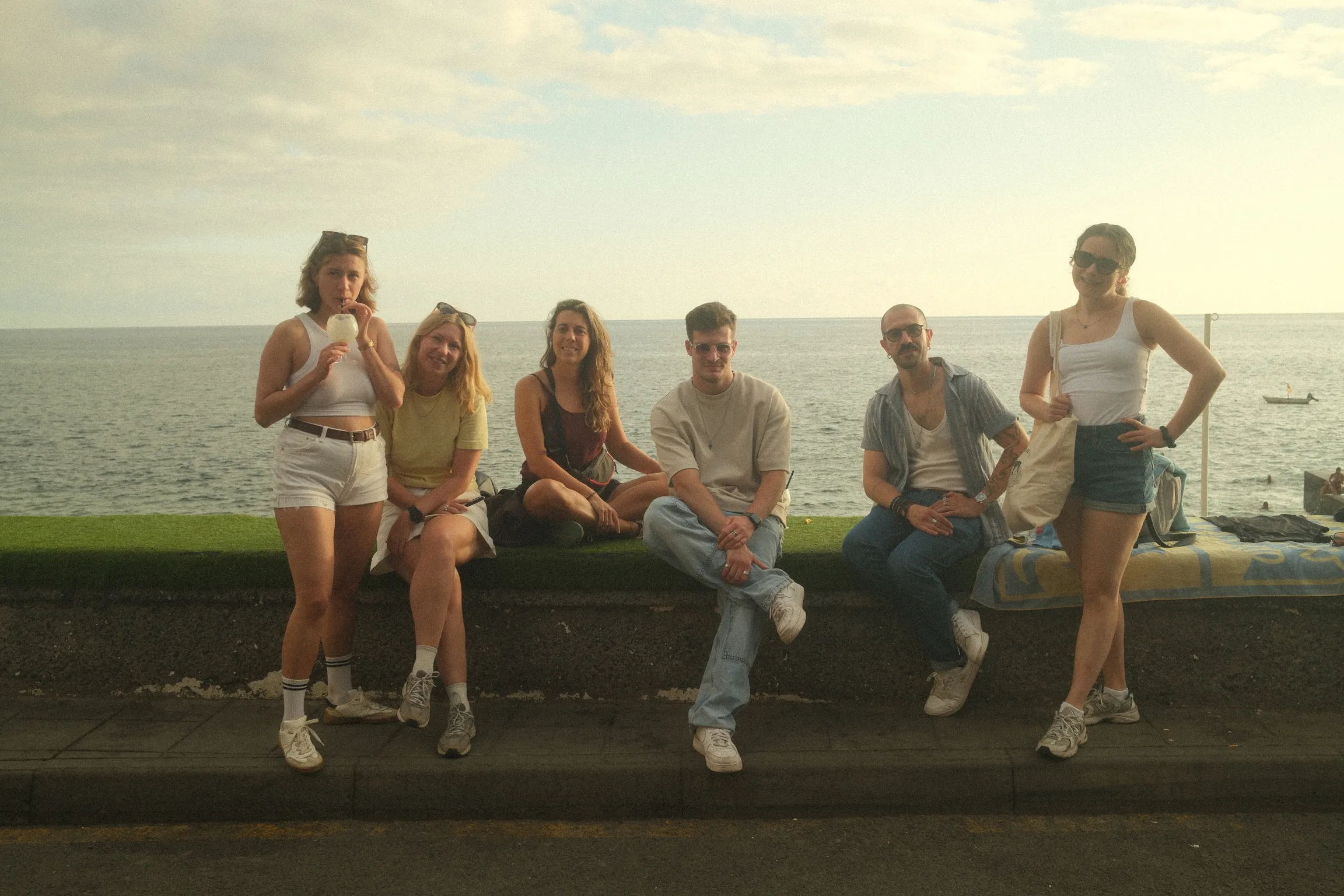
In Madeira, a four-person product team from Berlin joined the chapter mid-sprint. They were figuring out a pivot. Two founders disagreeing, two engineers waiting for direction. They weren't sure a coliving was the right call. They half-expected a villa bubble with Wi-Fi and nothing else.
What they got was a dinner table with twelve other people, a kitchen that turned into a nightly lab, and conversations that kept bleeding from work into everything else. By day three, the pivot debate had resolved itself. Not in a meeting room. Over someone else's tiramisu. They said later it was the first time in months they felt like they were building something together again, not just managing tasks in parallel.
That's the thing about doing a business retreat inside a real community rather than isolated in a private house: you can't fake the energy when there are other people excited about their own work at the next table.
Related Terms
- Founder Retreat: a retreat built around the specific chaos of founding something
- Corporate Offsite: the more formal, company-organized version of getting the team out of the office
- Retreat Coliving: when the retreat structure and the coliving model are the same thing
- Mastermind Coliving: smaller, peer-led groups focused on accountability and growth
- Bleisure Travel: the broader category of mixing business and leisure on the road
If you want to run your next business retreat somewhere with a real kitchen, a real community, and no awkward team-building exercises, come find us.


Spreading love through cooking & community.
© 2026 CasaBasilico OÜ (16850261)
All rights reserved.
Design & Branding by ahgoos.com
info@casabasilico.com