
a Coliving Host

What is a Coliving Host?
A coliving host is the person (or small team) who runs a coliving space: managing the logistics, shaping the culture, and handling the thousand invisible things that make shared living feel like home rather than a hostel with a coffee machine. Part logistics wizard, part community builder, part "yes I know the wifi password, also we're making pasta tonight, join us."
A good coliving host sets the tone for who the space attracts and how people treat each other. They make awkward Monday arrivals feel natural. They make sure the quiet developer from Frankfurt ends up at the same dinner table as the Brazilians who just arrived. They know when to leave people alone and when to pull everyone into the kitchen.
Hosting styles vary. Some hosts are hands-off, some basically adopt you. The best ones make you feel like you landed somewhere, not just stayed somewhere.
Why Coliving Host Matters for Digital Nomads
When you work remotely, your environment is your office, your social life, your kitchen, and sometimes your therapy. The coliving host is the person who either makes that environment feel alive or lets it drift into a glorified shared apartment with decent wifi.
A great host anticipates friction: the awkward first week when no one knows anyone, the night someone cooks fish at midnight, the moment a guest wants to extend but the next chapter is already full. They don't need to solve everything, but they need to give a damn.
For nomads doing back-to-back colivings, the quality of the host is often the biggest variable between "I'd go back" and "nice city, meh experience." A beautiful villa with a checked-out host is just an expensive Airbnb. A modest space with the right host? That's the stay people talk about for years.
At Casa Basilico
In Pipa, Brazil, Fabio cooked dinner for 22 people every single night of the chapter. Not because it was in any handbook. There was no handbook. Dinner was when the real thing happened: the conversations, the friendships, the reason people kept extending their stays.
The host sets that rhythm. In Tarifa, it was 6am wind checks before anyone else was awake so the kite session could happen. In Oaxaca, it's spontaneous mezcal market runs and tamale-making sessions that nobody scheduled but everyone showed up for.
A Casa Basilico host isn't managing a space. They're building the thing that makes guests miss it before they've even packed their bags.
Related terms:
Want to see what good hosting actually looks like? Come join the Oaxaca chapter →


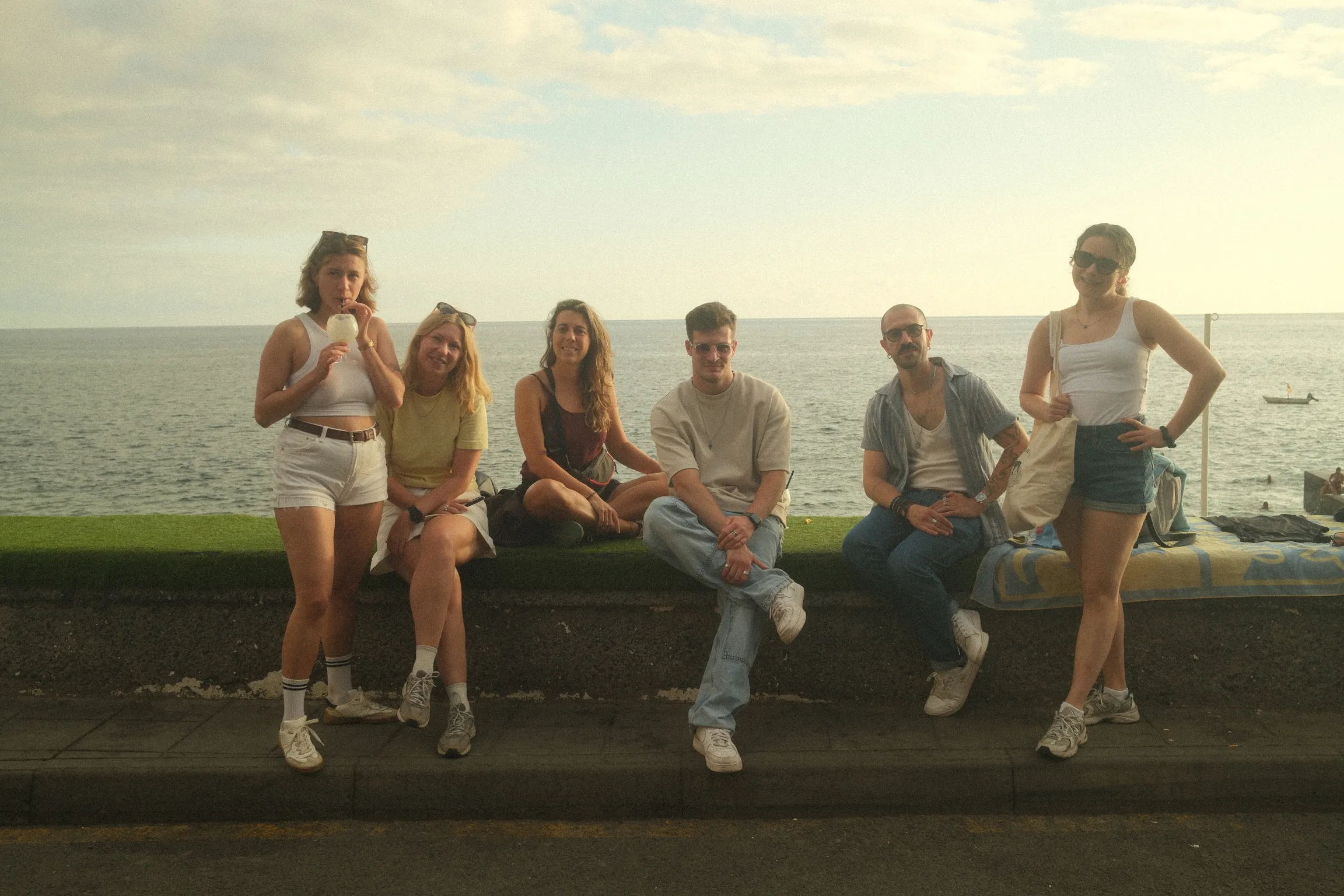
Spreading love through cooking & community.
© 2026 CasaBasilico OÜ (16850261)
All rights reserved.
Design & Branding by ahgoos.com
info@casabasilico.com