
a Freelance Visa

What is a Freelance Visa?
A freelance visa is a residence permit that lets self-employed workers, independent contractors, and remote freelancers live and work legally in a foreign country without needing a local employer to sponsor them. Think of it as the government finally catching up with how millions of people actually work.
Unlike a tourist visa (which technically doesn't let you earn money while visiting), a freelance visa gives you the legal right to invoice clients from abroad, open a local bank account, and build a legitimate paper trail in your new country of residence. Requirements vary widely by country. Most ask you to prove a minimum monthly income, show client contracts, and sometimes demonstrate health insurance coverage.
Countries that have introduced versions of this include Portugal, Spain, Germany, Estonia, Costa Rica, Indonesia, the UAE, and a growing list of others. Some call it a "digital nomad visa," some a "self-employment visa," some a "startup visa." The label changes. The idea stays the same: let mobile workers stay without jumping through traditional employment hoops.
Why Freelance Visa Matters for Digital Nomads
For most digital nomads, the freelance visa is the thing standing between "technically legal" and actually legal. Plenty of remote workers spend months in a country on rolling tourist visas, quietly hoping nobody asks too many questions. A freelance visa changes that.
You can sign a proper lease instead of living in short-term Airbnbs. Open a bank account. Pay taxes somewhere official. Stop doing the mental gymnastics of "how many days have I been here again?" and just live.
The professional side matters too. Clients, especially agencies and mid-size companies, increasingly ask contractors to prove they're legally set up to work. A freelance visa, or the local self-employment registration that often comes with it, answers that.
For nomads planning to spend three to six months somewhere real instead of bouncing every few weeks, this is the first piece of legal infrastructure worth building. It turns "extended trip" into "this is actually my life now."
At Casa Basilico
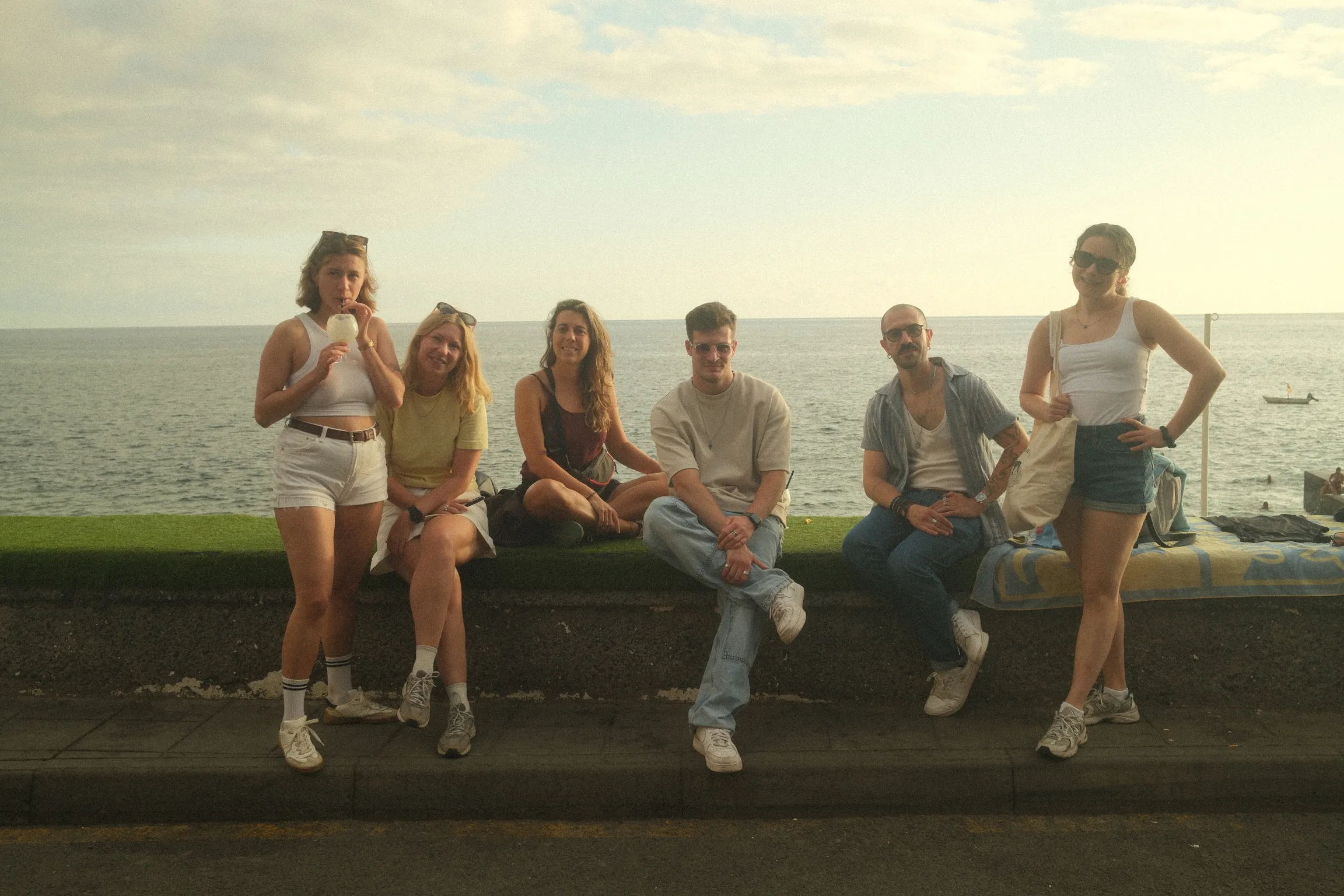
During our Madeira 2025 chapter in Funchal, we had Jonas, a Swedish UX designer who'd been doing the tourist visa shuffle for two years across Southeast Asia. He spent most of his first week at the dinner table quietly terrified, convinced Madeira would finally ruin his streak of never getting caught. By week three, he'd booked an appointment with a local accountant, applied for Portugal's digital nomad visa, and started telling everyone at the table it was "actually not that painful." He left Funchal with a visa application in progress and a carbonara recipe. Both life-changing, honestly.
Related Terms
Done with the tourist visa shuffle? Come build your actual life somewhere worth building it. Join us →


Spreading love through cooking & community.
© 2026 CasaBasilico OÜ (16850261)
All rights reserved.
Design & Branding by ahgoos.com
info@casabasilico.com