
Shared Experience

What is Shared Experience?
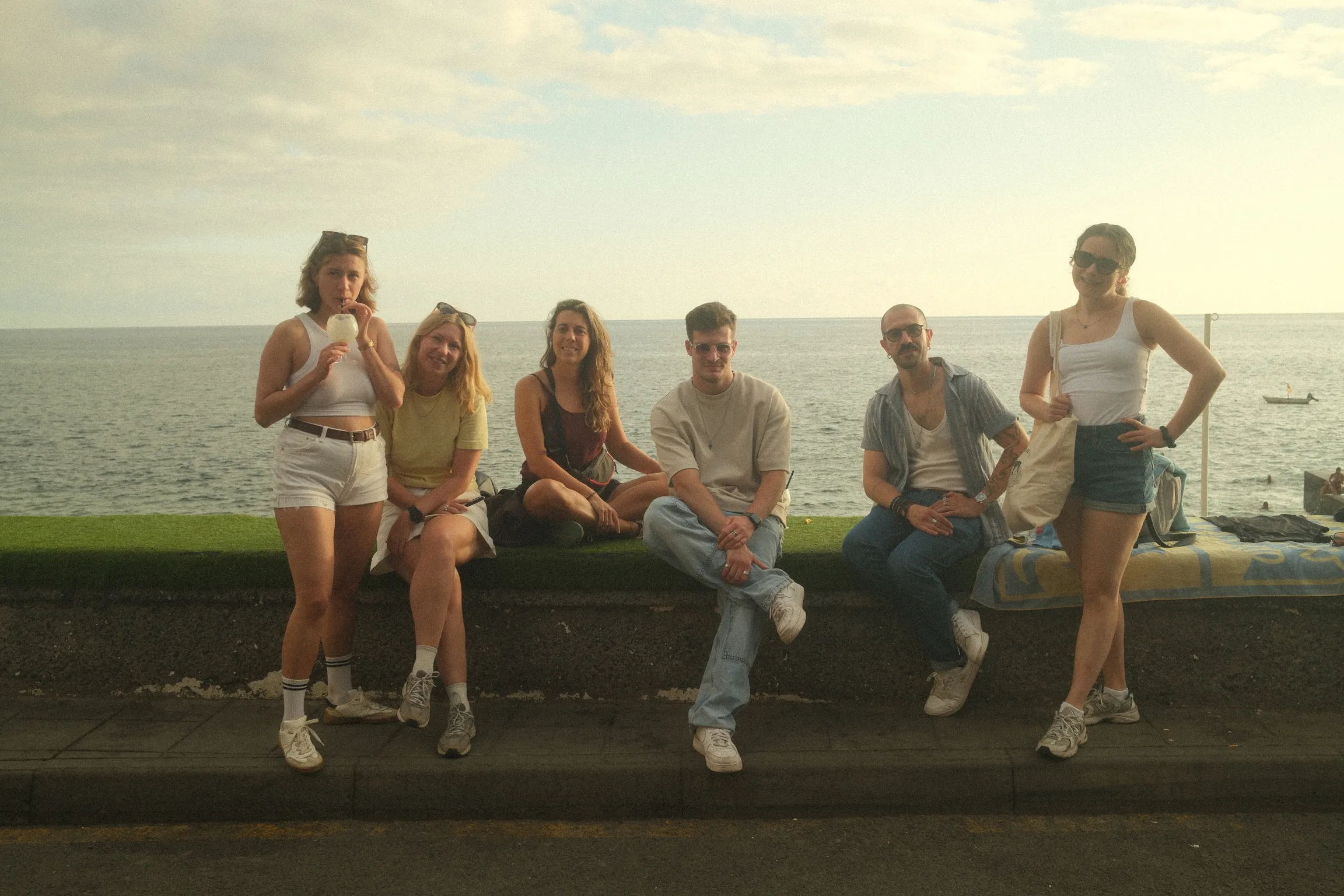
A shared experience is when two or more people live through the same moment together, and both carry it with them long after it's over. Not a photo of the sunset. The actual sunset, standing next to someone who laughed at the same thing you did, who will remember it differently than you, and whose version will somehow make yours better.
For digital nomads, shared experiences don't happen automatically. You can spend three months in a city and never eat dinner with the same person twice. You can be surrounded by people and still feel like you're living in parallel, each person orbiting their own bubble of co-working cafés and solo grocery runs. That's the paradox of nomadic life: total freedom, occasional loneliness.
A shared experience breaks the parallel. It's the mole negro you started at noon because someone said "how hard can it be." It's getting on a bus to the coast with no plan and coming back with a story you'll still be telling three years from now. Cooking for each other, arguing whose turn it is to do the washing up, and somehow still ending up in the courtyard until midnight because someone started a playlist.
These moments don't require an itinerary. They require proximity, a little goodwill, and people who actually show up.
Why Shared Experience Matters for Digital Nomads
Remote work gives you a life with zero forced community. Your coworkers are in Slack. Your family is in a different timezone. Your social life runs on Instagram and group chats that go quiet for weeks. You can easily go an entire day without a real conversation.
That's fine, sometimes. But humans aren't built for solo mode indefinitely. The research on loneliness among remote workers is pretty grim, and most digital nomads know it from experience even if they don't say it out loud.
Shared experiences are the antidote. They create relational shortcuts. One intense week of cooking, exploring, and surviving a sketchy bike rental together builds more trust than a year of polite small talk at a co-working space. In a nomadic context, where you might only have four or six weeks somewhere, that speed matters. You don't have the luxury of slow-burning friendships. Shared experience is what fast-tracks the connection.
At Casa Basilico
During the Oaxaca 2026 chapter, a few housemates decided to tackle mole negro from scratch. Real mole negro, the kind that takes two days, requires roasting and grinding about twenty different dried chiles, and is technically regional intellectual property. Nobody knew exactly what they were doing. Three people burned things. One person translated the recipe from Spanish in real time on their phone. By the end of it, twelve people were crammed around the table eating with tortillas fresh off the comal, and someone's abuela was on a video call nodding approval at the colour.
That dinner wasn't on any itinerary. It just happened because people were in the same place, curious, and willing to mess it up together.
That's what shared experience looks like at Casa Basilico. The meals that take twice as long as they should. The plans that change completely by 11am. The moments nobody scheduled that everyone remembers.
Related terms:
There's still a spot at the table. Come see what a real shared experience looks like in Oaxaca.


Spreading love through cooking & community.
© 2026 CasaBasilico OÜ (16850261)
All rights reserved.
Design & Branding by ahgoos.com
info@casabasilico.com