
Are Coliving Activities Mandatory? The Honest Answer

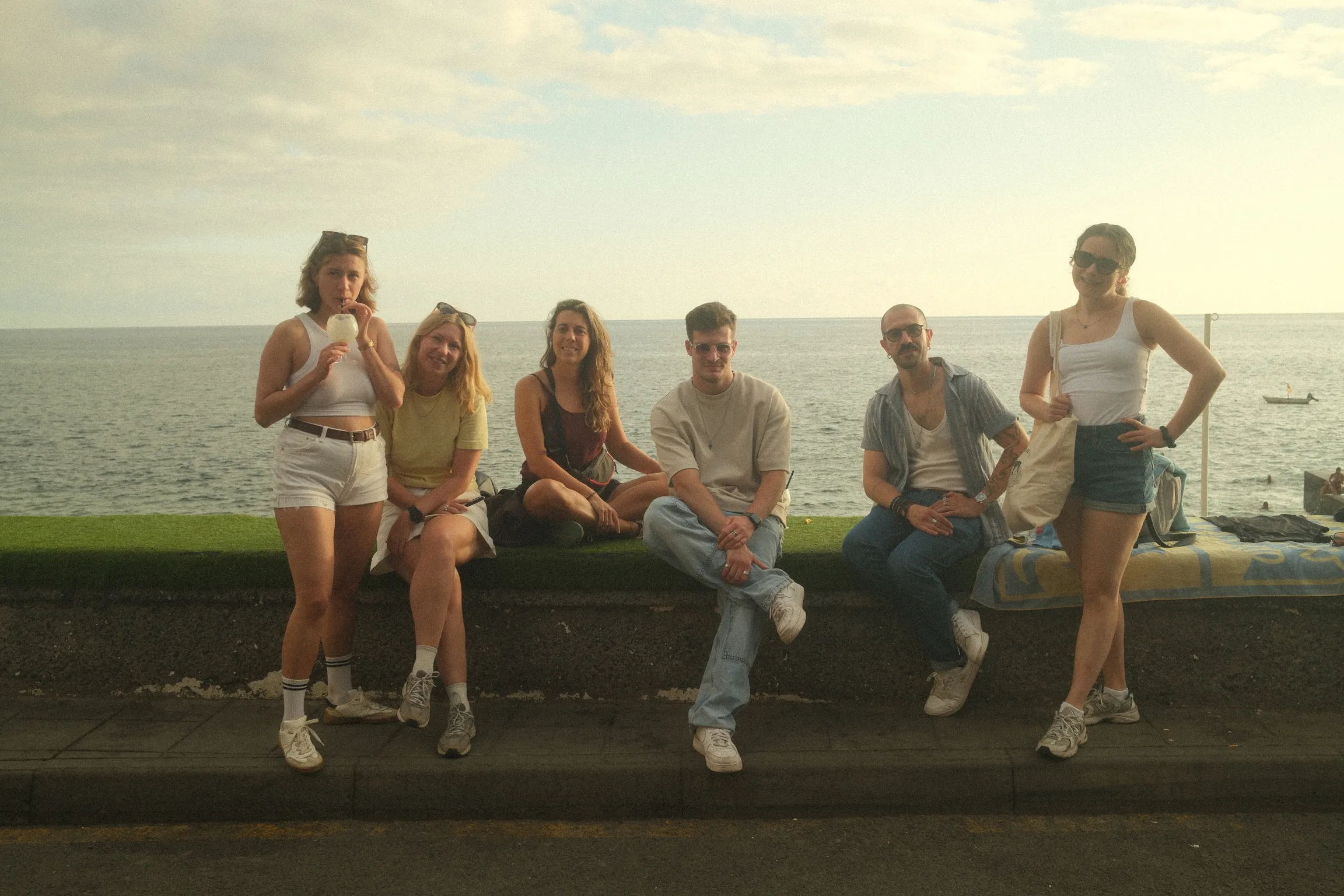
Short answer: coliving activities should not automatically be mandatory. At Casa Basilico, dinners, trips, swims, hikes, and other shared plans are encouraged because they help people connect, but you choose what fits around your work and energy. You can skip a plan, take a quiet evening, or do your own thing. The useful balance is simple: the house should make joining easy without making saying no uncomfortable. Community needs participation over time, not perfect attendance and a colour-coded scorecard every time somebody suggests a sunset walk.
This article describes Casa Basilico's current community approach, checked against the Puglia and Banana House operating guides in August 2026. Each chapter adapts its rhythm to the house and group.
Why this question matters before you book
People choose coliving for different reasons. One person wants a built-in social life. Another mainly wants a reliable place to work with friendly people nearby. Somebody else is excited about dinner but would rather wrestle a printer than join a 6am group hike.
All three can enjoy the same house if expectations are clear. Problems start when the marketing promises community but the reality is compulsory scheduling, or when the house says it is social but nobody ever creates an invitation.
Use our coliving red flags and green flags to check the whole setup before booking. The activity model is one part of that decision, alongside workspaces, call areas, internet, cleaning, stay length, and who the house is actually for.
Encouraged is different from mandatory
At Casa, shared plans are encouraged. That means we will tell you what is happening, make introductions, help with coordination, and sometimes remind the group that sitting in twelve separate rooms is a very expensive way to ignore each other.
Optional means the final decision is yours. You do not need a permission slip or a dramatic explanation. “I have work” is enough. “I need an evening alone” is enough. “I hate kayaking” is also a complete sentence.
The best balance has two parts:
- Real invitations. Plans are visible, newcomers are included, and joining does not require breaking into an established clique.
- Real freedom. Saying no does not create guilt, gossip, or a feeling that you failed coliving.
What kinds of plans happen at Casa?
The exact list changes with the location, weather, season, and people in the house. Common categories include:
- Cooking and shared dinners
- Coffee, walks, swims, or local food plans
- Weekend trips and shared transport
- Guest-led activities based on somebody's skill or idea
- Quiet workdays where the main group achievement is answering emails
Some plans are free. Others involve groceries, restaurant bills, transport, tickets, or paid excursions. Optional activities and their costs are not included in the accommodation price unless a location page explicitly says otherwise.
Who organises everything?
Casa provides community support and organised opportunities to cook, eat, and explore together. The community manager or host acts as a facilitator, especially around arrivals and the first week.
Facilitator does not mean cruise director. Guests also suggest plans, lead dinners, organise rides, share a favourite walk, or ask who wants to try a restaurant. A healthy group is not waiting every morning for Fabio to slide a printed entertainment schedule under the door.
The first days get more support because introductions matter. Our guide to your first 48 hours at Casa explains how the house group, practical tour, and early shared meal make the opening easier.
How much should you join?
There is no correct percentage. A useful starting point is to join one or two repeat moments early in the stay. Dinner is effective because it happens naturally after work. Coffee or a short walk can be easier when a big group plan feels like too much.
After that, pay attention to your own pattern:
- If you keep declining plans you actually want, choose one and commit before your brain writes another excuse.
- If you are joining everything and your work is collapsing, protect a night with no guilt.
- If large plans drain you, build connection through smaller conversations and practical help.
- If nothing is happening, suggest something simple instead of waiting for a perfect event.
The existing guide to coliving for introverts goes deeper on social energy. Introversion is not a community allergy. It simply changes which moments feel sustainable.
Can you work full time and still belong?
Yes. Casa is built for remote workers, not people pretending to answer Slack between excursions.
Your workday still belongs to you. The practical setup changes by location. Puglia includes shared coworking, high-speed Wi-Fi, a dedicated work area, and two private meeting rooms. Banana House has 200+ Mbps fibre, a desk and chair in every room, and work zones inside the house. Cowork Ponta do Sol membership is optional and not included.
The social rhythm normally becomes more visible around evenings and weekends. That makes it possible to do a real job, close the laptop, and still find people for dinner. When deadlines spill over, communicate and join the next one.
What does a flexible rhythm look like?
Banana House is the clearest example. It does not run a fixed programme. The house has a loose rhythm that adapts to arrivals, work, weather, and guest ideas. The community manager helps newcomers enter that rhythm, then lets the group shape it.
Puglia has a larger chapter group, so polls and coordination help organise rides, cooking, and weekend ideas. More structure makes sense when 12 to 15 people are deciding between cars and dinner ingredients. Participation is still optional.
Different structure does not mean different values. Both models aim to make connection easy and pressure low.
Questions to ask before choosing any coliving
- Are activities optional? Ask directly. Do not decode dreamy website photos.
- How often are plans organised? “Community” can mean daily dinners or one monthly message.
- Who initiates plans? Host, community manager, guests, or a mix?
- What costs extra? Groceries, transport, tickets, restaurants, and excursions should be clear.
- How does quiet time work? Check private rooms, work zones, call space, and house rules.
- What happens when I arrive? A good first-week process matters more than a giant activity list.
The Casa answer
Join what makes the stay richer. Skip what does not fit. Contribute when you are there. Communicate when you are not.
You are booking a shared home with invitations, not enrolling in summer camp. We want you at dinner. We also want you to keep your job and occasionally enjoy your own company.
FAQ
Are activities mandatory in coliving?
It depends on the operator. At Casa Basilico, shared activities are encouraged but optional. Guests can protect work, take quiet time, or make independent plans without asking permission.
Will I miss the community if I skip activities?
Skipping one plan will not remove you from the community. Joining a few repeat moments such as dinner, coffee, or a shared walk usually matters more than attending everything.
Can I work full time during a Casa Basilico stay?
Yes. Casa is designed for remote workers. Work setups vary by location, and guests decide which social plans fit around their calls and deadlines.
What should I ask a coliving before booking?
Ask whether activities are optional, how often they happen, who organises them, what costs extra, how quiet time works, and whether the house has a fixed programme or a flexible rhythm.
Community without the attendance sheet.
See the current Casa chapters and choose a social rhythm that still leaves room for your actual life.
See upcoming chapters →About the author
Fabio Deriu and Julia “Juls” Zaboklicka are the co-founders of Casa Basilico, a pop-up foodie coliving for digital nomads. They started by cooking for remote workers in Madeira and now host travelling chapters built around work, shared food, and community.

Spreading love through cooking & community.
© 2026 CasaBasilico OÜ (16850261)
All rights reserved.
Design & Branding by ahgoos.com
info@casabasilico.com