
The Ultimate Guide to Coliving in Bansko with Casa Basilico
Bansko is one of the most established digital nomad hubs in Europe, sitting at the foot of Bulgaria's Pirin Mountains at 927 metres above sea level. Coliving in Bansko means affordable all-inclusive accommodation (typically €400-700/month), fast fibre internet, and a year-round community of remote workers that has been growing since Coworking Bansko opened its doors in 2018. The town is famous for ski slopes in winter and hiking trails in summer, but what keeps nomads coming back is the social density. There are more remote workers per square metre here than almost anywhere on the continent. Traditional Bulgarian mehanas serve hearty food for €5-8 a meal, and the coworking infrastructure is some of the best-developed outside a major capital. Average monthly costs all-in run €700-1,100 depending on room type and season. If you're weighing up your next coliving destination, Bansko belongs on the shortlist. This guide will tell you whether it belongs at the top.
Chicos, most Bansko coliving guides have the same problem.
They're written by people who spent one week there and called it research. They list the same three mehanas, describe the ski season in four sentences, and end with "Bansko is a great destination for digital nomads!" Thanks. Very useful.
This one isn't that.
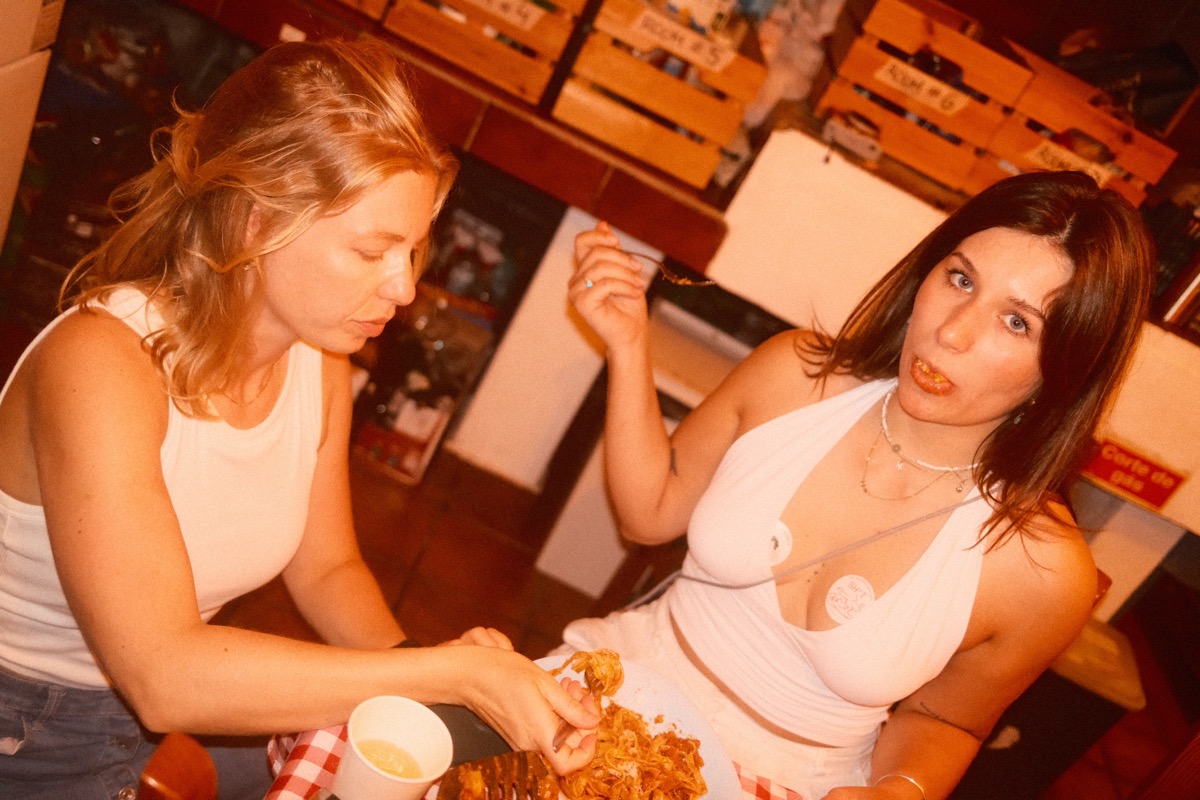
We've been running pop-up colivings since 2024, taking 180+ remote workers to Brazil, Spain, Portugal, and the Canary Islands. Bansko comes up in our community conversations constantly. Alumni ask about it. Friends who run colivings there tell us about it. We've spent time there, eaten a frankly irresponsible amount of kavarma, and this is the guide we wish had existed before we went.
What actually makes Bansko a digital nomad hub?
It didn't happen by accident.
Coworking Bansko opened in 2018, making it one of the first dedicated nomad coworking spaces in a mountain resort town anywhere in Europe. The founders planted a flag in Bulgaria's most famous ski resort and said: remote workers, come here. And they did.
By 2019, Bansko had enough critical mass to start appearing on "top nomad destinations" lists. By 2022, it had its own reputation economy: the kind of place where nomads recommend other nomads, and word-of-mouth fills colivings months in advance. Today it's one of those towns where you arrive alone, mention you're a remote worker, and within 48 hours you have dinner plans, a hiking group, and three people insisting you try the local wine.
The altitude helps. At nearly 1,000 metres, the air is cleaner than most European capitals. The Pirin Mountains are right outside your window. And the old town is beautiful. Cobblestone streets, stone houses, the kind of character that reminds you why "authentic" became such an overused word in the first place.
Bulgaria is also the cheapest EU country for most things that matter to nomads. Labor costs, food, accommodation, coffee: all cheaper than Western Europe. You can live well, work productively, and actually save money. That combination doesn't exist in many places on the continent anymore.
What does coliving in Bansko actually cost?
Real numbers for a month in Bansko in 2026:
Total realistic monthly spend: €700-1,100/month depending on your room type and how many times per week you eat at mehanas versus cooking.
That's roughly half what you'd spend in Lisbon, a third of what you'd spend in Amsterdam, and less than the cost of a one-week city break in London.
Bulgaria uses the Bulgarian Lev (BGN), not the Euro. The exchange rate is fixed at approximately 1.96 BGN to 1 EUR, so the conversion is easy. Most coliving prices get quoted in EUR anyway since the target audience is international.
Season matters. Bansko is a ski resort first. December through March, prices for accommodation can double, the town fills with skiers who are not there to work, and the community dynamic changes. If your goal is focused work combined with genuine community, late spring and autumn are the sweet spots for both value and vibe.
Where do you actually stay when coliving in Bansko?
The colivings in Bansko range from excellent to "technically it says coliving on the website but it's basically a guesthouse with a common room."
Good colivings in Bansko will have:
Dedicated coworking infrastructure. Either on-site workspace or a partnership with an established coworking space. Working from your room for 5 hours a day is a fast track to losing your mind. If a coliving doesn't have an answer to the question "where do members work during the day," keep looking.
Community programming that's organic, not corporate. The best colivings in Bansko organise dinners, hiking trips, and casual hangouts. They don't call these things "team-building exercises." Community is the whole product. If a coliving brochure sounds like an HR retreat, that's a red flag.
Fast, verified internet. Fibre is widely available in Bansko and Bulgaria has some of the fastest average fixed broadband speeds in Europe. Ookla ranked Bulgaria among the top 10 globally for fixed broadband in 2024. If a coliving can't show you a recent speed test result with real upload and download numbers, that's a problem.
Communal food infrastructure. A shared kitchen at minimum. Communal meals ideally. Food is how community actually happens in coliving: here's why it matters.
If a listing has none of the above, you're renting a room in a rebranded guesthouse. Nothing wrong with that, but know what you're paying for.
What's the food scene like in Bansko? 🍷
This is the part we care about most. Obviously.
Bansko runs two food scenes in parallel and they don't always talk to each other.
The tourist strip near the gondola station is exactly what you'd expect near a European ski resort: overpriced, reliable enough, catering to people who've been on slopes all day and just want something hot and fast. You can eat there. You don't have to eat there.
The mehana scene is where Bansko actually earns its reputation. Mehanas are traditional Bulgarian taverns, usually family-run, usually in the old town, with low ceilings, wood-panelled walls, and portions that assume you haven't eaten properly since Tuesday.
Kavarma is slow-cooked Bulgarian stew in a clay pot: pork or chicken with peppers, onions, and paprika that's been simmering long enough to collapse completely. It's the kind of food that makes you call your mother and apologise for not eating like this more often. €6-8 for a full portion.
Meshana skara is a mixed grill: various meats, fresh salad, bread. Simple. Ridiculous. Usually €7-9 for a meal that'll keep you going until dinner. And then you'll still want dinner.
Banitsa is a flaky pastry filled with sirene (Bulgaria's answer to feta) and eggs. It costs about €1. It's technically breakfast but it's also a snack, a second breakfast, and lunch if you're not paying close attention. The mehana near the old church does a particularly good version.
Shopska salad is tomatoes, cucumber, peppers, onion, and a cloud of grated sirene on top. It's on every table. Order one every single time. It costs €3-4 and pairs with everything.
The Bulgarian wine situation is also better than its international reputation suggests. Local wines, particularly from the Thracian Valley region, are good and cheap (€8-15 for a bottle at a mehana). You'll probably go home with a few bottles in your luggage. We do every time.
Why we built Casa Basilico around food, not just coworking
What's the community vibe really like in Bansko?
For a specific type of nomad, it's one of the best communities in Europe.
Bansko's community skews technically oriented. You'll meet a lot of developers, product managers, designers, founders, and senior freelancers. It's not the beach-vibes Instagram crowd. People are there to actually work and to connect in a way that doesn't require sunset cocktail hour as the main event.
The community has its own rhythms that have built up over years. Weekend hikes up to Vihren, Bulgaria's second-highest peak at 2,945 metres, roughly 5-6 hours return. Dinners that start at eight and end when the wine runs out. Coworking Bansko regularly organises events with enough history behind them that there's real institutional memory.
Bansko is not a party town. It's not a surf spot where everyone is 23 and figuring out their life. The average age skews late 20s to late 30s. People have actual jobs or real businesses. They go to bed at a reasonable hour on weekdays and mean it.
If you thrive in an environment where people take their work seriously but also take their friendships seriously, you'll fit immediately. If you want foam parties and someone to help you document every meal for Instagram, Bali is calling.
When should you actually go to Bansko?
The seasons completely change what Bansko is. They're not subtle variations. They're different towns.
Winter (December-March): Ski season. Gondola runs, slopes full, prices high. Excellent if you ski. Complicated if you don't. The community is still there but diluted by ski tourists. Everything is harder to book and more expensive. The town is beautiful under snow. Still, if remote work is the priority, you'll fight the infrastructure.
Spring (April-May): One of the two sweet spots. Ski season has ended, prices drop, but snow is still visible on the peaks. Wildflowers are everywhere. Hiking opens up. The town is quiet enough that you can actually hear yourself think. This is when thoughtful nomads book.
Summer (June-August): Hot by Bulgarian standards but at altitude it stays manageable. Peak hiking season. Long days. Lots of terrace coworking. Tourism picks up again but it's a different crowd: people who came for the mountains, not the slopes.
Autumn (September-November): The other sweet spot, and our personal favourite. Golden light. Foliage changing colour on the mountain slopes. Tourists mostly gone. Colivings full of people who know exactly what they're doing. Book this season.
How do you actually get to Bansko?
Sofia Airport is your entry point. Ryanair, Wizz Air, and Bulgaria Air connect Sofia to most major European hubs, often cheaply. Sofia to Bansko is about 2 hours by car.
Options from Sofia Airport:
One thing nobody tells first-timers: the old town and the ski gondola area are different ends of the same small town, and the vibe is noticeably different. Old town means mehanas, cobblestones, and community. The gondola end means tourist infrastructure. They're 15 minutes on foot from each other, but when you're choosing a coliving, you'll want to know which end you're on.
Our honest takes on every European nomad destination we've lived in
Is Bansko actually overrated?
It depends who's asking and when they went.
Bansko gets criticised as a "nomad bubble": a place where you can spend a whole week without ever really interacting with Bulgarian culture because everyone around you is from Germany, Poland, or California. That criticism is fair. It's real. The nomad infrastructure is so complete that it's easy to stay inside it entirely.
It also gets crowded enough in ski season that the community feeling dissolves. WhatsApp groups get spammy. Coworking spaces hit capacity. The thing that makes Bansko special (that it rewards staying) gets harder to access when you're competing for desk space with people who leave on Sunday.
But for what it is (an affordable, high-infrastructure, community-dense mountain town in the cheapest EU country, with excellent traditional food and outdoor access that rivals places that cost three times as much), there's nothing quite like it in Europe. It fills a real gap.
The people who hate Bansko usually went in ski season, stayed somewhere without real coliving infrastructure, and compared it to Lisbon or Chiang Mai.
The people who love it went in spring or autumn, found their people within a week, ate kavarma four times in the first ten days, and almost missed their flight home.
Ready for the coliving experience Bansko taught us to love?
Bansko proved something we already suspected: the best coliving isn't about the desk, the Wi-Fi, or even the location. It's about the table.
At Casa Basilico, we take that seriously. We're a pop-up foodie coliving for digital nomads. We spend our energy curating a crew that clicks, cooking together, going on food adventures, and building the kind of friendships you actually maintain after the chapter ends.
We've done it in Brazil, Spain, Portugal, and the Canary Islands. 180+ people have lived it with us. The next chapter is waiting.
Come find your people → I want in
FAQ
How much does coliving in Bansko cost per month?
Realistically, budget €700-1,100/month all-in for a good coliving experience in Bansko. That breaks down as €300-700 for your room (shared vs private), €100-180 for coworking access if not included, and €300-400 for food and daily expenses. Prices are highest in ski season (December-March) and noticeably lower in spring and autumn when most remote workers recommend going.
Do I need a visa to stay in Bansko long-term?
Bulgaria is an EU/Schengen member state as of 2024. EU and EEA passport holders can stay indefinitely. Most other nationalities (US, UK, Canadian, Australian) get 90 days in any 180-day Schengen period without a visa. For longer stays, Bulgaria offers D visa routes with digital nomad-compatible pathways under current EU frameworks. Check with a local immigration lawyer for your specific situation rather than relying on forum advice from 2022.
Is the internet in Bansko actually reliable for video calls?
Yes. Bulgaria has some of the fastest fixed broadband infrastructure in Europe. Ookla ranked it among the top 10 countries globally for average fixed broadband speeds in 2024. Most coworking spaces in Bansko offer 100-500 Mbps connections. Any coliving worth staying in should be able to show you a real speed test before you book. If they can't, that tells you something.
What's the community like in Bansko compared to other nomad hubs?
More professionally focused than most. You'll find developers, product people, startup founders, and senior freelancers more than "lifestyle" nomads. The community skews late 20s to late 30s, people take their work seriously, and the social scene is active without being party-heavy. Coworking Bansko has been running since 2018, which means the community has genuine history and introductions that make landing much easier than showing up cold to a new city.
When is the worst time to visit Bansko for remote work?
December through February, the peak ski season. Prices spike, accommodation books out well in advance, tourist infrastructure gets overwhelmed, and the feel of the community changes when the town fills with people who are there to ski, not to work. It's not impossible to have a good productive stint in ski season, but everything is harder and more expensive. If you have flexibility, aim for May or September-October instead.

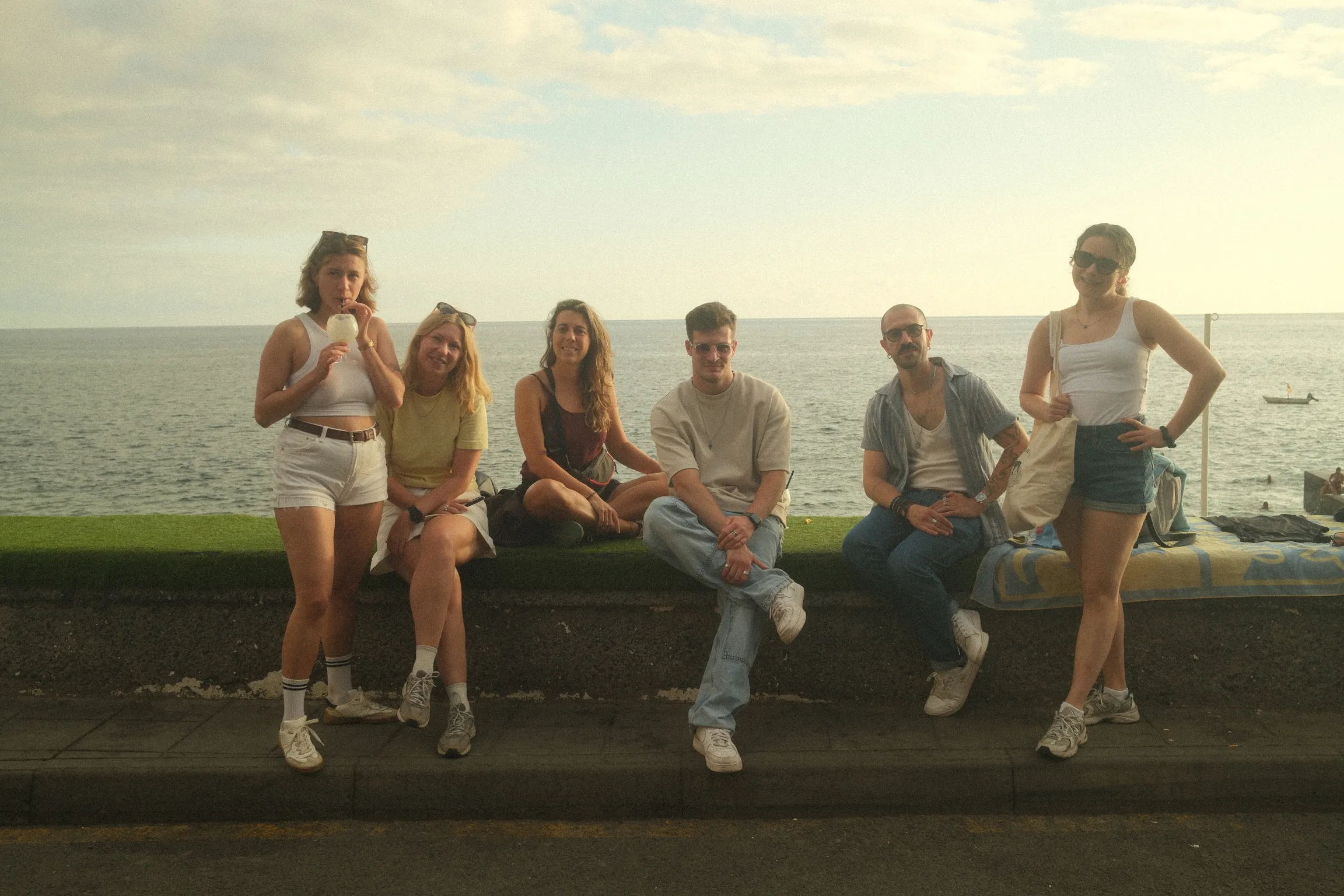
Spreading love through cooking & community.
© 2026 CasaBasilico OÜ (16850261)
All rights reserved.
Design & Branding by ahgoos.com
info@casabasilico.com