
The Ultimate Guide to Coliving in Taghazout with Casa Basilico
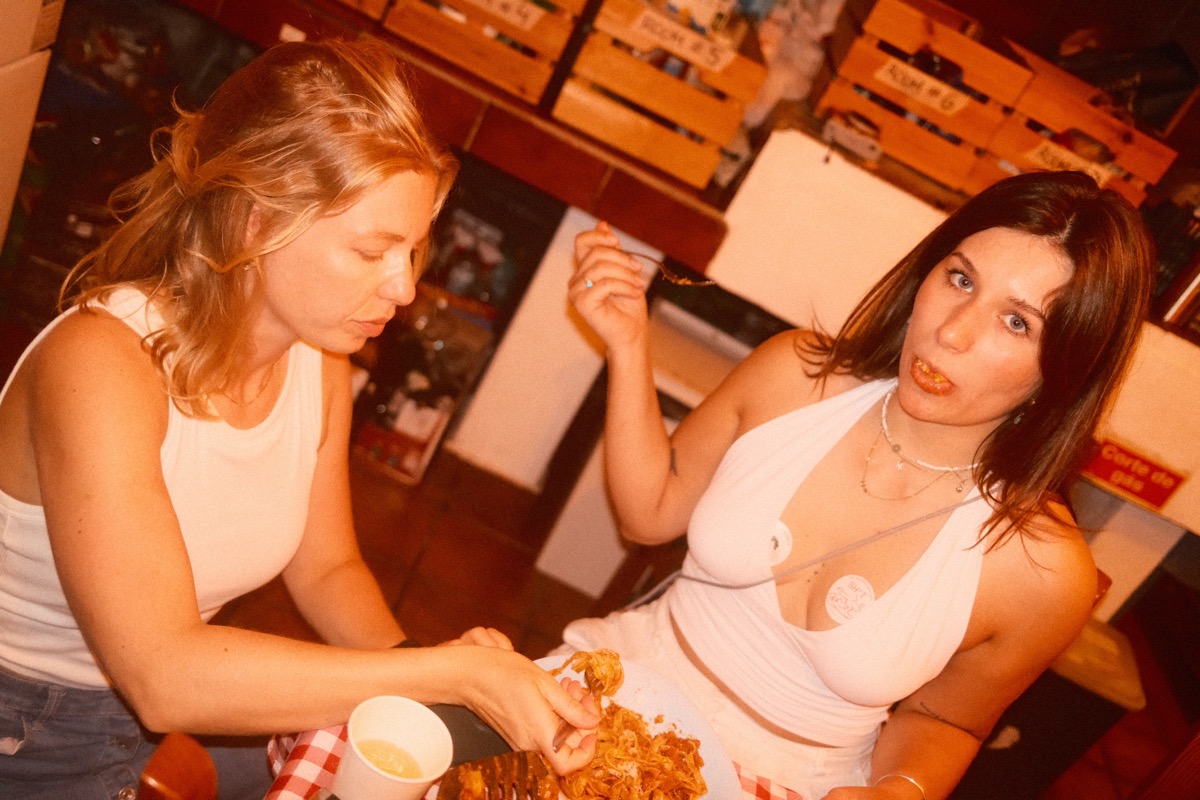
Taghazout is a small Atlantic surf village on Morocco's coast, 20km north of Agadir, and it's quietly become one of the most interesting coliving destinations for digital nomads who want something genuinely different. Monthly all-in costs run €700 to €1,200 (accommodation, food, transport, and coworking), the Atlantic climate stays mild from October through April, and the surf culture is so contagious you'll book your first lesson by day three even if you've never touched a board. Internet infrastructure has improved a lot: most coworking spaces now run fiber at 30-100 Mbps. Flights from major European cities take 3-4 hours. Add Morocco's food scene (tagines, fresh seafood, chermoula on everything), some of the best mint tea on the planet, and a medina you could wander for hours, and Taghazout is one of those places that sounds like a holiday but actually works as a real base for productive remote work.
What makes Taghazout different from every other nomad destination?
Most nomad hotspots follow the same script. Bali, Lisbon, Medellin. Same coworking spaces with the same exposed brick, same oat milk flat white, same Slack notifications pinging while someone plays acoustic guitar badly in the corner.
Taghazout doesn't do that.
It's a fishing village first. The morning catch still comes in. Cats outnumber the coworking desks. The main street is three minutes long. And somehow this is exactly why it works.
The digital nomad scene here started organically around surf tourism. People came for the waves at Anchor Point and Hash Point (two of Morocco's most famous surf breaks), stayed for the tagines, and then figured out they could work here. That order of priorities matters. The place hasn't been overrun yet.
Taghazout sits in Morocco's Souss-Massa region, where tourism infrastructure has been improving steadily for the past decade. Agadir Almassira International Airport (AGA) connects directly to London, Paris, Amsterdam, Madrid, and several other European cities year-round, with budget carrier options from Ryanair and EasyJet keeping flights under €100 if you book early. The village itself is small enough to feel like a community, but close enough to Agadir (a 20-minute drive) that you're never actually stranded when you need a proper grocery store, a pharmacy, or an ATM that works.
How much does it actually cost to live in Taghazout?
This is where Morocco gets interesting. Taghazout is cheap. Affordable for the quality of life you get, not the condescending "cheap for Africa" kind.
A realistic monthly breakdown for a digital nomad in Taghazout:
Total: roughly €675 to €1,235 per month all-in.
Compare that to Lisbon at €1,800-2,500, or Bali at €1,000-1,800 (which sounds cheap until you factor in the flights and the inevitable Bali belly). The Moroccan dirham runs about 10-11 MAD per euro, and the informal economy is largely cash-based, so withdraw what you need when you can.
A tagine at a local restaurant costs 40-80 MAD (€4-8). A fresh orange juice squeezed in front of you at the market runs 5 MAD (50 cents). Dinner at the nicer spots in Agadir, the kind with tablecloths, is 150-200 MAD (€14-18) per person with drinks. Your wallet will genuinely thank you.
One thing to know: Morocco uses a two-tier pricing system in tourist areas. Knowing this in advance means you won't take it personally when the price quoted to you differs from what your Moroccan neighbour pays. Negotiating at souks is expected and part of the culture. At restaurants and cafes with menus, prices are fixed.
Where should you stay in Taghazout?
The village and surrounding area has three zones worth knowing.
The village center is the original fishing settlement. Narrow lanes, blue and white painted walls, rooftop terraces where you can eat breakfast watching the Atlantic. Most of the older riads and budget guesthouses are here. Internet can be patchier in these traditional buildings depending on what the landlord has installed. Worth it for the atmosphere.
The northern end (Panoramas area) is where most surf houses and coliving setups have emerged. Slightly more modern buildings, better internet infrastructure, walking distance to Anchor Point. This is ground zero for nomad life in Taghazout. If you're coming specifically to work and surf, start here.
Tamraght is the next village over, about 3km north, and it's grown into its own little nomad pocket. Quieter than Taghazout proper, cheaper, and has a slightly more local vibe. Some of the better-value coliving options are spread across Tamraght and Aourir (the village further north, famous for its banana plantations).
If this is your first time in Morocco, staying in or near Taghazout village rather than further afield makes sense. You want to be able to walk to breakfast, walk to surf, and walk back for a post-session nap. The luxury of not needing a taxi every time you move is real.
Browse all Casa Basilico chapter destinations
Is the internet reliable enough to actually work?
Honest answer: it depends on where you stay, and you should test it before you commit to a month.
Morocco has invested in internet infrastructure over the past five years. Maroc Telecom and Orange Morocco both offer 4G coverage across the Atlantic coast that's solid enough for video calls when fiber is unavailable. In most dedicated coworking spaces and coliving setups, you'll find FTTH (fiber-to-the-home) connections running 50-150 Mbps, which is more than enough for everything except downloading enormous project files in under 60 seconds.
The problems tend to occur in older riads and guesthouses that haven't upgraded their connections. If you're booking a private house or an Airbnb, ask specifically: "What is the fiber speed, not the WiFi speed?" and ask for a screenshot of a recent Speedtest result. If they can't provide one, assume it's slow.
For backup, buy a local SIM on arrival. Maroc Telecom's prepaid data packages give you 30GB for around 70 MAD (€7). The 4G signal in Taghazout is generally good enough for a Teams call from your rooftop if necessary.
Bottom line: if you pick the right spot, Taghazout works fine for remote work. If you pick the wrong spot, you'll spend your first week frustrated. Ask before you commit.
The food situation (this is the important section)
We built Casa Basilico around the idea that food is the center of communal life. So when we write about a destination, we take the food seriously. Taghazout will not disappoint.
Morocco's food culture is one of the most underrated in the world. It's ancient, it's complex, and it borrows from Berber, Arab, Andalusian, and sub-Saharan African traditions in ways that make every meal interesting. Eat these on arrival:
Tagine. The obvious one, but do not skip it. A well-made tagine (slow-cooked in a clay cone over charcoal, not a gas burner) is nothing like the tourist versions you've had in European Moroccan restaurants. Lamb with preserved lemon and olives. Chicken with artichokes and saffron. Kefta with eggs in a spiced tomato sauce. Order the slow-cooked version at a local place and wait the 45 minutes it takes. It's worth it every time.
Harira. Morocco's national soup. A thick, warming broth of tomatoes, lentils, chickpeas, lamb, vermicelli, and coriander. Eaten for breakfast, for lunch, especially during Ramadan. Order a bowl with a side of chebakia (sesame-honey pastry) and you have the most Moroccan meal possible for about 30 MAD (€3).
Chermoula. A Moroccan marinade and sauce (garlic, cumin, coriander, paprika, olive oil, preserved lemon) that gets slathered on grilled fish. Taghazout is a fishing village. Fresh fish plus chermoula plus a charcoal grill equals one of the best things you'll eat anywhere this year, no exaggeration.
Msemen and Meloui. Moroccan flatbreads. Msemen is square and layered like a Moroccan paratha. Meloui is spiral-shaped. Both eaten for breakfast with argan oil (you're in the Souss Valley, argan trees grow everywhere here) and honey. Local women sell them from little street stands in the morning for 2-3 MAD each.
Mint tea. Moroccan mint tea (atay) is a ceremony, not a beverage. Poured from height into small glasses to create foam. Sweet enough to make your teeth hurt (don't ask them to put less sugar; they won't). Served everywhere, constantly, as a gesture of welcome. Accept every glass.
One note: Taghazout is a conservative Muslim village and alcohol is not readily available in the village itself. Surf camps catering specifically to European tourists sometimes serve alcohol privately, and in Agadir there's no shortage of bars and restaurants. The vibe of Taghazout proper is dry. This doesn't bother most people after a couple of days. The mint tea and the sunsets genuinely do the job.
What coliving actually means and whether it's right for you
When to go to Taghazout (and when to skip it)
The Atlantic coast of Morocco has a desert climate modified by the ocean. That means: much milder than you'd expect from Morocco's reputation, and far more comfortable than Marrakech in July.
Best months for working nomads: October through April. Temperatures sit between 18-24°C during the day, nights drop to 12-16°C. Surf conditions are at their peak (October to March is prime swell season at Anchor Point). Crowds are manageable. The winter light is extraordinary for anyone who works with photography or video.
The shoulder months (May and September): Pleasant but starting to warm up. 25-28°C. Still very workable, and you'll pay less for accommodation as the surf crowd thins out.
Summer (June-August): Hot. 30-35°C regularly, and the thermohaline winds from the Sahara can push it higher. The surf goes flat. The beach fills with Moroccan families on holiday (which is lovely culturally, but the vibe shifts completely). If you have no choice but to visit in summer, get air-conditioned accommodation and plan your outdoor time before 11am.
Ramadan timing varies by lunar calendar. If you're visiting during Ramadan, most restaurants are closed during the day and serve after iftar (the sunset meal). This is an interesting time to be in Morocco if you're open to it. The evenings come alive in a way that's hard to describe. Just plan your food situation in advance.
How Taghazout compares to other warm-weather nomad bases like Madeira
What to do between calls
You did not come all the way to an Atlantic surf village to sit inside all day.
Surfing. Anchor Point is a world-class right-hand point break. Hash Point is gentler and better for beginners. Surf lessons run €20-35 for a 2-hour session. Board rentals are cheap (€8-12/day). If you've never surfed in your life, Taghazout is one of the better places to start: consistent waves, warm-ish water, and a village full of people who will patiently teach you what you're doing wrong.
Day trip to Agadir. Morocco's most resort-y city, but it has a good souk, a rebuilt medina (the original was destroyed by earthquake in 1960), and an excellent fish market at the port. Grands taxis run back and forth constantly (20-30 MAD per person each way).
Day trip to Essaouira. A 2.5-hour drive north, Essaouira is one of the most beautiful fortified cities in Africa. Blue boats, rampart walls, seagulls everywhere, more fresh fish, and a completely different vibe from Taghazout. Worth a long weekend.
Hammam. Traditional Moroccan bathhouse. Budget hammams cost 10-20 MAD. Tourist-friendly hammams charge 60-150 MAD and include a gommage (full body exfoliation with a kessa mitt). Do both at least once. Your skin will feel like a different person's skin.
Paradise Valley. An inland gorge with natural pools fed by mountain springs, 30 minutes from the coast. Best visited with a local guide who can take you to the spots that haven't been turned into Instagram backgrounds. Pack lunch.
What coliving actually looks like in Taghazout
Coliving in Taghazout is less formalized than in Lisbon or Bali. You won't find many purpose-built coliving operators with slick onboarding flows and dedicated community managers. What you will find is a network of surf houses, guesthouses, and converted villas that host remote workers, some specifically, some alongside surfers and backpackers.
The best situations are usually found through community channels: Nomad List forums, Taghazout-specific Facebook groups, and recommendations from people who've already been. This is a word-of-mouth scene, not a booking.com scene.
What to look for: fast internet (ask for proof), a kitchen you can actually use, a rooftop or outdoor space, and hosts who know the area. The social side tends to organize itself when you're in a house with 4-8 people who all work remotely and all want to surf in the afternoon.
What Casa Basilico does differently is put the communal dinner table at the center of everything. We've run chapters across Europe and Latin America and the pattern is always the same: the friendships form around food. Shared breakfasts, communal cooking nights, the group lunch where someone's making a tagine and everyone wanders in from their laptops. Taghazout is the kind of place where that happens naturally. It just needs the right people around the table.
How we run pop-up coliving chapters in off-the-beaten-path destinations
If Taghazout has got you thinking "yes, this," come find your people 🌿
We run pop-up coliving chapters for nomads who believe the best part of any destination isn't the WiFi speed or the coworking desk. It's who you end up eating dinner with. Check out our upcoming chapters and see if one of them is yours.
Tell me what you have cooking →
FAQ: coliving in Taghazout
Is Taghazout safe for solo travelers, including women traveling alone?
Morocco is generally safe, and Taghazout is one of its more relaxed destinations due to the surf culture and the volume of international visitors. Solo women travelers should know that unsolicited attention from strangers is more common in Morocco than in Western Europe. It's manageable and most encounters are harmless, but it's worth reading recent traveler reports before your trip. Traveling with a coliving group rather than solo eliminates most of this friction. The overwhelming majority of people finish their Taghazout stay and would return without hesitation.
Do I need a visa to visit Morocco?
Most Western nationalities (EU, UK, USA, Canada, Australia) receive 90 days visa-free on arrival. Morocco has been consistent about this policy for years. Always check your government's official travel advice before booking, as visa rules can change. Your passport should have at least 6 months validity remaining on the date of entry.
Can I drink alcohol in Taghazout?
Not freely in the village itself, which is conservative. Surf camps and riads catering specifically to European tourists sometimes serve alcohol privately. Agadir, 20 minutes away, has bars, restaurants, and supermarkets selling wine and beer. If drinking socially is important to you, Taghazout requires a small adjustment. Most people adjust within three days and find the mint tea and the sunsets handle the rest.
Is Morocco expensive for a European nomad?
Morocco is one of the most affordable destinations accessible from Europe. Your euro goes 10-11x in dirhams. Rent is low. Food at local restaurants is exceptionally cheap. The main cost variables are flights and accommodation during peak surf season (October-March). Budget €700-1,000 per month comfortably and you'll eat well, surf a few times a week, and still come out ahead compared to living in any Western European city.
What's the internet like at coworking spaces in Taghazout?
Dedicated coworking spaces in Taghazout and nearby Tamraght typically offer fiber connections of 50-150 Mbps, sufficient for video calls, large file uploads, and everything else a remote worker actually needs. Monthly memberships run roughly €80-150. Day passes are available if you want to test before committing. For backup, a Maroc Telecom SIM with a data package is cheap and the 4G signal is solid across the Atlantic coast. Most nomads who've been report the internet was fine once they found the right spot.

Spreading love through cooking & community.
© 2026 CasaBasilico OÜ (16850261)
All rights reserved.
Design & Branding by ahgoos.com
info@casabasilico.com