
Where to Escape Winter as a Remote Worker (2026-2027)
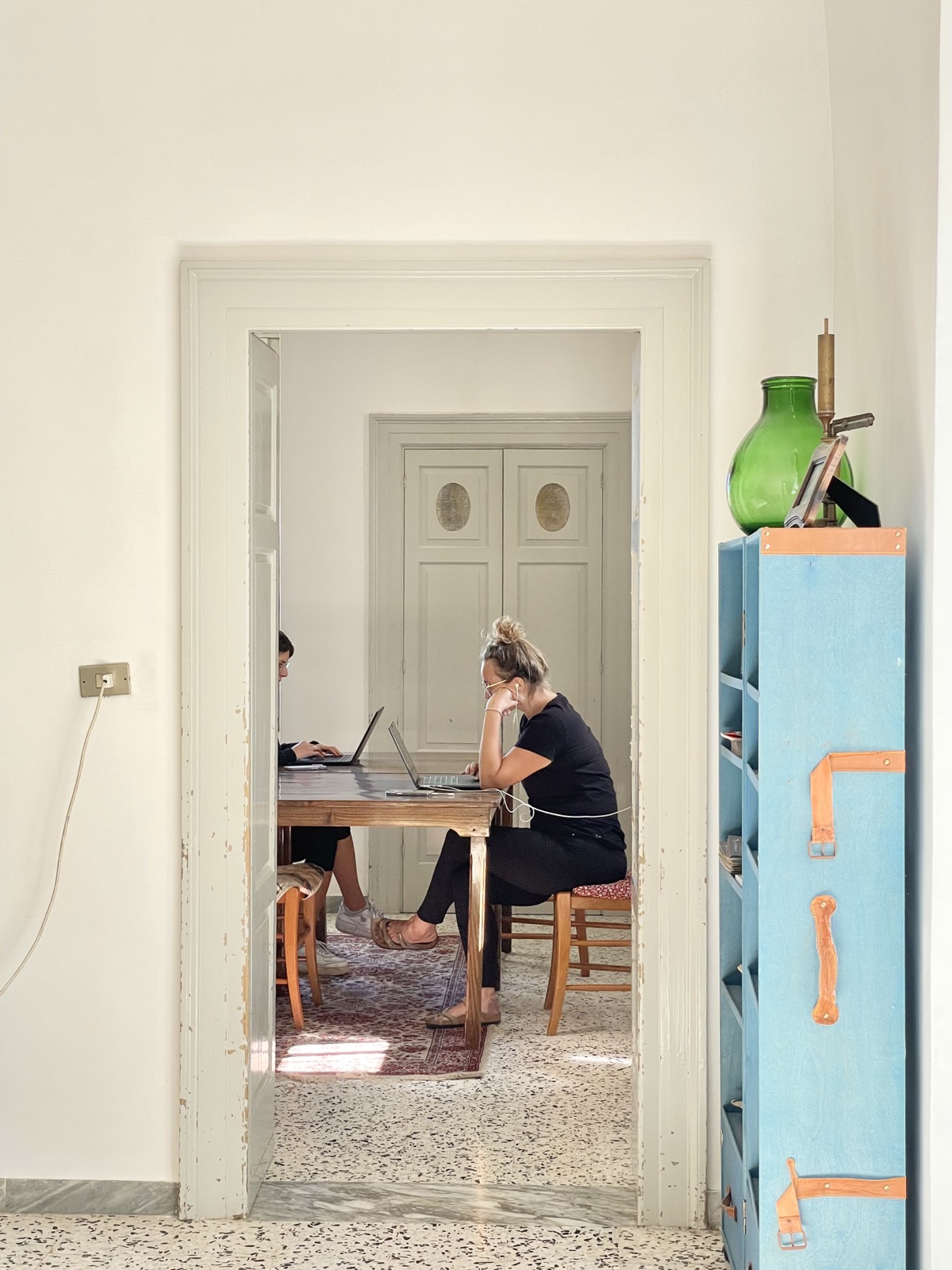
The best places to escape winter as a remote worker in 2026-2027 are Mexico (Oaxaca, Mexico City), Southeast Asia (Chiang Mai, Bali), the Canary Islands (Las Palmas, Tenerife), and South America (Medellín, Florianópolis). What makes a destination work is reliable internet above 50 Mbps, time zones that don't wreck your client calls, a visa situation that won't cause an anxiety spiral at immigration, and ideally some community of other remote workers so you're not staring at your laptop alone in a café for three months. The sweet spot for most Europeans and North Americans: somewhere 0-6 time zones from home, $1,000 to 2,500/month all-in cost of living, and warm enough that you'll actually leave your accommodation. This guide breaks down the best options by budget, lifestyle, and the details other guides leave out.
Why does winter hit remote workers harder than everyone else?
If you go to an office, winter is survivable. You commute in the dark, you sit under fluorescent lights for eight hours, you commute home in the dark again. You barely notice the absence of sun because you weren't going to see it anyway.
Remote workers notice. A lot.
When your "office" is your apartment and daylight is the only thing separating a productive Tuesday from a February existential crisis, the darkness gets personal. According to the Seasonal Affective Disorder Association, around 29% of the UK population experience some form of winter depression. Remote workers, who spend more time indoors and alone by default, are especially exposed.
Winter also kills momentum. You close your laptop at 4pm and it looks like midnight outside. The walk you were going to take doesn't happen. The café you were going to work from feels like too much effort. You order delivery, skip the gym, watch something mediocre on Netflix. Repeat for four months. Sound familiar?
The good news is you don't have to do any of that. You have a laptop and a passport. Use them.
What actually makes a winter escape work for remote workers?
A beach is not enough. We have had guests show up to previous chapters who picked their destination based entirely on Instagram photos and spent their first week fighting for a café table with spotty WiFi and resenting every euro they were spending.
What you actually need to evaluate:
Internet. This is non-negotiable. You need at minimum 25/10 Mbps (download/upload) to work comfortably, or 50 Mbps symmetric if you're doing video calls all day. how to check WiFi speed before you arrive before you commit to anything. "Good WiFi" in a listing means nothing. Get the speed test results in writing, or show up with a cheap travel router and your own eSIM backup.
Time zone. If you're European and working for European clients, Bali sounds great until you realize your 9am standup is at 3pm local time, and by the time your work day ends it's dark and the beach crowd has gone home. Mexico, Canary Islands, Portugal, Morocco: all within manageable range for European schedules. Southeast Asia works better for North Americans or for truly async workers who don't do live calls.
Visa reality. Most countries let you stay 30-90 days on a tourist visa without much fuss. Staying longer gets complicated fast. Some countries now offer digital nomad visas (Mexico, Portugal, Spain, Thailand, Indonesia), but they come with paperwork, income minimums, and processing times that vary wildly. Don't wing this. check the visa situation before you book.
Cost of living vs. income. The destinations that feel "affordable" can fool you. Bali has gotten expensive if you want reliable fast internet, good coffee, and air conditioning. Medellín is still genuinely cheap and great, but the safety narrative (both "it's amazing" and "it's dangerous") is overblown in both directions. Do your own research and budget honestly.
Community. This one is underrated. Solo nomading is fine for a few weeks. For a full winter, loneliness is real. You want places with an existing nomad community, which usually means a handful of good coworking spaces, a few coliving options, and the kind of bar where you walk in alone and leave with five new friends.
The best destinations to escape winter as a remote worker
Mexico, the current sweet spot
Mexico in 2026 is having a moment. Oaxaca especially. It's got year-round mild weather (18-26°C), a food scene that will ruin you for everywhere else, a slow-paced lifestyle that rewards curiosity, and a growing nomad community that hasn't yet turned the place into a tech bro circus.
Cost of living in Oaxaca: budget €1,000-1,400/month including accommodation. Medellín-level affordable, with better food and fewer "digital nomad" package tours.
Mexico City is the other option. It's bigger, busier, and more expensive (€1,500-2,200/month), but has world-class restaurants, incredible art, and the kind of energy that makes you feel alive even on a slow day. Internet infrastructure in CDMX is solid. The altitude (2,240m) takes about a week to adjust to.
Time zone for Europeans: Mexico is UTC-6, which means a 9am Mexico time is 4pm in Central Europe. Rough for sync work, but if you can shift your schedule slightly or you're on async comms, it's fine. For US East Coasters, it's UTC-1 hour, which is basically ideal.
We run our winter chapter in Oaxaca, so yes we're biased. But we also actually live here, and we chose it for real reasons. see what our Oaxaca chapter looks like.
The Canary Islands, a practical option for Europeans
Las Palmas de Gran Canaria and Tenerife are technically Spain, which means EU citizens can stay as long as they want, the internet is excellent (1 Gbps fiber in most central apartments), and the time zone is UTC+0 in winter, same as the UK and one hour behind Central Europe. You stay in European rhythms completely.
Weather: 20-24°C in January. Not tropical, but warm, sunny, and genuinely pleasant. The Canaries sit off the coast of Morocco geographically, so they dodge most of the Atlantic storms that hit mainland Spain.
Cost of living: moderate. Las Palmas is cheaper than Barcelona or Madrid but more expensive than Mexico. Budget €1,500-2,200/month all in. The nomad scene in Las Palmas (especially around the Triana neighborhood) is well-established, with good coworking spaces, events, and a laid-back beach-town vibe that doesn't feel forced.
We ran one of our early chapters in Las Palmas. The morning coffee ritual, the market on Saturday, the fact that you can swim in the ocean on Christmas Day. It sticks with you.
Southeast Asia, still worth it if you do it right
Chiang Mai, Thailand, has been the budget digital nomad capital for about a decade. Prices have crept up, but it's still genuinely cheap: you can live well for €800-1,200/month. The nomad infrastructure is mature, with dozens of good coworking spaces, fast fiber internet, and English widely spoken. Weather in winter (November-February) is the best time to be there: dry, not too hot, around 20-28°C.
Bali (specifically Canggu and Ubud) is the more lifestyle-forward option. Expect to spend €1,500-2,500/month if you want decent internet and air conditioning. The social scene is unmatched. Traffic is a nightmare. The food is incredible. It's chaotic in a way that some people love and some people cannot handle.
The main caveat for both: if you're European working with European clients, the time zone (UTC+7 for Thailand, UTC+8 for Bali) makes real-time collaboration genuinely difficult. This is the destination for async workers, freelancers with flexible schedules, or people who are fully remote and want to disappear for a season.
South America, Medellín and beyond
Medellín, Colombia, is the destination that has surprised the most remote workers in recent years. It's called the "city of eternal spring" because the temperature holds steady at 22-26°C year-round (elevation: 1,500m). It's walkable, affordable (€1,000-1,600/month), and has excellent coworking infrastructure in El Poblado and Laureles.
Time zone for North Americans: UTC-5, which is basically East Coast time. For Europeans it's UTC+6, similar to Mexico. Manageable if you shift your working hours slightly.
Florianópolis in Brazil is a different vibe: beach city, smaller, buzzy during the southern hemisphere summer (December-February), with a growing nomad community and genuinely beautiful scenery. Portuguese speaking, which some people find exciting and some find stressful. Cost of living similar to Medellín.
Coliving vs. renting your own place: what's actually better for a winter escape?
Both work. The honest answer depends on what you're running from.
If you're escaping winter to focus, get your head down, ship work, and recharge in a place with good weather, renting your own apartment is probably fine. You'll find your rhythm, cook your own food, and have the solitude you need.
If you're escaping winter partly because you're lonely, or burned out, or craving the kind of energy that comes from being around other interesting people, renting your own apartment will feel like the same isolation with better weather. Which helps, but only so much.
Coliving solves the community problem. You walk into a kitchen full of people, someone is already making breakfast, you have dinner plans without having to engineer them. The trade-off is privacy and the occasional person who leaves dishes in the sink.
the honest breakdown of coliving vs. hotels vs. hostels if you're still deciding.
We'd obviously love for you to come do your winter escape with us. But we'd rather you make the right choice for what you actually need than show up because the Instagram looked good. We've had people come in just looking for a place to work, and it wasn't the right fit. We've had people come in thinking they just wanted sun and ended up staying six weeks longer than planned because they couldn't leave. the slowmad lifestyle tends to happen to people, not get planned.
What about the actual logistics of working across time zones all winter?
The practical stuff that travel blogs usually skip:
Tell your employer or clients upfront. "Working remotely from Mexico for two months" is not a scandal in 2026. Most reasonable employers don't care where you are as long as work gets done. If they do care, that's useful information about whether this is the right job.
Get a local SIM immediately. Don't rely on hotel WiFi or café connections for the first week. A local eSIM or physical SIM card is €5-15 in most countries and buys you working internet while you sort out your accommodation properly.
Have a backup internet plan. One coworking day pass in your back pocket. A mobile hotspot. Something. The day your apartment internet dies is always the day you have the most important deadline.
Keep a simple expense tracker from day one. You will not remember what you spent in Oaxaca in February when you're doing taxes in April. Keep receipts, track in a spreadsheet, separate business from personal. This is not exciting advice, but you will thank yourself.
FAQ: Escaping Winter as a Remote Worker
How long do most remote workers do a winter escape?
The sweet spot seems to be 4-12 weeks. Long enough to actually settle in and feel the benefit, but short enough that you still have a normal life to return to. Anything under three weeks is basically an expensive holiday with a laptop. Anything over four months starts to require more serious visa planning and usually means you're becoming a full-time nomad, which is a different life choice entirely.
Is it expensive to escape winter as a remote worker?
It depends entirely on the destination and your lifestyle. Mexico or Southeast Asia can be cheaper than staying home when you factor in heating bills, eating out more in winter, and the general misery tax of being cold and gray for four months. The Canaries or Lisbon will cost roughly what you'd spend at home. Budget €1,200-2,000/month for most mid-range destinations and you'll be comfortable.
Do I need a special visa to work remotely from abroad?
For stays under 30-90 days, most countries let you in on a tourist visa with no fuss. You're technically not supposed to "work" on a tourist visa, but in practice nobody is checking whether you're answering emails. For stays over 90 days, look into the destination's digital nomad visa. Portugal, Spain, Mexico, Thailand, Indonesia, and Colombia all have programs. Each has different income requirements and processing times.
What's the best month to escape winter as a remote worker?
Depends on where you're coming from and where you're going. For Europeans: mid-November through March is the window when the cold genuinely earns its misery. For North Americans on the East Coast: January and February are the roughest. For Southeast Asia: November-February is their best weather too, which is why everyone goes at the same time. Book accommodation early.
Can I do a winter escape if I have a full-time remote job (not freelance)?
Yes. Most remote jobs don't actually restrict where you work from as long as you have a good internet connection and can make your meetings. Check your employment contract and maybe have a quiet conversation with your manager before you go, but in 2026 this is a normal request and most reasonable companies have no issue with it. The ones that do are usually dealing with tax liability concerns, not distrust.
You're going to spend winter somewhere. You can spend it gray and slightly resentful, counting down to spring, or you can spend it somewhere that makes you actually glad to open your laptop in the morning.
We'll be in Oaxaca. We'll have warm food, decent WiFi, and a kitchen table that always has room for one more. If that sounds like the kind of winter you want, come join us. ❤️

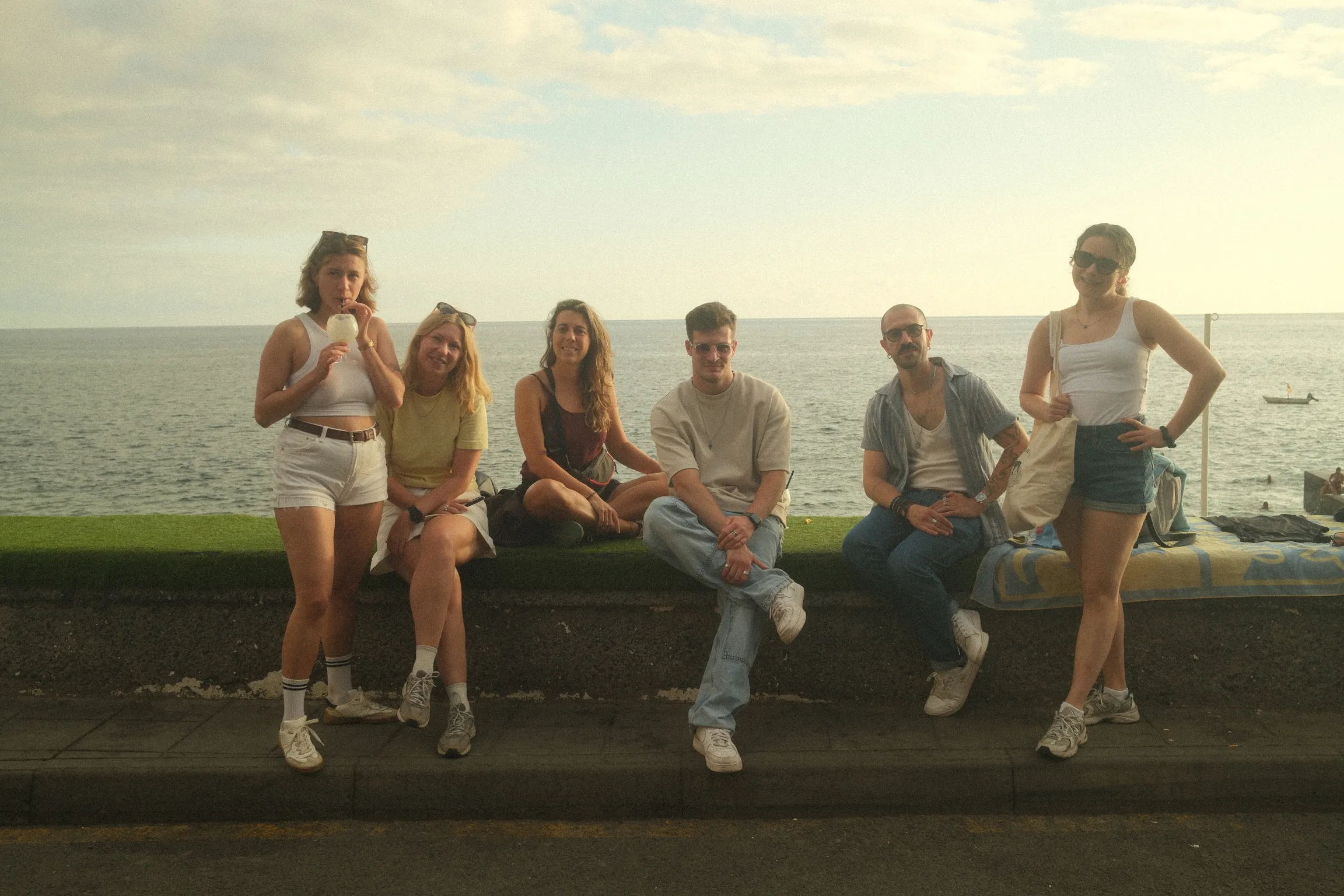
Spreading love through cooking & community.
© 2026 CasaBasilico OÜ (16850261)
All rights reserved.
Design & Branding by ahgoos.com
info@casabasilico.com