
Our Favorite Recipes from Every Chapter (With Stories Behind Them)
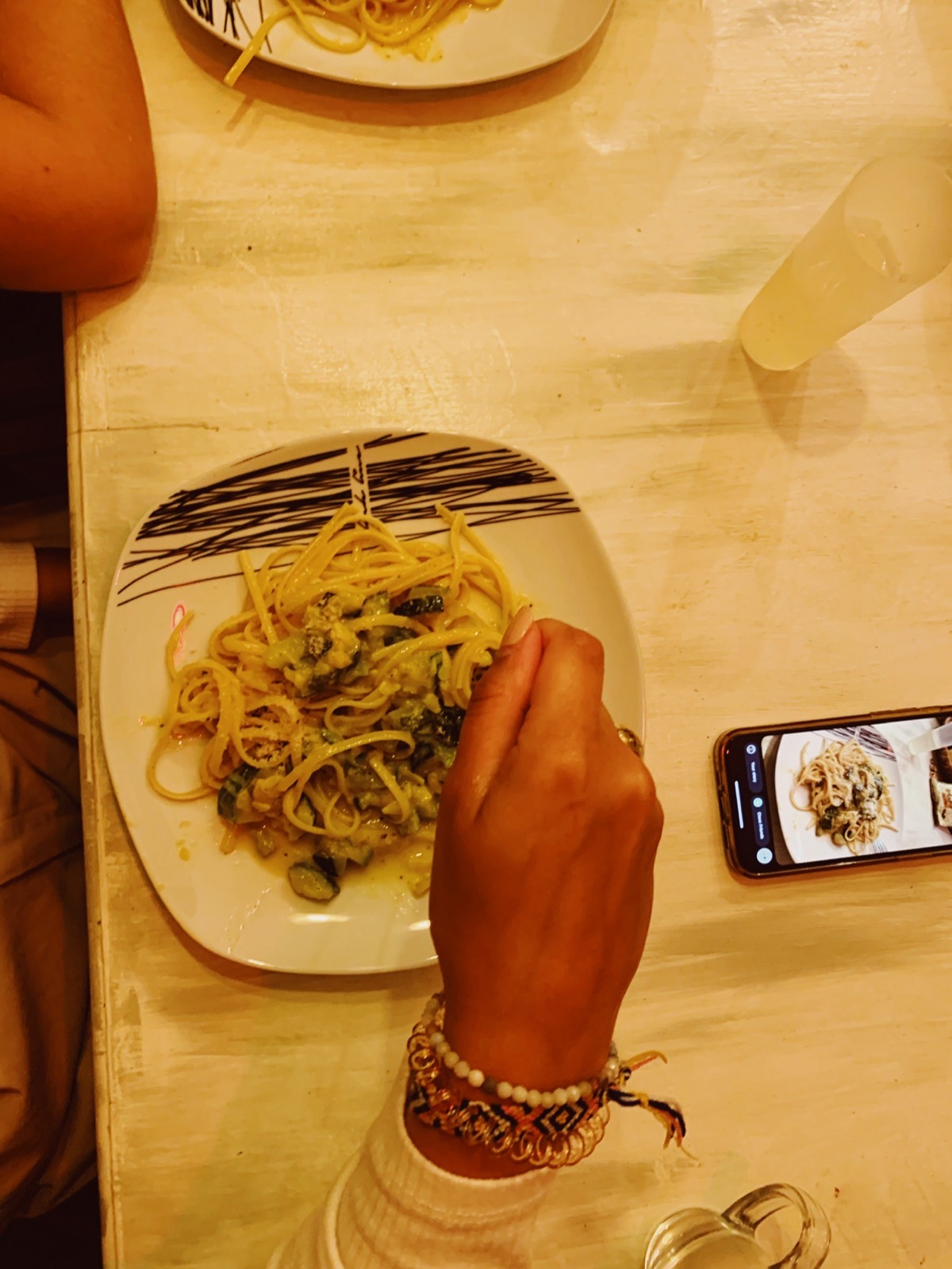
At Casa Basilico, every chapter has a dish that became the unofficial mascot. Usually because something went slightly wrong, a guest got competitive about technique, or someone decided to freestyle a recipe at 11pm with whatever was left in the fridge. From the papas arrugadas of Las Palmas that took three attempts to nail the salt crust, to the moqueca in Pipa where twenty-three people crammed into a kitchen built for four, every recipe in this list carries an actual memory. Not a "cooking brought us together" vibe-post. A real, specific, probably chaotic memory. These are the dishes that defined each Casa Basilico chapter: the ones guests still request, the ones we still argue about, and the ones that made us realize communal cooking is basically speed-dating for friendships. Here's the full collection, stories and all.
Las Palmas, Gran Canaria (2024): Papas Arrugadas con Mojo Rojo
Let's start at the beginning. Las Palmas was our first proper group chapter: twelve people, a giant shared apartment near the beach, and absolutely no idea what we were doing. The cooking started by accident. Nobody planned communal dinners. One evening, Tomasz from Warsaw bought a kilo of tiny potatoes from the market because they looked interesting, and Valentina from Milan said she knew how to make papas arrugadas. She did not, in fact, know how to make papas arrugadas.
First attempt: not enough salt in the water. Potatoes came out normal. Sad. Second attempt: too much salt, but the wrong kind, table salt instead of coarse sea salt. Still no crust. Third attempt: Valentina looked it up on YouTube, watched a Canarian abuela explain it with incredible patience, and finally understood. The secret is that the water needs to be so salty it's basically a brine. That level of salinity makes you feel like you're doing something wrong. You are not doing something wrong. Keep going. The water evaporates completely, and the salt crystallizes around the skin in a thin white crust that tastes like the ocean. That's it. That's the whole trick.
The mojo rojo came from an unexpected source. Our landlord's neighbor, an elderly Canarian man named Paco, knocked on the door to complain about the noise (fair). He stayed for dinner and made the sauce himself in our kitchen while explaining, in rapid Spanish, everything we were doing wrong. We understood about forty percent of it. The mojo was incredible.
The recipe:
For the mojo rojo (Paco's version, roughly translated):
Blend everything until smooth. Don't skip the cumin. Valentina tried to skip the cumin once, in Madeira in 2025, and we're still talking about it.
What is coliving and why do digital nomads love it
Pipa, Brazil (2024 & 2026): Moqueca de Peixe
Moqueca is Brazil's answer to "what if a fish stew was actually perfect." It's a northeastern Brazilian classic: fish cooked in coconut milk, palm oil, tomatoes, peppers, and cilantro. Deeply perfumed. Almost orange in color. The kind of thing that makes you not want to eat anything else for a week.
The recipe came from Camila, a guest from Recife who joined the 2024 Pipa chapter. On the second week, she announced she would make moqueca for the whole house. Twenty-three people. One gas burner. We had to buy a second pot. At 7pm, she video-called her mãe back in Recife, who immediately called her avó, who gave instructions in rapid Pernambucan Portuguese that even Camila had to ask to be repeated. We understood zero of it, but everyone gathered around the phone anyway. The avó was tiny and emphatic, and at one point said something that made everyone laugh. We never found out what.
The key lesson from that evening: dendê oil is not optional. We tried making moqueca without it once because we couldn't find it in time. It tasted fine. It was not moqueca. Dendê (palm oil, bright orange, with a deep nutty flavor) gives it the color, the depth, and some kind of magic we cannot explain scientifically. You can find it in Brazilian or African grocery stores. Find it.
The recipe (serves a crowd):
Marinate fish in lime juice, salt, and garlic for 30 minutes. Layer tomatoes, peppers, and onion in the pot. Place fish on top. Pour coconut milk and dendê over everything. Cover and cook on medium heat for 20-25 minutes. Finish with cilantro and green onions. Serve immediately with white rice.
Don't refrigerate leftovers and reheat them the next day expecting the same result. This is not a leftover dish. It's an event.
Why Oaxaca is the best city for digital nomads in 2026
Tarifa, Spain (2025): Moroccan Harira
Tarifa sits at the southern tip of Spain, 14 kilometers from the Moroccan coast. You can see Morocco from the beach on a clear day. The ferry to Tangier takes 35 minutes.
In March 2025, three guests took the ferry for a day trip and came back with an alarming quantity of spices: cumin, ras el hanout, harissa, preserved lemons, argan oil. The spices sat on the kitchen counter for five days while everyone admired them and nobody cooked anything.
Then Jonas from Germany, who'd spent six months in Marrakech the year before, made harira on a rainy Sunday. Harira is a Moroccan soup, tomato-based, with red lentils and chickpeas, thick and warm and perfumed with ginger and cinnamon. It's technically a Ramadan dish, a way to break the fast, but it's also just an extraordinary soup for any cold Sunday when you need something that feels like it came from someone's grandmother. Jonas made it entirely from memory and from whatever he could find in the pantry. The harissa from the day trip played a supporting role.
Everyone came out of their rooms. Laptops closed. One person made bread. This is the effect of harira on a rainy Sunday in a coliving house and we fully support it.
The recipe (Jonas's version):
Sauté onion and garlic in olive oil until soft. Add spices and ginger, stir for one minute. Add tomatoes, lentils, and 1.5L water. Simmer 25 minutes. Add chickpeas, simmer 10 more. Finish with herbs and lemon. Serve with crusty bread and harissa on the side for those who want it.
Pairs exceptionally well with rain and a view of Morocco.
Coliving vs hotels vs hostels: an honest comparison for digital nomads
Madeira, Portugal (2025): Espetada on Bay Laurel
Madeiran espetada is beef skewered on a fresh bay laurel branch, seasoned with garlic and sea salt, grilled over wood fire. The bay laurel infuses the meat from the inside out as it cooks. It is extraordinary. It requires actual bay laurel branches: the big kind, green, not dried. Not rosemary branches. Not "basically the same wood." Bay laurel.
We tried it with a regular grill the first time. The beef was good. The soul was gone. Fabio went hiking the following day specifically to find bay laurel growing wild in the hills above the house (there is a lot of it in Madeira, it grows everywhere, we are not encouraging anyone to strip protected vegetation, this is a judgment call you can make yourself). He came back with a bundle that smelled incredible and looked only slightly suspicious.
The second attempt was legitimate.
The full technique works best with an outdoor grill, which we had. If you're making this at home without outdoor space, a cast iron skillet over high heat with a few fresh bay leaves thrown in gets you closer than you'd expect. Not the same. Still worth doing.
The recipe:
Rub beef with garlic and salt, let it sit for at least an hour. Thread onto the soaked bay laurel branches. Grill over high heat, turning every 2-3 minutes, total 8-10 minutes for medium.
Serve with Madeiran bolo do caco (flatbread with garlic butter) and a glass of actual Madeira wine. Both are mandatory. We didn't make the rules, that's just how it's done.
Oaxaca, Mexico (2026): Saturday Morning Tlayudas
Oaxaca broke our brains a little, food-wise. The market scene operates on a level we were not prepared for: quesillo string cheese that stretches to an absurd length, mole negro that takes three days and forty ingredients to make, chapulines (grasshoppers) that taste better than they have any right to. And then there are tlayudas.
A tlayuda is a large, partially dried corn tortilla, spread with asiento (unrefined pork fat with a deep, nutty flavor), black bean paste, quesillo, and whatever you want on top: tasajo (air-dried beef with a sharp, almost funky depth), chorizo, mushrooms sautéed with epazote. It gets grilled until the cheese melts and the edges crisp and it becomes something that technically qualifies as breakfast but will replace every meal you've ever had.
The first Saturday in Oaxaca, Fabio woke up at 6am with jet lag and no plan. He went to the Mercado Benito Juárez because it was the only thing open. He found the best quesillo stall by following an Oaxacan grandmother who clearly knew exactly where she was going. He bought half a kilo of quesillo. He bought chorizo from another stall because it smelled extraordinary. He bought asiento from a third stall because the woman selling it looked at him with such patient expectation that declining felt rude.
He made tlayudas for twenty people that Saturday morning. It took two hours and every flat surface in the kitchen. Nobody complained about the mess because they were eating tlayudas at 9am with good coffee and a view of the courtyard.
It became the Saturday morning tradition for the whole chapter.
The recipe:
Spread bean paste on the tortilla, drizzle or spread asiento, add quesillo in strips, add toppings. Place on a comal or hot cast iron skillet over medium-high heat, cover with a lid or foil, cook 5-7 minutes until cheese melts and the bottom crisps.
Eat standing at the kitchen counter. This is how it's done.
What is a communal kitchen in coliving
What Do All These Recipes Have in Common?
None of them were planned.
Every single one happened because someone had an ingredient they wanted to use, or a memory they wanted to recreate, or a grandmother on a video call. Paco knew about the salt. Camila's avó knew about the dendê. Jonas knew about the ginger. You don't get that eating alone in your Airbnb. You get that when twenty people share a kitchen and bring their whole culinary history with them.
The second thing they have in common: every single recipe got better the second or third time we made it, when someone else in the house added their own opinion, their own tweak, their own story. The moqueca in Pipa 2026 was better than the 2024 version because three guests had been thinking about it for two years.
That's the actual thing we're selling here, if we're being honest. Not just the recipes. The process of making them with people who become friends before the dish is done.
If you were part of a Casa Basilico chapter and there's a recipe missing from this list, we want it. DM us on Instagram or send it to hello@casabasilico.com with the story. We'll add it.
If you want to add your own story to the next edition: we're in Oaxaca now, and a few spots are still open.
FAQ
Can I join if I'm not a good cook?
Yes, and honestly the best kitchen moments usually involve people who are figuring things out. Nobody's running a Michelin kitchen here. Some people make full elaborate dinners. Some people make excellent toast and handle the dishes. The only requirement is being willing to be in the kitchen with other people. Skill level is completely irrelevant.
Do you accommodate dietary restrictions?
Every chapter has a mix: vegetarians, vegans, pescatarians, people who eat everything and people who eat nothing with cilantro. The communal dinners adapt. The moqueca has a mushroom version that Camila would probably argue about but that tastes great. The tlayudas are excellent without meat. We ask about dietary needs during booking and make sure the kitchen is stocked accordingly.
How many communal dinners happen at a typical chapter?
It depends on the group and the destination, but in Pipa and Oaxaca we aim for 3-4 proper group dinners per week. Nobody's required to attend. In practice, when someone starts cooking something that smells incredible, the house fills up by itself. The social pressure is entirely aromatic.
Can I bring my own recipes and cook for the house?
Please. This is essentially the ask. The harira happened because Jonas brought Marrakech with him. The moqueca happened because Camila brought Recife. The espetada happened because we were stubborn about doing it right. Arrive with your grandmother's recipe and you will be beloved.
How do I book a spot for the Oaxaca chapter?
Head to /join-us, pick your room type, and put down a deposit to hold your spot. We'll send you the full logistics pack once you're confirmed: flights, arrival info, what to bring, where to eat on your first night. The tlayuda stall recommendation is included.

Spreading love through cooking & community.
© 2026 CasaBasilico OÜ (16850261)
All rights reserved.
Design & Branding by ahgoos.com
info@casabasilico.com