
Food Markets Every Digital Nomad Should Visit
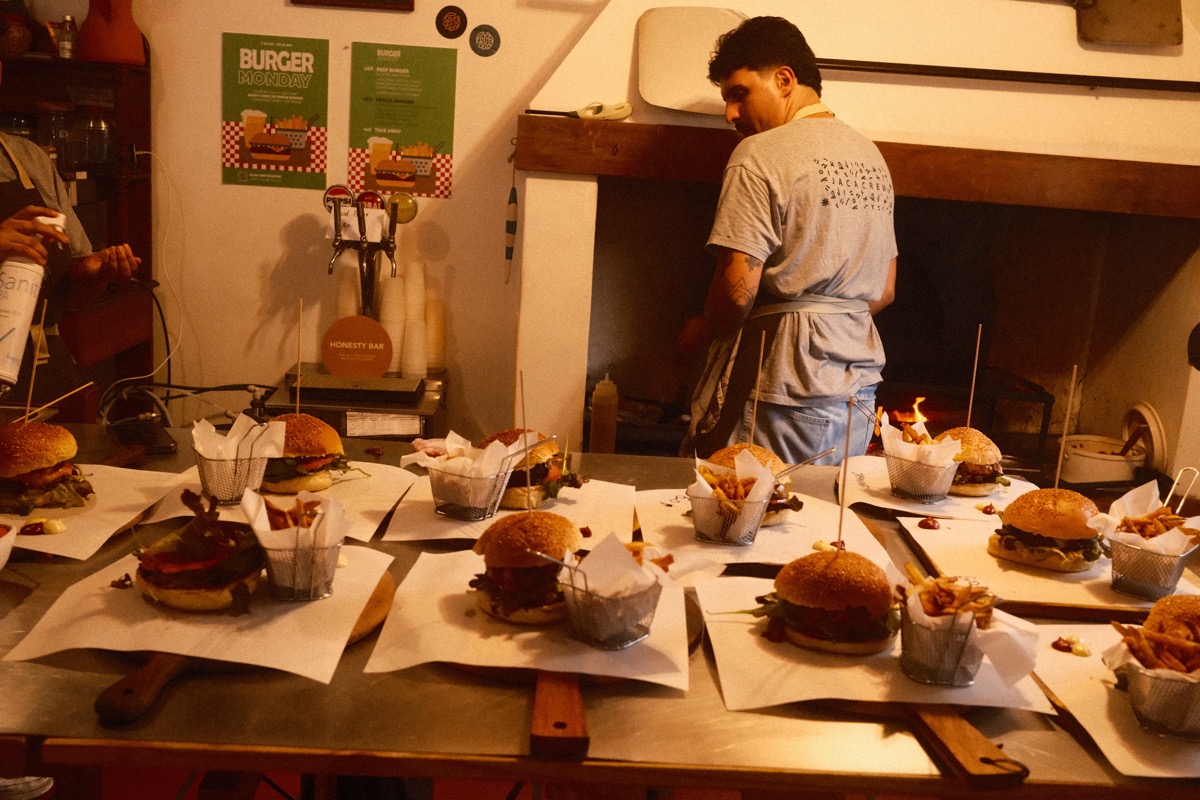
The best food markets for digital nomads combine three things: fast wifi nearby, incredible local food at prices that won't wreck your budget, and the kind of atmosphere that makes you forget you're supposed to be working. The shortlist: Mercado 20 de Noviembre in Oaxaca (Mexico) for tlayudas and mole negro you'll dream about for years; Mercado dos Lavradores in Funchal (Madeira) for poncha and passion fruit; Naschmarkt in Vienna for 120+ stalls of everything from Hungarian salami to Turkish baklava; Borough Market in London for world-class cheese toasties; Chatuchak Weekend Market in Bangkok for pad thai at €1 a plate; and Neighbourgoods Market in Cape Town for the kind of Saturday morning that turns into Sunday somehow. None of these are tourist traps. They're where locals shop, eat, and argue about which stall has the best tamale, pastel de nata, or roti. Show up hungry, bring cash, and leave your productivity goals at the hostel.
We'll be honest with you. We built Casa Basilico because we believe food is the fastest way to understand a place. Not the restaurant food. Not the delivery app food. Real real. The stuff grandmothers make. The stuff that costs €2 and takes 45 minutes to cook in front of you on a smoke-stained grill.
Markets are the answer every single time.
According to the 2023 MBO Partners State of Independence report, 17.3 million Americans now identify as digital nomads. That's a lot of people eating at airport sandwich counters when they could be eating this instead. Don't be that person.
These are the food markets worth traveling for, some of which we know personally because we've run coliving chapters within walking distance.
Why should food markets be your first stop in any new city?
Before you pick your coworking space. Before you check in. Before you do anything else.
A market tells you everything. It tells you what locals actually eat (not what they serve tourists). It tells you what's in season. It gives you ingredients for home cooking. It gives you lunch for under €5. And it forces you to slow down, look around, and remember why you left the office job in the first place.
Markets are also where community happens organically. You end up waiting for the same empanada, you start talking, you make a friend. We've seen it happen at every Casa Basilico chapter. Some of our best community moments weren't at planned dinners. They were at the market at 9am on a Tuesday, arguing over which fruit stall had the better mangoes.
The best food markets for digital nomads, broken down
Mercado 20 de Noviembre, Oaxaca, Mexico 🌶️
If you're working remotely and you've ever considered Oaxaca, this market is the reason to go.
Mercado 20 de Noviembre is the smoking, sizzling, fragrant heart of Oaxacan street food. The corridor they call the "Pasillo de Humo" (smoke corridor) runs the full length of the market: rows of grills where women cook tlayudas, tasajo (air-dried beef), and chorizo over charcoal right in front of you. The smoke hits you from a block away. It's magnificent.
What to eat: tlayuda with black beans, quesillo (Oaxacan string cheese), and tasajo. Budget 80-120 MXN (€4-6) and you'll be full until dinner. The market runs every day from roughly 7am to 6pm, but mornings are best. Get there before 10am, grab a tlayuda, and eat it standing up like a local.
This is exactly the kind of market we built our Oaxaca chapter around. Show up, eat with your housemates, argue about whose tlayuda order was better. It's a Casa Basilico morning.
Mercado dos Lavradores, Funchal, Madeira, Portugal
Built in 1940 and still one of the most beautiful markets in Europe. Mercado dos Lavradores in Funchal is the kind of place that makes you want to cancel your afternoon calls.
The flower stalls hit you first: cascades of bird-of-paradise flowers and orchids. Then the fishmongers, where espada (black scabbardfish) are stacked up like something prehistoric. Then the fruit section, where you'll find custard apples, passion fruit, and bananas so small and sweet you'll never eat a supermarket banana again.
In the basement: the seafood section and the small stalls selling poncha (traditional sugarcane spirit mixed with lemon and honey). It costs almost nothing. It is extremely good at 11am. We stand by this.
Funchal's old town is five minutes away, the seafront is gorgeous, and Madeira's internet infrastructure is genuinely excellent, with a median fixed broadband speed of 183 Mbps according to Speedtest Global Index 2024. We ran an entire chapter in Madeira. Trust us on all of it.
Naschmarkt, Vienna, Austria
Vienna's largest open-air market runs for nearly 2km along the Wienzeile and has been operating since the 16th century. Over 120 stalls serve everything from Austrian cheese and charcuterie to Turkish delight, Persian pickles, Greek olives, and fresh pasta.
It's busiest on Saturday mornings when the flea market section opens at the southern end and you can spend an entire morning buying cheese, browsing vintage maps of cities you've never been to, and eating a mediocre-but-deeply-satisfying Käsekrainer (cheese-filled sausage) standing at a counter with strangers.
For nomads specifically: Vienna consistently ranks in the top 10 most liveable cities globally (Economist Intelligence Unit 2024), and the nomad community here is growing fast. The Naschmarkt sits in the 6th district, surrounded by coworking spaces. Open Monday to Saturday. Budget €10-15 for a proper market lunch.
Borough Market, London, UK
London's oldest food market (trading on this site since 1014 AD, no typo) is also one of the most overwhelming sensory experiences you'll find in Northern Europe.
Yes, it's touristy. Yes, it's expensive. A full English from one of the hot food stalls runs €10-12 easy. The quality is extraordinary. This is where small British producers, artisan cheesemakers, and specialty importers sell the stuff they can't move to supermarkets. The Comté is aged. The chutney is handmade. The focaccia is still warm.
Borough Market draws around 6 million visitors a year (Borough Market, 2023), which sounds overwhelming until you realize most of them are locals doing weekend grocery shopping. Thursdays are the quietest. Get there early, grab a cheese toastie from Kappacasein (legendary, not optional), and find a bench near the river.
Not the most budget-friendly on this list. The best proof that British food has a pulse.
Chatuchak Weekend Market, Bangkok, Thailand
Pure chaos. The best kind.
Chatuchak is one of the world's largest weekend markets: 15,000 stalls across 35 acres, visited by 200,000+ people every Saturday and Sunday according to the Tourism Authority of Thailand. The food section is in sections 26 and 27, and you could eat your way through it for an entire weekend without repeating a dish.
The move for nomads: arrive early (before 10am, before the heat becomes oppressive), eat pad thai at one of the stalls near the main gates for 50-80 THB (€1.30-€2), get the mango sticky rice, then do a lap of the ceramics section when you're done. You will buy a ceramic bowl. We all buy a ceramic bowl. It's fine, you needed it.
Bangkok has one of the most developed digital nomad infrastructures in the world: coworking spaces, excellent international health insurance options, visa flexibility, and food costs that make your money go impossibly far. According to Nomad List, the average cost of eating out in Bangkok is around $5 per meal. The market is cheaper.
Neighbourgoods Market, Cape Town, South Africa
Every Saturday morning in Woodstock, Cape Town, the Old Biscuit Mill transforms into one of the most exciting food scenes we've come across.
Neighbourgoods Market is hyperlocal: small-batch producers, Cape Malay inspired stalls, craft coffee roasters, biodynamic wine (yes, at a market), and the kind of vendor conversations where you end up with a business card, a new friend, and a jar of something fermented you didn't know you needed.
Cape Town is a city of extraordinary beauty and profound inequality, and the market reflects both. It sits in a rapidly gentrifying neighborhood, prices are higher than other Cape Town markets, and the crowd skews in one direction. Eyes open. Still worth going.
Average spend: ZAR 150-250 (€8-14) for a full morning of grazing. Coworking spaces in the city are solid, and load shedding has become less unpredictable, but bring a portable battery for your laptop anyway, just in case.
What actually makes a food market worth visiting?
We've been to a lot of markets. The unofficial checklist:
Practical tips for visiting food markets as a nomad
Bring cash. Most market stalls, everywhere in the world, still prefer it. Showing up with only a contactless card is asking for a disappointing experience.
Go early. Serious produce, serious fish, serious anything gets claimed before 10am. The afternoon is for what's left.
Talk to the vendors. This is uncomfortable for northern Europeans and completely normal for everyone else. Ask what's good. Ask how to cook it. You will almost always get better advice than any food blog can give you, including this one.
Walk the whole thing before you buy. The first stall you see is rarely the best one. Do a full lap, note what you want, then circle back.
If you're in a coliving, make it a group activity. Someone knows how to cook, someone doesn't, and somehow you end up spending the afternoon making lunch for fifteen people with things you bought that morning. One of the best ways to spend a Tuesday. We've seen it happen in every chapter we've run, in every country.
That's what food markets do. They turn strangers into people who are arguing over whether the mole is better than the one from last week. Which is to say: community. Which is the whole point.
FAQ
What's the best food market for digital nomads on a tight budget?
Chatuchak Weekend Market in Bangkok is hard to beat: meals for €1-2, massive variety, and the organized chaos is genuinely fun. Mercado 20 de Noviembre in Oaxaca is a very close second, with full tlayudas under €5 and some of the best street food in the world.
Are food markets safe for solo travelers?
Generally yes. The markets on this list are in areas with established nomad communities and regular daytime foot traffic. Standard precautions apply: keep your bag in front, don't flash expensive gear, and trust your gut. Cape Town requires the most situational awareness of the six, particularly outside the market itself.
Can I find vegetarian and vegan food at these markets?
Yes at all of them, though some are better than others. Vienna's Naschmarkt and Borough Market have excellent plant-based options. Bangkok's market stalls are outstanding for vegan Thai food if you know to ask (say "jay" for vegan). Oaxacan markets are meat-forward but the black bean, quesillo, and tlayuda options are genuinely great for vegetarians.
What time should I arrive at a food market?
Early. 8-10am is ideal for most markets on this list. Produce quality peaks in the morning, prepared food is freshest early, and crowds are lighter before midday. By noon, especially in hot climates, everything is picked over and the heat becomes a real consideration.
Is visiting a food market worth it when you're only in a city for a few days?
Especially then. A market visit gives you more real information about a city in two hours than any amount of Googling. You'll find out what people actually eat, what ingredients are local, how expensive things really are, and where the good neighborhoods are. It's the single most efficient orientation activity we know.
Coming to Oaxaca this year? We're running a pop-up foodie coliving with Mercado 20 de Noviembre as a core part of the experience. Market mornings, communal cooking, mole lessons, and a house full of people who get it.

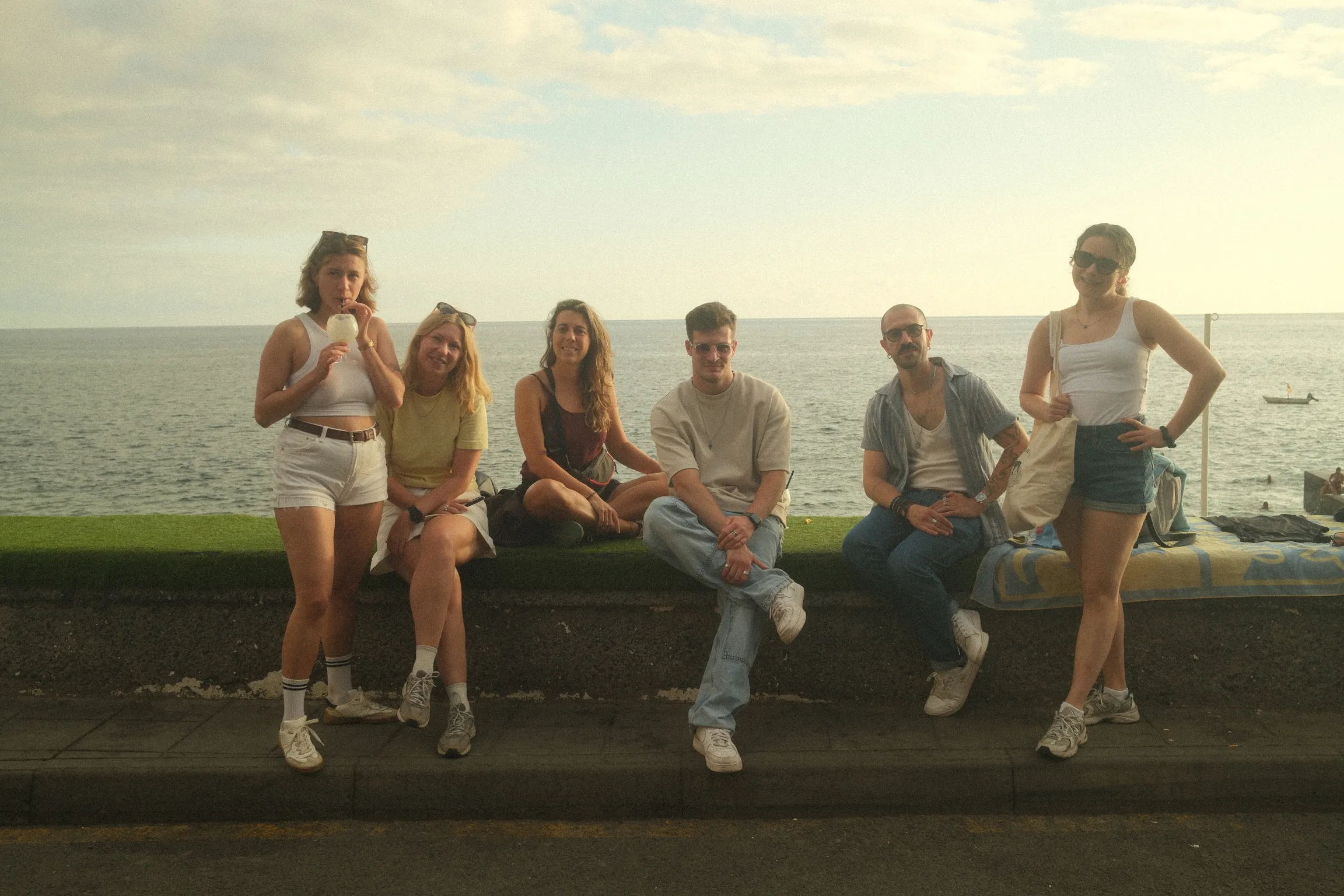
Spreading love through cooking & community.
© 2026 CasaBasilico OÜ (16850261)
All rights reserved.
Design & Branding by ahgoos.com
info@casabasilico.com