
Madeira Weather in Winter: Why Digital Nomads Love It
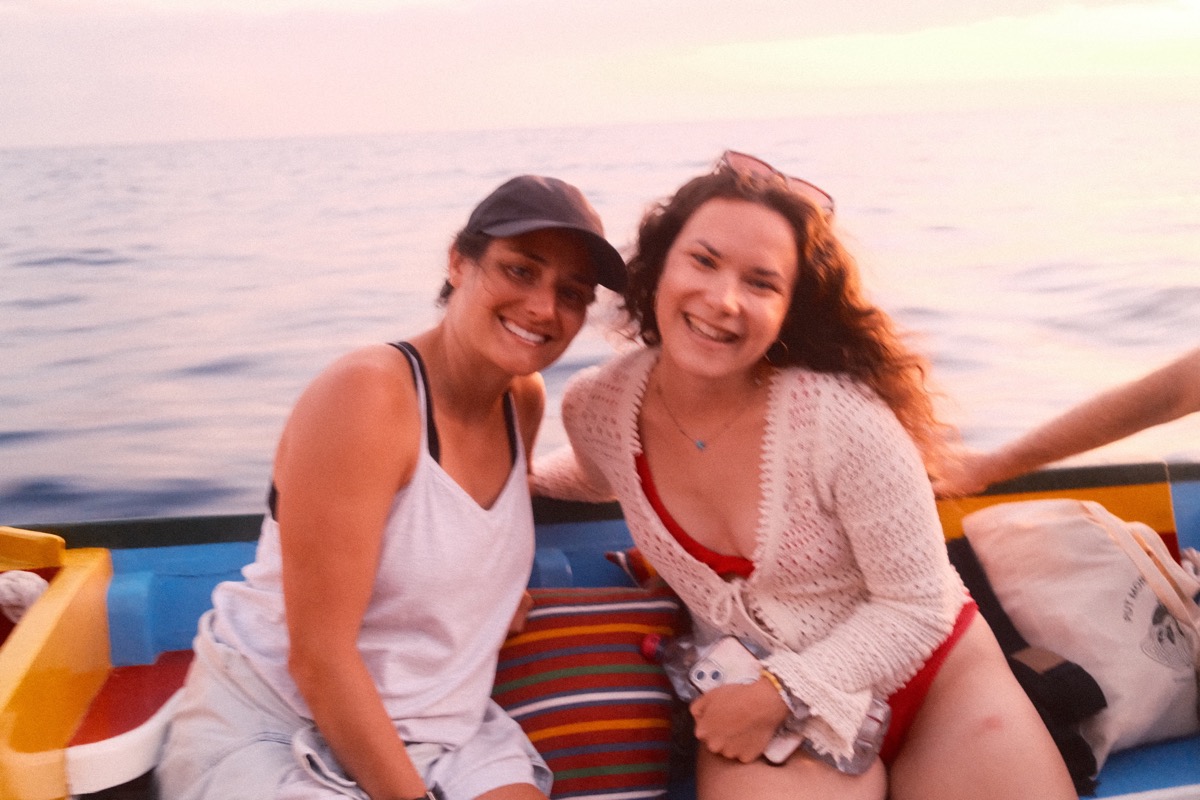
Madeira in winter runs 16-21°C (61-70°F), with more sunshine than most of Europe but yes, some rain, especially from December through January. You won't get the Saharan blasts of the Canaries, but you also won't be freezing in a grey city apartment wondering where your life went. The north side of the island gets wetter; the south, where everyone actually lives, stays mostly pleasant. Winter is Madeira's "shoulder season": cheaper accommodation, half the tourists, and a totally different feel from summer. The trade winds keep things fresh without ever getting cold. Pack a light jacket for evenings, and a rain layer if you're heading into the mountains. Otherwise, it's genuinely one of the best places in the Atlantic to ride out winter while getting work done. Trust us, we lived there.
So What Is Madeira's Winter Actually Like?
Let's go month by month, because "winter" covers a lot of ground.
November is the sweet spot. Temperatures hover around 19-21°C during the day, the summer crowds have cleared out, and you can still sit outside for dinner without a coat. Rain is light and usually overnight. This is the secret month. Nobody talks about November in Madeira and it's criminal.
December and January are the wettest months, with Funchal averaging around 80-100mm of rainfall in December.[^1] That sounds alarming until you realize it mostly comes in bursts rather than the relentless grey drizzle you get in, say, Amsterdam or London. You'll have stretches of beautiful sunny days broken up by dramatic Atlantic storms that roll through, dump some rain, and disappear. It's actually kind of cinematic. Also: Madeira's Christmas lights are genuinely one of Europe's best, and that's not a marketing line, it's just true.
February starts drying out. Temperatures creep back up. The almond trees are blooming in the interior, the levadas are running full, and you're already starting to feel smug about your winter choices.
March is basically spring. 20°C+, sun most days, whale-watching season begins. You've won at life.
The south coast (Funchal, Calheta, Ribeira Brava) gets far more sun than the north. The mountains in the center get cloud and mist almost year-round, which is why the laurisilva forest looks the way it does. But you're probably not going to be working from a cloud forest, so the south coast weather is the one that matters for daily life.
Casa Basilico's Madeira chapter
Why Do Digital Nomads Pick Madeira in Winter?
Short answer: because it's one of the few places on earth where you can have a mild, green, Atlantic island winter without the price tag of the Azores or the tourist density of the Canaries.
Longer answer:
The internet is actually good. Portugal has invested heavily in fiber infrastructure, and Madeira is no exception. Average fixed broadband speeds in Funchal run 150-200 Mbps+, which is faster than most co-working offices in central Europe.[^2] This is not a place where you spend half your day rage-refreshing a Zoom call.
Accommodation gets cheap. Summer prices in Madeira are eye-watering for what you get. Winter is different. Long-stay monthly rentals become genuinely affordable. You're looking at €600-900/month for a decent furnished apartment in Funchal, versus €1,200+ in peak summer. Landlords prefer long-term tenants in winter. Negotiate.
The coffee is good and there are a lot of terraces. This matters more than people admit. When your "commute" is walking to a cafe with an Atlantic view and paying €1.20 for an expresso, your productivity and general mood both go up. Citation: our own experience, six months running.
No one is there to bother you. Peak summer Madeira is genuinely lovely but the levadas are crowded, the restaurants are booked, and you're sharing every viewpoint with tour groups. Winter Madeira is you, some long-term expats, a few other nomads who figured it out, and locals going about their actual lives. It's a completely different pace.
Portugal's digital nomad visa: what you need to know
Does the Rain Actually Ruin It?
Honestly? No.
First, the rain is usually short. Atlantic weather systems move fast. A morning of heavy rain is often followed by a brilliant afternoon. The locals don't cancel plans for rain and neither should you.
Second, the island is more interesting in winter rain. The waterfalls are running at full power (the famous Risco waterfall triples in volume). The levada walks through the laurisilva forest feel properly atmospheric. The mountains get cloud inversions that make the whole island look like it's floating. It's photogenic in a completely different way than summer.
Third, you're not here to lie on a beach. You're here to work, explore, eat good food, and have a life. Rain doesn't stop any of that. What rain stops is lazy beach tourism, which isn't why you're in Madeira anyway.
The one caveat: the north coast gets more rain in winter and the mountain roads can close after heavy rainfall. If you're staying long-term, stay south. This isn't complicated.
What Do You Actually Need to Pack?
The real list, not the generic travel blog version:
What you don't need: a heavy coat, thermals, or anything you'd wear in actual winter. If you packed for Scandinavia, you over-packed.
Where Should You Actually Stay?
Funchal is the easy answer. The capital has the best restaurants, the best supermarkets, the best coffee, reliable fiber everywhere, and the Christmas lights that make December magical. It's also walkable in a way that most Portuguese cities aren't. The Old Town is genuinely beautiful without being over-touristed in winter.
Calheta on the west coast is where you go if you want a quieter life. Man-made beach (yes, really: they imported the sand), a marina, and a more residential vibe. Great for couples or people who want to actually write that novel.
Ribeira Brava and Ponta do Sol are the emerging nomad hubs. Ponta do Sol in particular became briefly famous as a "digital nomad village" after the Portuguese government ran a program there in 2022.[^3] The internet infrastructure is good, it's small and community-oriented, and it's cheap. Worth considering if you want to be around other nomads intentionally.
Avoid the far north for long stays unless you specifically want to be somewhere remote and don't mind the extra drive to everything.
Coliving vs renting solo: what actually makes sense for nomads
How Does Madeira Compare to the Canaries in Winter?
People always ask this. They're different islands with different vibes.
The Canaries (especially Tenerife and Gran Canaria) are warmer and drier. If you need guaranteed beach weather and outdoor dining every single night, the Canaries edge it. Average winter temps in Las Palmas run 20-22°C with almost no rain.[^4]
But Madeira has better food, more dramatic landscapes, genuinely cheaper long-stay accommodation, and a vibe that feels less like a resort island and more like a real place. The levada hike network is unique in the Atlantic. The wine is excellent (Madeira wine is literally named after the island). The pasteis de nata situation is fully sorted.
We ran a Casa Basilico chapter in Madeira. We've also spent time in the Canaries. Madeira is the better coliving destination for people who want depth over beach days.
Come to Madeira with Us
If this sounds like your kind of winter and you want to skip the "finding an apartment alone" phase, we've done Madeira as a Casa Basilico chapter and it delivered exactly what you'd expect: good food, fast internet, Atlantic views, and a group of humans who become actual friends.
We're running chapters across Europe and Latin America. Come find out which one fits your next chapter of life.
FAQ: Madeira Weather in Winter
Is Madeira worth visiting in winter?
Yes, absolutely. Winter is actually one of the best times to visit if you're a digital nomad or long-stay traveler. Prices drop, crowds disappear, and the island's dramatic landscape looks incredible in Atlantic winter light. The weather is mild enough to enjoy outdoor life without being so hot you can't focus on work.
How cold does Madeira get in winter?
Madeira doesn't really get cold by European standards. Funchal daytime temps in December-February typically run 16-19°C (61-66°F). At night it can drop to 13-15°C, which feels cool but not cold. The mountains get colder, near freezing at the peaks in January, but you're unlikely to be living at altitude.
Does Madeira get a lot of rain in winter?
More than summer, yes. December and January are the wettest months, but rain usually comes in bursts rather than constant drizzle. The south coast gets considerably less rain than the north. Most days have some sunshine. It's not the kind of weather that ruins a long stay. It's the kind that makes the waterfalls good.
What should I do on rainy days in Madeira?
Work, obviously, you're a nomad. But beyond that: the Mercado dos Lavradores is a great rainy-day wander, the Monte Palace Tropical Garden is stunning in wet weather, wine tastings at the local vineyards are a solid afternoon activity, and Funchal has enough good restaurants to keep you eating your way through a week of rain without repeating.
Is Madeira good for digital nomads in winter?
It's one of the best places in Europe for it. Fast fiber internet, affordable long-stay accommodation in winter, good cafe culture, and a community of other nomads who've figured out the same thing. Portugal's D8 Digital Nomad Visa also makes it a straightforward legal option for non-EU residents staying longer than 90 days.
[^1]: IPMA (Instituto Português do Mar e da Atmosfera), climatological normals for Funchal, 1981-2010
[^2]: Speedtest Global Index, Portugal fixed broadband performance data
[^3]: Ponta do Sol Digital Nomad Village program, Portuguese government initiative 2021-2022
[^4]: Agencia Estatal de Meteorología (AEMET), climatological data for Las Palmas de Gran Canaria

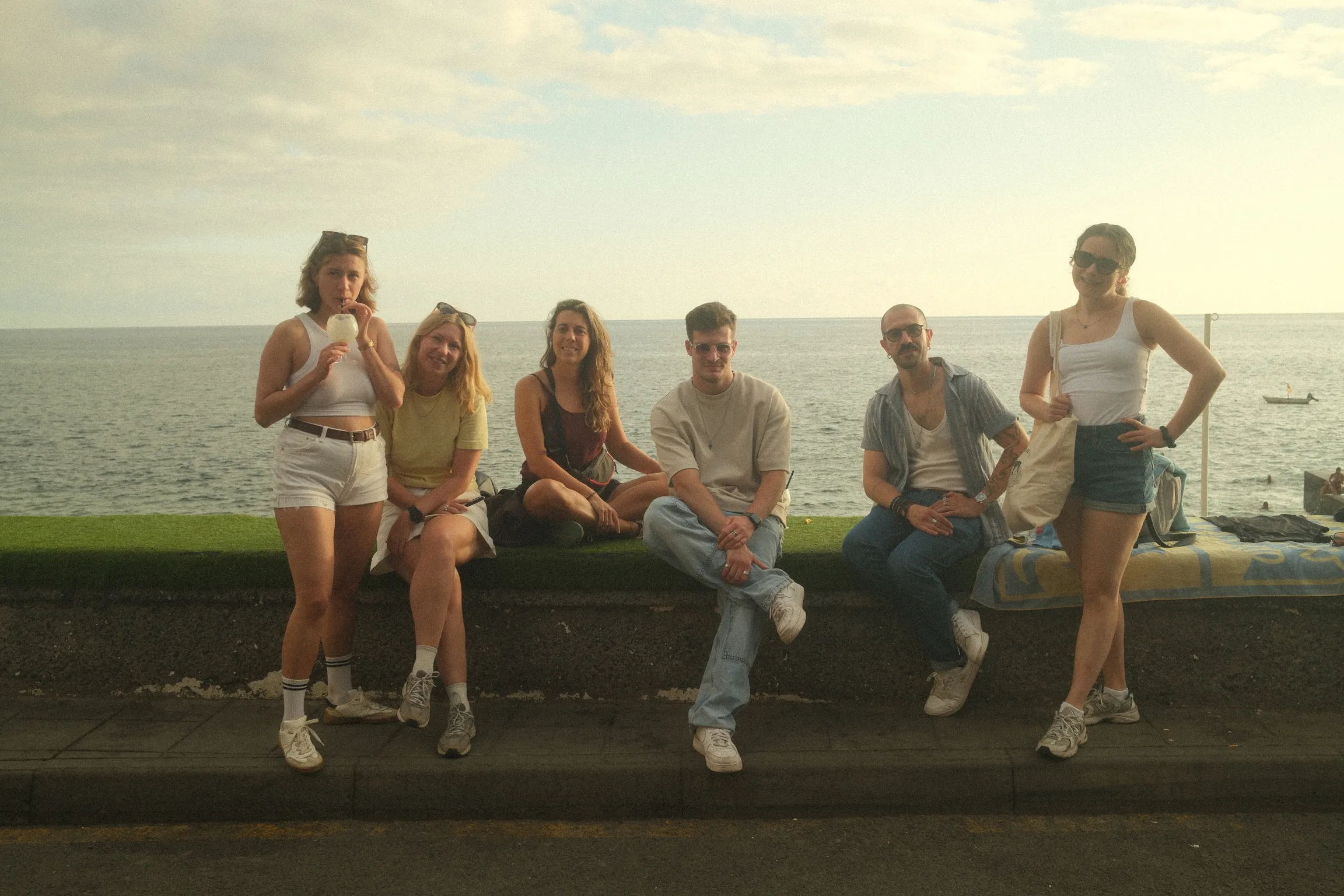
Spreading love through cooking & community.
© 2026 CasaBasilico OÜ (16850261)
All rights reserved.
Design & Branding by ahgoos.com
info@casabasilico.com