
Tarifa Weather and Wind Guide for Digital Nomads
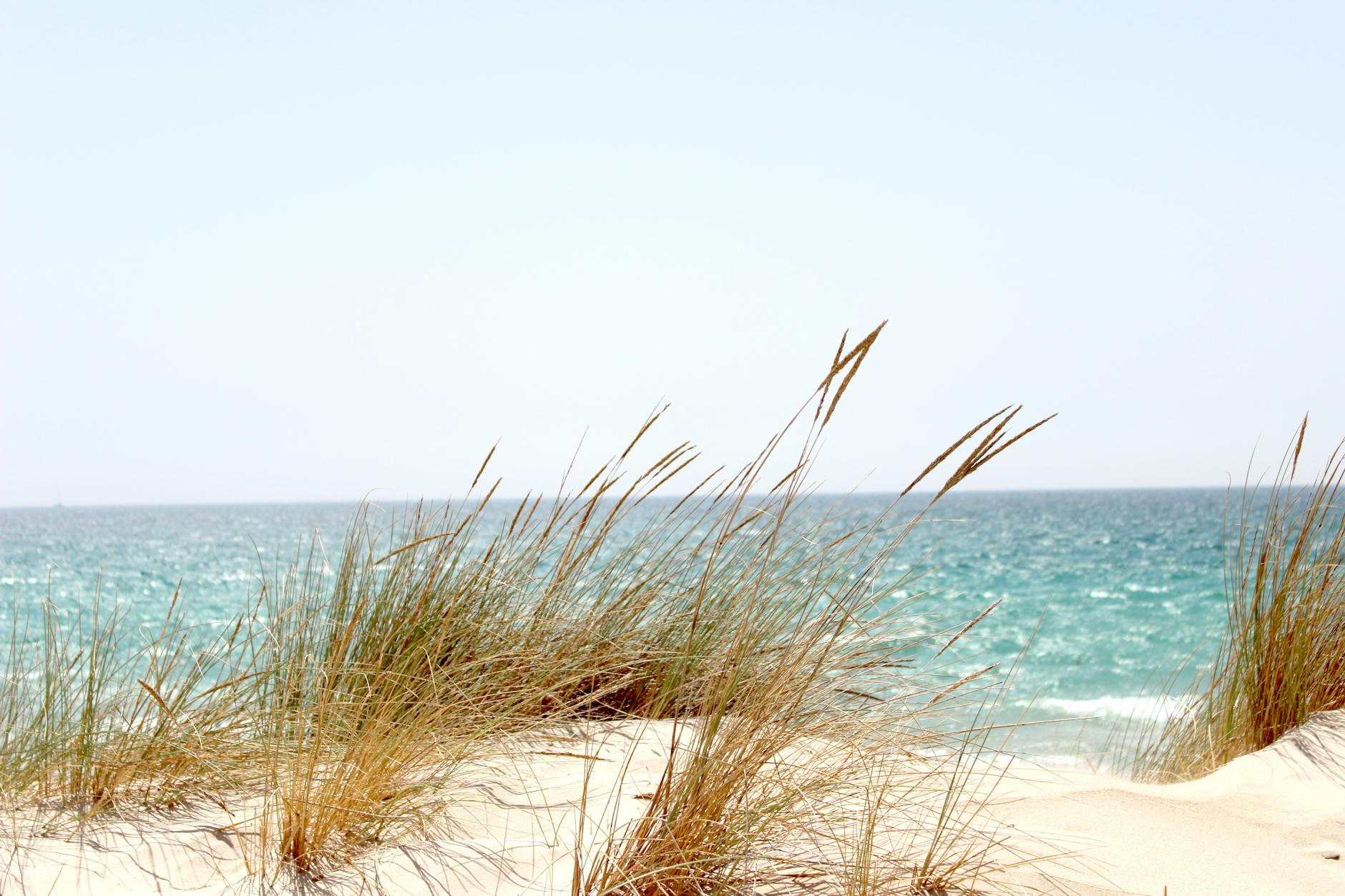
Tarifa sits at the southernmost tip of Europe, where the Atlantic meets the Mediterranean and the wind never stops. The climate is mild year-round: winters hover between 10-16°C and summers rarely top 32°C. No extreme heat, no frost. The problem (and the charm) is the wind. Tarifa sees wind on 300+ days per year, split between two main characters: the Levante, a dry east wind that comes in hard and can blow for 3-7 days straight, and the Poniente, a cooler west wind that everybody actually likes. If the Levante is blowing when you arrive, it will test your patience, your laptop lid, and possibly your sanity. The best months for digital nomads are April-May and September-October: temperatures are perfect, the wind is manageable, and the town is not overrun with summer tourists. December through February is quiet, cheap, and honestly pretty good if you don't mind the occasional rainy week.
What's the weather actually like in Tarifa month by month?
Let's go through it properly instead of saying "Mediterranean climate" and calling it a day.
January-February is the quiet season. Temperatures sit around 10-16°C, there's more rain than the rest of the year (Tarifa gets about 700mm annually, mostly concentrated here), and the town is dead. That's not a complaint. Dead means cheap accommodation, empty restaurants, and being able to think in your coworking space without twelve kitesurfers talking about wind forecasts.
March-April is the transition. Temperatures start climbing toward 18-22°C. Rain tapers off. The wind picks back up but it's often the more liveable Poniente. April is genuinely lovely here: clear skies, warm enough to sit outside, not hot enough to make you sweaty while working.
May-June is the sweet spot. Mid-20s, long evenings, the Atlantic is still cold enough that nobody is convincing you to jump in, but the light is extraordinary. June is when the kitesurfing crowd starts arriving en masse. The Levante season cranks up.
July-August is high season and peak Levante. The town fills up. Accommodation prices double. The wind can be brutal, with 40-60 km/h gusts for days at a stretch. Working with your laptop near any open window requires commitment. It's also the most chaotic and fun, if you're into that.
September-October is the second sweet spot, and honestly the better one. The crowds thin out after mid-September. Temperatures stay warm (22-28°C). The sea finally warms up from a whole summer of sun. The Levante is still around but more intermittent. This is when Tarifa reveals what it actually is, rather than performing for tourists.
November-December brings more rain and cooler temperatures (12-18°C). Not unpleasant. The town goes quiet again. If you want to write seriously, think clearly, or just not talk to anyone for a while, November in Tarifa is underrated.
The Levante: what is it and will it ruin your life?
Short answer: depends how you handle wind.
The Levante is an east wind that funnels through the Strait of Gibraltar. Because of the geography (mountains on both sides, a narrow channel between Europe and Africa), it accelerates dramatically. Meteorologists call this the Venturi effect. Kitesurfers call it paradise. Everyone else calls it the wind.
It typically blows at 30-50 km/h, with gusts regularly hitting 70+ km/h during strong episodes. AEMET (Spain's national meteorology agency) records sustained Levante events lasting 5-7 days multiple times per year, mostly concentrated between June and September. In extreme cases, it's gone for 10 days without a break.
What does that mean practically? Sand everywhere (your laptop keyboard, your coffee, your salad). Outdoor dining becomes a negotiation. Walking into town feels like a workout. You sleep better than you have in years because white noise at that volume is basically sedation.
The Poniente comes from the west, brings Atlantic moisture and cooler temperatures, and is far more tolerable. Wind speed averages 15-25 km/h. You can eat outside. Locals visibly relax. If you're checking forecasts, Poniente days are the ones you plan your outdoor work sessions around.
The Windy app is obsessively checked by everyone who spends more than a week in Tarifa. You will become a person who checks wind forecasts.
Is Tarifa good for remote work?
It can be, with caveats.
Internet infrastructure in the centro histórico is solid. Most accommodation has fiber or decent ADSL. Coworking spaces are available but limited: this is a town of 18,000 people, not a digital nomad hub like Las Palmas or Lisbon. If you need a dedicated desk and multiple monitors, plan ahead.
The rhythm of the town is not 9-to-5. Lunch happens at 2pm. Dinner doesn't start until 9:30pm. Everything closes on Sunday. If you're European-timezone adapted, this works fine. If you're trying to do calls at 8am, you're on your own.
The cost of living is lower than most people expect from an Andalusian beach town. A flat for a month runs €700-1,200 depending on season and whether you're in the old town or the beach area. Groceries are cheap. A menú del día (three courses, wine included) at a local restaurant costs €12-14. Compare that to what you'd spend in Lisbon or anywhere in the Canaries.
Casa Basilico's Tarifa chapter
Best spots for coliving in Spain
When is the best time to visit Tarifa?
For productivity: January, February, November. The town is yours. No distractions, good coffee, nobody trying to get you to go kitesurfing.
For social energy: May-June, September-October. A healthy mix of tourists and long-term nomads. Events, markets, outdoor dining. Enough going on that you feel like you're living somewhere, not just hiding from the world.
For budget: November through March. Accommodation drops. Some restaurants and bars close for the season, but the ones that stay open are the good local ones.
For kitesurfing or just watching kitesurfers: July-August or any strong Levante period. The beach at Los Lances turns into a spectacle.
Avoid July-August if you hate crowds and wind-blown sand in your laptop. The wind does not care about your deadline.
What should I pack for Tarifa?
People consistently underprepare for the wind and overprepare for cold.
A light windbreaker or shell jacket is more useful than a heavy coat, even in December. The temperature rarely drops below 8°C at night in winter, but 8°C with a 40 km/h headwind feels much colder.
Sunscreen year-round. The UV index in southern Spain stays elevated even in winter, and the wind disguises how much sun you're getting until you're pink.
A laptop bag that actually seals. Sand is creative about getting inside things.
Sandals and a light layer. On Poniente days in October you'll be in a t-shirt at noon and want a light fleece by 7pm.
How does Tarifa compare to other Casa Basilico destinations?
Tarifa is a very different proposition from somewhere like Pipa in Brazil or Oaxaca in Mexico. It's wilder, more remote-feeling, less polished. The landscape is dramatic: the Strait of Gibraltar, Africa visible on clear days, the Atlas Mountains behind that. Dolphins in the strait. Migratory birds passing through in spring and autumn (the Strait is one of Europe's major migration corridors).
The food scene is smaller than Oaxaca and less exuberant than Brazil, but Andalusian cuisine in Tarifa is quietly excellent. Tuna is the local obsession: bluefin is trapped in the Strait seasonally, and the almadraba fishing tradition goes back to the Romans. A proper atún rojo tartare here is worth flying in for.
Oaxaca vs. Tarifa for digital nomads
The community vibe in Tarifa is younger and more outdoorsy than most coliving destinations. If having people around you who are into kitesurfing, yoga, and paragliding sounds exhausting, adjust expectations. If it sounds like exactly the reset you needed, you'll love it.
Come stay with us
We ran a chapter in Tarifa in 2025 and it remains one of our favourites. Wind and all.
If you want to live somewhere that's genuinely beautiful, genuinely weird, and genuinely affordable while getting actual work done, add it to your list.
We're always planning what's next. If you want in on the next Casa Basilico chapter before spots fill up, get on the list.
FAQ
What months have the best weather in Tarifa?
April-May and September-October are the consensus favourites. Temperatures are in the comfortable mid-teens to mid-20s°C, the Levante is less dominant, crowds are manageable, and the light is phenomenal. For budget travellers who don't mind quiet, January-February is excellent.
Is the wind really that bad in Tarifa?
It depends on your baseline. If you've spent time in places like Wellington, New Zealand or Cape Town, you'll find Tarifa totally fine. If you're used to Mediterranean calm, a Levante week will rearrange your worldview. The good news: you stop noticing it after about four days, and then you sleep like you've been drugged.
Does it rain a lot in Tarifa?
Not really. Tarifa gets around 700mm of rainfall per year (similar to London), but it's concentrated into the October-March period. The summers are essentially dry. When it does rain in winter, it tends to come in short intense bursts rather than the grey week-long drizzle of northern Europe.
What's the sea temperature like?
Colder than you expect for southern Spain. The Atlantic dominates here rather than the warmer Mediterranean. July-August sea temps are around 19-21°C. October, after a full summer of sun, gets to 22-23°C, which is genuinely the best time to swim. Winter drops to 14-16°C: fine for cold water enthusiasts, brutal for everyone else.
Can I work remotely in Tarifa comfortably?
Yes, with realistic expectations. Internet is adequate rather than exceptional. Coworking options exist but are limited. The lifestyle compensation is high: you can walk from your laptop to the beach in ten minutes, get a three-course lunch for €12, and watch Africa across the water from your coffee break. Most people find they work differently here, not less.

Spreading love through cooking & community.
© 2026 CasaBasilico OÜ (16850261)
All rights reserved.
Design & Branding by ahgoos.com
info@casabasilico.com