Coliving in Tarifa, Spain for Digital Nomads
What is it like to live in Tarifa, Spain as a digital nomad?
Tarifa sits at the very tip of continental Europe, fourteen kilometres from Africa across the Strait of Gibraltar. That geography shapes everything: the wind, the food, the vibe, the light. It's technically Spain but it feels like a place that slipped through a crack between continents and landed somewhere entirely its own. The town is tiny: around 18,000 people, a medieval walled old town painted blinding white, beaches that stretch for kilometres, and a permanent population of kitesurfers and fishermen and hippies who moved here in the nineties and never left. For a remote worker, it's a place you come for a week and stay for a month. The internet is decent by rural Spain standards, the cost of living is reasonable, and the bluefin tuna is so good it will rearrange your priorities. It makes you actually want to be wherever you are, which is rarer than it sounds.
Key Stats at a Glance
Best Neighborhoods for Remote Workers
Casco Antiguo (Old Town) is where you want to be. The whole neighbourhood is inside ancient Moorish walls: narrow white alleys, bougainvillea spilling over gates, tapas bars that have been there since before your parents were born. You can walk from one end to the other in ten minutes, which means you're always near a coffee, a good lunch, or a conversation you didn't plan on having. The WiFi in the cafes is reliable enough for calls, and the energy in the streets is the right kind of background noise: lived-in, not touristy-loud. Fair warning: it's not the cheapest place to rent but it's where the life actually happens.
El Palmero / New Town is just outside the walls and more practical. Supermarkets, pharmacies, a gym, normal human services. Rents here are lower and apartments tend to be bigger. If you're staying a month or more and you want space to actually live rather than constantly feel like you're in a postcard, this is a solid base. Fifteen-minute walk to the beach, five minutes to the old town.
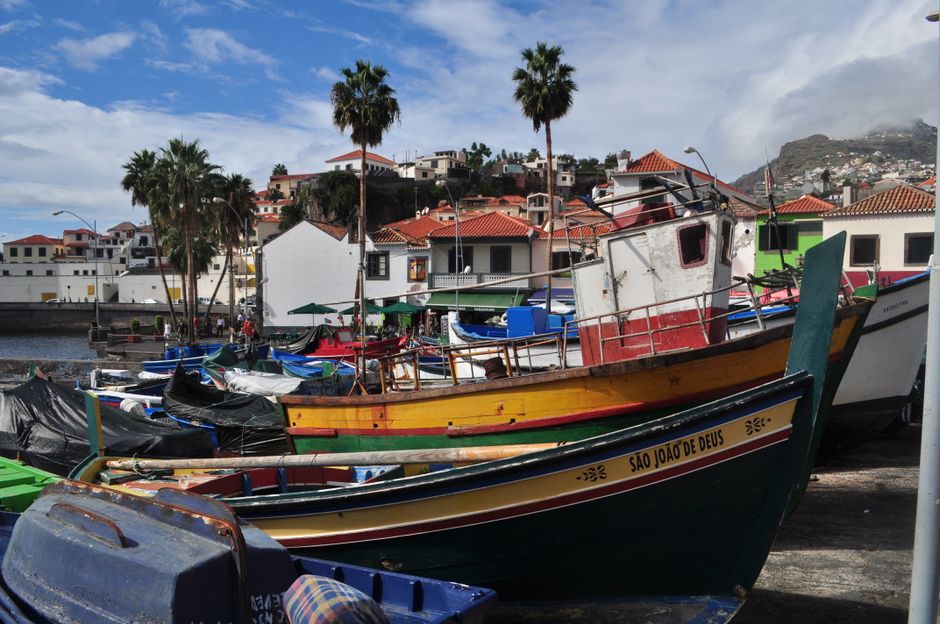
Playa Chica / Puerto Area is down by the harbour where the ferry to Morocco leaves. More transient energy, some good seafood restaurants right on the water, and a fishing port that wakes up early and smells exactly like it should. Not ideal as a residential base for longer stays but great for an afternoon walk, a cold beer watching the boats, and picking up something ridiculous from the fish market on the way home.
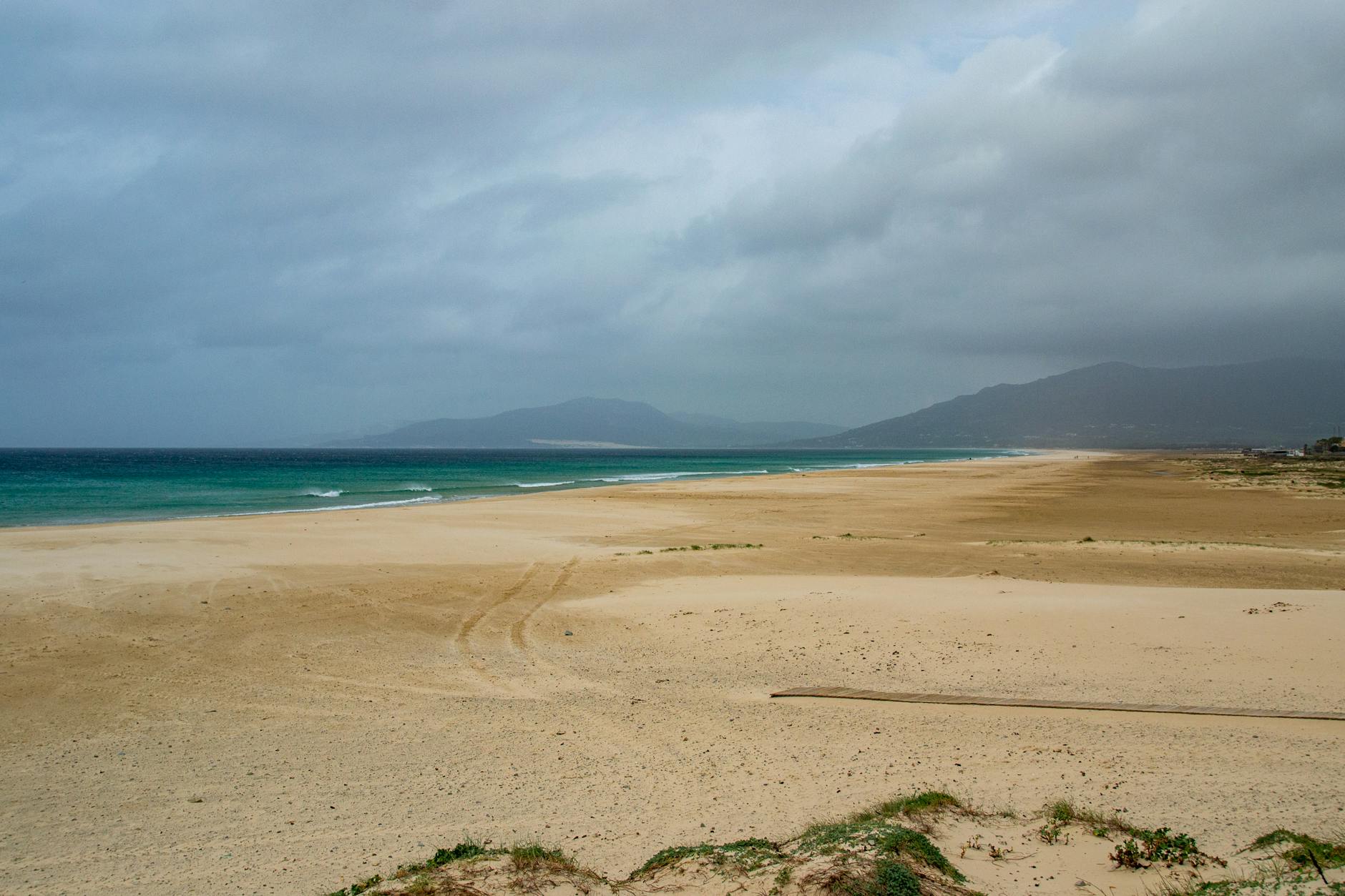
Valdevaqueros / Beach Road is for the wind and space people. A few kilometres outside town along the coast, this is where the kite schools are, the beach bars, and the long stretches of pine trees backing onto Playa de los Lances. Peaceful, isolated, beautiful. Not practical for daily life without a car or scooter. But if you rent a car and want a month that feels like a retreat, it's hard to beat waking up to an empty beach and the smell of Atlantic wind.
Coworking Spaces in Tarifa, Spain
Let's be honest about Tarifa: it's a small Andalusian beach town, not a tech hub. Dedicated coworking infrastructure is limited. But that's actually fine, because the town is small enough that a good cafe with solid WiFi is never more than a five-minute walk away.
Coworking House Tarifa is the closest thing the town has to a proper remote work space — a small members' spot that caters to the resident nomad and kitesurf community. Nothing fancy, but reliable internet, a quiet atmosphere during working hours, and other remote workers around if you want company or someone to grab lunch with. Worth checking their current status before you arrive as hours and availability vary by season.
Café Bar Central (Old Town) has been a local institution for as long as anyone can remember. Strong coffee, reliable connection, and the kind of unhurried café culture where nobody will give you a look for sitting for three hours. Go in the morning for the best seats and the best light.
La Ola Verde is popular with the surf and nomad crowd, serves good food, and has enough tables that you won't feel guilty taking one for a working session. The terrace in good weather is excellent. Slower WiFi than ideal for heavy video calls but fine for async work and writing.
If you're staying in a coliving (which, hi, we know someone you should talk to about that), you'll likely have a dedicated workspace that beats any café in town. Tarifa is so good you'll want to close your laptop at 6pm and go live in it.
What to Eat in Tarifa, Spain
This is the part that matters. Tarifa is in the province of Cádiz, which is one of the most criminally underrated food regions in Spain, and the combination of Atlantic coast, Moorish history, and a strait that funnels some of the world's richest fishing grounds right past the town means the food here is special.
Start with the atún rojo de almadraba. This is the big one. The bluefin tuna caught in the Strait of Gibraltar using the ancient almadraba net technique is among the best tuna in the world — the Japanese send buyers here for it. The almadraba season runs roughly May to July, but quality tuna is available most of the year at the better fish restaurants. Order it raw if they offer it. Order it barely seared if they do. Don't order it well-done. We're begging you.
The tortillitas de camarones are a Cádiz province obsession — thin, lacy shrimp fritters cooked in a batter of chickpea flour until they're crispy at the edges and tender in the middle. They cost almost nothing at a local tapas bar, and they're one of those bites where you immediately understand why people retire to Andalusia.
Tapas culture here is the real thing, not the tourist version. A round of drinks at a local bar comes with a free tapa. Two euros gets you a small plate of something fresh and fried and delicious. The boquerones (fresh anchovies in vinegar), the gambas al ajillo, the puntillitas (tiny squid fried whole) — eat your way through all of them before you think about a sit-down meal.
Then there's Morocco, visible on a clear day from the beach and 35 minutes away by ferry. Make the crossing at least once. The medina in Tangier has tagines, couscous, msemen (layered flatbread), and the kind of sweet mint tea that makes you understand why tea culture exists. The Moroccan influence in Tarifa itself is real too — there are Moroccan restaurants and bakeries in and around town that make excellent pastilla and bastilla.
The Mercado de Abastos (covered market, a short walk from the old town) is where you go to buy the freshest local produce — tomatoes from the Campo de Gibraltar, local fish brought in that morning, and cheese and charcuterie from the mountain towns nearby. Go mid-morning and pick up lunch ingredients. Go again the next day because you'll want to.
For wine, you're in sherry country. Manzanilla and fino from nearby Jerez and Sanlúcar are the local pour — bone dry, nutty, saline, and perfect with anything from the sea. Order it cold. Don't let anyone upsell you on something else.
Casa Basilico in Tarifa, Spain
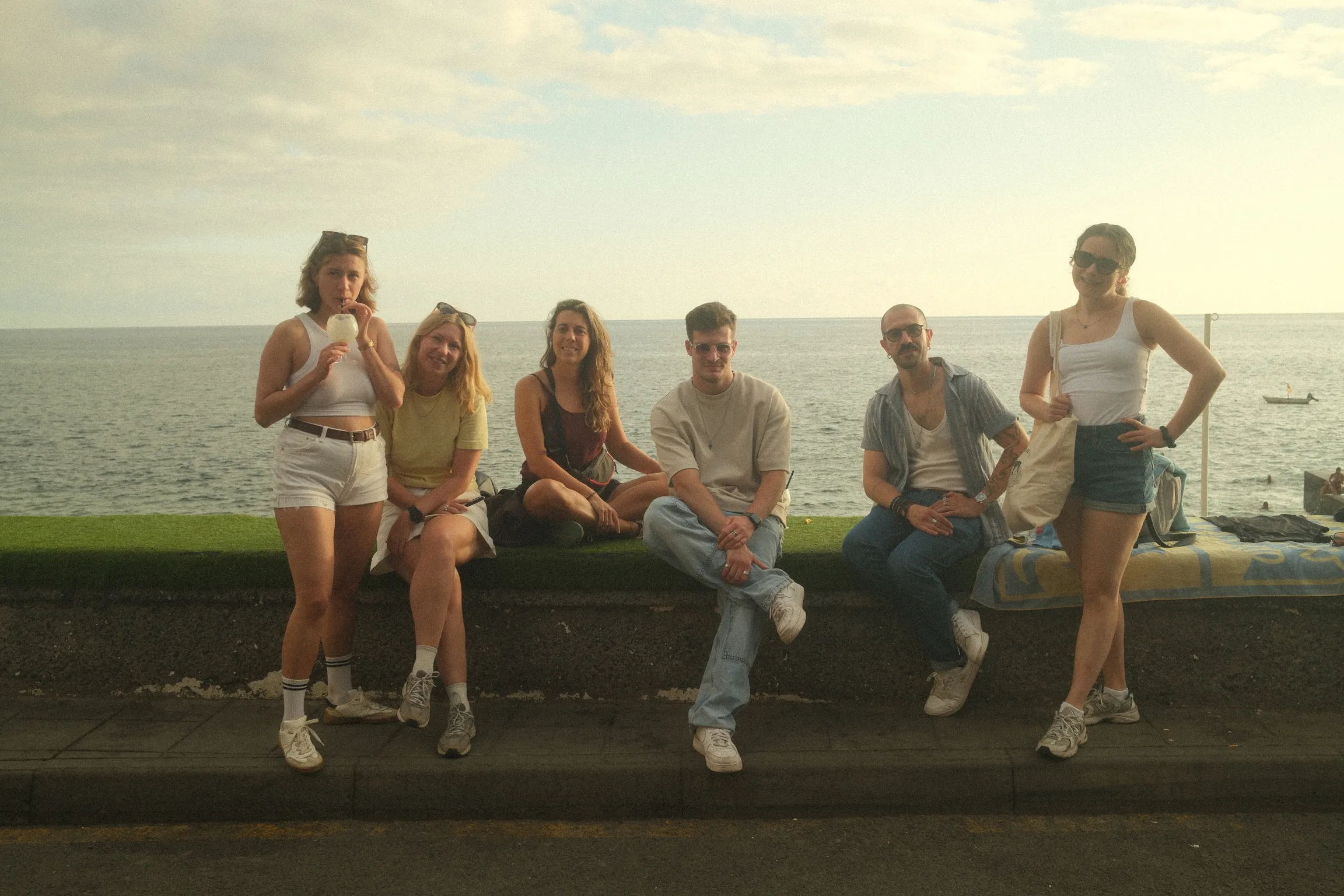
We ran a chapter in Tarifa in 2025 and we still talk about it. The food, the wind, the fact that you could see Morocco from the rooftop with a glass of manzanilla in hand. It was one of those months that sets the bar for everything that comes after. We brought a group of remote workers to the old town, ate extraordinary amounts of tuna, took the ferry to Tangier for a day, and generally refused to let anyone have a boring evening.
If you want to understand what a Casa Basilico chapter actually feels like before you commit, Tarifa 2025 is a good reference point. It's the version of this we'd show people to explain why we do what we do.
Read about our Tarifa chapter →
FAQ: Tarifa, Spain for Digital Nomads
Is Tarifa good for remote work year-round?
It depends what you need. October to May is great. The town is quieter, the weather is mild (12–22°C), rents are lower, and you get the place mostly to yourself. Summer (June–August) is windy, crowded with tourists and kitesurf students, and accommodation prices spike. If you're choosing, the shoulder seasons are the sweet spot: April–May and September–October combine good weather with sane prices and a calmer town.
Is the internet reliable enough for video calls and remote work?
In town, yes — most apartments in the Casco Antiguo and the new town have access to fiber, and the larger cafes have usable WiFi. The further you go out of town toward the beach areas, the less reliable it gets. If your work depends on stable, fast internet, confirm speeds before booking accommodation, and have a backup mobile data plan. Spanish SIM cards (Vodafone, Orange, or budget options like Digi) are cheap and coverage in the town centre is fine.
How much does it cost to live in Tarifa for a month?
In the off-season (October–April), you're looking at roughly €1,100–1,700/month as a solo remote worker. A private room in a shared flat runs €350–600/month, food is cheap if you eat like a local (€15–25/day covers coffee, tapas lunch, and a decent dinner), and you don't need a car if you stay in town. In summer, expect accommodation to double or triple in price and the town to feel completely different.
Can I do a day trip to Morocco from Tarifa?
Yes, and you should. FRS operates ferries from Tarifa to Tangier in 35 minutes, several times a day. A day trip gives you enough time to walk the medina, eat well, drink too much mint tea, and be back in Tarifa for sunset. Take your passport (even if you're EU), go on a weekday to avoid weekend crowds, and book the ferry online in advance in summer. It's one of those things that sounds like a tourist cliché until you actually do it and realise it's extraordinary.
Is Tarifa good for couples or solo travellers?
Both, for different reasons. Solo travellers find it easy to meet people — the kitesurfing and coliving community is social by nature, and a month in a place this size means you'll know most of the regular faces within two weeks. Couples find it romantic in the way that small, beautiful Andalusian towns tend to be: good food, long walks, a pace of life that doesn't rush you. It's not a party destination — Tarifa goes quiet early — which is either a feature or a bug depending on what you're looking for.
Related Destinations
You might also like: