
Slow Travel

What is Slow Travel?
Slow travel is the idea that a place is best understood when you stay long enough to have a favourite. A favourite coffee spot, a favourite route, a favourite excuse to avoid whatever you were supposed to be working on that afternoon. Instead of bouncing between cities like you're completing a checklist, you pick somewhere and actually live there for a while. A month, two months, sometimes more.
It's the opposite of the "five countries in ten days" fantasy. No whirlwind itineraries, no repacking a suitcase every three days, no jet-lagged mornings in a city you'll forget by August. Just one place, enough time, and the strange luxury of not being in a rush.
For most people, something shifts around week two. The tourist questions stop. You stop asking Google for recommendations and start forming opinions of your own. You know which bakery opens early, which street floods in the rain, and which bar the locals go to versus the one all over Instagram. You stop being a visitor passing through. You start being somewhere.
That distinction matters more than it sounds.
Why Slow Travel Matters for Digital Nomads
Remote work gave people the freedom to move. Slow travel is the choice to stop, on purpose, long enough for it to mean something.
Moving too fast burns through everything: money, energy, focus, and the ability to do any kind of good work. It's hard to concentrate when your brain is still processing Tuesday's twelve-hour travel day. Slow travel fixes the practical problem of working remotely: you've tested the Wi-Fi, you've claimed a desk, you're in a timezone routine that works. The logistics stop being the job.
But the reason slow travelers don't go back to the other way? The people. Real friendships don't form in three days. They form over a shared kitchen, two weeks of inside jokes, and the kind of conversation that only happens after enough dinners together that you've stopped being polite. Slow travel is what makes that possible.
At Casa Basilico
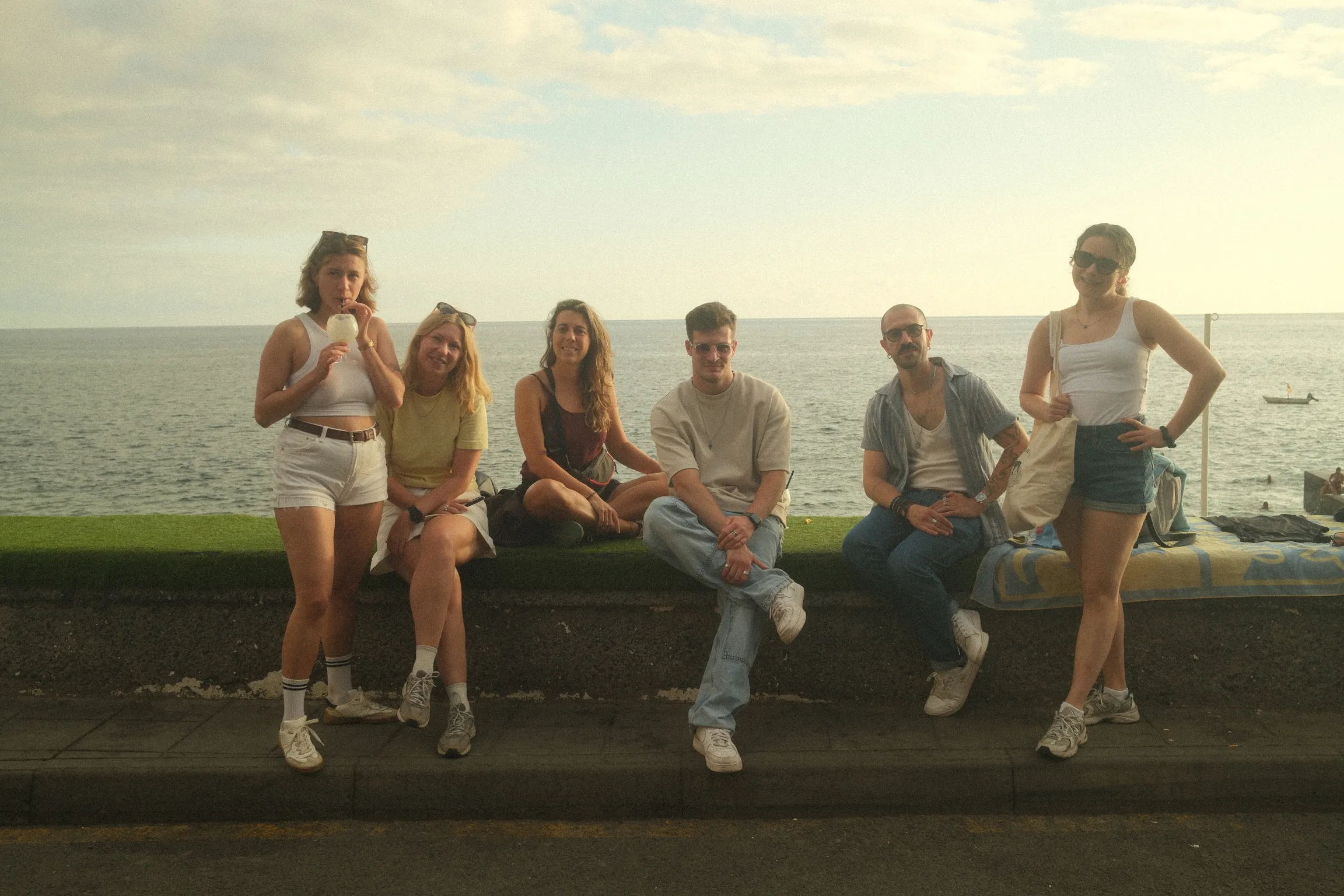
In Tarifa 2025, one of our guests booked a month and told us upfront she'd probably leave after two weeks — she had "stuff to figure out back home." She stayed the whole month. Then extended by a week. Then convinced two people she'd met in the house to apply for the Oaxaca chapter.
Around day twelve she stopped asking what to do in town and started recommending things to the people who'd just arrived. That's the slow travel shift. We've watched it happen in Madeira, Pipa, Las Palmas — it's always around day ten or twelve, and it always looks the same. One morning someone just seems at home.
Related Terms
Want to try slow travel properly? Come stay with us →


Spreading love through cooking & community.
© 2026 CasaBasilico OÜ (16850261)
All rights reserved.
Design & Branding by ahgoos.com
info@casabasilico.com