
A Digital Nomad's Guide to Brazilian Food Culture
Brazilian food culture for digital nomads is less a cuisine and more a way of life. Lunch is the main event: a two-hour, multi-course affair that makes European office workers look like efficiency robots. The prato feito (a heaped plate of rice, beans, protein, and salad for under R$20) is the backbone of daily eating. Street markets called feiras run every weekend and are better than any farmers market you've ever been to. Açaí is a meal, not a smoothie. Churrasco is a religion, not a barbecue. And if you show up to Brazil thinking you know what "caipirinha culture" means because you had one at a rooftop bar in Lisbon, trust us, you don't. This guide covers what digital nomads actually eat in Brazil, where to find it, and why the food culture here will quietly become the thing you miss most when you leave.
Brazil runs on food. Not in the "great restaurant scene" way every city brags about now, but in the deeply social, everyone-eats-together way that most of the world has quietly forgotten.
Spend a week here and you'll notice it: the padaria (bakery) on the corner at 7am with half the neighbourhood already inside. The lunch crowds at simple restaurants where food is weighed on a scale, not ordered off a menu. The WhatsApp group pinging because someone found good tapioca two streets over. Food isn't a backdrop to life in Brazil. It's the architecture.
For digital nomads chasing good internet, a lower cost of living, and an actual life outside a laptop screen, Brazil delivers on all three. The food culture is what makes a one-month stay feel like a year wasn't enough.
What makes Brazilian food culture so different from everything else?
Most travellers land in Brazil with a mental image of churrasco and caipirinhas. That's like going to Italy and thinking it's just pizza.
Brazilian food is a product of one of the most genuinely diverse culinary histories on earth. Indigenous ingredients and techniques (cassava, açaí, moqueca bases) meet West African influence (acarajé, dendê oil, slow-cooked rich stews) meet Portuguese colonial flavours (bacalhau, pastéis, egg-based sweets) meet waves of Italian, Japanese, Lebanese, and German immigrants who left permanent marks on regional cooking.
The result is a country where food varies wildly by region. The northeast eats differently from São Paulo. Pará eats differently from both. Rio has its own soul food tradition. And none of it maps onto what you've eaten in a "Brazilian BBQ" restaurant back home.
What stays consistent across regions is the ritual of food. Lunch is not a desk thing. It's a break, a conversation, a two-course plate, often followed by a nap. A 2023 report from the Brazilian Institute of Geography and Statistics (IBGE) found that 72% of Brazilians eat their main meal between noon and 2pm, and that number barely shifts on workdays. Remote workers who slot into this rhythm consistently describe it as one of the bigger lifestyle upgrades of their time in Brazil.
What should a digital nomad actually eat?
The honest list, not the tourist pamphlet version:
Prato feito (PF): Your daily lunch. Rice, beans, protein (chicken, beef, fish), a side salad, farofa (toasted cassava flour), and usually a fried egg. Cost: R$15-25 depending on city. Cost of an equivalent meal in Lisbon: €14. You can do the maths.
Açaí: Forget the Instagram bowl with granola and three types of imported berries. In northern and northeastern Brazil, açaí is eaten as a savoury side dish. In the south it's thick, frozen, and eaten like ice cream. Both are correct. Neither is the watery purple smoothie you've been paying €8 for. what slow travel actually looks like in practice
Tapioca: A crepe made from cassava starch. Crispy outside, chewy inside. Stuffed with cheese, chicken, banana and cinnamon, or anything else someone thought to try that day. Sold for R$8-15 on street corners everywhere. Accidentally gluten-free without anyone making a big deal about it.
Coxinha: A teardrop-shaped fried pastry filled with shredded chicken. Available in every padaria, petrol station, and children's birthday party in Brazil. The Brazilian equivalent of a scotch egg: technically bar food, practically a complete meal if you eat three.
Moqueca: A slow-cooked fish or prawn stew made with coconut milk and dendê palm oil. The Bahian and Espírito Santo versions argue passionately about which is correct. Both are outstanding and the argument is mostly the point.
Churrasco: Yes, it's real and yes it deserves all the hype. Brazilian barbecue is slow, generous, social, and nothing like standing over a grill for twenty minutes. The correct way to eat churrasco is over four hours with people you like, not from a plate in a restaurant.
Then there's the boteco culture. A boteco is a corner bar that serves cold beer (important note: in Brazil, beer is served at around 0°C. This is not negotiable and is scientifically correct) alongside petiscos: little snacks like pão de queijo, mini pastel, bolacha de polvilho. It's where Brazilians decompress, argue about football, and talk for hours. For a digital nomad, it is also genuinely one of the best places to meet locals. why your host matters when you're eating in a new country
Where do you find the real food, not the tourist version?
Feiras livres: Open-air street markets that run in every neighbourhood on a fixed day of the week. Seasonal fruit, fresh fish, grilled corn, pastéis, fresh coconut water cut in front of you. If your neighbourhood's feira runs Saturday morning, you will reorganise your entire week around it within two visits. This is a promise.
Restaurante por kilo: You fill a plate, it gets weighed, you pay by the kilogram. Typically R$40-60/kg depending on city. No menu, no decision paralysis, no waiting. The best ones rotate dishes daily and have a hot buffet that looks chaotic but tastes remarkable. The skill is stacking the plate correctly without going over budget. People here are good at this and will silently judge you.
Padaria: The corner bakery is sacred Brazilian infrastructure. Coffee is R$3-5 for a proper espresso. Pão de queijo (cheese bread) comes fresh from the oven in the morning and disappears fast. The clientele is every age, every profession, all in before 9am. It's the office kitchen that actually works.
Supermercado: Brazilian supermarkets are genuinely excellent for self-catering. Fresh fruit is cheap, weird, and nothing like the imported stuff you've been eating. A weekly shop for one person in northeastern Brazil runs R$150-250 for actual food, not just snacks. That's roughly €25-40.
A 2024 Numbeo cost of living analysis ranked cities like Recife and Fortaleza in the bottom 10% globally for food costs relative to quality. Compared to European nomad hubs like Lisbon or Barcelona, you're eating better for a third of the price. coliving cost breakdown by destination
How does the food culture actually change your day-to-day as a nomad?
The lunch break is a real institution. Businesses slow down at noon. Streets fill with people eating. If you stay at your laptop through lunch while everyone around you is eating and talking, you'll be hungry, slightly antisocial, and missing one of the best parts of the day. Working with the local schedule (morning focus block, proper lunch break, afternoon deep work) turns out to be better for your output anyway. Funny how that works.
Food is how you make friends here. Showing up to a shared kitchen with mangoes you bought at the feira is worth more socially than any icebreaker activity any coliving has ever invented. Brazilians are generous with food and generally expect that generosity back. The offer of biscoito or leftover rice isn't just politeness. It's the beginning of a friendship.
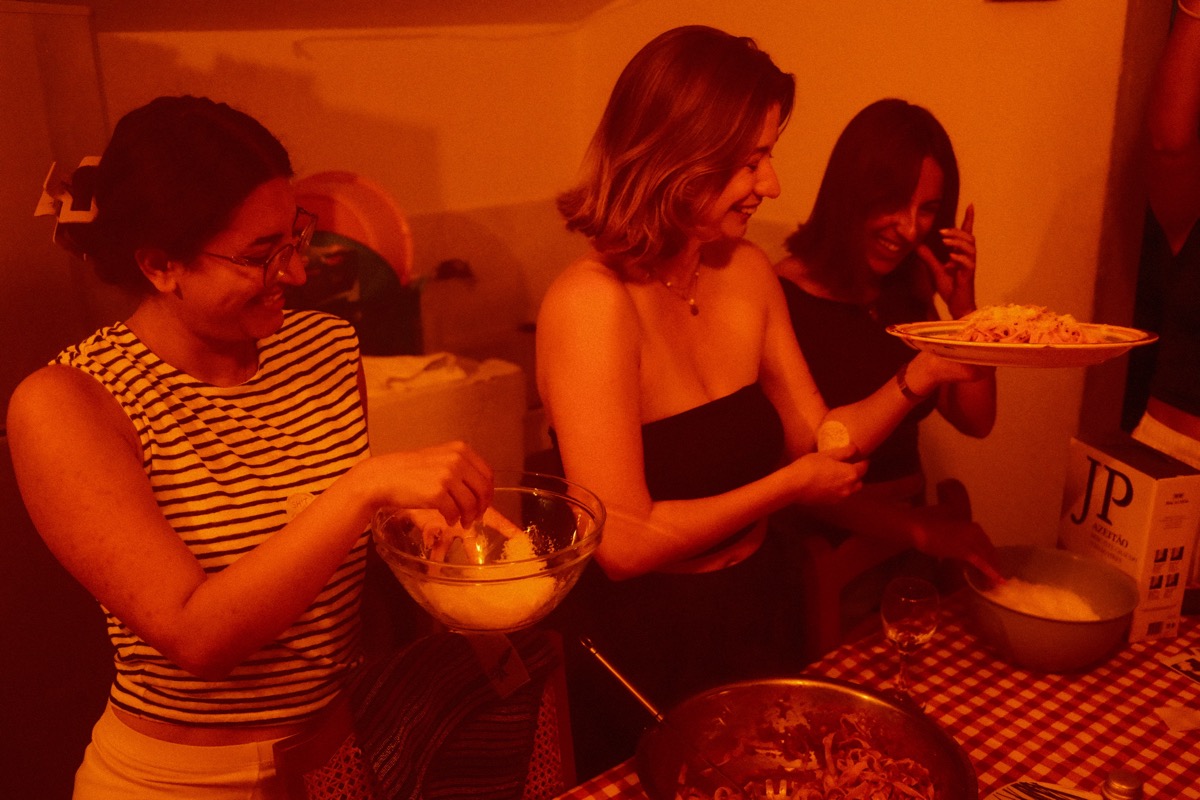
Cooking together just happens. In coliving settings in Brazil, communal cooking isn't something anyone organises. It emerges naturally. Someone starts making rice. Someone else handles the beans. A third person does the salad. Dinner for eight costs less than a single restaurant main course per person, tastes better, and takes two hours in the best way. There's something about the ingredients here, the price of everything, the rhythm of the place. It clicks.
You will ruin supermarket açaí for yourself forever. There's no fix for this. You've been warned.
Is the food actually safe? The question everyone's a bit embarrassed to ask
Yes, with basic common sense. Street food in Brazil is generally safe. Vendors have been running the same stand for twenty years and their reputation is the only marketing they've got. The smell test rarely fails: if the oil smells old or the fish smells wrong, keep walking.
Tap water varies by city. In São Paulo and most of the south, it's technically potable. In many northeastern cities, filtered water is the default. A filter jug is a worthwhile R$50 investment on arrival.
Your stomach will need two weeks to adjust. The food is richer, the portions bigger, the dendê oil more present than most people are used to. This is completely normal. It passes. Your body recalibrates, you stop noticing, and then you stop wanting to stop.
The broader point: Brazilian food culture has been feeding 200+ million people for centuries without drama. The ingredients are fresh, the cooking is practical, and the deep tradition of eating proper meals at proper times keeps everything sensible. You're not being adventurous by eating the street food. You're just eating like a local.
What food culture actually looks like inside a Casa Basilico chapter in Brazil
We've run chapters in Pipa, a small surf town in Rio Grande do Norte in the northeast of Brazil, in 2024 and 2026. The food there punches well above its size.
Tapioca from the tapioqueiras who set up outside town each morning for R$10. Fresh fish from the boats that pull up on the beach, sold directly to whoever's standing there. A Sunday churrasco with the whole house that costs less per person than a coffee back home. The local restaurante por kilo that becomes the default lunch spot within three days, not because anyone decided it would be, but because everyone independently ends up there and finds each other.
The communal kitchen in our Pipa houses runs constantly. Guests cook together more in Brazil than anywhere else we've run a chapter. Nobody planned that. It just happens when the ingredients are good and cheap and the kitchen is big enough and everyone's on the same loose schedule.
Over 180 remote workers have lived in a Casa Basilico chapter. Brazil chapters consistently generate the best food stories. Not fine dining moments. Just good food, eaten with good people, at the right pace. That's all it takes.
FAQ
Is food expensive for digital nomads in Brazil?
No. Brazil is one of the best-value food destinations in the world relative to quality. Budget R$30-50/day eating street food and local lunch spots. Self-catering from supermarkets is cheaper. Restaurant dinners vary, but a solid meal with a beer at a casual local place runs R$60-80.
Do I need to speak Portuguese to navigate eating in Brazil?
It genuinely helps. Street markets and local restaurants don't run English menus. Basic food vocabulary plus Google Translate's camera function gets you very far. Most Brazilians are patient and will happily help you figure out what you're looking at. The attempt is appreciated.
Is vegetarian or vegan food manageable in Brazil?
Easier than most people expect, especially in bigger cities and tourist towns. The prato feito culture adapts well: many places offer a vegetarian protein option. Fruits, vegetables, and legumes are so central to Brazilian cooking that eating plant-based doesn't require hunting for specialty restaurants. In smaller towns it takes a bit more effort, but the ingredient quality more than compensates.
What's the seasonal food calendar worth knowing about?
Brazilian seasonal produce varies sharply by region. Mango season in the northeast runs November to February and is genuinely life-changing: fruit this sweet at this price doesn't exist in Europe. Açaí is year-round but freshest in Pará. Cashew fruit (caju) season is a revelation if you've only ever seen the nut. Ask a local what's in season when you arrive. It's a reliable conversation opener.
How different is food between Brazilian regions?
Very. The northeast (where our Pipa chapter runs) relies heavily on cassava, fresh fish, coconut, and Afro-Brazilian cooking traditions. São Paulo is one of the most diverse food cities in the world; Japanese Brazilian food alone is its own thing. Rio has its own comfort food identity. The south carries strong Italian and German immigration influence. If you're moving between regions, treat each one as a different cuisine. You won't be disappointed.
Come eat with us. We do communal dinners most nights and we don't charge extra for them.

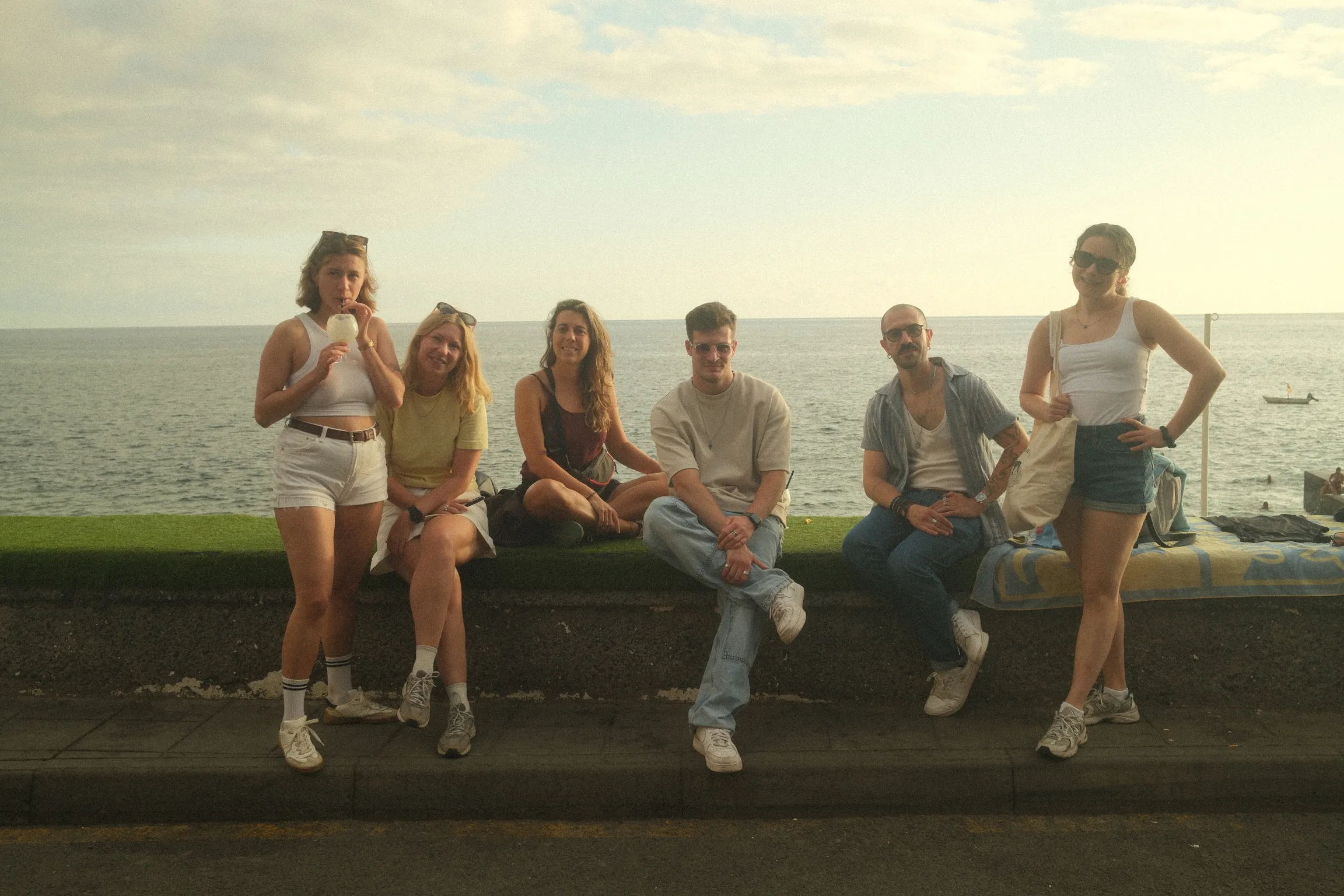
Spreading love through cooking & community.
© 2026 CasaBasilico OÜ (16850261)
All rights reserved.
Design & Branding by ahgoos.com
info@casabasilico.com