
Morocco Weather for Digital Nomads: Taghazout and Beyond
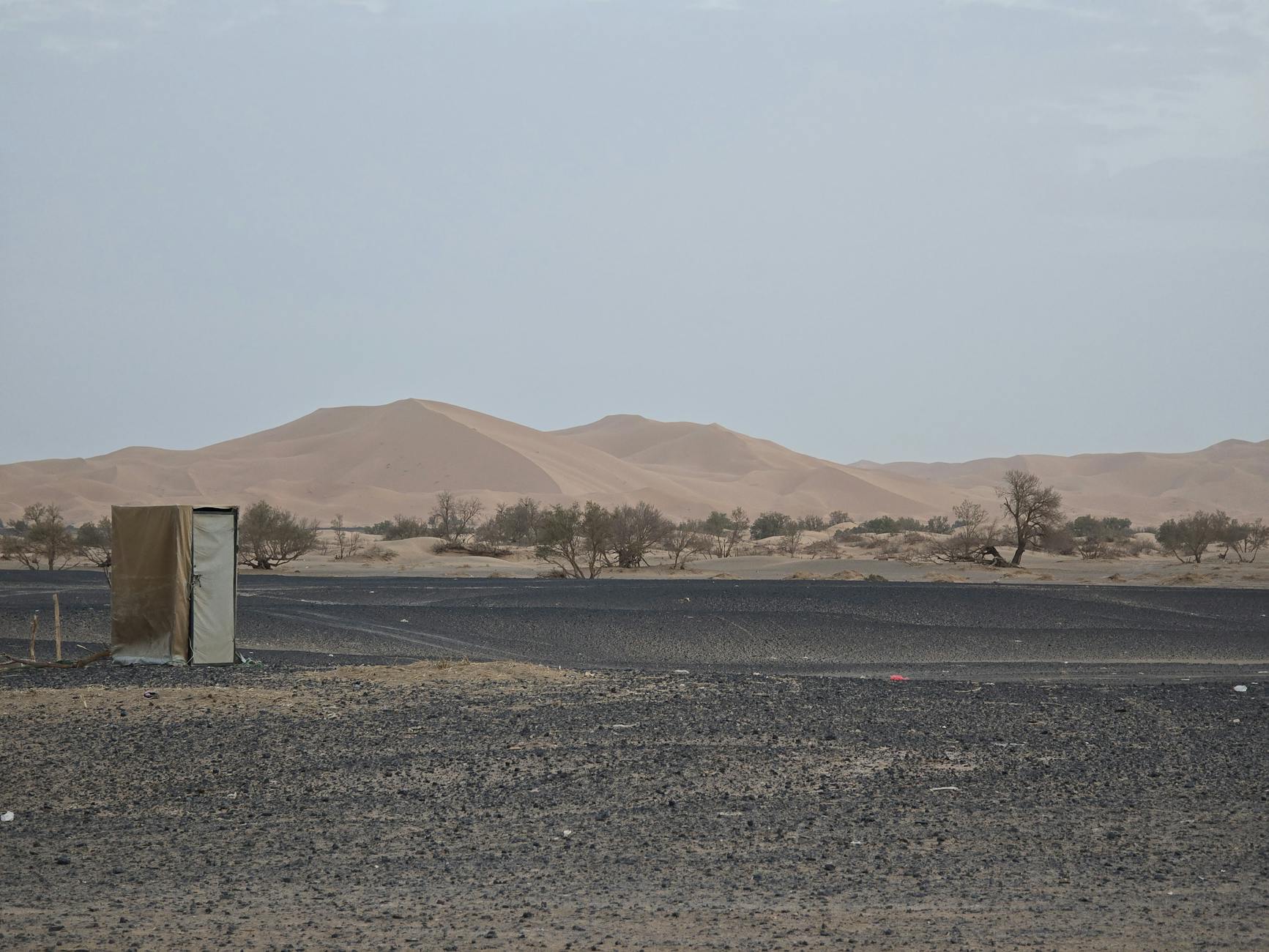
Morocco in winter sits at 18-22°C along the Atlantic coast, with Taghazout averaging 19-20°C in January while most of Europe disappears under grey skies and existential dread. Rainfall is minimal from November through March, concentrated in brief showers rather than week-long drizzles, with December being the wettest month at roughly 35-40mm along the Agadir coast (Weather Atlas, 2024). Inland cities like Marrakech run cooler at night, 7-10°C in January, but hit a pleasant 18-20°C most afternoons. The Atlas Mountains get proper snow from December onwards, making them a spectacular day trip rather than a base. For digital nomads weighing Morocco as a winter escape, the Atlantic coast between Agadir and Essaouira is the sweet spot: warm enough to work from a rooftop, dry enough that your laptop won't cry. The Atlantic wind makes Taghazout one of the best surf destinations on earth.
Why is everyone suddenly talking about Taghazout?
Because they went there in November and never wanted to leave. That's the short answer.
The longer answer: Taghazout is a small fishing village 20km north of Agadir that became a surf mecca in the 2000s, then a digital nomad hub in the 2010s, and is now the kind of place where you'll find a retired accountant from Hamburg doing yoga at sunrise next to a 26-year-old Slovenian developer who hasn't owned a winter coat in three years.
The weather is the main character. From November through March, daytime temperatures hover between 18 and 22°C. The sun shows up reliably. Evenings require a light jacket but nothing dramatic. The Atlantic keeps things fresh without being brutal.
Compare this to Lisbon in January (12°C, grey, emotionally ambiguous) or Berlin (you know what Berlin in January is) and you understand the appeal.
Agadir-Al Massira Airport connects directly to most European capitals, with Ryanair and easyJet making it embarrassingly accessible. A 3-hour flight from London, 2.5 from Paris, 2 from Madrid. There's no excuse not to go.
What's the weather actually like month by month?
Atlantic coast around Taghazout and Agadir, month by month:
November: 19-21°C daytime, 14°C evenings. Rarely rains. Surf season kicks off properly. Feels like a perfect Italian autumn except it's warm and there's a beach. Peak time for nomads arriving to escape the European collapse.
December: 17-19°C daytime, 12°C evenings. This is the "wettest" month, which means you might get a few actual rainy days, maybe 5-6 out of 31. The rest is sunshine. Medinas are less crowded, tagines are cheaper. Good month.
January: 17-19°C daytime, 11-13°C evenings. Coldest month on paper, barely noticeable in practice. The surf is good. The morning light is incredible. Sunrise from a rooftop with a coffee will make you question every life decision that kept you in a grey city for this long.
February: 18-20°C daytime, 12°C evenings. Getting warmer. You'll see the first flush of nomads who booked late and are now very smug about it. February is the sweet spot that not enough people know about.
March: 20-22°C daytime, 14°C evenings. Officially lovely. Almond trees bloom. More tourists start arriving. If you want the vibe without the crowd, February wins by a margin.
All data from Weather Atlas (2024) and Climate-Data.org historical averages.
What about the rest of Morocco?
Taghazout gets most of the nomad attention but Morocco has range. Worth knowing what you're signing up for elsewhere.
Marrakech runs warmer than the coast during the day (18-22°C in January) but cold nights catch people off guard. 7-10°C after dark in December and January. If you're working from a riad and eating your way through the medina, it's spectacular. If you're counting on sitting outside after sunset without a proper layer, you'll be disappointed.
Essaouira is windier, cooler, and more atmospheric than Taghazout. Average January temperatures around 16-18°C, but the Atlantic wind makes it feel sharper. Writers love it. The kind of place that makes you feel like you could finish your novel. Or start one. Photogenic, slightly melancholy in a good way.
Chefchaouen is beautiful but cold in winter. 8-12°C in January, can drop close to freezing at night. Worth a long weekend trip but not a base for anyone who fled Europe specifically to stop being cold.
Agadir itself (the city, not Taghazout) is more of a transit hub. Perfectly pleasant, but Taghazout has more soul and better coffee.
the best digital nomad destinations by month, matched to your visa window
Can you actually work from Morocco?
Nobody else gives you an honest read on the internet situation, so here it is.
Morocco's internet infrastructure has improved but it's not Portugal or Eastern Europe. Speedtest Global Index (2024) puts Morocco's median fixed broadband at around 50-65 Mbps in urban areas. In Taghazout specifically, dedicated coworking spaces typically offer 100-200 Mbps fiber connections because their whole economy runs on nomads. That's enough for video calls, uploads, and not enough to make you feel like you're in the future but plenty to get your work done without drama.
The key is where you stay and work. Surf camp coworkings have invested in infrastructure specifically because nomads are their core customer. Show up to a random Airbnb and you might be back to 4G hotspotting.
Practical move: grab a local SIM at Agadir airport from Maroc Telecom or Inwi. €10-15/month gets you 50-100GB of 4G. Treat it as your backup and your anxiety disappears.
Time zone bonus: Morocco runs on UTC+1 year-round since switching to permanent summer time in 2018. That puts you perfectly aligned with Central European Time in winter. For anyone working with European teams, collaboration just works. For US East Coast, you're 5 hours ahead, which works well for async-heavy teams.
staying actually productive when your office has a view of the Atlantic
What does it cost to live there for a month?
Morocco is affordable in a way that doesn't feel like you're compromising. Monthly breakdown:
Accommodation:
Food:
Coworking:
A comfortable month with a private room, coworking, and eating well lands at €800-1,200 total. Cook occasionally and share accommodation and you can do it for €600-800. Numbeo's 2024 data puts Morocco's cost of living at roughly 60-65% below the EU average. The dirham is stable, tied to a basket of EUR and USD, and cash is king in the medinas.
Compare that to Lisbon hitting €1,500-2,000/month minimum now, or Barcelona at €2,000+ if you're eating like an adult, and Morocco makes a lot of sense.
the honest monthly cost breakdown for coliving vs. renting alone
What should you actually eat?
This is the most important section. We're a foodie coliving. You knew this was coming.
Moroccan food is genuinely underrated on the global foodie circuit, and we say this as people who have lived in Italy, Spain, Mexico, and Brazil. The cuisine is slow, layered, and aromatic in a way that makes you realise most food you eat at home is just fuel wearing a disguise.
Tagine: The obvious one. Lamb with preserved lemon and olives, or chicken with saffron and almonds. Do not eat the tourist tagine from a place with an English menu out front. Find a spot where old men are having lunch and sit down next to them.
Harira: Tomato and lentil soup with chickpeas, fresh coriander, and lemon. Moroccan comfort food. You will eat this for breakfast and feel like a different person.
Bastilla: Sweet pigeon (or chicken) pie in flaky pastry, dusted with icing sugar and cinnamon. Sounds wrong. Is completely right.
Msemen: Flaky flatbread cooked on a griddle. Eat it with argan oil and honey in the morning. This is your new breakfast. This is the only breakfast.
Mechoui: Slow-roasted whole lamb, served by weight. If you find it on a menu, clear your calendar.
Mint tea: Not food, but mandatory. The ritual of the pour, the three glasses, the sugar. Morocco's way of saying "slow down." The correct response is to listen.
The food alone justifies a month in Taghazout. We are biased toward places where cooking is a love language, and Morocco very much qualifies.
why food culture is the real reason to choose your next coliving destination
Is Taghazout overrated?
For some people, yes.
If you want a buzzing digital nomad scene like Chiang Mai or Medellín, Taghazout is quieter than you might expect. The nomad community is real but concentrated mainly around surf camps. If you don't surf, you might feel on the outside of the vibe until you find your people.
The town itself is small. One main road, some fish restaurants, surf shops, a beach. There is no nightlife in the Western sense. People are in bed by 10pm.
But if what you want is warmth, genuinely outstanding food, an affordable cost of living, and a slower pace that actually lets you do your best work without FOMO pulling you out every night, Taghazout in winter is underrated, not overrated.
The people who don't like it mostly wanted Ibiza with a tagine on the side. If you want a month that resets your nervous system and fills your hard drive with work you're proud of, you go.
The practical stuff: visas, flights, getting around
Visas: 90 days visa-free for EU, US, UK, Canadian, Australian, and most other Western passports. No official digital nomad visa exists yet as of early 2026, though the government has been talking about it. Check current entry requirements before booking, as rules evolve.
Flights: Agadir-Al Massira (AGA) is the closest airport, with direct routes from most European cities via Ryanair, easyJet, and Royal Air Maroc. Casablanca (CMN) is the main hub if you can't find direct routes, with a 3-hour bus connection southward.
Getting around locally: Grand taxis between Taghazout, Tamraght, Aourir, and Agadir run constantly and cost almost nothing. €1-2 per ride. You don't need a car for the base. Rent one if you want Atlas Mountains day trips or a run down to the Sahara.
Morocco in winter feels like a genuine discovery even when other people have already found it. The weather is reliable. The food is the real deal. The cost gives you mental space to enjoy being somewhere instead of watching your bank balance panic.
If you want to share a destination like this with a group of people who take dinner as seriously as their deadlines, that's what we do.
FAQ
Is December a good time to visit Morocco as a digital nomad?
December is excellent on the Atlantic coast around Taghazout and Agadir. Temperatures hold at 18-22°C during the day, rainfall is minimal at around 35-40mm for the month, and accommodation prices are lower than peak spring months. Northern Morocco (Chefchaouen, Fes) is cooler and wetter in December, so if weather is your priority, stay south.
What is the best month for Morocco weather?
March and April offer the warmest temperatures without summer heat or crowds. For digital nomads who want affordable accommodation and a quieter scene, November through February is the sweet spot on the Atlantic coast. February is the underrated pick: warm, cheap, low crowds.
Does Morocco get cold in winter?
Depends where you are. Taghazout and Agadir stay mild at 18-22°C daytime. Marrakech nights can drop to 5-7°C in January. The Atlas Mountains get proper snow. The Sahara is cold overnight but warm during the day. If you base yourself in Taghazout, you won't be cold.
How reliable is internet for remote work in Taghazout?
In established coworking spaces, very reliable. Fiber connections of 100-200 Mbps are standard in surf camp coworkings. Cafés are variable. Get a local SIM (Maroc Telecom or Inwi) for 4G backup and you'll have no issues keeping up with calls and deadlines.
Is Morocco safe for digital nomads?
Yes. Morocco is one of the most stable countries in North Africa and receives millions of tourists annually. The Atlantic coast around Taghazout is well-established and the community is solid. Standard precautions apply anywhere: don't leave your laptop on a café table unattended, stay aware in busy medina areas. The US State Department and UK FCO both rate Morocco as "Exercise Normal Precautions" as of 2024, the same rating as France.

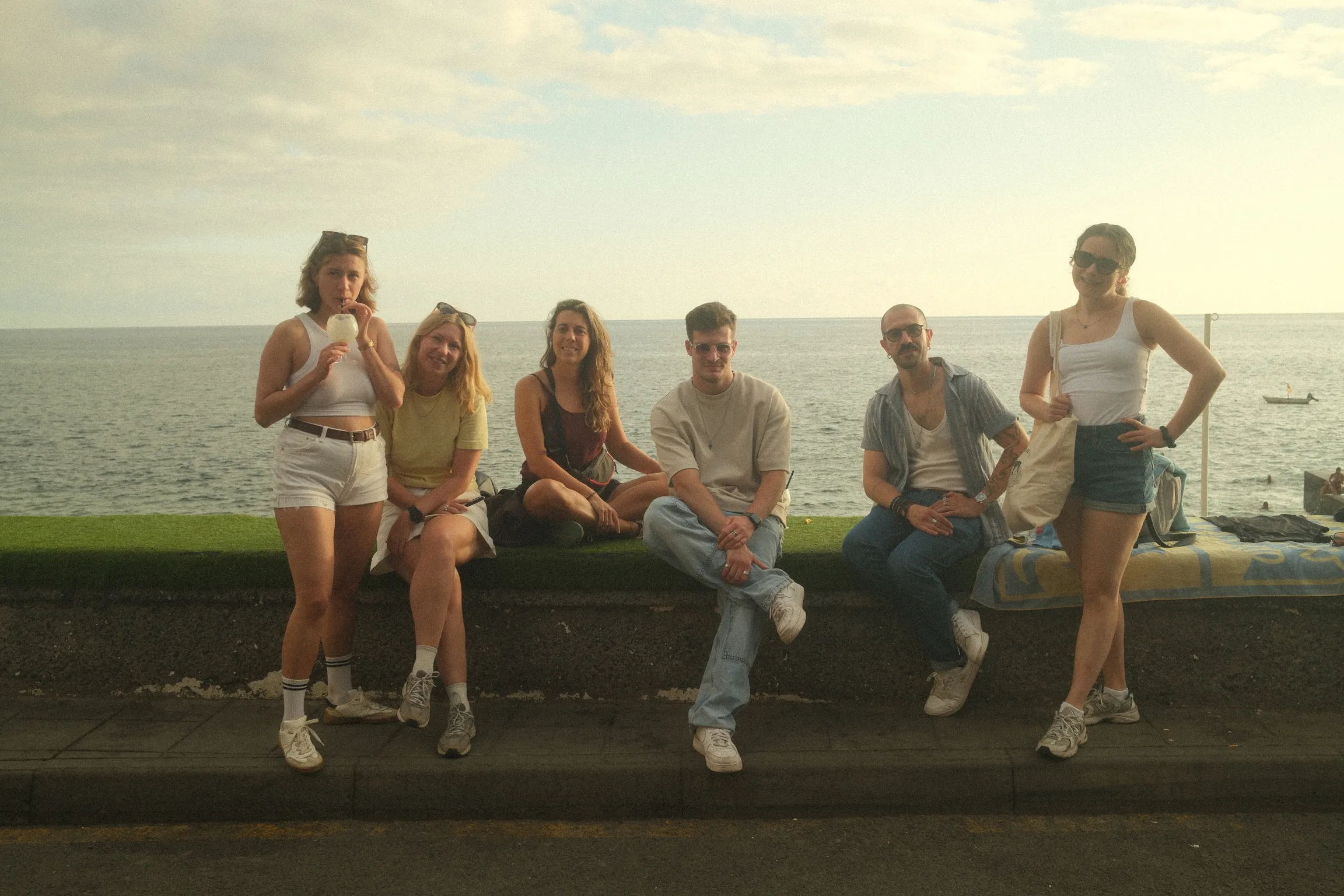
Spreading love through cooking & community.
© 2026 CasaBasilico OÜ (16850261)
All rights reserved.
Design & Branding by ahgoos.com
info@casabasilico.com