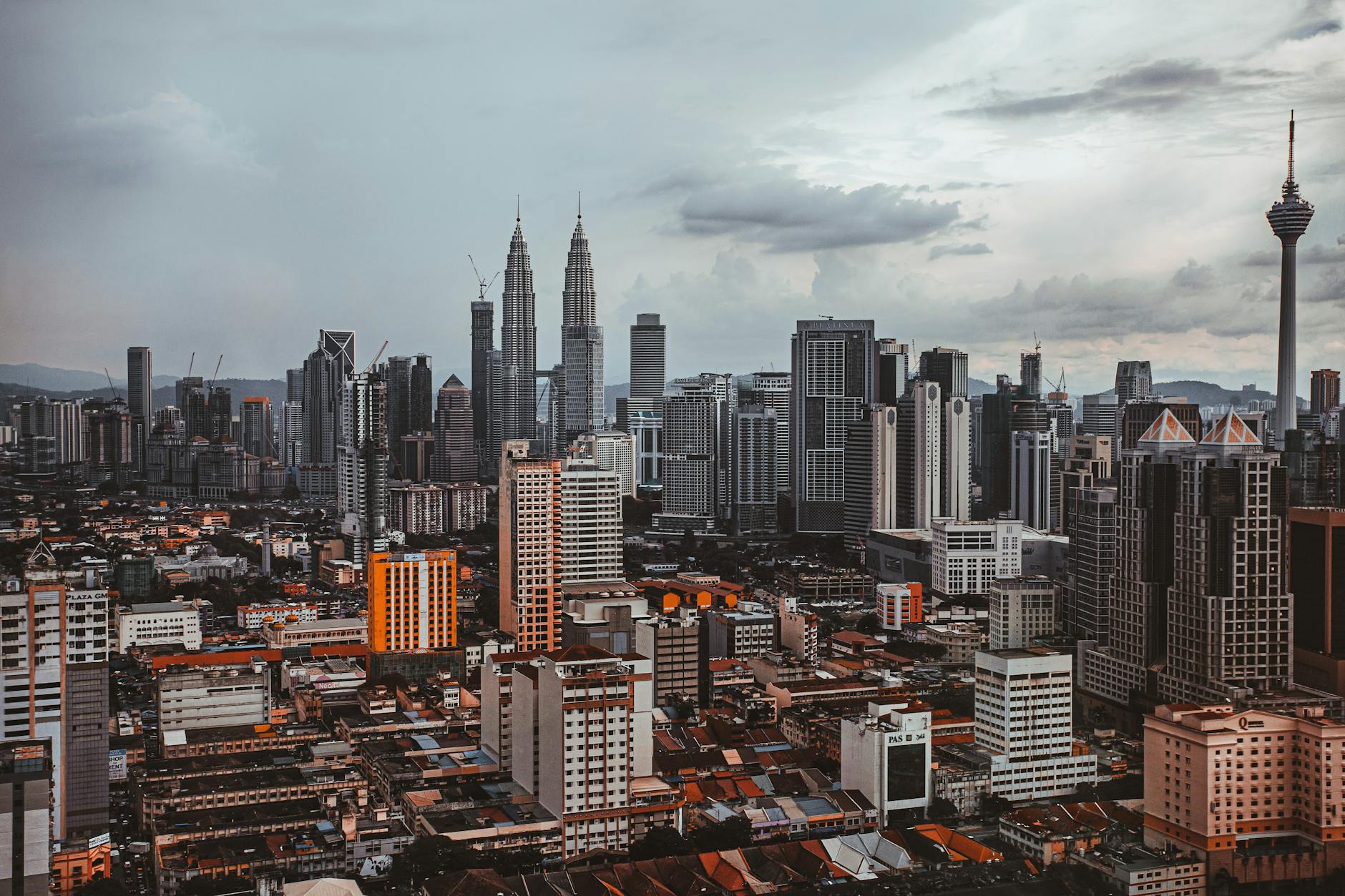
Coliving in Kuala Lumpur, Malaysia for Digital Nomads
Kuala Lumpur is one of those cities that surprises you. You land expecting a stopover and end up changing your return flight. It's a city of 1.8 million people that somehow feels manageable. A chaotic but functional grid of skyscrapers, hawker stalls, and colourful temples all crammed together. The internet is fast. Not "fast for Southeast Asia" fast. Just fast. The cost of living is laughably low for a capital city. And the food is the actual reason people stay. KL sits at a rare culinary crossroads where Malay, Chinese, and Indian cooking have been evolving side by side for generations, and the result is a hawker scene that'll ruin you for street food everywhere else. It's humid. It rains every afternoon. You will eat nasi lemak for breakfast at least three times a week. You won't complain about any of it.
Key Stats
Best Neighborhoods for Remote Workers
Bangsar is the one. It ticks everything: walkable, leafy, genuinely good coffee shops, reliable fiber in most buildings, and a wet market on Saturday mornings that'll make you emotional. Rents run higher than elsewhere in KL but are still cheap by any Western standard. If you're staying a month, this is where you want to be.
KLCC / Bukit Bintang puts you right in the middle of everything. You're walking distance to the Petronas Towers, the best malls in Southeast Asia (useful when it's 35°C outside and you need an air-conditioned place to work), and endless food options at every price point. Noisier than Bangsar, but the convenience is hard to argue with if you like feeling plugged into a city's pulse.
Mont Kiara is where the expat families settle. Quieter, more residential, disproportionate number of good brunch spots and international grocery stores. Less gritty KL, but if you need calm to focus deeply, it delivers. Coworking options are thinner here so plan ahead.
Chow Kit is the grittier option and not for everyone. Cheap, central, and sitting next to one of the best wet markets in the city. The kind of neighborhood that reminds you you're in Southeast Asia, not a sanitised version of it. Good if you want to actually feel where you are.
Coworking Spaces in Kuala Lumpur
Common Ground has multiple locations across KL (TTDI, Bangsar South, Damansara Heights) and is the go-to for visiting nomads. Day passes are easy, WiFi is solid, and the spaces have decent natural light. Not fancy, but gets the job done without drama.
Colony is the premium option — beautifully designed spaces in KL Eco City and a few other locations. Costs more but the vibe is excellent for client calls or the days when you need to feel like a functioning adult. The KL Eco City branch in particular is stunning.
WORQ (locations in TTDI and Subang) is a strong mid-tier pick with a genuinely good community feel — more Malaysian professionals than expats, which is a nice change if you've been hopping between nomad bubbles for a while.
What to Eat in Kuala Lumpur 🍜
Three culinary traditions (Malay, Chinese, Malaysian Indian) have been cooking in the same city for over a century, each one fully intact and excellent on its own terms. This is not fusion. Nothing here is "inspired by" anything.
Start with nasi lemak. This is the national dish and you should eat it for breakfast before you do anything else. Coconut rice, sambal, fried anchovies, peanuts, and a hard-boiled egg or fried chicken on top. It costs about $1.50 from a hawker stall. It's one of the best things you'll eat in your life, and you'll spend the next few weeks trying to explain it to people back home who will not understand.
Char kway teow is what happens when flat rice noodles meet wok hei (that smoky char from a screaming-hot wok), prawns, Chinese sausage, egg, and bean sprouts. You order it from the hawker who has been making only this dish for 30 years. That's the one you want.
Roti canai for when you need something at midnight. Flaky flatbread of Indian origin, cooked on a hot plate until crispy at the edges and pillowy in the middle, served with dhal and fish or chicken curry for dipping. Every mamak (Indian-Muslim restaurant) serves it 24 hours a day. Yes, 24 hours. Malaysia takes late-night eating seriously.
Bak kut teh is a Chinese pork rib broth for rainy mornings. Deep, peppery, medicinal in the best way. Go to Petaling Street (KL's Chinatown) early and find somewhere that's been open since 1980. The older the signage, the better.
For markets: Jalan Alor is the famous street food strip in Bukit Bintang — touristy but genuinely good, especially after dark when everything's sizzling and the whole street smells like char. Chow Kit Market is the real one: a wet market packed with fresh produce, dried spices, live fish, and vendors who will look at you with polite confusion when you attempt Malay. Worth every awkward second. TTDI Market on Sunday mornings is where the Bangsar crowd goes for vegetables, coconut milk, and a bowl of laksa before noon.
One more thing you must drink: teh tarik, pulled milk tea, anywhere and everywhere. It costs about $0.60, it's served at every mamak, and it is the social glue of Malaysian life. Order it hot. Drink it slowly.
Frequently Asked Questions
Is Kuala Lumpur safe for digital nomads?
Generally yes. KL is one of the safer Southeast Asian capitals to live in. The main thing to be aware of is petty theft and phone snatching in busy tourist areas like Bukit Bintang, especially at night. Keep your phone pocketed, don't flash expensive gear, and you'll be fine. The rest is pretty manageable.
What's the internet like in KL for remote work?
It's good — actually good. Most apartments in Bangsar, Mont Kiara, and KLCC hit 80–150 Mbps on fiber. Coworking spaces are reliable. The caveat is that older buildings can have weaker infrastructure, so check reviews before signing a month-long lease. Coffee shops in Bangsar generally have decent WiFi too.
Does Malaysia have a digital nomad visa?
Yes. Malaysia launched the DE Rantau Nomad Pass in 2022 — a 12-month visa specifically for remote workers earning income from abroad. It requires proof of employment or freelance income and costs around $89 USD to apply. It's one of the cleanest official nomad visa options in Asia and includes the ability to bring dependants.
Is KL good for vegetarians and vegans?
Better than most people expect. Both Indian and Chinese food cultures in Malaysia have strong vegetarian traditions. Most hawker centres have at least two or three vegetarian options, and banana leaf rice spots and Buddhist Chinese restaurants are particularly excellent. Just watch out for shrimp paste (belacan) in Malay curries — it sneaks in even when a dish looks vegetarian.
What's the best time of year to visit KL?
Honest answer: the weather is similar year-round. Tropical, hot, and humid with afternoon rain almost daily. If there's a "better" window, it's roughly June to August when rainfall is slightly lower. But KL works in any month — the hawker stalls don't close for rain, and neither should you.
Related Destinations
Where Casa Basilico nomads tend to head next: