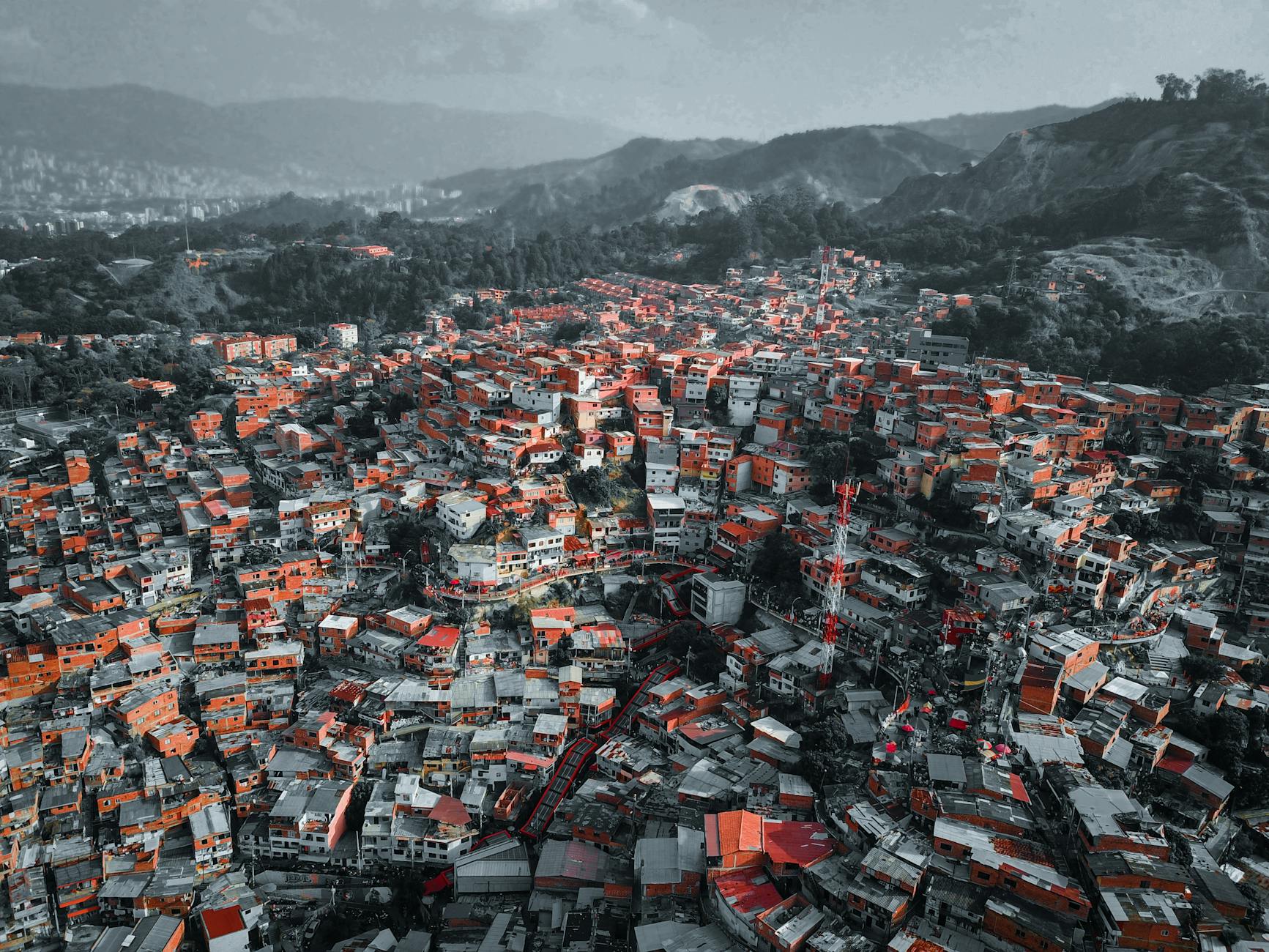
Coliving in Medellin, Colombia for Digital Nomads
Medellin has done something rare: it turned a reputation completely around. The city that once made headlines for all the wrong reasons is now one of the most talked-about digital nomad destinations in Latin America. Honestly, the hype is earned. Spring weather every single day of the year (they call it the City of Eternal Spring for a reason), fast fiber internet in the good neighborhoods, a food scene that will ruin you for airport food forever, and a cost of living that makes you feel slightly insane for ever paying rent in Berlin or London. Remote workers started trickling in around 2015. Now entire neighborhoods run on café con leche and laptop power. The community here is thick. You will not struggle to find people to work alongside, eat with, or explore with. Medellin rewards slow travel. Give it a month. You won't leave in two weeks like you planned.
Key Stats
Best Neighborhoods for Remote Workers
El Poblado is where most nomads land first, and for good reason. It's walkable, safe, packed with cafés, restaurants, and coworking spaces, and has the kind of density that makes spontaneous plans easy. The downside: it can feel like a bubble. Everyone speaks English, prices are slightly higher, and you might accidentally spend three weeks only talking to other nomads. It's a great base, just make sure you leave it sometimes.
Laureles is where you go when you want to live more like a paisa (Medellín local) and less like a tourist. The neighborhood has a low-rise residential feel, incredible local spots for breakfast and coffee, and is only a 15-minute metro ride from El Poblado. Rent is noticeably cheaper, the internet is just as good, and you get more city for your money. Recommended if you're staying more than three weeks.
Envigado sits just south of Medellin proper and feels like a small town that got quietly swallowed by a city. It's calm, local, and has a growing coffee shop scene that the guidebooks haven't fully caught up with yet. Great if you need to actually get work done without the social pull of El Poblado. Jorge Robledo neighborhood within Envigado specifically has become a favorite among longer-stay nomads.
Manila / Estadio area is worth a mention for anyone who wants to be near the metro, pay less, and eat well at local lunch spots (almuerzos) without spending much at all. Less curated than El Poblado, more real.
Coworking Spaces in Medellin, Colombia
Selina Medellin El Poblado is the safe choice for first-week-in-the-city energy. Day passes, solid wifi, events, rooftop pool, and a built-in community of nomads at various stages of their trip. Not the cheapest but the social infrastructure is there if you need it.
Atomhouse is a local favorite in El Poblado. Quieter than Selina, better for focused work, good natural light, and run by people who care about the space. Regular members tend to stick around for months.
La Maquinaria in Laureles is the pick if you're based in that neighborhood. Community-oriented, smaller, and surprisingly well-connected for freelance and startup work. Good energy without the nomad-hostel vibe.
Pergamino Café deserves a mention, though. It's not a coworking space, it's a specialty coffee shop, but the wifi is fast, the espresso is exceptional, and it functions as an unofficial office for half of El Poblado on any given Tuesday morning.
What to Eat in Medellin, Colombia 🍽️
Medellin's food scene is reason enough to stay longer than a weekend.
Start with bandeja paisa, the region's defining dish and a declaration of intent. It arrives on a platter the size of a small table: red beans, white rice, chicharrón (fried pork belly), ground beef, chorizo antiqueño, a fried egg, sweet plantain, avocado, and an arepa. It was designed to fuel farmworkers for a full day of labor. You will eat half and feel like you achieved something significant. Order it at a local fonda (traditional restaurant), not a tourist trap. Ask locals where they go for Sunday lunch — that's your answer.
Arepas in Medellin are different from the rest of Colombia. The arepa de chócolo is thick, slightly sweet, made from fresh corn, and comes with a slice of soft white cheese melting on top. Eat one warm from a street stall at 7am with tinto (black coffee, strong, small cup). Your morning is handled.
Empanadas de pipián are the snack you'll find yourself eating three of before you realize. A corn pastry filled with potato, peanut, and spices, fried until golden. One of those things that sounds simple and somehow tastes like the best thing you've eaten all week.
Mercado del Río is a food hall in the center with stalls covering everything from fresh ceviche to gourmet arepas to Korean fusion. Go for lunch on a weekday when locals fill it up, not on a Friday night when it's all cocktails and noise.
La Galería Minorista (the main central market) is where you understand how Medellin actually eats. Mountains of fresh tropical fruit you've never seen before — maracuyá, granadilla, lulo, guanábana. Buy a bag of whatever looks unfamiliar and eat it walking. The jugo natural stalls make fresh juice to order — tell them en agua (with water) or en leche (with milk) and watch them go.
Chorizo antiqueño from a street cart with a little arepa and ají sauce. This is the move at 11pm. Trust us on this one.
Coffee deserves its own paragraph. Colombia is one of the top coffee-producing countries on earth, and Medellin has a serious specialty coffee scene. Pergamino, Café Velvet, and Azahar are all excellent. Order a pour-over from a single-origin Colombian bean and you will understand why the stuff in your office kitchen was making you sad.
FAQ
Is Medellin safe for digital nomads?
Yes, in the right neighborhoods. El Poblado and Laureles have a strong expat and nomad presence and feel safe for day-to-day life. Normal city sense applies — don't flash expensive gear, use Uber or InDriver instead of hailing random taxis, and don't wander unfamiliar areas alone at night. Medellin has transformed enormously in 20 years. Thousands of nomads live there full-time with no issues.
How long can I stay in Colombia without a visa?
US and EU citizens both get 90 days on arrival. You can extend to 180 days total by visiting immigration (Migración Colombia) and applying for an extension — it's a bureaucratic afternoon but doable. After 180 days you'd need to leave and re-enter, or look into Colombia's digital nomad visa.
What's the best time of year to visit Medellin?
The entire year is spring. Highs around 22–28°C (72–82°F), cooler nights. There's a dry season (December–February, June–August) with less rain. The wet seasons aren't bad — afternoon showers that clear up quickly. There's no bad month to go.
Is the internet reliable enough for remote work?
Yes. Fiber internet is widely available across El Poblado and Laureles with speeds of 50–120 Mbps in most apartments and coworking spaces. Most cafés have solid wifi. It's a good idea to test the connection in your accommodation before committing to a month-long stay — ask the landlord or coliving host for a speed test screenshot.
What does a month in Medellin actually cost?
If you're in a coliving or shared apartment (around $400–600 USD/month), eating mostly local food and cooking some meals at home, using the metro, and having a social life — expect $1,200–1,500 USD all-in. If you're in a nicer private apartment in El Poblado, eating out a lot, and booking weekend trips — budget $1,800–2,200 USD. Either way, it's a fraction of what the same lifestyle costs in a Western European city.
Related Destinations
If Medellin is on your list, these might be too: