Coliving in Sayulita, Mexico for Digital Nomads
What is it like to live in Sayulita as a digital nomad?
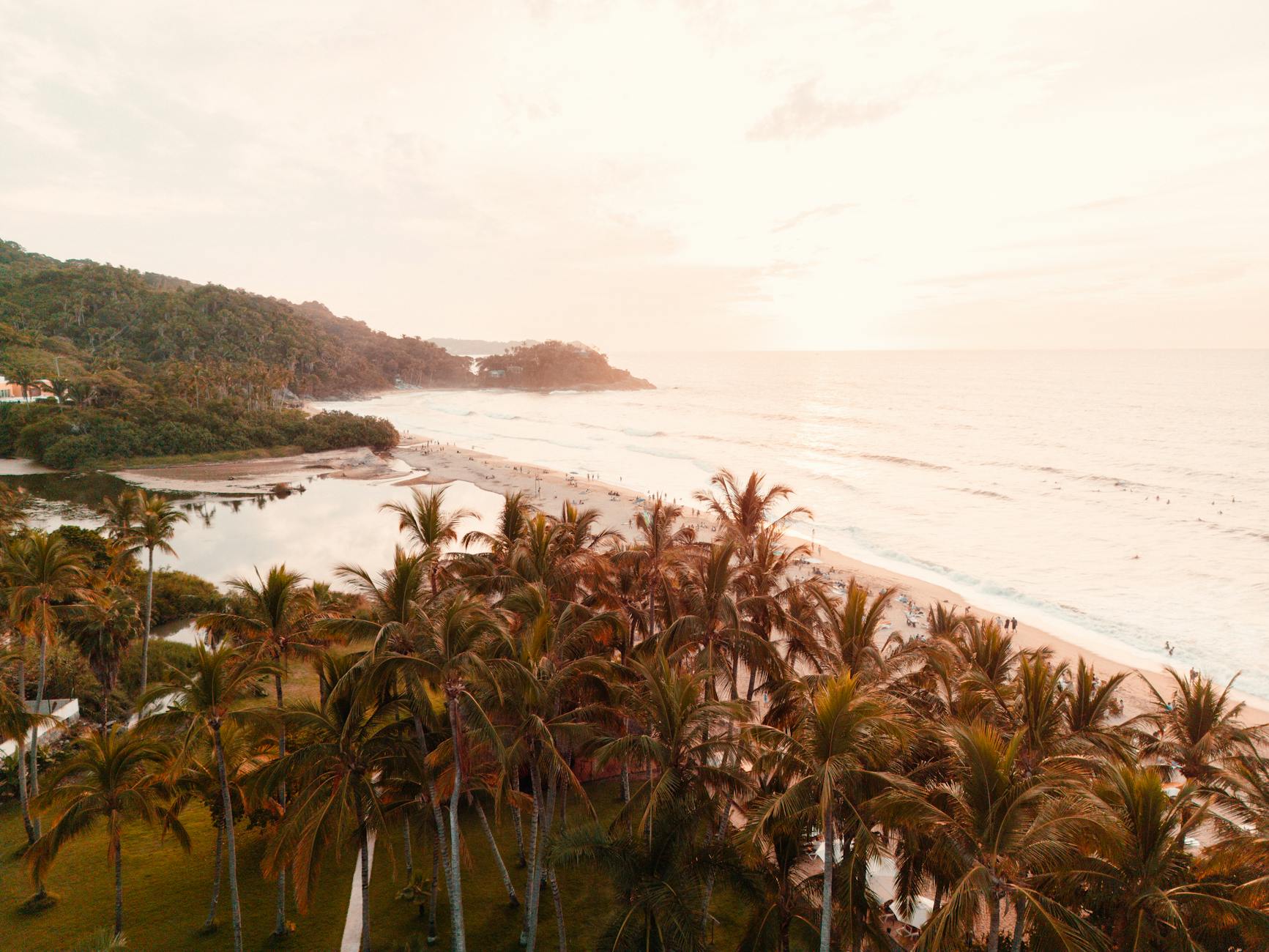
Sayulita is a small surf town on Mexico's Pacific coast, in Nayarit state, about 45 minutes north of Puerto Vallarta by car. The permanent population sits around 4,000 people, plus a revolving cast of digital nomads, surfers, and artists who all say they're staying a week and end up there for three months. Streets are colorful and cobbled, the beach is a five-minute walk from almost everything, and fish tacos at a plastic-chair stand near the water cost less than two dollars. Monthly cost of living runs $1,200 to $1,800 USD depending on how close to the beach you want your accommodation and how often you eat like a tourist versus eating like someone who lives there. Internet is functional at dedicated coworking spaces (20 to 50 Mbps) but not something you'd stake a launch day on without a backup plan. The nomad community is tight and largely self-organizing. If you're looking for a place where work stops feeling like the most important thing in your day, Sayulita makes a convincing case.
Key Stats at a Glance
| Stat | Details |
|---|---|
| Monthly cost of living | $1,200–$1,800 USD (solo nomad, incl. accommodation). Source: Numbeo + nomad community reports, 2026 |
| Average internet speed | 20–50 Mbps at coworking spaces; 10–25 Mbps at cafes |
| Timezone | CST (UTC-6) / CDT (UTC-5) summer, strong overlap with US East and West Coast working hours |
| Visa (US / CA / EU citizens) | FMM tourist card, up to 180 days on arrival. No advance application needed. |
| Best months | November to April (dry season, cool evenings, the full nomad crowd in town) |
| Safety | Generally safe tourist town. Standard precautions apply. |
Cost of Living in Sayulita
Sayulita is cheap by European standards and expensive by Mexican ones. It's a tourist town with tourist-town pricing on anything close to the beach or the plaza. That said, it's still very livable on a modest remote income if you know where to eat and where not to stay.
| Category | Solo Nomad (mid-range) |
|---|---|
| Private room in shared house | $450–650 USD |
| Studio or private rental | $800–1,200 USD |
| Coworking membership (hot desk) | $80–140 USD |
| Groceries (cooking 4-5x/week) | $150–200 USD |
| Restaurants & street food | $200–350 USD |
| Scooter rental (monthly) | $100–150 USD |
| Mobile data (local SIM, 20GB+) | $15–25 USD |
| Going out, day trips, activities | $100–200 USD |
| Total | $1,200–1,800 USD/mo |
The gap between the low and high end mostly comes down to accommodation distance from the beach and how often you eat at places aimed at tourists versus the taco stands locals actually use. Groceries from the Sunday tianguis market cost significantly less than the same items from tourist-facing shops on the main plaza. Cook a few times a week, eat tacos for lunch, and the $1,200 end is realistic. If you want a private house with a pool and dinner at every terrace restaurant, budget $2,500. Both versions of Sayulita exist and they're eating at different spots about 100 metres apart from each other.
Where to Work in Sayulita
Coworking spaces
Sayulita is not a coworking powerhouse. It's a surf town that happens to have a lot of people on MacBooks. The infrastructure exists but you need to plan ahead rather than just show up expecting a hot desk.
Cowork Sayulita is the main dedicated space in town. Private desks, decent AC, solid internet by local standards, and people who are actually there to work rather than Instagram the view. It books out fast during high season (December to March), so contact them before arriving rather than hoping for a walk-in spot.
Nomads Sayulita and various pop-up shared workspaces come and go depending on the season. Check the local Facebook groups and Nomad List for whatever's running when you land. The community is small enough that word travels fast, and someone at your accommodation will know the current situation within a day of you asking.
Laptop-friendly cafés
La Rustica on the plaza is the default choice for a morning work session. Good WiFi, enough outlets, food worth ordering. Arrive before 9am in high season if you want a table with power access. Order something real, tip well, and don't be the person nursing a single juice for five hours.
Sayulita Deli is quieter and tends to attract laptop workers rather than just breakfast tourists. Solid coffee, strong enough WiFi for most tasks, and a slightly less hectic atmosphere than the plaza-facing spots.
El Espresso is where the long-stay nomads tend to return to. Small, unpretentious, and the kind of place where you can sit for four hours without anyone making you feel guilty about it.
For anything requiring serious bandwidth (big uploads, continuous video calls, a day with an actual deadline), the coworking space is the right call. Everything else is supplementary.
Internet situation
The honest version: it works, mostly. Coworking spaces deliver 20 to 50 Mbps, which is enough for calls and most remote work. Accommodation WiFi varies widely. Café connections range from fine to frustrating depending on how many other laptops are on the same router. Get a Telcel SIM card at the airport in Puerto Vallarta as soon as you land. Coverage in the Nayarit coast area is solid and a 30-day plan with 20GB+ runs about $15 to $20 USD. Treat it as your primary backup, not a nice-to-have.
Best Areas to Stay in Sayulita
Centro
Where most nomads land first. The main plaza is walkable to every restaurant and cafe in town, the energy is good, and you feel like you're in the middle of things. It's also genuinely noisy: cobblestones carry every sound, roosters start at 6am, and locals with sound systems don't share your sleep schedule. Worth it for the first week. Gets old fast if you need to actually focus on anything.
Residential streets north of the beach
The sweet spot for most working nomads. Quieter than Centro, still fully walkable, and you get the full Sayulita experience without the perpetual street party 50 metres from your bedroom window. Accommodation is slightly cheaper here too. This is where to look if you're staying a month or longer.
San Pancho (San Francisco)
Ten minutes up the coast and a noticeably slower version of Sayulita. Smaller, fewer tourists, a strong local artist community, and better internet in some spots. If you need a proper workday and can handle a short scooter commute back to Sayulita for dinner, San Pancho is seriously underrated. The kind of place that comes up every time a group of nomads debates whether they made the right choice staying in Sayulita instead.
The hills above town
Cool breezes, views, and real peace. You'll need a scooter because walking down is easy and walking back up in 35°C heat with a laptop bag is a different conversation. A good option if you know what you're signing up for and you work better when you're removed from the action.
Visa & Logistics
US, Canadian, European, and most other passport holders enter Mexico on an FMM tourist card, issued at the border or on the plane. Valid for up to 180 days, costs nothing, and requires no advance application. When the border agent asks how long you plan to stay, be specific. Mentioning you intend to stay for a few months tends to land you closer to 180 days than 30.
Mexico does not have a dedicated digital nomad visa as of 2026. The FMM tourist card is what everyone uses. It's technically a tourist entry, but nobody is checking whether you're on a Zoom call.
When the card expires, most long-term nomads do a short border run to the US or Guatemala, re-enter, and get a fresh 180 days. This works in practice. Plan it in advance rather than panicking at day 179.
Getting to Sayulita from the airport:
Puerto Vallarta International Airport (PVR) is about 45 minutes south. Uber runs from the airport to Sayulita for roughly $25 to $35 USD and is the most straightforward option. Pre-booked private shuttles are also available at the arrivals area for similar prices. ADO buses run from Puerto Vallarta city to Sayulita if you want the $4 to $6 USD option and don't mind the extra time.
Local SIM: Get a Telcel SIM at the airport in Puerto Vallarta. It's the strongest network on the Nayarit coast. A 30-day plan with 20GB+ costs around $15 to $20 USD.
Getting around: Sayulita itself is walkable. For day trips to San Pancho, Punta de Mita, Lo de Marcos, or Puerto Vallarta, you'll want a scooter rental ($100 to $150 USD/month) or Uber from Puerto Vallarta as a base.
Things to Do in Sayulita
Surf. The main beach has a left-point break that works well for beginners and intermediate surfers. Lunazul and Sayulita Surf School both have solid reputations for lessons. If you're already competent, the better breaks are at La Lancha and Stinky's, a short scooter ride away.
Walk to Playa de los Muertos. A 20-minute walk north over the headland takes you to a quieter, cleaner beach with fewer people. Go on a weekday and bring snacks. It also happens to have a better chance of not being covered in plastic washed in from the river, which is something the main beach occasionally suffers from.
Day trip to San Pancho. Rent a scooter and ride up the coast. Smaller village, great taco stands, a beach with good waves, and an arts community that runs various events. Eat at El Cocinero and you'll spend the ride back genuinely debating whether to move there instead.
Whale watching (December to March). Humpback whales come into the bay to breed during winter months. Several boats run trips from Sayulita and nearby La Cruz de Huanacaxtle. Worth doing at least once.
Day trip to Puerto Vallarta. Forty-five minutes south and a full-scale city by comparison. Good for when you need a proper supermarket, faster and more reliable internet for a deadline day, a haircut from someone who knows what they're doing, or just the novelty of a place with traffic and a proper pharmacy. The Romantic Zone in PV has an excellent food and bar scene.
Sunday tianguis market. Show up hungry. Tamales, birria, fresh fruit, coconut water from an actual coconut, handmade goods, and enough foot traffic that you'll run into every nomad you've met in Sayulita. The social event of the week.
Yoga. Sayulita has more yoga studios per capita than most places in Mexico. InYoga and several independent studios run daily classes. The outdoor sessions near the beach at sunrise are exactly as good as the Instagram photos suggest, which is slightly annoying to admit.
Hike to the mirador. A short trail above town leads to a viewpoint with proper Pacific views. Go at golden hour. Bring water. Don't wear flip flops.
What to Eat in Sayulita 🌮
This is the section that matters.
Sayulita doesn't have Oaxaca's depth of culinary tradition, but it has something different: Pacific coast seafood and street food that you will be thinking about for years after you leave.
Fish tacos are the thing. Get them from the stands near the beach with the handwritten menus and three plastic chairs. Battered marlin or mahi-mahi, shredded cabbage, crema, a squeeze of lime, and house salsa verde. Two tacos cost about $2. Eat four. The ones you get at a restaurant with a proper menu will be fine. The ones from the stand near the beach access path will be the ones you talk about.
Aguachile is raw shrimp cured in lime juice with serrano chili, cucumber, and red onion. Punchy, cold, acidic, and exactly what you want after a morning in the heat. Every seafood restaurant does a version. Order it and judge the place accordingly. If the shrimp aren't fresh, you'll know.
Elote and esquites from the street carts: corn on the cob or in a cup, slathered in mayo, cotija cheese, chili powder, and lime. It sounds like a strange combination. It tastes like the best thing you've eaten all week. The cart near the plaza appears at around 4pm and you should never walk past it without stopping.
Birria tacos. Not traditionally a coastal thing, but Sayulita has a couple of stands doing proper slow-cooked goat or beef birria with consommé for dipping. The move is to press the taco against the rendered fat in the pan before it goes on the heat. Don't eat anywhere that skips that step.
Ceviche tostadas at the beachfront spots: chopped fresh fish or shrimp in lime, tomato, onion, and cilantro, served on a crispy tostada. Eat with a cold Pacifico. Best $4 decision of your week, repeated as necessary.
Don Pedro's is the institution. Italian and Mexican fusion on a terrace above the beach, which sounds wrong and isn't. The pasta exists, it's good, and nobody should apologize for it. The terrace is one of the best spots for a slow dinner watching the beach empty out at dusk. Not cheap by Sayulita standards, worth it once.
The Sunday tianguis market is non-negotiable. Tamales, fresh fruit, birria, coconut water, handmade tortillas, and more options than you can eat in a single morning. Go hungry and take cash.
Choco Banana for frozen treats. It's a hut, not a restaurant, and the chocolate-dipped frozen bananas cost about $1.50. You'll go back three times in a week and stop pretending it's a treat rather than a daily ritual.
Mary's is the place for a proper breakfast before a surf session or a long work morning: huevos rancheros, fresh fruit, strong coffee, and portions that will actually keep you going until the afternoon taco stand opens.
If you are a person who believes food is the main reason to go somewhere, Sayulita will not disappoint you. If you want to combine the surf town lifestyle with a destination that goes even deeper on food culture, plan a stop in Oaxaca before or after.
Weather & Best Time to Visit
Sayulita has two distinct seasons. Neither is truly bad, they're just different versions of the same place.
Dry season (November to April) is the classic window. Warm days around 25 to 30°C, cool enough evenings that you'll want a light layer after sunset, zero rain, and the full nomad community in town. January and February are peak surf months. March starts getting busy with spring break crowds from the US. December is chaotic but fun.
Rainy season (May to October) brings heat, humidity, and afternoon showers that cool everything down and usually clear within an hour. Accommodation prices drop noticeably. Crowds thin out. The waves get better for more experienced surfers. June and September are hurricane-adjacent months. If you're going during this period, build flexibility into your plans and watch the regional weather reports. The heat in July and August is real: 35°C+ with high humidity is not for everyone, particularly people from northern Europe who think "it's warm" means something different.
The sweet spot for most working nomads is November through January: excellent weather, the scene is active and social, and it's before the full spring break crowd arrives and makes the main beach feel like an airport.
Safety in Sayulita
Sayulita is safe by the standards of a tourist town in a developing country. Violent crime targeting foreigners is rare. The town is small enough that most people know each other by week two, which creates its own informal safety net.
What to actually pay attention to: don't leave your laptop on a beach towel while you go for a swim. Don't flash expensive camera equipment walking around Centro at night. Beach theft from unattended bags is the main real-world issue. If you're drinking on the beach after dark, go with people you've already met.
The broader Nayarit state is in a different situation from the parts of Mexico that generate security warnings. Sayulita and the Riviera Nayarit coast are geographically and operationally a long way from the dynamics affecting Sinaloa or Guerrero. US State Department advisories tend to cover the entire country with a single brush. Look at the specific state-level rating rather than the country-level one before making any decisions based on news coverage.
Solo female travelers regularly report feeling comfortable in Sayulita, including at night. The nomad community tends to move in groups, and there's enough social infrastructure that finding people to walk home with on a Friday night is never actually hard.
The Honest Downsides
Sayulita is not paradise and anyone selling you that version is leaving things out.
The main beach has a trash problem. After heavy rains, the river washes plastic and waste onto the sand. On a good day the beach is genuinely lovely. On a bad day it's not what you imagined when you booked. Playa de los Muertos over the headland is consistently cleaner.
It's expensive for Mexico. Tourist pricing applies everywhere near the plaza and the beach. You'll pay two to three times more for the same thing in Sayulita than in a comparable Mexican town without a surf reputation. It's still cheap by global nomad standards but don't expect Oaxaca prices.
Internet is a real constraint. Coworking spaces work. Everything else is variable and sometimes genuinely bad. If your job requires consistent high-bandwidth connectivity or you can't absorb a slow day without consequences, Sayulita is not the safest bet without a solid mobile data backup setup.
The heat from May to October is serious. 35°C+ with high humidity is the kind of weather that makes you re-evaluate every life choice. AC in your accommodation is not optional during these months. Budget for it.
High season crowds are real. December to March, the main plaza, beach access points, and any restaurant with a social media presence fill up. Sayulita is a small town with a high-season capacity problem. Your favourite spot will have a queue.
Mosquitoes. Jungle-adjacent Pacific coast town. They exist, they are effective, and forgetting your repellent once will remind you why you should never forget it. Bring DEET. Use it. This is not negotiable.
None of these are reasons not to go. They're the things that don't make it into the travel content.
Is Sayulita Right for You?
Go if: you want somewhere that doesn't feel like a city, you surf or genuinely want to learn, you work best when the main pressure of the day is catching a good sunset, and you're fine with "good enough" internet rather than fiber speeds. Sayulita works well for creative freelancers, anyone with flexible deadlines, and people who need to decompress from a heavy work period without fully switching off. Also good if you're doing a longer Mexico trip and want to split time between a beach base and somewhere with more serious infrastructure.
Probably not if: you have consistent high-bandwidth work requirements, you need a city's services and infrastructure, you're optimizing for cost-per-amenity (both Oaxaca and Medellín offer more for similar or less money), or your remote work setup needs to be genuinely reliable rather than mostly reliable. Also probably not if you hate heat with humidity, mosquitoes, or the occasional beach trash situation.
If you want to do a Casa Basilico chapter somewhere the food is taken seriously and the community is real, come join us and we'll show you what it actually looks like to build a proper working life in a place like this.
Sayulita vs. Other Nomad Hubs
| If you want… | Sayulita | Oaxaca | Santa Teresa, CR | Tulum |
|---|---|---|---|---|
| Monthly cost | $1,200–$1,800 | $1,000–$1,600 | $1,400–$2,200 | $1,800–$3,000 |
| Internet reliability | Variable | Solid | Variable | Variable |
| Surf | Good | None | Excellent | None |
| Food culture | Strong (seafood) | Exceptional | Good | Strong but pricey |
| Nomad community | Mid-size | Mid-size | Mid-size | Large but transient |
| Crowd level | High season heavy | Manageable | Busy | Very high |
Oaxaca is the obvious Mexico alternative if you want more reliable internet, cooler mountain temperatures, and one of the most serious food cultures in Latin America. Santa Teresa in Costa Rica is the closest thing to Sayulita in surf-and-laptop culture, with better infrastructure at a higher price. Tulum has the aesthetics and the nomad numbers, but costs noticeably more and trades the genuine local feeling for something that feels more curated. If you want something completely different with reliable Atlantic energy and European infrastructure, Funchal in Madeira is worth knowing about.
Frequently Asked Questions
Is Sayulita safe for solo digital nomads?
Yes, in the "it's a Mexican tourist town" sense of safe. Standard precautions apply: don't leave your laptop on a beach towel while you surf, don't flash expensive gear, use a secure lock on your accommodation. The vibe is relaxed and the community is close-knit. You'll know your neighbours within a week. Solo travelers, including solo women, regularly report feeling comfortable here.
How reliable is internet in Sayulita?
Honestly? It's fine, not great. Dedicated cowork spots hit 20 to 50 Mbps reliably. Café WiFi varies. Accommodation ranges from decent to disappointing. If your job requires daily video calls or large file uploads, test your specific setup before committing to a month-long stay. Having a Mexican Telcel SIM with a data plan as backup is highly recommended. Coverage in the area is solid.
When is the best time to go?
November to April is the classic window: good weather, dry, cool evenings, and the whole nomad crowd in town. May to October is rainy season and the humidity is intense, but accommodation is cheaper and crowds thin out dramatically. June and September are also hurricane-adjacent months. If those months happen to work for your schedule, go with flexible plans.
Can I extend my tourist visa if I want to stay longer?
The FMM tourist card gives you up to 180 days on arrival. There's no formal extension process. When it runs out, most people do a short border run to the US or Guatemala and re-enter with a fresh 180. Mexico is pretty relaxed about this in practice, but it's worth planning rather than figuring out at day 179.
Is Sayulita good for vegetarians and vegans?
Yes. Mexican coastal food culture has plenty of options: veggie tacos, fresh fruit, legume-heavy dishes, and most restaurants cater well to non-meat eaters. The Sunday tianguis market is a vegetarian paradise. Vegan options have expanded fast as the nomad crowd has pushed demand over the last few years.
Is Sayulita better as a short stop or a full month base?
Depends what you need. A week gives you the highlights. A month gives you the surf progression, the community, the favourite taco stand you'd defend in an argument, and the realisation that slow travel is only slow compared to rushing. Most people who stay a month say they wished they'd stayed longer. Most people who stay three months stop saying they're "just passing through."
Related Destinations
If Sayulita is your kind of place, you'll probably like these too: