Coliving in Tokyo, Japan for Digital Nomads
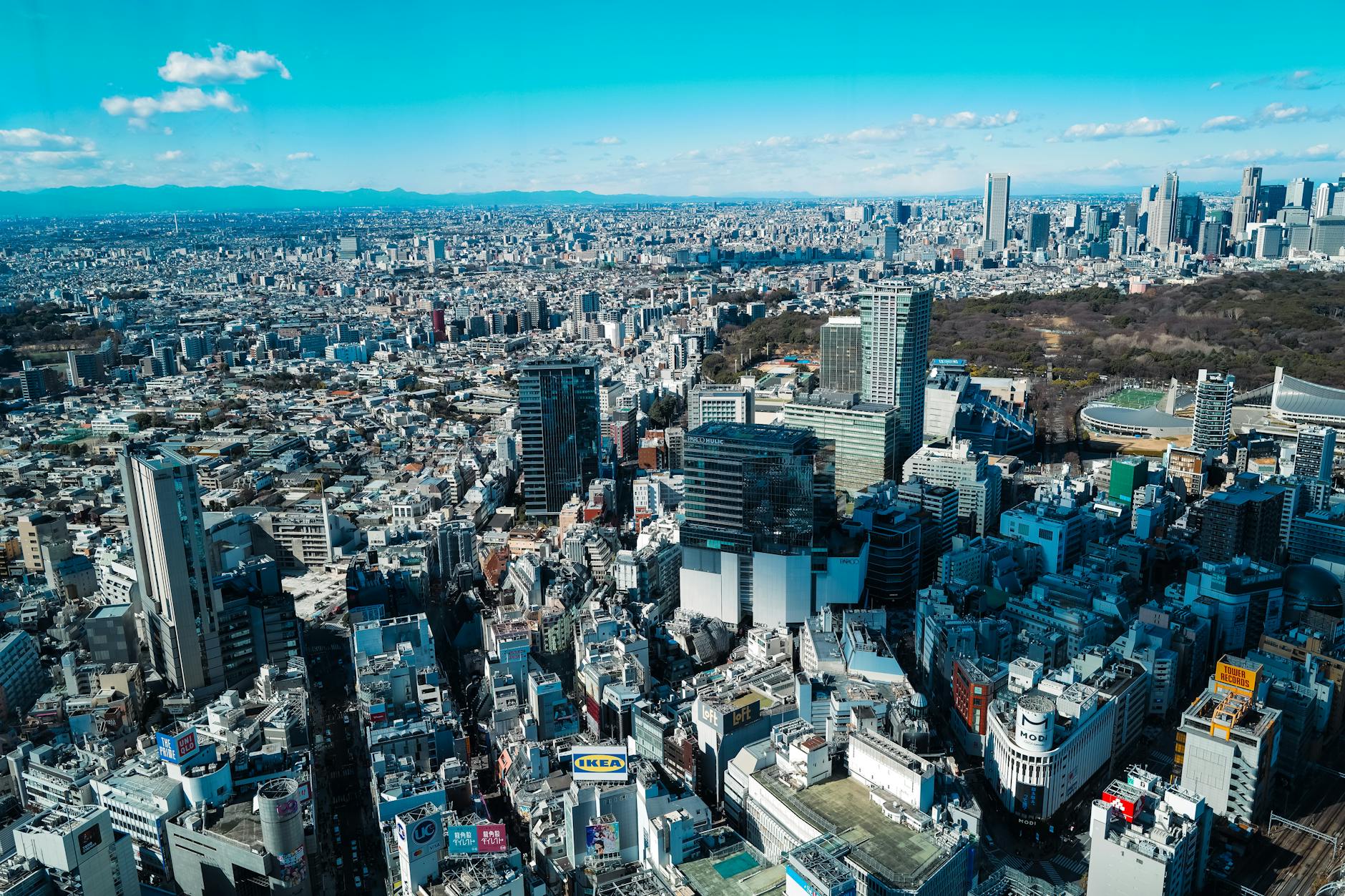
Tokyo doesn't ease you in gently. It hands you a subway map with 13 colour-coded lines, a bowl of ramen that makes you question every ramen you've eaten before, and an efficiency so total it feels slightly unreal. Japan's capital sits on the Pacific coast of Honshu island, running on JST (UTC+9). You're ahead of Europe, and working US hours is brutal but possible. For digital nomads, Tokyo is a revelation: fast internet everywhere, obsessive attention to quality in every price bracket, and a city that rewards the curious. Monthly costs land between $2,500 and $4,000 USD for most nomads, covering a private room, transport, food, and coworking. More than Bangkok, less than London. Internet is outstanding; Japan ranks among the top five countries globally for broadband speed. Visas are simple for most Western passport holders: 90 days, no paperwork, no fees. Tokyo is consistently ranked among the two or three safest megacities on the planet. That's not marketing. It's just true.
Key Stats
Best Neighborhoods for Remote Workers
Shimokitazawa is where you end up when you stop trying to look cool. A tangle of narrow streets south of Shinjuku, it's full of vintage clothing shops, tiny live music venues, and coffee shops that take their espresso as seriously as a PhD thesis. Rent is cheaper than central Tokyo by a meaningful margin, the vibe is creative without being try-hard, and you can walk everywhere. This is the neighbourhood that makes you want to extend your visa.
Nakameguro / Daikanyama runs along the Meguro River, and in spring the cherry blossoms turn the canal into something out of a Miyazaki film. The coffee scene here is exceptional. Onibus Coffee has one of the best espresso bars in Asia. Daikanyama's Tsutaya Books is the kind of bookshop that makes you want to write something. It's slightly pricier than Shimokitazawa but still manageable, and the pace is slower than central Tokyo.
Shinjuku is chaos with excellent infrastructure. The transit hub connecting everything, surrounded by coworking spaces, 24-hour facilities, and enough restaurants to eat somewhere new every day for six months. Not the most relaxing place to base yourself long-term, but if you need to be everywhere, you're central to everywhere. The west side is corporate and glass; the east side is izakayas under railway arches and a memory you'll keep.
Yanaka is the old city that Tokyo kept. Low-rise, quiet, shotengai (covered shopping streets) with fishmongers and tofu shops and elderly residents who've been there since before you were born. No coworking spaces, but some of the best cafes for deep-focus work. Choose this if you want Tokyo to feel like a village with a world-class subway system.
Coworking Spaces in Tokyo
WeWork has multiple Tokyo locations (Marunouchi, Roppongi Hills, Ginza), all in excellent transit positions. The usual WeWork formula: hot desks, fast Wi-Fi, free coffee, and enough natural light to avoid seasonal depression. Day passes and monthly memberships both available.
BasisPoint is the choice for budget-conscious nomads who still want a proper desk. Several branches across the city (Ginza, Shibuya, Akihabara), day passes around ¥1,500–¥2,000, reliable internet, and a distinctly local crowd of freelancers and startup people. Not Instagram-worthy, but functional.
co-ba Shibuya is Tokyu Land's creative co-working space, design-forward and popular with Tokyo's creative and startup community. Well-positioned in Shibuya, membership-based but with day options. The community events are worth showing up for.
What to Eat in Tokyo 🍜
Right. This is the real reason to go.
Tokyo has more Michelin stars than any city on earth. The best meal you'll eat might cost ¥800 at a counter with six seats, run by a guy who has made the same tonkotsu broth for 30 years and has no interest in your Instagram.
Ramen first. Ichiran in Nakameguro has individual booths so you can eat in complete solitude, which sounds antisocial until you're slurping rich tonkotsu at 11pm and realize it's the most peaceful you've felt all week. For tsukemen (dipping-style ramen), Fuunji in Shinjuku is worth the queue. Just queue.
The konbini (convenience store) deserves its own paragraph. 7-Eleven, FamilyMart, Lawson. Tokyo's convenience stores are a food category unto themselves. The egg salad sandwiches, the onigiri, the nikuman steamed buns in winter, the oden simmering behind the counter. You will eat better here at 2am than at most European restaurants at 8pm.
Yakitori under the tracks. The alley beneath Yurakucho station is the place: charcoal smoke drifting out over tiny izakayas, skewers of chicken heart and thigh and neck rotating over coals, cold Sapporo in a frosted glass. This is Tokyo's soul on a stick.
Depachika (the basement food halls of department stores) will break your brain. Isetan in Shinjuku, Takashimaya in Nihonbashi: entire floors of pristine wagashi confectionery, mochi, bento boxes, fresh soba, artisan cheeses, pastries from one-location bakeries that have 45-minute waits. Budget two hours and no willpower.
Tsukiji outer market still operates even after the fish auction moved to Toyosu. Arrive by 8am for grilled scallops, tamagoyaki straight off the pan, and sashimi on plastic trays perched on a crate. It's crowded, it's chaotic, and the quality is embarrassing in the best way.
For a proper sit-down experience: tonkatsu at Maisen in Omotesando (their pork cutlets are cut from a different pig universe than whatever you've had before), soba at any tiny specialist noodle shop you find with a handwritten menu, and at least one kaiseki meal if you can stretch the budget. It's multi-course Japanese cuisine done with the kind of precision that makes you understand why Japanese food culture exists.
Don't skip the specialty coffee either. Tokyo's third-wave scene is world-class. Onibus in Nakameguro, Fuglen in Tomigaya (a Norwegian-Japanese collaboration that somehow works perfectly), and Bear Pond in Shimokitazawa on the days it's open.
FAQ
Is Tokyo actually expensive for digital nomads?
More than Southeast Asia, less than you'd expect for a city of that caliber. If you're staying in shared coliving accommodation and cooking occasionally, $2,500/month is achievable. If you want your own apartment and eat out every night (very tempting), budget $3,500+. The cost feels fair because the quality-to-price ratio across the board is exceptional.
Do I need to speak Japanese to live in Tokyo?
No. Most signage in transit is bilingual. Google Translate's camera mode handles menus. English is widely spoken in hospitality, coworking spaces, and tourist-adjacent areas. Outside those contexts, a few basic Japanese phrases (arigatou gozaimasu, sumimasen) go a long way in goodwill.
What's the best way to get a SIM card or stay connected?
Grab a pocket Wi-Fi at the airport (Ninja WiFi or Global WiFi are popular options), or pick up a SIM on arrival. IIJmio and Rakuten Mobile offer good data plans. Almost everywhere in Tokyo has free Wi-Fi these days, but having your own connection makes everything smoother.
Can I stay longer than 90 days?
Standard tourist entry is 90 days, non-extendable in most cases. Japan doesn't have a formal digital nomad visa yet, though there have been policy discussions. Many nomads do a visa run to Korea or Taiwan to reset their 90 days. Check the current rules before you commit to a longer stint.
When is the best time to visit Tokyo for remote workers?
Spring (late March to early May) for cherry blossoms, worth the hype. Autumn (October to November) for foliage and perfect temperatures. Summer is hot and humid in a way that makes walking between coworking spaces an adventure. Winter is cold but crisp, and the city is quieter than you'd expect for 14 million people.