Coliving in Mexico City, Mexico for Digital Nomads
What is it like to live in Mexico City as a digital nomad?
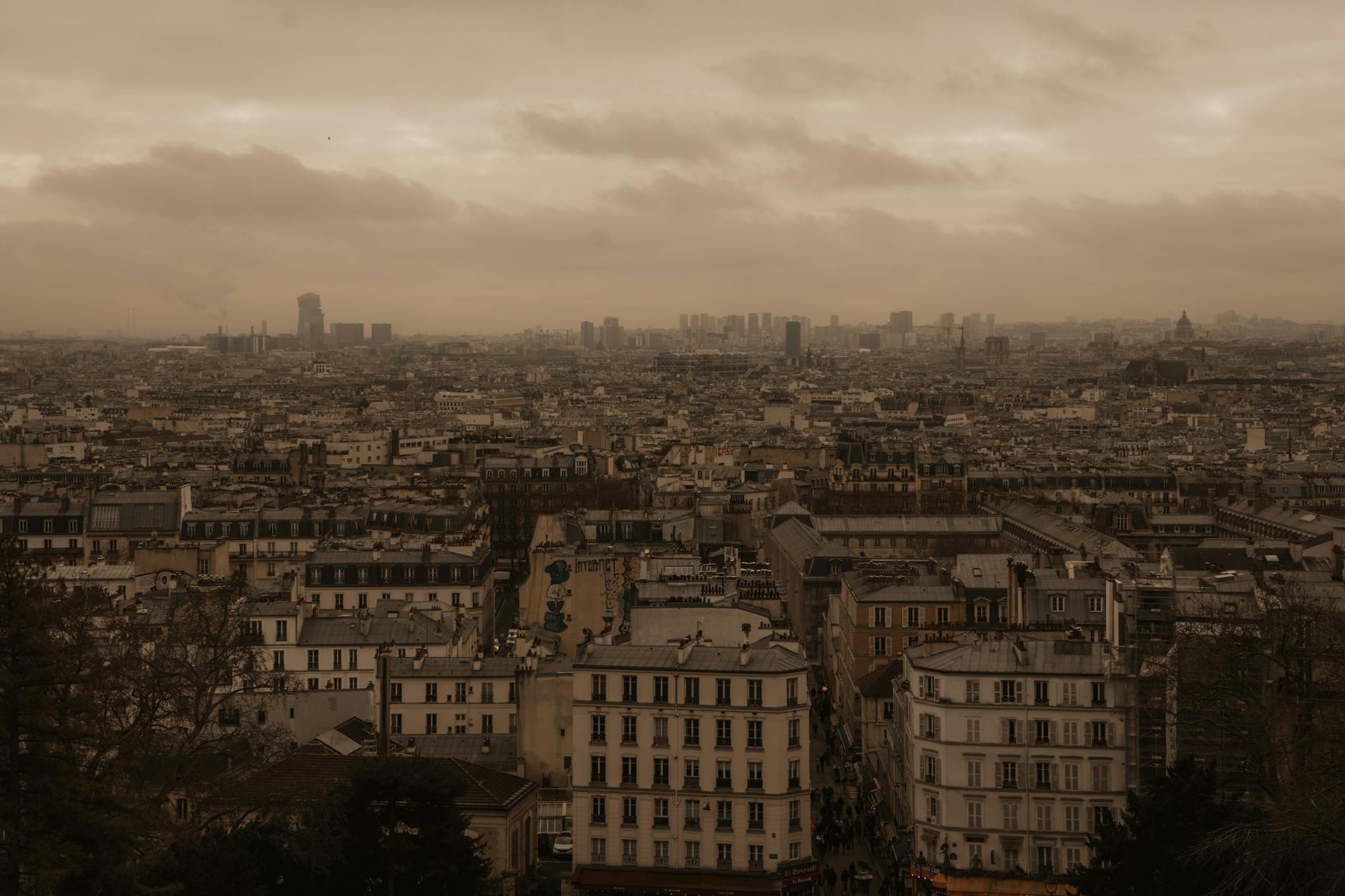
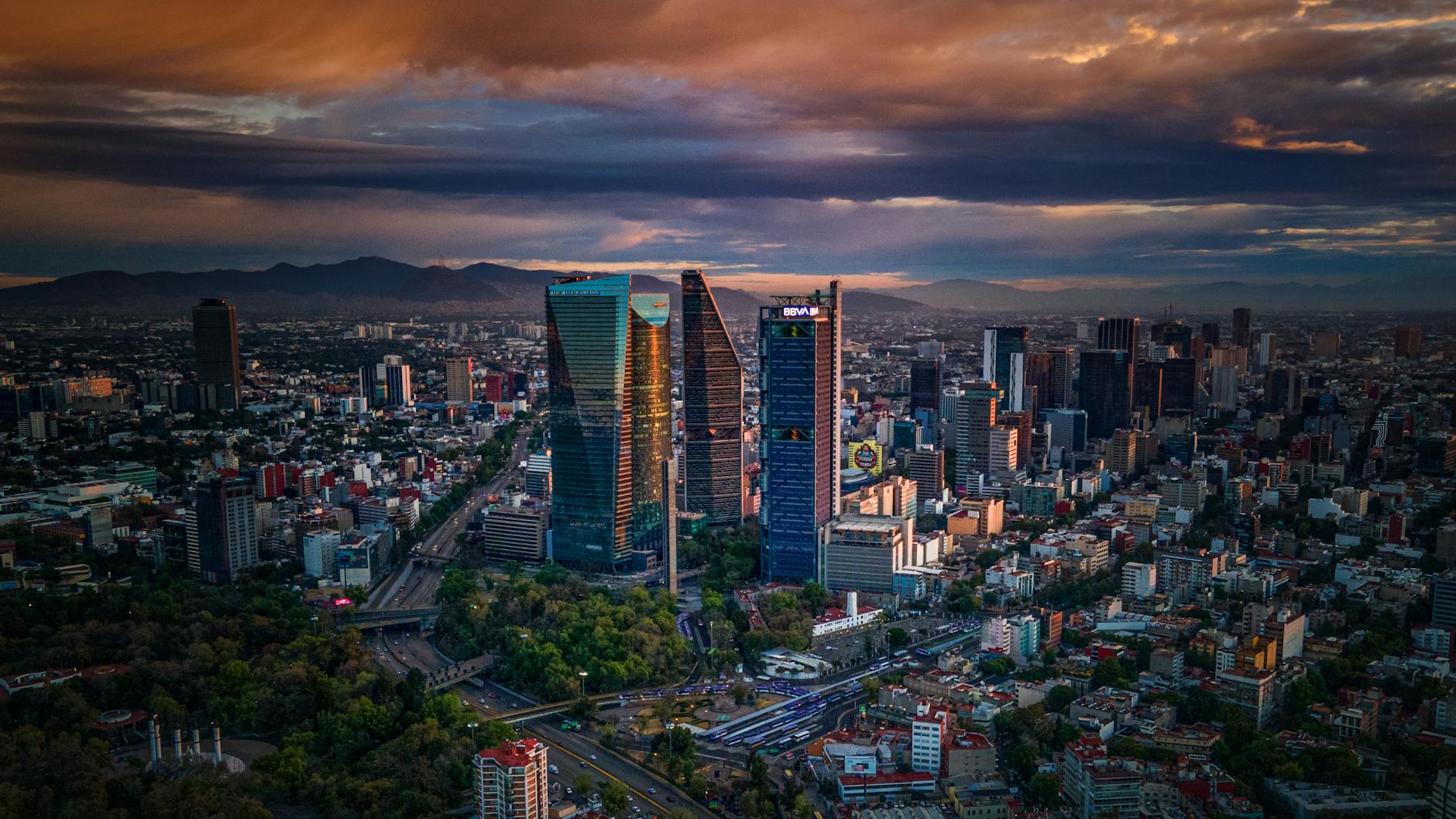
Mexico City is one of those destinations that absolutely destroys your assumptions, then keeps you so well-fed you forget you had any. It's a megalopolis of 22 million people that feels neighborhood-sized once you're inside it. For digital nomads, CDMX offers an unusually strong combination: fast fiber in central barrios, a deep coworking culture, one of the most extraordinary food scenes on the planet, and a cost of living that punches well below its world-city weight. A comfortable month runs $1,200–$1,800 USD including accommodation, food, and transport, for a city with a Michelin-starred restaurant scene and a taco cart on every corner that would beat most of them. The altitude is 2,240 metres above sea level. Your first week may feel slightly winded. Your first taco al pastor will fix it. Timezone is Central Time (UTC-6), which is solid for US clients and manageable for Europe with early-morning calls.
Key Stats at a Glance
Cost estimates: Numbeo Cost of Living Index, 2025. Safety data: INEGI national crime statistics and NomadList community reports.
| Stat | Details |
|---|
| Monthly cost of living | $1,200–1,800 USD/month (solo nomad, incl. accommodation). Source: Numbeo, 2026 |
|---|
| Average internet speed | 50–150 Mbps (fiber widely available in Roma, Condesa, Polanco) |
|---|
| Timezone | CST (UTC-6) / CDT (UTC-5) summer. Strong US overlap, manageable for Europe mornings. |
|---|
| Visa | 180-day tourist permit on arrival for US, EU, UK, Canada, and most nationalities |
|---|
| Best months | November–May (dry season); March–May for jacaranda season |
|---|
| Safety | Genuinely safe in Roma, Condesa, Polanco, Coyoacán. Standard city sense at night. |
|---|
| Altitude | 2,240 metres above sea level. Budget 2–3 days to acclimatize. |
|---|
Cost of Living in Mexico City
The honest version: Mexico City is one of the best-value world cities on the planet right now. You're living in a 22-million-person capital with a dining scene that makes European cities look at their shoes, and paying less for it than you'd spend renting a studio in Lisbon.
| Category | Solo Nomad (mid-range) |
|---|
| Private room in shared flat | $500–700 USD |
|---|
| Studio in Roma/Condesa | $900–1,300 USD |
|---|
| Coworking membership (hot desk) | $80–150 USD |
|---|
| Groceries (cooking 4–5x/week) | $150–200 USD |
|---|
| Restaurants & cafés | $200–350 USD |
|---|
| Uber/metro transport | $50–100 USD |
|---|
| Mobile data (local SIM, 20GB+) | $10–15 USD |
|---|
| Going out, weekends, day trips | $100–250 USD |
|---|
| Total | $1,200–1,800 USD/mo |
|---|
The numbers that actually surprise people: a proper sit-down lunch at a neighborhood spot runs $3–6 USD. Tacos at a good street stand average $0.50–$1 each. Uber across the city rarely costs more than $5. The metro covers almost everywhere for about $0.25 per journey. The expensive variables are short-term Airbnb accommodation (which inflates fast in Roma) and anything imported. Cook a few times a week, use the metro, come in under $1,400 without trying. Book a private studio in Roma Norte and eat out every dinner, spend $2,000+. Both versions of this city are still a deal.
Where to Work in Mexico City
Coworking spaces
Homework is the most loved coworking brand in CDMX for nomads. Multiple locations across Roma and Condesa, beautiful design, actual community programming (mixers, workshops, the occasional dinner) and the kind of energy that makes you productive without feeling like a WeWork ad. Day passes work fine; monthly memberships bring their own crowd.
IOS Offices is one of Mexico's largest coworking networks, with several locations including Polanco and Santa Fe. Fast connections, professional setup, meeting rooms that actually work. Better for days when you need to look serious on camera than for long creative sessions where you want background noise and a decent flat white.
Almaspace in Roma Norte runs smaller and more intimate than the big chains. It draws designers, writers, and founders rather than remote employees filling headcount quota. The vibe is collaborative without being forced about it. People actually talk to each other. Worth knowing about.
Laptop-friendly cafés
Mexico City has one of the strongest laptop-friendly café cultures outside Southeast Asia. Blend Station (multiple locations), Dosis, and Toma Café in Roma are all valid all-day options with power, good WiFi, and coffee that makes you forget you had a deadline at 3pm.
Quentin in Roma Norte draws the same freelancer-and-creative crowd with solid WiFi and genuinely good specialty coffee. Café Ruta de la Seda near Álvaro Obregón is quieter, with food decent enough to count as lunch without breaking the working flow.
Internet situation
In Roma, Condesa, and Polanco you're looking at 50–100 Mbps fiber at most apartments and cafés. Dedicated coworking spaces go higher. The main variable is your accommodation. Some short-term rentals run on older connections, so verify speeds before booking anything. Telcel and AT&T Mexico both offer strong 4G/5G coverage city-wide for backup when you need to jump on a call from somewhere unexpected.
Best Areas to Stay in Mexico City
Roma Norte
The default landing zone for good reason. Leafy streets, beautiful art nouveau architecture, a café every 40 metres, and a food scene concentrated enough that you could eat somewhere different every day for months without running out. It's the most nomad-saturated neighborhood in the city, which means coworking energy in every coffee shop and a ready-made social life if you want one. Not the cheapest part of town, but the walkability alone earns its price.
Condesa
Sits right next to Roma Norte and bleeds into it without you really noticing. More residential, slightly quieter, dog walkers and Sunday cyclists and neighborhood cantinas that have been open since before your parents were born. If Roma feels like a party that got out of hand, Condesa is the apartment next door: still alive, but you can actually hear yourself think.
Polanco
Where you go when you need serious infrastructure. Upscale, business-forward, blazing fast internet at every café and hotel lobby. Less character than Roma but maximum reliability. Good if most of your day is video calls with clients who expect a professional background and you can't afford a single dropout.
Coyoacán
For people who want to feel like they actually live in Mexico City rather than an international nomad enclave. Cobblestones, Frida Kahlo's house, weekend markets, and a neighborhood that operates entirely on its own unhurried schedule. Thirty minutes from Roma in light traffic (forty-five in heavy). Worth it if you work async hours and don't need to be in the centre every single day.
Juárez
The underrated option. A short walk from Roma and Reforma, Juárez sits in the middle of everything without carrying the tourist premium. Good nightlife, excellent taco spots, cheaper short-term rents, and a quieter daytime energy than Roma. If you want central with a bit of breathing room, this is your neighborhood.
Visa & Logistics
Good news: most people need to do basically nothing to get into Mexico City.
Most nationalities (US, EU, UK, Canada, Australia, and many more) enter Mexico on a tourist permit (Forma Migratoria Multiple, or FMM) valid for up to 180 days. It's issued automatically on arrival at the airport, no pre-arranged visa needed. 180 days is a very long time. Most nomads are sorted.
If you want longer: Mexico doesn't have a digital nomad visa in the traditional sense, but it does have a Temporary Resident Visa that can be arranged at a Mexican consulate before you fly. It requires proof of consistent income (around $2,600 USD/month for 2026) and takes a few weeks to process. For a single chapter, the tourist permit covers you easily.
SIM cards: Pick up a Telcel SIM at the airport or any OXXO convenience store. Telcel has the best coverage in Mexico. A 30-day plan with 20GB+ runs about $10–15 USD. AT&T Mexico is the solid second option.
From the airport: Mexico City has two airports. The old one, AICM (Benito Juárez International), sits about 20 minutes from Roma by metro or Uber and handles most international flights. The newer one, NAICM (Felipe Ángeles International), is 45–60 minutes northeast and mostly used by domestic and budget carriers. From AICM, take metro Line 5 or grab an Uber from the fixed-price booths inside arrivals ($15–25 depending on destination). Do not take unmarked taxis from the airport. This is a real rule, not a guideline.
Things to Do in Mexico City
The problem with Mexico City's to-do list is that it's too long. Here's the short version of what's actually worth your weekends:
- Museo Nacional de Antropología. The most important museum in the Americas. Takes half a day minimum. The Aztec calendar stone alone is worth the trip. Go on a Tuesday when it's free.
- Museo Frida Kahlo (La Casa Azul). Coyoacán. The blue house where she lived and died. Book tickets in advance. They sell out.
- Palacio de Bellas Artes. The marble opera house in Centro Histórico. Walk through the murals even if you're not seeing a show. Diego Rivera painted the walls.
- Xochimilco. The canals south of the city where you rent a trajinera (flat-bottomed boat), pack food and drinks, and float around on what remains of the Aztec lake system. Go on a Sunday with a group.
- Teotihuacán. The ancient pyramids one hour north by bus. Go early, before the tour groups. Climb the Pyramid of the Sun while you still feel guilty about the altitude. Do not buy the obsidian souvenirs at the base.
- Lucha libre at Arena México. Friday nights. Wrestlers in masks performing athletic theater. Loud, chaotic, and one of the most fun evenings in the city.
- Parque México in Condesa. The oval park where the whole neighborhood ends up on Sunday mornings. Coffee from a cart, dogs everywhere, and the correct way to ease into a Sunday.
If you want to do any of this with people who already know which taco stand is worth the queue, join us for a chapter and we'll sort the rest.
What to Eat in Mexico City 🌮
Mexico City is one of the greatest food cities on earth. Top-tier, legitimately world-class, rearranges-your-priorities good. Spend a month here eating seriously and you will find other cities disappointing for years. Consider this your warning.
Tacos al pastor are the backbone of the city's street food religion, and no other city in Mexico does them quite right. A vertical spit (trompo) loaded with marinated pork, slow-roasting all day with a pineapple mounted on top, shaved to order into small corn tortillas and dressed with diced onion, cilantro, salsa verde, and a piece of pineapple swiped at the last second. El Huequito in Centro Histórico has been doing this since 1959. The correct way to eat them: standing at the trompo, three or four at a time, no phone out.
Chilaquiles are the only correct breakfast food and Mexico City does them better than anywhere. Fried tortilla chips simmered in salsa (red or green, this is a deeply personal choice), topped with crema, cheese, onion, and an egg if you're sensible about it. Every neighborhood has a spot, every household has a version, and everyone else is wrong except the person making them in front of you right now. Casa Virginia in Roma serves a version that will wreck your morning productivity in the best possible way.
Chiles en nogada are available August through September and are as close to edible art as food gets. A poblano chile stuffed with a picadillo of meat, fruit, and spices, covered in walnut cream sauce, scattered with pomegranate seeds and parsley. Green, white, red: the Mexican flag on a plate, for entirely defensible reasons. It's a dish that takes days to make properly. Book a table at somewhere that takes it seriously. Eat it slowly.
Tlacoyos are masa ovals stuffed with beans, fava, or cheese, pressed thick and cooked on a comal. Found from market women at Mercado de Medellín or outside metro stations at 7am. They are not glamorous. They cost almost nothing. They are one of the best things you will eat in the city, and most tourists never find them.
Mercado de San Juan in Centro is the gourmet market locals actually use. Imported cheeses, exceptional ceviche, Japanese ingredients, Spanish jamón, a wine corner that exceeds expectations. The oyster stall running along the back shucks them fresh with mignonette. Go on a weekday morning before it fills up. Budget more time than you think.
La Merced is the real market: enormous, chaotic, overwhelming, feeding half the city from seventeen buildings of fruit, dried chiles, spices, herbs, and street food stalls that have no business being that good. Not a tourist destination. Go with someone who's been before, go with no agenda, eat everything that gets handed to you.
Street food general principle: if there's a queue of office workers in front of a cart at 1pm, that is your dinner reservation. Esquites (warm corn kernels with mayo, cheese, chili, and lime in a cup) and elotes (same, on the cob) are available everywhere and are the city's best snack. Eat them while walking. You are in Mexico City. That is what you do here.
Weather & Best Time to Visit
Mexico City sits at 2,240 metres in a high-altitude valley, which means it doesn't follow the coastal weather logic most people expect. The temperature is mild year-round but the seasons are still real.
Spring (March–May): The best version. Dry, warm days in the 20–25°C range, clear sky, and the jacaranda trees in bloom across Roma and Condesa, which is genuinely one of the prettiest urban spectacles anywhere. This is peak season for good reason. Pack a light jacket for evenings.
Rainy season (June–September): Temperatures stay comfortable (17–22°C) but intense afternoon storms roll in most days around 3–5pm. They clear fast. The city stays green. Street food season hits full swing. Bring a light rain jacket and plan outdoor activities for mornings.
Autumn (October–November): The city returns to itself after the rains. Crisp air, clear skies, and Día de los Muertos in late October through early November, one of the most extraordinary festivals you'll ever see. If you can time a month here for October, do it.
Winter (December–February): Cool and dry, evenings drop to 8–12°C. Christmas food culture takes over the streets: tamales everywhere, ponche at every market. Fewer tourists. Restaurants you wanted to book in spring suddenly have tables.
One week to avoid: Semana Santa (Easter week). The city empties while half the country heads to the beach, and the restaurants you had bookmarked close for a week.
Safety in Mexico City
In Roma Norte, Condesa, Polanco, Coyoacán, and Juárez: yes, genuinely safe. These are well-lit, busy neighborhoods where you'll feel as comfortable as most major European cities. Centro Histórico is fine during the day, more unpredictable after dark. Use Uber at night, don't walk with your phone out, apply regular city sense. Mexico City's aggregate crime statistics look alarming; the reality for nomads in central neighborhoods is consistently better than the numbers suggest.
A few real rules:
- Use Uber or Didi rather than hailing unmarked street taxis at night. The app-based services have the driver's details on record.
- Keep headphones at reasonable volume when walking near metro stations after dark.
- Check recent NomadList community reports and talk to people who've actually lived there, rather than relying on travel advisories written for first-time tourists.
Solo female travelers report the central neighborhoods as very manageable, with the usual nightlife caveats. The nomad community in Roma and Condesa is dense enough that you'll find groups doing things most evenings, which makes arriving alone significantly easier than it sounds.
The Honest Downsides
Mexico City is not perfect and anyone selling you that is selling you something.
- The altitude is real for the first few days. 2,240 metres means mild headaches, fatigue, or shortness of breath for some people. It passes. But if you arrive with a 10-hour deadline, schedule it for day three, not day one.
- Traffic and air quality. CDMX traffic grinds to a halt by 8am and the ring road (Periférico) becomes a parking lot. Air quality on bad days in spring, before the rains, is genuinely unpleasant. Check the AQI app before planning outdoor activities.
- Short-term rental quality varies wildly. Roma and Condesa listings look beautiful in photos but internet speeds, hot water reliability, and soundproofing can disappoint. Always verify internet speeds before booking. Always.
- The city is enormous. 22 million people means some things are far. Day trips that look 45 minutes on Google Maps take two hours in Friday traffic. Plan accordingly, and never book anything that requires cross-city travel on a Friday afternoon.
- Street noise. Most central neighborhoods have noise: trucks, music, church bells, the gas truck playing its jingle at 7am. You adapt. But if you're a light sleeper, specifically ask for a back-of-building apartment.
- Altitude plus alcohol equals faster than expected. Your tolerance drops noticeably at 2,240 metres, especially the first week. The mezcal will feel stronger than usual. This is not entirely a downside, but it's information you should have before the second glass.
Is Mexico City Right for You?
Great fit if: you want a world-class food city at an accessible price point, you're working US time zones, you value neighborhood life over resort aesthetics, and you're happy to earn your city knowledge by walking around and getting confused for a few days. You will be rewarded handsomely.
Probably not if: you need pristine nature right outside your door, you have serious altitude sensitivity, your work requires ultra-reliable internet with zero variance (book a dedicated coworking space and don't rely on apartment WiFi), or you want a smaller scene where everyone knows your name by day two.
If CDMX feels like too much city but Mexico is calling, Oaxaca is the antidote. Same incredible food culture, a fraction of the size, and a pace that makes everything feel manageable.
Mexico City vs. Other Nomad Hubs
| If you want… | Mexico City | Oaxaca | Lisbon | Bangkok |
|---|
| Monthly cost | $1,200–1,800 | $800–1,300 | €1,500–2,200 | $900–1,500 |
|---|
| Food scene | World-class | Outstanding | Excellent | Outstanding |
|---|
| Nomad community | Very large | Mid | Very large | Very large |
|---|
| City scale | Massive | Small | Mid | Large |
|---|
| Altitude | 2,240m | 1,550m | Sea level | Sea level |
|---|
| US timezone overlap | Perfect | Perfect | Tough | Very tough |
|---|
Oaxaca is the right call for people who want Mexico's food culture at a slower pace. Smaller, more walkable, easier to build community quickly, and the mole is arguably better. You won't need Uber to cross the city. Full breakdown: Oaxaca City.
Lisbon is the obvious European comparison: a mid-sized capital with genuine food culture, overlapping time zones with the US East Coast mornings, and a well-established nomad scene. More expensive than CDMX, easier for EU passport holders. Full breakdown: Lisbon, Portugal.
Bangkok wins on cost if you're optimizing hard and has a food scene that genuinely competes. But you lose the US timezone advantage entirely, gain a long-haul flight, and trade the altitude sickness for a different kind of adjustment entirely.
If you're bouncing between Mexico and South America, Pipa, Brazil and Buenos Aires are both worth putting on the rotation.
Frequently Asked Questions
Is Mexico City safe for digital nomads?
In Roma Norte, Condesa, Polanco, Coyoacán, and Juárez: yes, genuinely safe. These are well-lit, busy neighborhoods where you'll feel as comfortable as most major European cities. Centro Histórico is fine during the day, more unpredictable after dark. Use Uber at night, don't walk with your phone out, apply regular city sense. Mexico City's aggregate crime statistics look alarming; the reality for nomads in central neighborhoods is better than the numbers suggest. Check recent NomadList reports and talk to people who've actually lived there rather than relying on travel advisories written for first-time tourists.
How fast is the internet in Mexico City?
Better than most people expect. In Roma, Condesa, and Polanco you're looking at 50–100 Mbps fiber at most apartments and cafés. Dedicated coworking spaces go higher. The main variable is your accommodation. Some short-term rentals run on older connections, so verify speeds before booking. Telcel and AT&T Mexico both offer strong 4G/5G coverage city-wide for backup when you need to jump on a call from somewhere unexpected.
Does the altitude affect you?
Mexico City sits at 2,240 metres. Some people feel it (mild headache, fatigue, slight shortness of breath) for the first two or three days; others feel nothing. Drink more water than usual, go easy on alcohol the first night, don't run for a bus. By day four you'll have completely forgotten about it.
When's the best time of year to visit?
March through May is peak: dry season, warm days (18–24°C), clear blue sky, and the jacaranda trees in bloom across Roma and Condesa, which is genuinely one of the prettiest urban spectacles anywhere. November through February is also excellent: cooler evenings, fewer tourists, Christmas food culture taking over the streets. Rainy season runs June through September with intense afternoon storms that clear fast. Avoid Semana Santa unless you want the city to empty out while every restaurant you had bookmarked closes for a week.
Do I need a car?
No. Uber is cheap, reliable, and covers everywhere you'll go. The metro is fast, safe during daytime hours, and costs roughly $0.25 per journey. Walking between Roma, Condesa, Polanco, and Juárez is entirely realistic and actually enjoyable. Renting a car in a 22-million-person city with traffic that deepens like a philosophy problem by 8am is the specific wrong decision. Leave it.
Do I need a visa to visit Mexico?
Most nationalities (US, EU, UK, Canada, Australia, and many more) get a 180-day tourist permit automatically on arrival. No pre-arranged visa needed. For stays beyond 180 days or for working legally in Mexico long-term, look into the Temporary Resident Visa, which can be arranged at a Mexican consulate before you fly.
Related Destinations
We're basically a dinner party that travels.
Pop-up coliving for remote workers who like good food and better company. One month minimum, friendships that outlast the visa.
Pull up a chair