Coliving in Paris, France for Digital Nomads
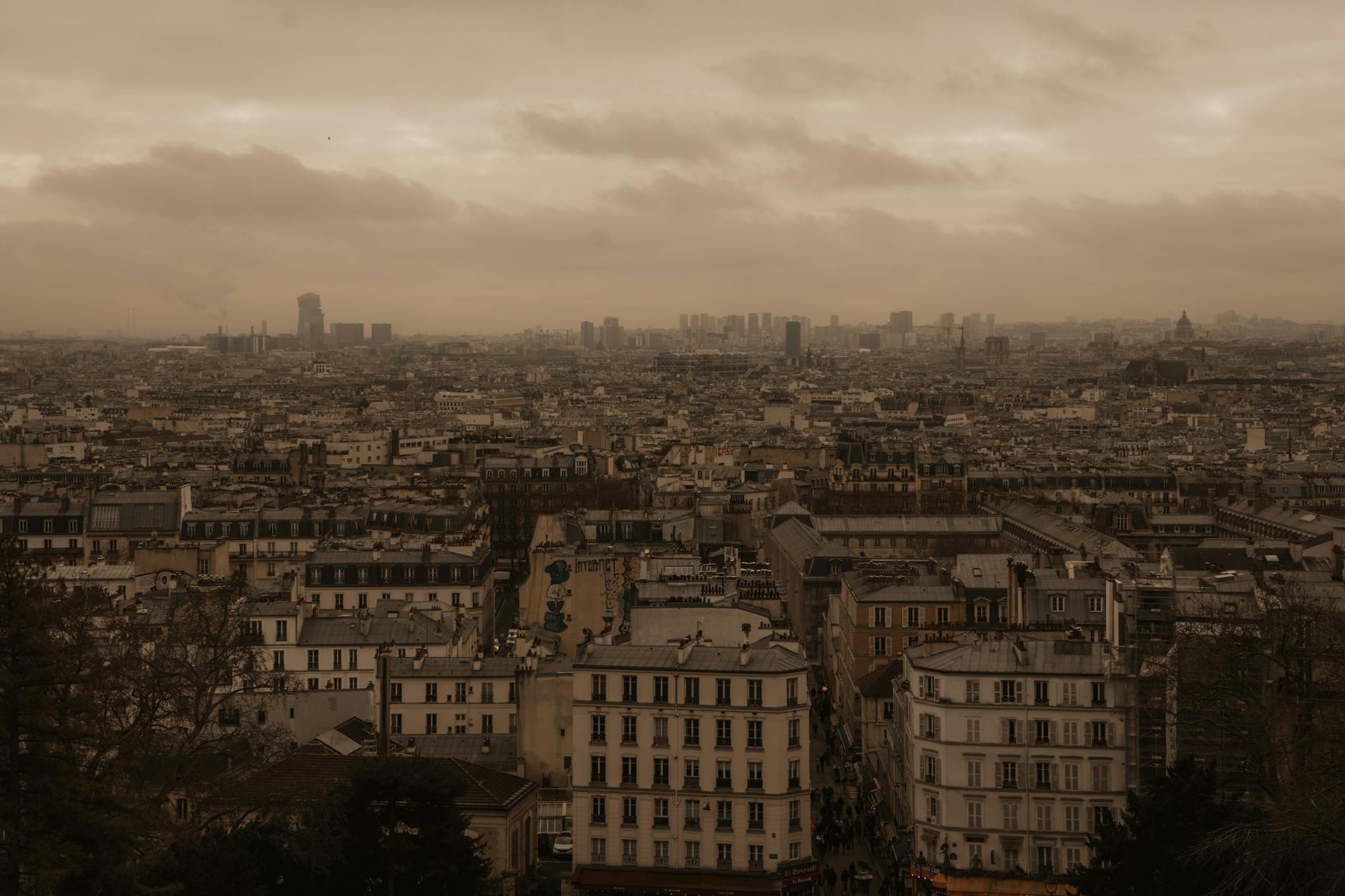
Paris is not for people who want cheap and easy. It's for people who want to live well. The city is expensive, occasionally infuriating, and completely unwilling to apologize for either of those things. After a month here, you'll understand why. As a digital nomad base, Paris gives you world-class infrastructure (France has some of the best fiber broadband in Europe), a metro that actually runs reliably, and a food culture so deeply embedded in daily life that eating stops being a task and becomes the whole point of your morning. Coworking spaces are solid and growing. The neighborhoods are distinct enough that where you live defines what your month feels like. And yes, the stereotype about Parisians being rude is mostly a translation problem. Speak one sentence of bad French first, then switch to English. The whole city opens up.
Paris at a Glance
Best Neighborhoods for Remote Workers
Le Marais (3rd & 4th arrondissements)
Le Marais is central, walkable, dense with cafes, and genuinely beautiful to walk through on the way to your desk. The older Jewish quarter mixes with a newer wave of independent coffee shops, galleries, and coworking spaces. It's not cheap, but you're in the middle of everything — Pompidou Center two minutes away, the Île de la Cité five minutes on foot. Great for your first month in Paris when you want to explore and work at the same time without commuting anywhere.
Canal Saint-Martin (10th arrondissement)
The 10th is where the nomads, the creatives, and the people who moved to Paris to actually live there (not just visit) tend to land. Canal Saint-Martin is lined with iron footbridges, small restaurants, and independent bookshops. The neighborhood has a slowness to it that doesn't feel lazy. Rents are lower than the center. The cafe scene is strong. Saturday mornings on the canal with a coffee and a croissant from a neighborhood boulangerie is the kind of thing you'll describe to people back home and they won't really get it until they do it themselves.
Oberkampf / Bastille (11th arrondissement)
The 11th is the most alive neighborhood in Paris. Dense with natural wine bars, no-reservation restaurants, and the kind of crowds that appear at 7pm and don't thin out until midnight. For remote workers, the appeal is that it's extremely well connected (multiple metro lines) and surrounded by good coworking options, while feeling like a real neighborhood with a real pulse. Marché d'Aligre, one of the best food markets in the city, is right here. This is the neighborhood for people who want to work hard during the day and actually do something with the evenings.
Montparnasse (14th arrondissement)
Montparnasse has a quieter, more residential energy that suits people who want to put their head down and work without constant distraction. Good transport links, reliable cafes, and slightly less foot traffic than the central arrondissements. It also has the added bonus of being where half of Paris's expat community lives if you're looking to build a network quickly.
Coworking Spaces in Paris
Anticafé: The most interesting coworking model in Paris. You pay a flat rate per hour (around €5/hour), which covers unlimited coffee, tea, and snacks. No memberships, no contracts — walk in, open your laptop, eat a croissant, leave. Multiple locations across the city. Ideal for people who work in short bursts rather than long all-day sessions, or who want a casual low-commitment setup when they first arrive.
Morning Coworking: A well-established Paris coworking chain with multiple locations (République, Opéra, Marais, and more). Professional setup, fast internet, and solid meeting room options. Popular with local startups and remote teams. Monthly memberships are available, and the community events make it easier to meet other professionals in the city without having to work too hard at it.
WOJO: Enterprise-grade coworking with locations inside hotels and offices across Paris. Better for people who need a polished, quiet environment for client calls and video meetings. More expensive than Anticafé or Morning, but the infrastructure is reliably excellent. Good fallback if you need a professional setup for an important week.
What to Eat in Paris 🍽️
Let's be direct: the Paris food scene is not hype. It's one of the few cities in the world where the average Tuesday lunch is genuinely better than the special occasion dinner in most other cities. Here's what to actually eat.
Croissants: Not from a supermarket, not from a chain, and not from anywhere that also sells a panini. Find a neighborhood boulangerie with a queue out the door at 8am. A proper croissant is laminated with real butter, shattering into layers the moment you bite it, with a slightly honeyed interior. One croissant, eaten standing on the pavement outside the bakery, will recalibrate your entire relationship with pastry.
Jambon-beurre: A baguette, good ham, and salted butter. That's it. It sounds absurd that this is a thing people wait in line for, but you will wait in line for it. The key is the baguette being fresh and the butter being the right thickness. Order it from any boulangerie and eat it while walking. This is what Parisians actually eat for lunch.
French onion soup (soupe à l'oignon): Order this from an old-school bistrot on a cold evening. Slowly caramelized onions, beef broth, a piece of baguette floating on top, buried under a lid of melted Gruyère. The cheese will stretch three feet. It's embarrassing and perfect in equal measure.
Steak frites: The bistrot staple. Hanger steak (onglet), cooked to medium-rare because the kitchen will look at you weirdly if you ask for well done, with hand-cut frites and a sauce that's usually either béarnaise or a red wine reduction. Eat it with the house red. Don't think about it too hard.
The cheese counter at any fromagerie: Paris takes cheese seriously in a way that borders on theological. A good fromagerie will have 200+ varieties and someone behind the counter who will smell things and hand you pieces to try without explanation. Comté is the everyday workhorse. Brie de Meaux is a world away from anything called "brie" outside France. Époisses smells aggressively wrong and tastes exactly right. Buy too much, eat it all before dinner.
Marché d'Aligre (11th arrondissement): The best food market in Paris and one of the best in Europe. Open every morning except Monday. Covered section for cheese, charcuterie, and wine. Outdoor section for produce, herbs, and spices. Prices are lower than other markets and the quality is higher. Go on a Saturday, go early, bring a bag, and spend the morning here. This is where Parisians shop, not tourists.
Natural wine: Paris has gone extremely deep on natural wine over the past decade. The 11th and 10th arrondissements are full of small wine bars (caves à manger) that serve low-intervention bottles with small plates. No wine list, just a chalkboard that changes weekly. Order whatever the person behind the bar recommends. They always know what's good that week.
Crêpes from a street stand: Savory galette with ham, egg, and melted cheese (buckwheat crepe, traditional from Brittany), or a sweet crêpe with salted butter and sugar. Both under €4 from a good stand. Get them from a stand near a local school or market, not from Montmartre.
Frequently Asked Questions
Is Paris too expensive for digital nomads?
It depends on what you're comparing it to. Paris is not Lisbon or Tbilisi. Rent is the main pressure — expect €1,100–1,600 for a decent private room in a coliving or shared apartment, more for a studio. But food costs are manageable if you eat like a local: boulangerie breakfast, menú-style lunch at a bistrot, home cooking in the evening. Most nomads who find Paris too expensive are eating in tourist restaurants. That's fixable.
What is the internet like for remote workers in Paris?
Very good. France has invested heavily in fiber infrastructure, and Paris coverage is close to universal in residential areas. Most coworking spaces offer gigabit connections. The main issue is inconsistent café wifi — some spots are excellent, others barely functional. Get a French SIM or eSIM as a backup (Orange or Free are the most reliable).
When is the best time to live in Paris as a nomad?
Spring (April–June) and autumn (September–November) are objectively the best times. The weather is mild, the parks are alive, and the city has its normal operating energy. July and August, the city half-empties as locals leave for summer. Good if you want quiet; less good if you want social life. January and February are grey, but rents drop and you get Paris with no queue anywhere.
Do you need to speak French to live in Paris?
No, but learning 10 phrases makes an enormous difference. Parisians respond well to any good-faith attempt at French, even terrible French. "Bonjour" before everything is non-negotiable. "Un café, s'il vous plaît" will serve you better than any app. In coworking spaces and among nomads, English is universal. In neighborhood bakeries and markets, French is appreciated.
Is Paris good for meeting other digital nomads?
Better than its reputation. The nomad community in Paris is not as loud as Lisbon or Bali, but it's large and well-networked. Morning Coworking events, Meetup groups, and the expat community (which has decades of infrastructure) make it reasonably easy to find your people within the first two weeks. The city tends to reward people who show up consistently in one neighborhood over people who try to see everything at once.