Coliving in Bansko, Bulgaria for Digital Nomads
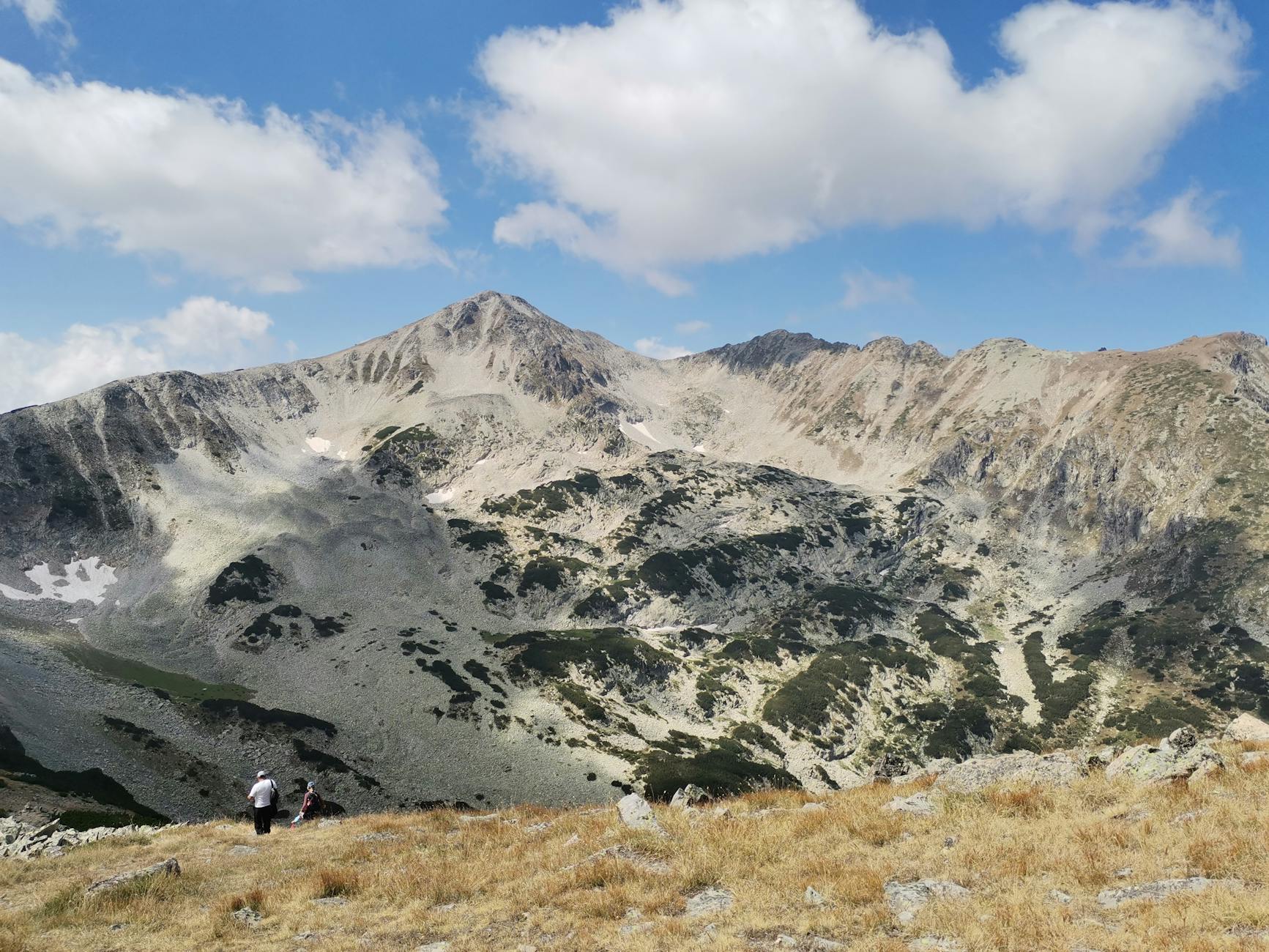
Bansko is a ski resort town of around 10,000 people in the Pirin Mountains of southwestern Bulgaria, and it quietly became one of Europe's most beloved digital nomad destinations. At €800–1,200/month all-in, it's one of the cheapest places in Europe to live comfortably — with fiber internet running at 100–200 Mbps in most apartments. The old town is compact and walkable: stone-paved streets, traditional Bulgarian taverns called mehanas, and a nomad community of 200–400 people year-round that swells past 800 in ski season. Bulgaria joined the Schengen zone fully in January 2025, giving EU citizens free movement and US citizens 90 days within the zone. Winters are genuinely alpine and snowy (December–March), summers are warm and much quieter, and the shoulder seasons are underrated. Bansko runs on three things: extreme affordability, tight community, and Bulgarian food that most travelers don't see coming.
Cost data via Numbeo (2025) and Nomad List community reports.
Best Neighborhoods for Remote Workers
Old Town (Staroto Gradche)
This is where you want to be if atmosphere matters to you. Stone houses, cobblestone streets, mehanas with wood fires burning through winter. It's compact enough that everything is walkable, and there's a genuine village-inside-a-ski-resort quality that hasn't fully been lost to tourism. Slightly noisier on weekends when the après-ski crowd migrates here, but during the week it's calm and genuinely beautiful. Best for solo nomads who want to feel like they actually live somewhere rather than just passing through.
Central Bansko (Around Pirin Street)
Practical and central. This is where the supermarkets, pharmacies, ATMs, and most cafes cluster. Less atmospheric than the old town but extremely functional — you can get from your desk to a coffee shop in under five minutes, which on a cold January morning matters more than you'd think. Most coworking spaces are in walking distance. Good choice if you're here to put in serious work hours.
Glazne / Ski Lift Area
Newer buildings, closer to the gondola. Better for people who actually ski between Zoom calls. More hotels, less local flavor. If you're here primarily for winter sports and the nomad lifestyle is secondary, this is logical. But if community and authenticity are what you came for, you'll probably wish you'd stayed closer to the old town.
Coworking Spaces in Bansko, Bulgaria
Bansko Nomads / The Coworking
The place that arguably put Bansko on the nomad map. It's not just a desk and wifi — there's a full community structure built around it: weekly events, dinners, hiking trips. If you're arriving solo and want to meet people fast, start here. The community is more valuable than the chair.
Impact Hub Bansko
More structured than Bansko Nomads, skews slightly towards founders and entrepreneurs. Regular workshops, mentorship sessions, a solid local network. Good wifi, proper facilities, and the kind of spot where you'll overhear something interesting at the coffee machine. Worth checking if you want events with a bit more professional edge.
Cafes (the real move)
A significant portion of the nomad population works from cafes that have become de facto coworking spaces. Bulgarian cafe culture is relaxed enough that nobody gives you a look after two hours. The nomad community Telegram groups (ask when you arrive — easy to find) keep live lists of which cafes have fiber and which have "works sometimes" wifi. Ask before you set up your whole morning there.
What to Eat in Bansko, Bulgaria
Okay. This is the part that actually matters.
Bulgarian food is criminally underrated. Most people come to Bansko for the skiing and cheap rent and leave having walked past extraordinary food every single day without stopping. Don't be that person.
Banitsa
Start here. It's flaky phyllo pastry filled with white sirene cheese — sometimes spinach, sometimes leek — eaten warm straight from the oven. Every Bulgarian town has banitsa shops (banicharki) that open early and sell out by 10am. The correct breakfast in Bansko is banitsa plus ayran (cold salted yogurt drink). If you sleep through banitsa hours you've already had a bad morning. Don't have a bad morning.
Patatnik
This one is a Bansko specialty and you genuinely won't find it as good anywhere else in Bulgaria. It's a thick potato cake made with shredded potato, onions, and spearmint — cooked in a clay pot or on a griddle until the outside is deeply crispy and the inside is almost molten. It sounds simple. It is not simple. It's the kind of dish that tastes exactly like it belongs in a mountain town after a cold walk. Order it at a mehana. Eat it slowly.
Kavarma
Slow-cooked meat — pork or chicken — with peppers, onions, and sometimes mushrooms, served still bubbling in a clay pot. This is a sit-down, take-your-time meal. The mehanas do this best. Find one that's been open for decades rather than one with a fresh TripAdvisor badge. The ones with animal pelts on the walls and an actual fire burning are usually the right call.
Shopska Salata
Tomatoes, cucumbers, roasted peppers, onion, olive oil — finished with a heavy snowfall of grated white sirene cheese. It's the national salad for good reason. Fresh, bright, sharp. A perfect counterpoint to the heavier meat dishes that define most mehana menus. Eat it constantly. Order it everywhere. No regrets.
Tarator
Cold yogurt soup with cucumber, dill, walnuts, and garlic. This sounds like it shouldn't work. It works. Perfect in summer when the mountains are warm and you want something cold and light. If you've only encountered cold soup as gazpacho, tarator will quietly rearrange your understanding of what cold soup can do.
Kebapche
Grilled ground meat sausages, served with mustard, chips, and shopska on the side. It's street food, essentially — cheap, fast, deeply satisfying. Every mehana has it. Every Bulgarian eats it. You should too.
Rakiya
Someone will offer you rakiya. Accept it. It's grape or plum brandy — usually homemade by someone's grandfather — and it will clear your sinuses on the first sip. Drinking it is a social act. Just say "nazdrave" (na-ZDRA-veh), knock it back, and hold yourself together. The correct response is to smile and say it's very good, even if you're reconsidering your choices.
The Mehana Experience
Mehanas are traditional Bulgarian taverns: low ceilings, wood fires, live music on weekends, ceramic pitchers of house wine, fur-covered seats. The good ones aren't tourist traps. Ask locals which ones they actually go to rather than which ones have the most photos on Google. The food will be heavy, the portions enormous, the bill confusingly affordable, and you'll leave wondering why you've spent so long eating underwhelming food in other cities when this existed.
Practical food shopping
Lidl and Billa both have locations in Bansko for groceries. For fresh produce and cheese, the local market in the town center operates in the mornings — get there early. Bulgarian sirene (white cheese) is excellent, very cheap, and worth eating on essentially everything. Buy a block. Eat it with everything.
Frequently Asked Questions
Is Bansko only worth visiting in winter?
No. Winter is peak season — skiing, maximum nomad population, more energy in the streets. But summer Bansko is genuinely lovely: hiking in Pirin National Park, cooler temperatures than the Bulgarian coast, fewer tourists, and prices that drop even further. Spring and autumn are quiet and beautiful in their own way. The nomad community thins out in summer but doesn't disappear. Come in any season — just know what you're walking into.
How reliable is the internet in Bansko?
Very reliable in most apartments and in all dedicated coworking spaces. Fiber at 100–200 Mbps is standard in newer buildings. Older rentals can be patchier — always ask specifically about internet speed before signing anything. The nomad community Telegram groups are the best current source for apartment recommendations where fiber is confirmed.
Is Bansko getting too touristy and gentrified?
Honest answer: a bit, yes. Prices have risen since the big nomad boom of 2020–2023. It's not what it was five years ago, and anyone who tells you otherwise is trying to sell you an Airbnb. But compared to most European nomad hubs, it's still genuinely affordable and the community is still good. If you want cheap rent and real community, it delivers. If you want somewhere undiscovered, look at Plovdiv or Tbilisi instead.
Is it easy to meet people as a solo nomad in Bansko?
Unusually easy. The nomad community here has actual infrastructure — organized events, weekly dinners, hiking groups, active community channels. If you're even slightly socially willing, you'll know 20 people within your first week. It's one of the better spots in Europe for solo nomads precisely because the community is well-organized enough that you don't have to do all the work yourself.
What's the best time for a first visit?
Late November through March if you want the full ski season energy and maximum community density. June through September if you want hiking, quiet, and lower prices. Avoid early April and late October — genuine shoulder months where a lot is closed and the town feels half-empty. There's no bad time to come, just different Banskos depending on when you show up.
Related Destinations
Liked what you read? These are worth a look next: