Coliving in Lisbon, Portugal for Digital Nomads
What is it like to live in Lisbon, Portugal as a digital nomad?
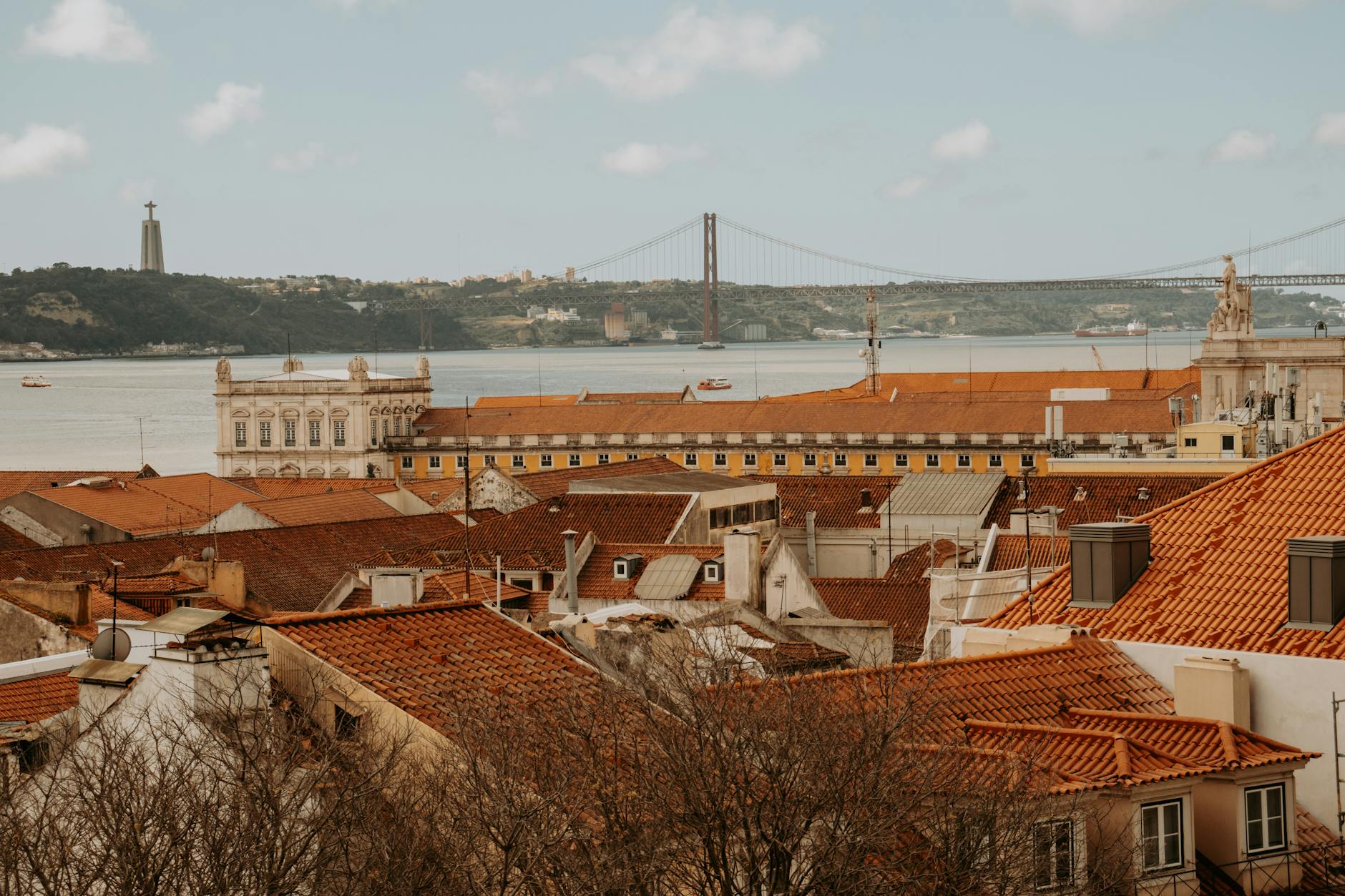
Lisbon is one of those cities that earns its reputation. The old town spills down seven hills into the Tagus river, the light is golden basically all day, and the internet is fast enough that you'll forget you're living in a place that looks like a postcard. Digital nomads have been flocking here for years, which means the infrastructure is solid. Coworking spaces are everywhere, English is widely spoken, and nobody will look at you weird for sitting in a café with a laptop for four hours. Cost of living is higher than it was five years ago but still well below London or Amsterdam. Portugal's Digital Nomad Visa (D8) is one of the more straightforward ones in the EU. And then there's the food. The pastéis de nata alone could justify the move. Lisbon works for nomads who want a city that functions, a culture that actually invites you in, and a dinner scene that'll ruin restaurant standards everywhere else you go.
Key Stats at a Glance
| Stat | Details |
|---|---|
| Monthly cost of living | €1,500–2,200/month (solo nomad, incl. accommodation). Source: Numbeo, 2026 |
| Average internet speed | 130–200 Mbps (fiber widely available) |
| Timezone | WET (UTC+0) / WEST (UTC+1) summer — overlaps with US East Coast mornings |
| Visa — EU citizens | Free movement, no visa needed |
| Visa — US citizens | 90/180 days Schengen-free, or Portugal D8 Digital Nomad Visa (€3,040/mo income requirement) |
| Safety | Generally very safe. Watch for pickpockets in Alfama and on tram 28. |
Cost of Living in Lisbon
The honest version: Lisbon is no longer cheap, but it's still a good deal for a Western European capital with this much soul. Here's where your money actually goes.
| Category | Solo Nomad (mid-range) |
|---|---|
| Private room in shared flat | €700–950 |
| Studio in central neighborhood | €1,200–1,600 |
| Coworking membership (hot desk) | €120–250 |
| Groceries (cooking 4-5x/week) | €200–280 |
| Restaurants & cafés | €250–400 |
| Public transport (monthly pass) | €40 (Navegante card) |
| Mobile data (local SIM, 20GB+) | €15–25 |
| Going out, weekends, the odd day trip | €150–300 |
| Total | €1,500–2,200/mo |
A few things that surprise people. Eating out is genuinely cheap — a proper sit-down lunch with a glass of wine at a neighborhood tasca runs €10–14. Coffee is €0.80 at the counter, €1.50 if you sit. Wine at the supermarket is excellent and starts at €3 a bottle. The expensive parts are rent (especially in Príncipe Real, Chiado, Bairro Alto) and anything imported. If you can cook a few times a week and stay out of Bairro Alto on weekends, you'll come in under €1,800 without trying. If you want a private studio with a river view and you eat out every dinner, you'll spend €2,500+. Both are doable.
Where to Work in Lisbon
Coworking spaces
Second Home Lisboa (Mercado da Ribeira) is the most famous one and it deserves it. Set inside a lush greenhouse-style building with hanging plants from the ceiling and curved Selgas Cano architecture, it's the kind of place that makes you want to be at your desk. Not cheap, but not absurd either, and the community events are good.
Heden Príncipe Real is smaller, calmer, and feels more like a well-curated members' club than a corporate coworking space. Good light, strong coffee, reliable wifi, and a crowd that's mostly freelancers and small teams who need to get work done.
Village Underground Lisboa is for when you want to tell people you work in a shipping container stacked on top of a double-decker bus and watch their face. Genuinely cool space under the 25 de Abril bridge, with great river views and a creative community. The vibe is more art/music adjacent, but the internet works and the outdoor area in summer is excellent.
Cowork Central (Cais do Sodré) is the no-nonsense option. Multiple floors, ergonomic chairs, meeting rooms, and reliable everything. Less Instagram, more deep work.
Laptop-friendly cafés
Hello, Kristof in Príncipe Real is a magazine-and-coffee shop that's quietly become a nomad office. Beautiful natural light, good filter coffee, no music too loud to think over, and they don't kick you out.
Fauna & Flora (Santos) does excellent specialty coffee, brunch, and has enough outlets and table space that you can actually settle in for a few hours.
Comoba (Cais do Sodré) is small but the wifi is fast, the avocado toast is real, and the crowd is mostly people typing.
The Mill (Santos) is one of those places run by people who care about coffee with the precision of a Swiss watchmaker. Slightly noisier than the others but the croissants are worth it.
Internet situation
Portuguese internet is one of the best-kept secrets in Europe. Fiber is widely available and most apartments come with 200–500 Mbps. Coworking spaces typically deliver 100–300 Mbps with proper enterprise routers. Cafés are hit-and-miss — anywhere from 20 to 200 Mbps depending on the place. For backup, get a local SIM card (NOS, Meo, or Vodafone Portugal all work; NOS tends to be the cleanest for nomads). A 30-day plan with 20+ GB runs about €15.
Best Areas to Stay in Lisbon
Príncipe Real
This is where you go if you want to feel like you've figured out Lisbon before anyone else has. Boutique everything — coffee shops, wine bars, independent bookstores, and a Sunday organic market in the garden square. It's quiet enough to focus during the day and interesting enough to justify closing the laptop at 6pm. Slightly expensive for Lisbon, but you get what you pay for. Best for: people willing to pay €1,400+ for a studio to wake up in their favorite version of the city.
Arroios
The neighborhood the locals moved to when everything else got too touristy. More multicultural, more affordable, full of excellent ethnic food and zero Instagram crowds. Great tascas on every corner, a beautiful park for lunch breaks, and a genuine neighbourhood feel. If you're staying a month or more, this is where you'll actually feel like you live in Lisbon rather than visiting it. Best for: anyone staying longer than three weeks who wants real Lisbon without paying tourist prices.
Alcântara / LX Factory
Suits the creative types and anyone who needs coworking infrastructure close to home. The old industrial zone has been converted into studios, agencies, restaurants, and weekend markets. Less residential than the other options but the energy is good for working, and you're a short Uber from everything else. Best for: people who like buzzy work environments and don't mind not being deep in the historic center.
Bairro Alto / Chiado
Central, chaotic, beautiful, and loud after 10pm. Good if you thrive on noise and proximity to everything. Not ideal if you need a quiet morning to focus — but if you're someone who does their best thinking in a café with ambient noise, this is your natural habitat. Best for: short stays where you want to be in the middle of everything and don't care about sleep.
Santos
Underrated. Sits between the action of Cais do Sodré and the river, full of excellent cafés, design studios, and a few of the best restaurants in town. Quieter than Bairro Alto but still walkable to everywhere. Best for: nomads who want central but not chaotic.
Visa & Logistics
EU passport holders: nothing to do. Move in, set up shop.
Americans, Canadians, Brits, Australians: you get 90 days within any 180-day rolling window under Schengen rules. That's enough for one chapter. If you want more, the D8 Digital Nomad Visa is genuinely well-designed. Requirements: €3,040/month of consistent income (12x Portuguese minimum wage), a Portuguese tax number (NIF, easy to get), and a rental contract or accommodation proof. Processing takes 2–4 months. Once you have it, you can stay for a year initially, extend, and eventually apply for permanent residency. The visa also gets you tax treatment that's often better than your home country (talk to an accountant, not to us).
A few logistics that save time:
- NIF (tax number): required for everything from a phone plan to renting an apartment. You can get one online via services like Bordr or in person at any Finanças office. Costs €0–€100 depending on route.
- Bank account: ActivoBank is the easiest for nomads — open it online, English-friendly. Revolut works for most things if you don't want a Portuguese account.
- Public transport: the Navegante monthly pass is €40 for unlimited metro, bus, tram, and suburban trains. Worth it from day one.
- From the airport: the metro red line connects directly to the city center. Uber and Bolt both work everywhere and are cheap.
Things to Do in Lisbon
Lisbon is the rare city where the "things to do" list is genuinely worth the time. A short version of what's actually worth your weekends:
- Walk Alfama at golden hour. The labyrinth of streets above the cathedral is beautiful at 5pm and full of fado music spilling from open doors at 9pm.
- Day trip to Sintra. 40 minutes by train. Palaces in the hills, foggy forests, and the kind of fairy-tale architecture that doesn't feel real. Go on a weekday.
- Cascais and the Atlantic coast. Take the train along the river out to Cascais, walk to Guincho beach, then bus back. Beach day with no car needed.
- Surf at Costa da Caparica. 30 minutes south. Long beaches, real waves, surf schools that'll get you standing in an hour.
- LX Factory on Sundays. The market fills with locals, vintage, ceramics, and street food. Spend three hours and a small amount of money.
- Tram 28. Yes it's touristy. Take it anyway, early morning, before the crowds. Then complain about how touristy it was.
- Fado at A Tasca do Chico. The right kind of small, dim, intense, and the singers walk in off the street. Order vinho verde and don't talk during the songs.
- Sunset at Miradouro da Senhora do Monte. The best view of the city, no entry fee, and you can bring a beer from the corner shop.
What to Eat in Lisbon, Portugal 🥧
This is where Lisbon gets serious.
Start with the obvious: pastéis de nata. Don't let anyone tell you the ones at Pastéis de Belém are overrated because of the queue — the queue is worth it. The custard tart is warm, the pastry shatters when you bite it, and the cinnamon hits exactly right. Get two. Get three. You're on holiday from your diet starting now.
Bacalhau (salt cod) is the national obsession — supposedly over a thousand recipes exist, and Lisbon is where you'll understand why. Try bacalhau à brás (shredded cod with eggs, potatoes, and olives scrambled together) at a proper tasca and you'll spend the rest of your stay trying to find a version that good again. Spoiler: you'll find several.
For street food, bifanas are the move. A bifana is a pork cutlet sautéed in garlic and wine, stuffed into a crusty roll, and handed to you through a window for about €2.50. It's not fancy. It is perfect. Casa Portuguesa do Pastel de Bacalhau near the waterfront also does a version stuffed with bacalhau and cheese that requires sitting down to process.
Polvo à lagareiro — roasted octopus with olive oil, garlic, and crispy potatoes — is everywhere in Lisbon and nowhere is it bad. Order it and be happy about your life choices.
For food markets, Time Out Market in Cais do Sodré is good despite being famous. The vendors inside are proper Lisbon restaurants with stalls — not food court approximations. Go for lunch, not dinner, when it's less chaotic. On Sundays, the LX Factory market fills with locals selling vintage, ceramics, and street food, and you should go every Sunday you're there.
Don't leave without trying ginjinha — cherry liqueur served in a tiny shot glass, or in a chocolate cup if you go to Óbidos. It's sweet, slightly boozy, and costs less than a euro. There are ginjinha-only bars in the Baixa that are basically just a room with a counter and a barrel, and they are perfect.
In June, the whole city smells like grilled sardines during the Festas de Lisboa. If you're there for the party, eat sardines on a paper plate standing on the street. This is mandatory.
Weather & Best Time to Visit
Lisbon does not really have a bad season, just different versions of itself.
Spring (March–May): Probably the best version. Mild, sunny, jasmine everywhere, no crowds. 18–24°C. Pack a light jacket for evenings.
Summer (June–August): Hot but bearable thanks to the Atlantic breeze. 25–32°C, with August often pushing higher. The city empties out in mid-August when locals flee to the Algarve. June is the best month — Santo António festival, sardines on every corner, and the city is alive.
Autumn (September–October): The sweet spot for nomads. Warm enough for beach days, cool enough for working, prices drop, locals are back. If you can only come once, come now.
Winter (November–February): Mild compared to the rest of Europe. 8–15°C, some rain, occasional storms. The city is quiet, restaurants take reservations again, and you can actually get into Belém without queueing. Some nomads love this. Others find it too quiet.
Safety in Lisbon
Lisbon is one of the safer European capitals. Violent crime is rare. The standard urban awareness applies — pickpockets work the tram 28, the Alfama tourist routes, and Praça do Comércio, especially in summer. Late-night Bairro Alto can get rowdy but rarely dangerous. Solo female travelers report Lisbon as comfortable for nights out, with the usual caveats. The main thing to actually watch is your phone in crowded tram cars and your laptop in busy cafés near tourist zones.
For everything else, this is a city where you can walk home at 1am from a fado bar and not feel uneasy. That counts for a lot.
The Honest Downsides
Lisbon is not perfect and anyone selling you that is selling you something.
- Rent has gone up a lot. Locals are priced out of central neighborhoods. If this matters to you (and it should), don't take the cheapest short-term Airbnb you find — book from a coliving operator or sublet from a local. We have opinions about this and they involve not contributing to the bad version of nomad gentrification.
- Tourist density. May to October, the historic center fills up. Tram 28 becomes unusable. Pastéis de Belém has a queue. Adapt your routine: do touristy things early or late, work in neighborhoods that aren't in the guidebooks.
- Hills. Lisbon has seven of them and they're real. Your calves will know about it for the first week.
- The bureaucracy is European. Anything official (NIF, residency, banking) takes longer than it should. Bring patience and read the steps twice.
- Winter can feel grey. Apartments aren't insulated for cold — homes that look beautiful in summer can be 12°C inside in January. Look for places with double glazing and good heating before signing anything in winter.
None of these are dealbreakers. They're things people don't mention when they're trying to sell you the dream.
Is Lisbon Right for You?
Yes if: you want a European base where the food is taken seriously, the language is welcoming, the infrastructure works, and you can build a real life rather than just visit. You're okay with hills, you don't need ski-mountain cold or tropical heat, and you value a community that's already established but still walkable in size.
Probably not if: you're optimizing for the lowest cost possible (try Bansko, Tbilisi, or Lisbon's cheaper Portuguese cousin Porto), you hate seafood, or you need a city that's quiet year-round. Lisbon is many things, but quiet in summer is not one of them.
Lisbon vs. Other European Nomad Hubs
| If you want… | Lisbon | Barcelona | Madeira | Porto |
|---|---|---|---|---|
| Cheapest | Mid | Higher | Lower | Lowest |
| Biggest nomad community | Largest | Large | Mid | Smaller |
| Best food | Tied #1 | Tied #1 | Strong | Strong |
| Beach access | 30 min | In city | At door | 30 min |
| Bureaucracy ease | Moderate | Hard | Same as Lisbon | Same as Lisbon |
| Year-round livable | Yes | Yes | Yes | Yes |
If you've already done Lisbon and want quieter and cheaper, Porto is the obvious next move. If you want the same Atlantic energy with island life, Funchal in Madeira. If you want to swap city for surf and a smaller scene, Tarifa in southern Spain.
Frequently Asked Questions
Is Lisbon good for digital nomads year-round?
Yes, but summer (July–August) gets hot and busy. September and October are the sweet spot — warm, less crowded, and the locals are back. Winter is mild and quiet, which some people love and others find too slow. Spring is genuinely beautiful.
How fast is the internet in Lisbon?
Fast. Fiber coverage in the city is solid and most coworking spaces offer 100–300 Mbps. Cafés are hit or miss. If you need reliable bandwidth, get a local SIM (NOS or Meo both work well) or base yourself at a coworking space.
Do I need the D8 Digital Nomad Visa or can I just use the Schengen 90 days?
If you're from the US, Canada, or another non-EU country, the 90-day Schengen allowance works fine for a shorter stay. For anything longer, the D8 visa makes sense — it takes a couple of months to process and requires proof of €3,040/month income, but it's legitimate residency and gives you freedom to stay as long as you like.
Is Lisbon still affordable compared to other European capitals?
Cheaper than London, Amsterdam, Paris, or Zurich — yes. Cheaper than it was three years ago — no. Rents have climbed, especially in central areas. Budget €800–1,200/month for a decent room in a shared flat, or €1,400+ for a private studio. Groceries, restaurants, and going out remain very reasonable.
What's the social scene like for nomads?
Active. Lisbon has one of the most established nomad communities in Europe — there are regular meetups, Nomad City events, and the kind of critical mass of remote workers that means you'll meet people fast. If you're introverted, there's enough solo café culture that you can stay invisible. If you want a scene, it's there.
Is Lisbon safe for solo female travelers?
Yes, broadly. Crime rates are low and women report walking home alone at night feeling fine in most central neighborhoods. The usual precautions in nightlife districts apply. The nomad community in Lisbon is also large enough that you'll find groups doing things almost any night of the week.
Can I get by without speaking Portuguese?
Easily. Lisbon is one of the most English-speaking cities in Southern Europe. That said, learning obrigado/obrigada (thank you), bom dia (good morning), and uma bica, por favor (one espresso, please) will earn you noticeably warmer service everywhere.